

Ibs-c: An Evidence-Based Guide for Patients

IBS-C causes recurrent abdominal pain linked with constipation and changes in bowel habits. Diagnosis is based on symptoms and the exclusion of warning signs that may suggest another condition.
Key Takeaways
- IBS-C causes recurrent abdominal pain linked with constipation and changes in bowel habits.
- Diagnosis is based on symptoms and the exclusion of warning signs that may suggest another condition.
- Treatment usually combines dietary changes, stress management, regular physical activity, and targeted medicines.
- Symptoms can fluctuate over time, with periods of improvement and flare-ups.
- Medical review is important if symptoms begin later in life, worsen suddenly, or are accompanied by bleeding, weight loss, or anemia.
Medically reviewed by the Acıbadem International Medical Board — July 24, 2026
IBS-C is irritable bowel syndrome with constipation, a long-term digestive disorder that commonly causes abdominal pain, bloating, and infrequent or hard stools. It does not damage the intestines, but it can significantly affect daily comfort and quality of life, so proper evaluation and symptom-focused care are important.
Overview: what IBS-C means
IBS-C stands for irritable bowel syndrome with constipation. It is a functional gastrointestinal disorder, which means the digestive tract looks normal on routine testing but does not always work normally. People with IBS-C typically have recurrent abdominal pain or discomfort together with hard, infrequent, or difficult-to-pass stools.
IBS-C is not the same as occasional constipation. In IBS-C, constipation is linked to ongoing symptoms such as cramping, bloating, and a feeling that bowel movements are incomplete. Symptoms often come and go over time, and they may worsen during periods of stress, after certain foods, or with changes in routine.
Although IBS-C can be frustrating, it is a recognized medical condition and there are effective ways to manage it. Care usually focuses on improving bowel habits, reducing pain and bloating, and identifying personal triggers. In some cases, doctors may also consider related digestive conditions such as Crohn’s disease or ulcerative colitis when symptoms are atypical or warning signs are present.
Symptoms and how IBS-C feels day to day
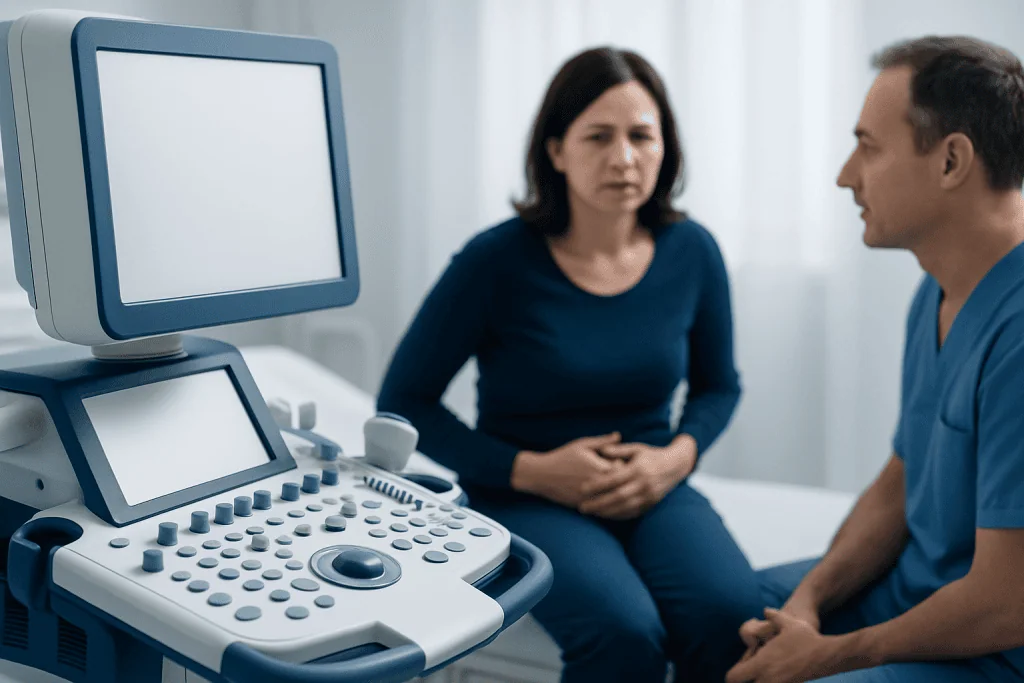
The hallmark symptoms of IBS-C are abdominal pain and constipation. The pain may feel crampy, aching, or pressure-like, often in the lower abdomen, and it may improve or change after a bowel movement. Some people notice that the pain is worse after eating or at times of emotional stress.
Constipation in IBS-C may mean fewer bowel movements, hard or lumpy stools, straining, or a sense that stool has not fully passed. Bloating is also common and can be one of the most bothersome features. The abdomen may feel tight, swollen, or uncomfortable even when bowel movements occur.
Other symptoms can include excess gas, mucus in the stool, fatigue related to poor sleep or discomfort, and an unpredictable bowel pattern. Some people with IBS-C occasionally have a softer stool or brief diarrhea, but constipation remains the dominant pattern. Symptom severity varies widely, and the impact on work, travel, meals, and social life can be significant.
- Abdominal pain or cramping that recurs
- Hard, dry, or lumpy stools
- Infrequent bowel movements
- Straining or incomplete evacuation
- Bloating and excess gas
Why IBS-C happens: causes and risk factors

IBS-C does not have a single cause. Instead, it is thought to develop from a combination of altered gut movement, increased sensitivity of the intestines, and changes in communication between the gut and the brain. In IBS-C, the colon may move stool more slowly than usual, while the intestines may also be more sensitive to normal stretching and gas.
Diet can contribute, but food alone does not fully explain IBS-C. Some people notice symptoms after large meals, highly processed foods, or foods that increase gas. Stress, anxiety, poor sleep, and disruptions to normal routine may also affect symptoms because the nervous system and digestive system are closely connected.
Certain risk factors can make IBS-C more likely or more noticeable. These include a family history of IBS, a past intestinal infection, coexisting pelvic floor dysfunction, and other conditions that overlap with gut sensitivity. Doctors may also think about disorders that can mimic IBS-C, such as celiac disease, thyroid problems, or inflammatory bowel disease like Crohn’s disease, depending on the individual history.
How doctors diagnose IBS-C
IBS-C is diagnosed mainly from a careful symptom history rather than from one single test. Doctors often use symptom-based criteria, including recurrent abdominal pain associated with bowel movements or changes in stool frequency or form, with constipation as the predominant bowel pattern. The goal is to identify the typical pattern of IBS-C while checking for features that point to another cause.
During the medical review, the doctor will ask when symptoms started, how often they occur, what the stools are like, and whether there are triggers such as certain foods, medicines, or stress. A physical examination may be done, and basic tests may be recommended in some patients. These may include blood tests, stool tests, or other evaluations if symptoms are new, severe, or unusual.
Further testing is not always necessary, but it becomes more important when warning signs are present. These can include rectal bleeding, unexplained weight loss, iron-deficiency anemia, fever, nighttime symptoms, a strong family history of colon cancer or inflammatory bowel disease, or symptoms beginning later in life. If needed, a gastroenterologist may advise tests such as colonoscopy to look more closely at the colon.
Treatment options: building a personalized plan
IBS-C treatment usually works best when it is tailored to the person rather than using a single approach for everyone. Many patients benefit from combining diet changes, bowel habit support, physical activity, and symptom-targeted medication. Improvement may take time, so treatment is often adjusted gradually based on what helps most.
Dietary care may include increasing soluble fiber slowly, drinking enough fluids, and identifying foods that worsen symptoms. Some people improve with a short-term, clinician-guided low-FODMAP approach, followed by careful reintroduction. Because too much fiber too quickly can worsen bloating, changes are usually made step by step.
Medicines may be recommended when lifestyle measures are not enough. Depending on symptoms, doctors may consider osmotic laxatives for constipation, prescription medicines that increase fluid in the intestines, or treatments that target pain and gut sensitivity. Evaluation by specialists in gastroenterology can help determine the most suitable options, especially when symptoms are persistent or diagnosis is uncertain.
Some people with IBS-C also have pelvic floor dysfunction, in which the muscles used for bowel movements do not coordinate well. In those cases, specialized therapy may help. If symptoms overlap with upper digestive complaints, doctors may use tests such as endoscopy when clinically indicated to exclude other causes.
Prevention and self-care for flare-ups
There is no guaranteed way to prevent IBS-C, but many people can reduce flare-ups by understanding their personal symptom pattern. A simple diary that tracks meals, bowel habits, stress, sleep, and symptoms can be useful. This often reveals practical triggers that are not obvious at first.
Regular physical activity may support bowel motility and reduce stress. Establishing a steady eating routine, responding to the urge to have a bowel movement, and setting aside unhurried bathroom time can also help. Good hydration is important, especially when increasing fiber intake.
Self-care should also include attention to emotional well-being. Stress does not cause IBS-C by itself, but it can amplify symptoms through the gut-brain connection. Relaxation techniques, structured stress management, and psychological therapies such as cognitive behavioral therapy may be helpful for some patients as part of a broader care plan.
- Increase fiber gradually rather than suddenly
- Drink fluids regularly throughout the day
- Stay physically active most days of the week
- Keep a symptom and food diary
- Discuss over-the-counter products with a doctor if symptoms persist
When to seek medical care
It is reasonable to seek medical care if constipation, abdominal pain, or bloating lasts for several weeks, keeps returning, or interferes with daily life. A proper diagnosis can help distinguish IBS-C from other conditions and guide safe treatment. Medical advice is especially important before starting long-term laxative use or restrictive diets.
More urgent evaluation is needed if there is blood in the stool, black stools, unexplained weight loss, ongoing vomiting, fever, fainting, or severe pain that is different from usual symptoms. New symptoms after age 50, anemia, or a family history of colon cancer or inflammatory bowel disease also deserve prompt review.
For patients who need specialist assessment, Acibadem International’s multidisciplinary specialists and JCI-accredited hospitals evaluate digestive symptoms and provide care for international patients. This can include consultation in gastroenterology and further testing such as colonoscopy when appropriate.
Frequently asked questions
Is IBS-C the same as chronic constipation?
No. Chronic constipation mainly refers to difficult, infrequent, or hard bowel movements, while IBS-C also includes recurrent abdominal pain related to bowel habits. The presence of pain and bloating is a key reason doctors distinguish IBS-C from constipation alone.
Can IBS-C damage the intestines or lead to cancer?
IBS-C does not cause structural damage to the intestines and is not known to turn into colon cancer. However, symptoms that look like IBS-C can sometimes be caused by other conditions, which is why warning signs should always be assessed by a doctor.
What foods tend to trigger IBS-C symptoms?
Triggers vary from person to person, but some people notice worse bloating or pain after large meals, highly processed foods, or foods that ferment easily in the gut. Rather than removing many foods at once, it is usually better to identify patterns carefully with medical or dietetic guidance.
Does fiber always help IBS-C?
Fiber can help, but not all types work the same way. Soluble fiber is often better tolerated than insoluble fiber, and increasing fiber too quickly may worsen bloating or discomfort. A gradual approach is usually more effective.
How is IBS-C treated if diet changes are not enough?
If symptoms continue despite self-care, doctors may recommend medicines that soften stools, draw water into the bowel, or target gut function and abdominal pain. Treatment is chosen based on the person’s dominant symptoms, medical history, and response to earlier measures.
Can stress make IBS-C worse?
Yes. Stress can worsen IBS-C symptoms because the brain and digestive system are closely connected. Stress management does not mean symptoms are 'psychological'; it is one practical way to reduce symptom intensity in some patients.
References
- National Institute of Diabetes and Digestive and Kidney Diseases
- American College of Gastroenterology
- National Institute for Health and Care Excellence
- World Gastroenterology Organisation
This article is for general information only and is not a substitute for professional medical advice. Please consult a qualified doctor about your individual situation.
Explore treatments in Turkey — costs, top hospitals & a free quote
JCI-accredited · board-certified surgeons · reply within 24h

More from the Health Library


Related Specialists

Dr. Zeynep Sağırkaya
Occupational Medicine
Gülsen Ersözlü
Physical Medicine & Rehabilitation
Dr. Hikmet Toy
Ear Nose & Throat
Embriyolog Sevda Gökçe
Vitro Fertilization and Reproductive Medicine Center