Felon: What Patients Need to Know

A felon is an infection in the fingertip pad, most often caused by bacteria entering through a small break in the skin. Typical symptoms include severe throbbing pain, swelling, redness, warmth, and tenderness at the fingertip.
Key Takeaways
- A felon is an infection in the fingertip pad, most often caused by bacteria entering through a small break in the skin.
- Typical symptoms include severe throbbing pain, swelling, redness, warmth, and tenderness at the fingertip.
- Prompt medical care is important because pressure can build up inside the fingertip and may lead to tissue damage or spread of infection.
- Treatment may include antibiotics, drainage of pus, wound care, pain control, and follow-up to protect healing and hand function.
- People should not try to squeeze, puncture, or drain a felon at home.
Medically reviewed by the Acıbadem International Medical Board — July 24, 2026
A felon is a bacterial infection of the fingertip pulp, usually near the pad of the finger or thumb. It often causes throbbing pain, swelling, and pressure, and early treatment can help prevent deeper infection and damage to nearby tissues.
Overview
A felon is a painful infection in the soft pad of the fingertip, usually affecting the thumb or index finger. It develops in the small compartments of tissue beneath the skin, where swelling can create pressure and significant discomfort. In most cases, the infection is caused by bacteria that enter through a tiny cut, splinter, puncture wound, hangnail, or irritated skin around the nail.
Patients often ask whether a felon is the same as a paronychia. They are related but different conditions. A paronychia affects the skin around the nail fold, while a felon involves the deeper pulp of the fingertip. In some cases, one condition can occur alongside the other, and both may need medical evaluation.
Because the fingertip contains many nerves and is important for grip, sensation, and daily tasks, even a small infection can feel severe. Early treatment usually leads to good recovery, while delayed care can increase the chance of complications such as abscess formation, spread of infection, or injury to deeper structures.
Symptoms and What It Feels Like
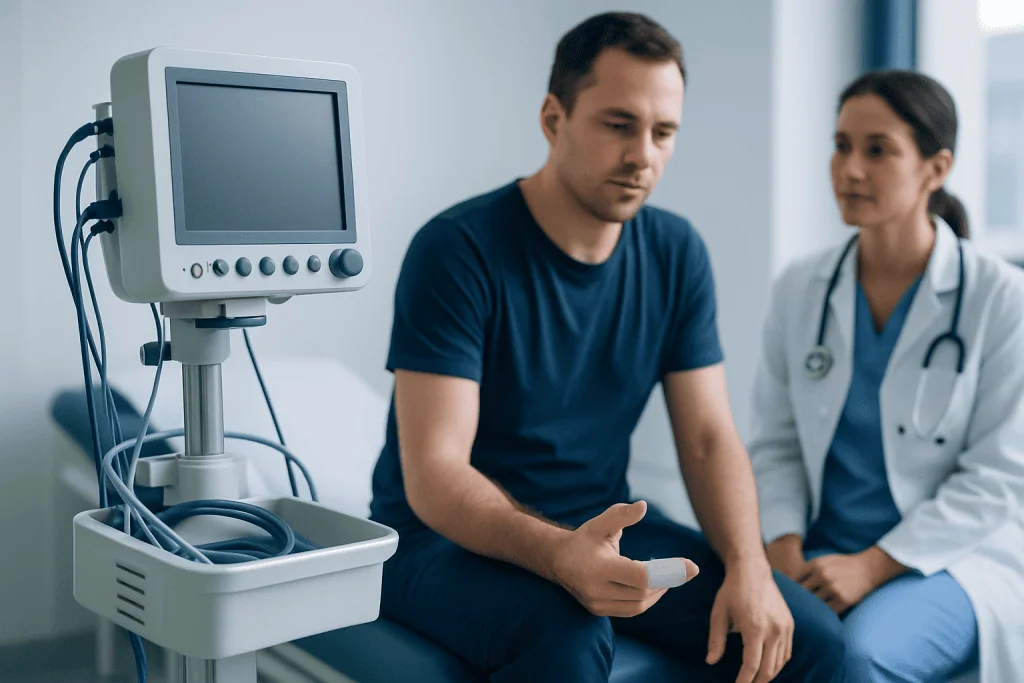
The main symptom of a felon is intense pain in the fingertip pad. People often describe it as throbbing, pounding, or pressure-like. The fingertip may become swollen, red, warm, and very tender to touch. As the infection progresses, the skin can look tight and shiny because fluid and pressure build inside the pulp space.
Some patients notice that the pain feels out of proportion to the visible swelling, especially early on. This happens because the fingertip is divided into small closed compartments, so inflammation has little room to expand. Everyday actions such as typing, buttoning clothes, holding a cup, or touching objects may become difficult.
Additional symptoms can include a visible pocket of pus, decreased range of motion because of pain, or discomfort that extends toward the nail or hand. If the infection becomes more severe, a person may develop fever, chills, spreading redness, or swollen lymph nodes. These signs suggest the infection may be worsening and should be assessed promptly.
- Throbbing fingertip pain
- Swelling of the finger pad
- Redness and warmth
- Tenderness to pressure
- Possible pus collection or drainage
Causes and Risk Factors

A felon usually begins when bacteria enter the fingertip through a break in the skin. Common triggers include needle sticks, splinters, minor cuts, nail biting, finger sucking, hangnails, or trauma from manicures and grooming tools. Staphylococcus aureus is a frequent cause, although other bacteria may also be involved depending on the source of the injury.
Certain activities can increase the risk. People who work with their hands, prepare food, garden, handle tools, or are exposed to repeated minor injuries may be more likely to develop fingertip infections. Dry, cracked skin or ongoing irritation around the fingers also makes it easier for germs to enter.
Medical conditions that affect wound healing or immune response can raise the risk of a more serious infection. These include diabetes, poor circulation, chronic skin disease, and use of medicines that suppress the immune system. People with recurring skin infections or nearby infections such as paronychia may also be more vulnerable.
How Doctors Diagnose a Felon
Doctors usually diagnose a felon through a medical history and physical examination. They ask when the pain began, whether there was a puncture or injury, and whether symptoms have worsened quickly. On examination, the fingertip pad is often tense, swollen, and very tender, sometimes with a visible fluctuant area that suggests pus under the skin.
The goal of diagnosis is not only to confirm the infection but also to identify how deep it may be and whether nearby structures are involved. A clinician may check finger motion, sensation, blood flow, and the condition of the nail fold and skin around the finger. This helps distinguish a felon from paronychia, cellulitis, a herpetic whitlow, or other causes of fingertip pain.
Imaging is not always needed, but it may be recommended if there is concern about a retained foreign body, bone involvement, or spread of infection. In selected cases, doctors may order an MRI scan or another imaging study to look more closely at soft tissue and bone. If drainage is performed, a sample may be sent for culture to guide antibiotic treatment.
Treatment Options
Treatment depends on how early the felon is found and whether an abscess has formed. In very early infection without a clear pocket of pus, doctors may recommend antibiotics, elevation of the hand, warm soaks, pain relief, and close follow-up. The aim is to control infection before pressure builds and more invasive treatment is needed.
If there is an abscess or significant pressure inside the fingertip, drainage is often necessary. This should be done by a qualified clinician using sterile technique, because the fingertip contains important nerves, blood vessels, and tissue partitions. Trying to drain a felon at home can worsen the infection, delay proper treatment, and increase the risk of scarring or injury.
After drainage, wound care is important. The finger may need dressing changes, temporary activity modification, and reassessment to make sure swelling and pain are improving. If deeper spread is suspected, treatment can involve evaluation by specialists in hand surgery or, more broadly, orthopedics and traumatology to preserve function and support recovery.
Most patients improve well with prompt care, but recovery time varies based on the severity of infection, overall health, and whether treatment began early. In some cases, hand therapy exercises or gentle movement may be advised after the acute pain settles to avoid stiffness.
Prevention and Self-care
Prevention focuses on protecting the skin of the hands and treating small injuries promptly. Washing cuts with clean water, using basic first aid, and keeping wounds covered can reduce the chance of infection. Gloves may help during gardening, cleaning, food preparation, or work that exposes the hands to repeated trauma or moisture.
Good nail and skin care also matters. Avoid biting nails, picking at cuticles, or cutting skin around the nail too aggressively. If the hands are often dry or cracked, using a fragrance-free moisturizer can help restore the skin barrier and lower the risk of bacteria entering through tiny openings.
At home, a painful swollen fingertip should not be squeezed, punctured, or cut open. Warm soaks may be soothing in early mild cases, but they are not a substitute for medical evaluation when pain is severe or worsening. People with diabetes, weakened immunity, or poor circulation should be especially cautious and seek advice earlier.
For patients with recurrent infections, a doctor may look for contributing factors such as chronic skin irritation, work exposures, or underlying conditions. Addressing these can reduce repeat episodes and support healthier healing in the future.
Possible Complications
Without prompt treatment, a felon can do more than cause pain. Pressure inside the fingertip can reduce blood flow to local tissue, which may lead to tissue injury or delayed healing. The infection may also spread to surrounding skin, deeper spaces of the finger, the tendon sheath, joint, or bone.
One serious concern is osteomyelitis, which is an infection of the bone. Although not every felon progresses this far, the risk is one reason doctors take persistent or severe fingertip infections seriously. If there is concern about bone or deep soft tissue involvement, further evaluation and imaging may be recommended, similar to the workup used for suspected osteomyelitis.
Other possible problems include scarring, persistent tenderness, fingertip numbness, stiffness from guarding the finger, and reduced function during recovery. These complications are less likely when patients receive early care and follow treatment instructions closely.
When to Seek Medical Care
Medical assessment is important if a fingertip becomes increasingly painful, swollen, red, or warm, especially after a cut, puncture, or splinter. Care should also be sought if there is visible pus, trouble moving the finger because of pain, or symptoms that are getting worse rather than better over a day or two.
Urgent attention is needed if there is fever, spreading redness, severe throbbing pain, red streaks up the hand, numbness, or concern that the infection may be deep. People with diabetes, immune suppression, circulation problems, or significant hand injuries should contact a doctor early, even if the area seems small.
A hand infection can affect comfort, dexterity, and daily activities quickly, so timely evaluation is worthwhile. Near the end of the care pathway, some patients may benefit from multidisciplinary follow-up; Acibadem International’s specialists at JCI-accredited hospitals diagnose and treat hand and soft tissue infections for international patients when advanced evaluation or procedural care is needed.
Frequently asked questions
What is a felon on the finger?
A felon is an infection in the padded tip of a finger or thumb. It usually happens when bacteria enter through a small break in the skin and cause swelling, pain, and sometimes a collection of pus.
Is a felon the same as paronychia?
No. A paronychia affects the skin around the nail, while a felon affects the deeper pulp of the fingertip pad. They can occur separately or together, but they are not the same condition.
Can a felon go away on its own?
A very early mild infection may improve with prompt medical guidance and conservative care, but a true felon often worsens if pressure or pus builds inside the fingertip. Because complications can develop, it is safest to have a clinician assess it rather than waiting too long.
Should a felon be drained at home?
No. A felon should not be squeezed, cut, or punctured at home. Home drainage can push infection deeper, injure nerves or tissue, and make later treatment more difficult.
How is a felon treated?
Treatment may include antibiotics, warm soaks, elevation, pain relief, and close follow-up in early cases. If there is an abscess or marked pressure, a doctor may need to drain the infection under sterile conditions.
How long does it take a felon to heal?
Healing time depends on how severe the infection is and how quickly treatment starts. Many patients improve within days after appropriate treatment, but full healing and tenderness relief can take longer, especially if drainage was needed.
When is a felon an emergency?
A felon needs urgent assessment if there is severe throbbing pain, rapidly increasing swelling, fever, spreading redness, numbness, or difficulty moving the finger. People with diabetes or weakened immune systems should seek care earlier because infections may become serious more quickly.
References
- American Academy of Orthopaedic Surgeons
- American Society for Surgery of the Hand
- Merck Manual Professional Edition
- Mayo Clinic
- MedlinePlus
This article is for general information only and is not a substitute for professional medical advice. Please consult a qualified doctor about your individual situation.
Explore treatments in Turkey — costs, top hospitals & a free quote
JCI-accredited · board-certified surgeons · reply within 24h