Bursting of Blood Vessels: A Complete Medical Overview
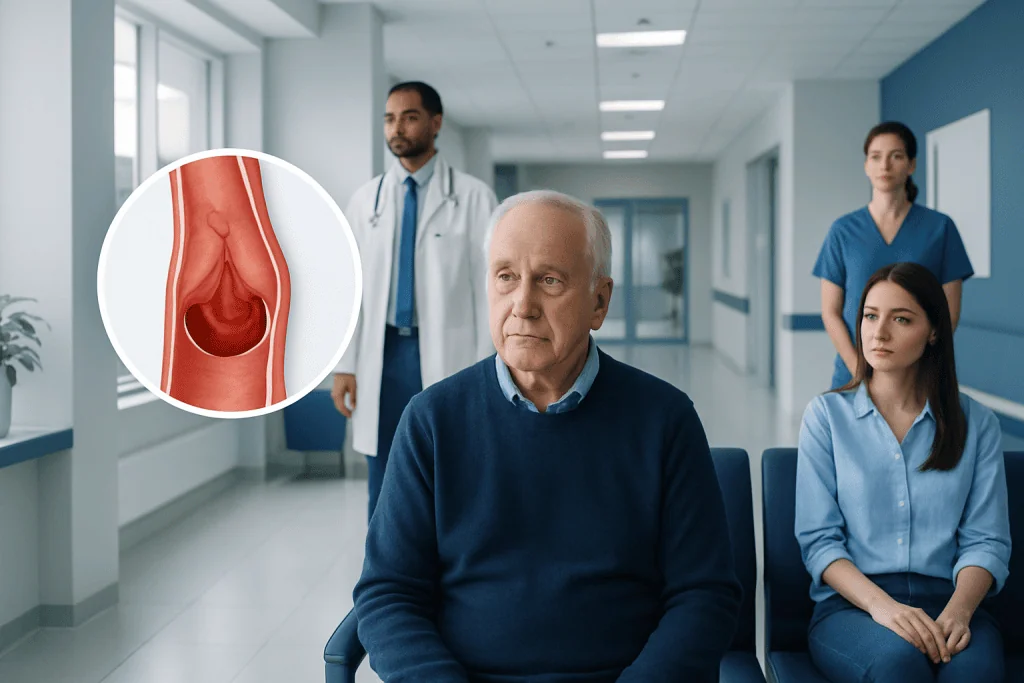
Most small broken blood vessels are harmless and heal on their own within days to weeks. Common triggers include coughing, vomiting, straining, minor injury, sun damage, aging skin, and high blood pressure.
Key Takeaways
- Most small broken blood vessels are harmless and heal on their own within days to weeks.
- Common triggers include coughing, vomiting, straining, minor injury, sun damage, aging skin, and high blood pressure.
- Repeated or unexplained episodes can be linked to medications, bleeding disorders, liver disease, diabetes, or vitamin deficiencies.
- A doctor may recommend blood pressure checks, blood tests, and imaging depending on the location and severity of bleeding.
- Urgent care is needed for sudden vision loss, severe headache, chest symptoms, large unexplained bruises, or heavy bleeding.
Bursting of blood vessels usually refers to tiny blood vessels, called capillaries, breaking under the skin, in the eye, or on mucous membranes and causing a red spot, bruise, or small area of bleeding. In many cases this is minor and temporary, but recurrent episodes, unexplained bruising, severe pain, or bleeding in sensitive areas can point to an underlying medical issue that needs evaluation.
Overview: What Bursting of Blood Vessels Means
The phrase bursting of blood vessels is commonly used to describe small blood vessels breaking and leaking a little blood into nearby tissue. This may appear as a bruise under the skin, tiny red or purple dots called petechiae, a larger purple patch called purpura, or a bright red patch in the white of the eye known as a subconjunctival hemorrhage. Although the word “bursting” sounds dramatic, many of these events involve very small vessels and are not dangerous.
Blood vessels can break for simple reasons such as rubbing the skin, coughing hard, lifting something heavy, vomiting, or sustaining a minor injury. Fragile vessels are also more common with aging, sun-damaged skin, and certain medicines that affect clotting. In these situations, the body usually reabsorbs the leaked blood naturally, and the mark fades over time.
Still, not all broken blood vessels should be ignored. If they happen often, appear without a clear cause, or come with symptoms such as dizziness, severe pain, swelling, shortness of breath, vision changes, or unusual bleeding from the gums or nose, a medical assessment is important. The location also matters: a small bruise on the arm is very different from bleeding inside the eye, brain, lungs, or digestive tract.
Common Signs and Where They Can Appear
The symptoms of broken blood vessels depend on where they occur. Under the skin, they may show up as a blue, purple, red, or yellowing bruise. Tiny pinpoint spots may suggest capillary bleeding, while larger areas can develop after trauma or after using medicines that increase bleeding risk. Some people also notice fine thread-like vessels on the face or legs, often called spider veins or telangiectasias.
In the eye, a broken vessel typically causes a sharply outlined red patch on the white part of the eye. This often looks striking but is usually painless and does not affect vision. By contrast, eye redness with pain, light sensitivity, discharge, or blurred vision is not typical of a simple broken surface vessel and should be evaluated promptly. Persistent eye symptoms may need specialist review, especially when there is concern about glaucoma or other eye conditions.
Broken blood vessels can also occur in the nose, lips, mouth, or after repeated coughing. People should pay attention to associated warning signs, including:
- Frequent nosebleeds or gum bleeding
- Bruising without injury
- Blood in urine, stool, vomit, or sputum
- Swelling, warmth, or severe tenderness near the area
- Headache, weakness, confusion, or fainting
These patterns can help a doctor decide whether the problem is local and minor or part of a broader issue affecting clotting, blood vessels, or internal organs.
Causes and Risk Factors

Many episodes of bursting of blood vessels happen because of increased pressure inside small vessels. A forceful sneeze, repeated coughing, vomiting, constipation with straining, intense exercise, or lifting heavy objects can all temporarily raise pressure and cause fragile capillaries to break. Direct trauma, friction, cosmetic procedures, and sun exposure can also contribute, especially on delicate facial skin.
Age is another important factor. As skin becomes thinner and connective tissues weaken, blood vessels lose some support and can break more easily. Long-term use of corticosteroids, whether taken by mouth or applied to the skin, may add to this fragility. Some people also inherit naturally delicate vessels or conditions that affect collagen and vascular strength.
Medical conditions can increase the likelihood of bleeding. These include high blood pressure, diabetes, liver disease, platelet disorders, clotting disorders, vasculitis, and some infections. Medicines such as aspirin, anticoagulants, antiplatelet drugs, and certain supplements may make bruising or small bleeds more noticeable. When frequent bruising appears without an obvious cause, doctors may consider blood-related problems, including bleeding disorders such as hemophilia, depending on the history and test results.
Sometimes what looks like broken blood vessels is actually a different issue, such as a rash, inflamed veins, skin allergy, or deeper vascular problem. If leg swelling, visible enlarged veins, aching, or skin color changes are present, a clinician may also look for venous disease and discuss treatments used for circulation problems, including varicose veins treatment when appropriate.
How Doctors Diagnose the Cause
Diagnosis starts with a careful medical history and physical examination. A doctor usually asks when the marks appeared, whether there was an injury, whether they are painful, how often they recur, and what medicines or supplements the person takes. They may also ask about family history, menstrual bleeding, recent illnesses, alcohol use, and symptoms such as fatigue, fever, weight loss, or joint pain.
The physical exam often focuses on the skin, eyes, blood pressure, and signs of systemic disease. The doctor may note the size and pattern of bruising, whether there are tiny pinpoint spots or larger patches, and whether the lesions blanch when pressed. Eye findings, mouth ulcers, swollen joints, or enlarged lymph nodes can provide clues about inflammation, infection, or blood disorders.
Testing is not always needed for a single minor bruise or simple subconjunctival hemorrhage. However, recurrent or unexplained episodes may lead to blood tests such as a complete blood count, platelet count, clotting studies, liver function tests, kidney function tests, and blood sugar testing. If there is concern about deeper bleeding, vein disease, or organ involvement, doctors may request ultrasound, CT, MRI, or referral to a specialist such as a hematologist, dermatologist, ophthalmologist, or vascular specialist. In selected cases, treatment pathways may overlap with broader vascular care such as vascular surgery or evaluation in cardiology services when blood pressure or circulation plays a major role.
Treatment Options and What Recovery Looks Like
Treatment depends entirely on the cause and location. For a simple bruise or small broken capillary, the main approach is usually time and observation. The body gradually clears the leaked blood, and the color changes as healing progresses. If there has been a recent minor injury, rest, gentle elevation, and a cold compress during the first day may help reduce swelling and discomfort.
Subconjunctival hemorrhage often needs no specific treatment and commonly resolves on its own within one to two weeks. Artificial tears may soothe irritation if the eye feels dry, but pain, reduced vision, or repeated eye bleeds should not be self-treated. Those symptoms may need prompt examination to exclude trauma, infection, elevated pressure inside the eye, or another diagnosis.
If an underlying condition is found, treatment focuses on that cause. This may include adjusting blood-thinning medicines under medical supervision, improving blood pressure control, treating diabetes, replacing nutritional deficiencies, or investigating a bleeding disorder. Some visible superficial vessels on the face or legs can be managed with dermatologic or vascular procedures when they are persistent or cosmetically bothersome, but these are elective decisions best made after a diagnosis is clear.
Recovery is usually straightforward for minor cases. It can take several days for tiny capillary spots to fade and a few weeks for larger bruises. Repeated trauma to the same area, continued straining, or uncontrolled blood pressure can slow healing or lead to recurrence, so addressing triggers is an important part of treatment.
Prevention and Self-Care
Prevention starts with reducing avoidable strain on fragile blood vessels. Good hydration, a fiber-rich diet, and regular physical activity may help lower the need for straining with constipation. Managing allergies or chronic cough, lifting with proper technique, and wearing protective gear during exercise or manual work can also reduce episodes related to pressure or injury.
Skin care matters, especially for older adults. Daily sun protection, gentle cleansing, and avoiding harsh rubbing may help protect delicate capillaries on the face and arms. People who bruise easily should review all prescription medicines, over-the-counter pain relievers, and supplements with a healthcare professional rather than stopping any medication on their own. This is particularly important for those using anticoagulants or aspirin for heart or stroke prevention.
General health habits can lower risk as well. Blood pressure control, diabetes management, limiting alcohol, and eating a balanced diet with adequate vitamin C and vitamin K support normal vessel and clotting function. Self-care is appropriate only for mild, clearly explained episodes. If the pattern changes, spreads, or begins happening more often, professional advice is the safest next step.
When to Seek Medical Care
Medical care is recommended if broken blood vessels happen often, appear without an injury, or are accompanied by frequent nosebleeds, bleeding gums, very heavy menstrual bleeding, or unusual fatigue. A clinician should also assess widespread bruising, rapidly enlarging bruises, or red-purple spots that do not blanch and are associated with fever or illness. These findings can sometimes point to infection, inflammation, platelet problems, or medication effects.
Urgent medical attention is needed when bleeding involves a sensitive area or serious symptoms. Examples include sudden vision loss, severe eye pain, chest pain, shortness of breath, coughing up blood, a severe headache unlike usual headaches, weakness on one side, confusion, fainting, or blood in stool or vomit. These symptoms are not typical of a harmless broken capillary and should be evaluated immediately.
For international patients who need assessment, Acibadem International’s multidisciplinary specialists and JCI-accredited hospitals diagnose and treat vascular, eye, and blood-related conditions using coordinated care. The most appropriate specialist may vary from case to case, so a qualified doctor can guide whether symptoms need observation, tests, or targeted treatment.
Frequently asked questions
Is bursting of blood vessels dangerous?
Often it is not dangerous, especially when it involves a small broken capillary under the skin or a painless red patch in the white of the eye. However, it should be evaluated if it happens repeatedly, appears without a clear reason, or comes with pain, heavy bleeding, weakness, or vision changes.
What causes blood vessels to burst in the eye?
A small eye vessel can break after coughing, sneezing, vomiting, rubbing the eye, lifting, or sometimes for no obvious reason. High blood pressure, blood thinners, or minor trauma can also contribute. If there is pain or blurred vision, it may not be a simple surface bleed and should be checked promptly.
Why do I get broken blood vessels on my skin easily?
Common reasons include aging skin, sun damage, minor trauma, corticosteroid use, and medicines that affect clotting. In some cases, easy bruising can be linked to vitamin deficiencies, liver disease, platelet problems, or other bleeding disorders. A doctor can help determine whether testing is needed.
How long does a broken blood vessel take to heal?
Small broken vessels often improve within a few days to two weeks, depending on their size and location. Larger bruises can take several weeks to fade completely. Healing may be slower if the area is reinjured or if an underlying medical issue is present.
Can high blood pressure cause bursting of blood vessels?
Yes, uncontrolled high blood pressure can make blood vessels more likely to break, especially delicate vessels in the eye or nose. It may not be the only cause, but it is an important factor to check and treat. Blood pressure control supports overall vessel health.
Should I worry about unexplained bruising or red spots?
Unexplained bruising or new red-purple spots deserve attention, especially if they appear often or are associated with bleeding elsewhere, fever, or fatigue. They may be harmless, but they can also signal medication effects or problems with platelets, clotting, or inflammation. A medical evaluation is the best way to clarify the cause.
This article is for general information only and is not a substitute for professional medical advice. Please consult a qualified doctor about your individual situation.
Explore treatments in Turkey — costs, top hospitals & a free quote
JCI-accredited · board-certified surgeons · reply within 24h
Add us as a Preferred Source to see more of our trusted health content across Google Search, AI Overviews and Discover.
Check your numbers in seconds
BMI, calories, due date, blood pressure and 30+ more clinical calculators — free, instant, doctor-reviewed ranges.

More from the Health Library

Dantrolene: What Patients Need to Know

2 Menstruation in 1 Month — Explained by Medical Evidence, Not Myths

Keto Drinks: A Complete Medical Overview

Tilapia: What Patients Need to Know

Pulmonary Contusion: What Patients Need to Know