Thoracic Duct: What Patients Need to Know

The thoracic duct is the largest lymphatic vessel and helps return fluid, proteins, and fats to the blood. Problems involving the thoracic duct may happen after surgery, injury, cancer, infection, or congenital lymphatic disorders.
Key Takeaways
- The thoracic duct is the largest lymphatic vessel and helps return fluid, proteins, and fats to the blood.
- Problems involving the thoracic duct may happen after surgery, injury, cancer, infection, or congenital lymphatic disorders.
- Symptoms depend on where the problem occurs and may include chest fluid, swelling, breathing difficulty, or leakage from a surgical site.
- Diagnosis may involve imaging, fluid testing, and specialist evaluation of the lymphatic system.
- Treatment ranges from diet changes and drainage to minimally invasive procedures or surgery, depending on the cause.
Medically reviewed by the Acıbadem International Medical Board — July 24, 2026
The thoracic duct is the body’s main lymphatic vessel. It returns lymph and absorbed dietary fats to the bloodstream, and when it is blocked, injured, or malformed, it can lead to problems such as chyle leak, swelling, or fluid around the lungs.
Overview: what the thoracic duct does
The thoracic duct is the main channel of the lymphatic system. In simple terms, it collects lymphatic fluid from much of the body and returns it to the bloodstream near the base of the neck. It also carries fats absorbed from the intestines after meals. For patients, this matters because the thoracic duct plays a quiet but essential role in fluid balance, immune function, and nutrition.
Unlike arteries and veins, lymphatic vessels are not usually discussed unless something goes wrong. When the thoracic duct is injured, blocked, compressed, or develops abnormally, lymph-rich fluid called chyle can leak or build up. This may lead to swelling, nutritional losses, or fluid accumulation in the chest or abdomen.
The thoracic duct begins in the abdomen, usually from a sac-like area called the cisterna chyli, then travels upward through the chest and empties into a large vein on the left side of the neck. Its exact path can vary from person to person. That normal variation is one reason thoracic duct problems can sometimes be difficult to diagnose and treat.
Most people will never feel their thoracic duct working, but understanding its purpose helps explain why conditions affecting it can involve the lungs, digestive system, immune system, and circulation all at once.
How the lymphatic system and thoracic duct work together
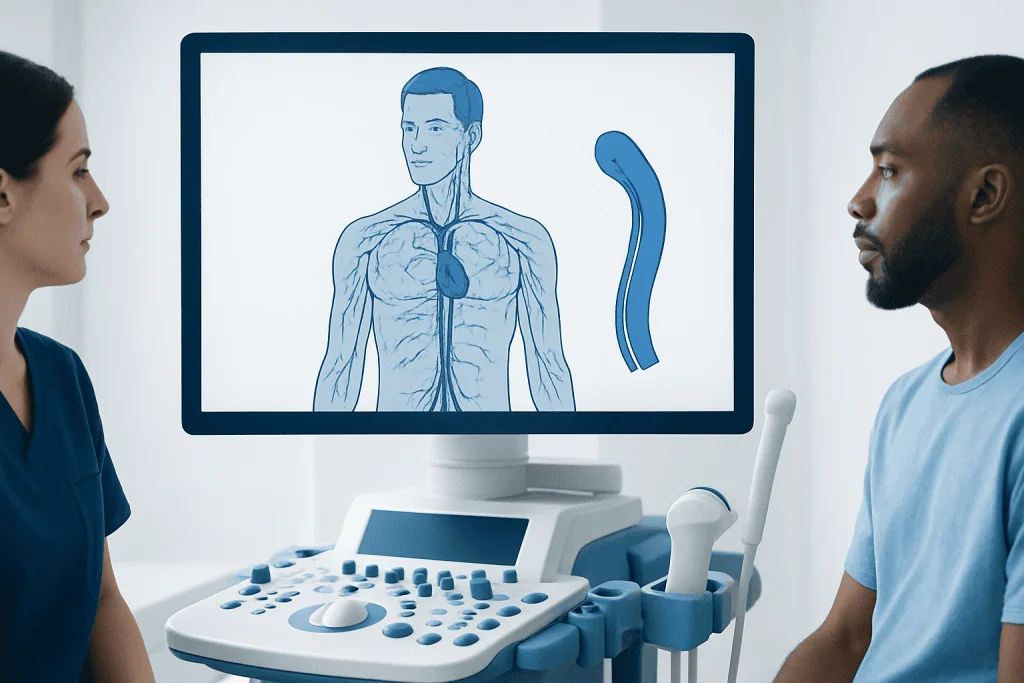
The lymphatic system is a network of small vessels, lymph nodes, and organs that helps maintain fluid balance and supports immunity. Every day, a small amount of fluid leaves the bloodstream and enters body tissues. Much of that fluid is then collected by lymphatic vessels and returned to the circulation. The thoracic duct is the largest pathway in this return system.
Another important job of the thoracic duct is transporting dietary fat. After digestion, certain fats are packaged in the intestines and absorbed into lymphatic vessels rather than directly into blood vessels. This milky fluid, known as chyle, travels upward through the thoracic duct and eventually enters the bloodstream.
Because it carries fluid, proteins, immune cells, and fats, the thoracic duct has a broad influence on health. If its flow is interrupted, the body may lose nutrients and fluid into spaces where they should not collect. This is why a thoracic duct problem may cause symptoms that seem unrelated at first, such as fatigue, swelling, shortness of breath, or poor recovery after surgery.
Thoracic duct conditions are distinct from common blood vessel diseases, but they can overlap with chest and vascular problems in their symptoms and management. In some cases, doctors may also evaluate other causes of swelling or chest fluid, including deep vein thrombosis or heart and lung conditions.
Symptoms and possible complications

Symptoms of a thoracic duct problem depend on the location and cause. A leak in the chest may lead to a collection of chyle around the lungs, called chylothorax. This can cause shortness of breath, chest discomfort, cough, or a feeling of pressure in the chest. If the leak is large, symptoms may worsen gradually over days or appear more quickly after surgery or trauma.
If lymphatic fluid accumulates in the abdomen, it can cause bloating, abdominal fullness, or discomfort. Some people develop swelling of the neck, arm, or lower body if lymph flow is obstructed. A persistent milky or cloudy fluid draining from a wound or chest tube may also suggest a chyle leak.
Complications mainly relate to loss of fluid and nutrients. Ongoing leakage can contribute to dehydration, low protein levels, weight loss, fatigue, and reduced immune defenses. In children and medically fragile adults, these effects may develop more quickly and need close medical attention.
Symptoms to be aware of may include:
- Shortness of breath or rapid breathing
- Chest heaviness or discomfort
- Swelling in the neck, limbs, or abdomen
- Unexplained weight loss or weakness
- Cloudy, milky drainage after surgery
- Persistent cough or difficulty lying flat
Causes and risk factors
Thoracic duct problems can occur for several reasons. One of the most recognized causes is injury during surgery, especially procedures involving the chest, neck, esophagus, heart, lungs, or major blood vessels. Because the thoracic duct can follow slightly different paths in different people, it may be vulnerable even during carefully planned operations.
Trauma is another cause. Blunt chest injury or penetrating injury can disrupt the duct and lead to chyle leakage. Less commonly, the duct may be compressed or blocked by tumors, enlarged lymph nodes, scarring, or infection. Some patients have congenital lymphatic abnormalities present from birth, though these may not be discovered until later in life.
Cancer can also affect thoracic duct flow, especially lymphomas and cancers involving the chest or mediastinum. In those cases, the duct may become obstructed or infiltrated. Doctors may investigate nearby conditions when symptoms suggest a broader chest problem, including lung cancer or other diseases affecting lymph nodes and thoracic structures.
Risk is often higher in people who have recently had chest or neck surgery, major trauma, or known lymphatic disease. Patients being treated for cancers of the chest may also be monitored for complications involving the thoracic duct.
How thoracic duct problems are diagnosed
Diagnosis begins with a medical history and physical examination. Doctors ask about recent surgery, trauma, cancer, breathing symptoms, swelling, and any visible drainage. If there is fluid around the lungs or in the abdomen, a sample may be tested to see whether it has the characteristics of chyle.
Imaging often plays a key role. A chest X-ray may show fluid around the lungs, while ultrasound or CT scans can help identify collections or possible causes such as masses or enlarged lymph nodes. More specialized imaging of the lymphatic system may be used when the source of the leak or blockage is unclear.
In selected cases, doctors may recommend lymphangiography or other interventional imaging techniques to map lymph flow and locate the exact site of a leak. These studies can be especially helpful because they may guide treatment at the same time. For some patients, advanced interventional radiology procedures are part of both diagnosis and management.
Diagnosis is not only about confirming a thoracic duct problem; it is also about identifying the underlying cause. That step helps determine whether treatment should focus on healing a postoperative leak, relieving an obstruction, treating cancer, or managing a broader lymphatic disorder.
Treatment options
Treatment depends on the cause, location, and severity of the problem. Small leaks may improve with supportive care and close monitoring. Doctors often recommend measures that reduce chyle flow, such as temporary nutrition changes. In some cases, patients may need a special low-fat diet that relies on medium-chain triglycerides, or temporary alternative nutritional support if oral intake needs to be limited.
If fluid has collected around the lungs or elsewhere, drainage may be necessary to relieve symptoms and protect breathing. This may involve a needle procedure, a drain, or management in the hospital. The goal is not only to remove fluid but also to understand how quickly it is reaccumulating and whether the leak is likely to seal on its own.
When conservative treatment is not enough, minimally invasive procedures may be considered. These can include thoracic duct embolization or related techniques performed by specialists using image guidance. For selected patients, thoracic surgery may be needed to repair or ligate the duct, particularly after persistent postoperative leaks or when a structural cause requires correction.
If the thoracic duct problem is related to another disease, treatment also targets that condition. For example, care may include cancer treatment, infection management, or treatment of associated lymphatic swelling such as lymphedema. In complex cases, multidisciplinary teams are often helpful because thoracic duct disorders can involve chest surgeons, interventional radiologists, pulmonologists, oncologists, and nutrition specialists.
Prevention, recovery, and self-care
There is no single way to prevent all thoracic duct problems, because many are related to surgery, trauma, or underlying disease. However, careful surgical planning, detailed imaging when needed, and prompt attention to postoperative symptoms can reduce complications and support earlier treatment.
For patients recovering from a known thoracic duct leak, following the care plan closely is important. This may include dietary guidance, drain care, fluid monitoring, follow-up imaging, and watching for symptoms such as increasing breathlessness or swelling. Nutrition is especially important, since chyle loss can affect energy, proteins, vitamins, and immune function.
Self-care should stay practical and medically guided. Patients should avoid making major diet changes on their own without professional advice, especially after hospitalization. It can help to keep a record of symptoms, drainage amount if a drain is in place, body weight, and any new breathing or swelling concerns.
At the end of recovery, some people need only short-term follow-up, while others with recurrent or complex lymphatic conditions may need longer specialist care. Acibadem International’s multidisciplinary specialists and JCI-accredited hospitals diagnose and treat thoracic duct and lymphatic disorders for international patients, including minimally invasive options such as embolization when appropriate.
When to seek medical care
Medical evaluation is important if symptoms suggest a thoracic duct problem, especially after recent surgery or chest injury. Patients should contact a doctor promptly if they develop unexplained shortness of breath, increasing chest discomfort, swelling, abdominal distension, or persistent milky drainage from a wound or tube site.
Urgent care is needed for severe breathing difficulty, rapidly worsening swelling, fainting, bluish lips, or signs of serious illness such as confusion or inability to keep fluids down. These symptoms can reflect a significant fluid collection or another condition that needs prompt treatment.
Even milder symptoms deserve attention if they persist. Thoracic duct problems are uncommon, but early assessment can help prevent nutritional, respiratory, and immune complications. A qualified doctor can decide whether simple observation, imaging, drainage, or referral to a specialist team is the safest next step.
Frequently asked questions
What is the thoracic duct in simple terms?
The thoracic duct is the largest vessel in the lymphatic system. It carries lymph fluid and absorbed fats from much of the body back into the bloodstream near the left side of the neck.
Can a thoracic duct problem be serious?
Yes, it can be serious if it leads to large fluid leaks, breathing problems, or loss of nutrients and proteins. Many cases are treatable, but prompt medical assessment is important when symptoms appear.
What is a chyle leak?
A chyle leak happens when lymphatic fluid rich in fats escapes from the thoracic duct or related lymphatic vessels. It may collect in the chest or abdomen or drain from a surgical site, often appearing milky or cloudy.
How do doctors know if fluid is coming from the thoracic duct?
Doctors usually combine symptoms, imaging, and fluid testing. If fluid is drained, the laboratory can look for features that suggest chyle, while scans help locate the leak or identify a blockage.
Can thoracic duct leaks heal without surgery?
Some smaller leaks can improve with supportive treatment, drainage, and nutrition changes that reduce lymph flow. If the leak continues or is large, minimally invasive procedures or surgery may be needed.
Is the thoracic duct related to cancer?
It can be. Some cancers, especially those involving lymph nodes or structures in the chest, may block or invade the thoracic duct and interfere with lymph flow.
References
- National Cancer Institute
- National Heart, Lung, and Blood Institute
- MedlinePlus
- Merck Manual Professional Edition
- Society of Interventional Radiology
This article is for general information only and is not a substitute for professional medical advice. Please consult a qualified doctor about your individual situation.
Explore treatments in Turkey — costs, top hospitals & a free quote
JCI-accredited · board-certified surgeons · reply within 24h