Radiation Therapist: A Complete Medical Overview
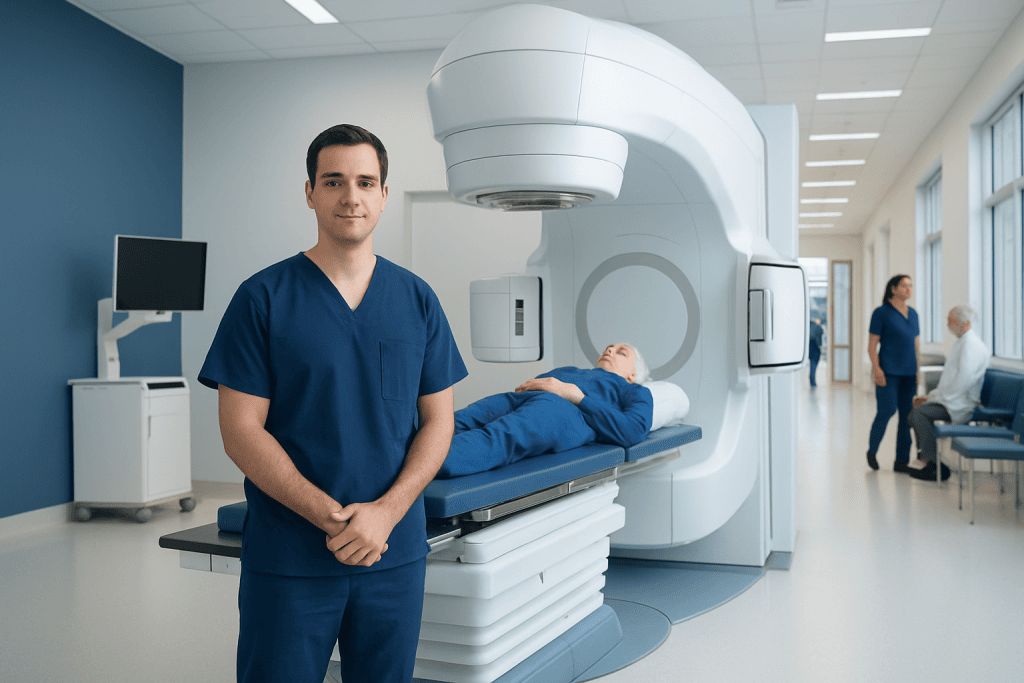
A radiation therapist delivers radiation treatments and helps position patients accurately for each session. They work under the direction of a radiation oncologist and alongside other specialists in radiation oncology.
Key Takeaways
- A radiation therapist delivers radiation treatments and helps position patients accurately for each session.
- They work under the direction of a radiation oncologist and alongside other specialists in radiation oncology.
- Their role includes patient education, treatment-room safety, equipment checks, and careful documentation.
- Radiation therapists do not usually diagnose cancer or prescribe treatment, but they play a central role in carrying out the treatment plan.
- Patients can ask the radiation therapist about the daily treatment process, side effects, comfort measures, and practical concerns.
A radiation therapist is a trained healthcare professional who delivers radiation treatment as prescribed by a radiation oncologist and helps keep each session safe, accurate, and supportive for the patient. They are a key part of the cancer care team, working with doctors, medical physicists, dosimetrists, and nurses throughout treatment.
Overview: What Is a Radiation Therapist?
A radiation therapist is a licensed or certified healthcare professional who gives radiation treatment to people with cancer and, less commonly, certain noncancerous conditions. Their main job is to deliver each treatment exactly as prescribed by the radiation oncologist while protecting patient comfort and safety. They are often the team member patients see most frequently during a course of radiation therapy.
Radiation therapy uses carefully targeted high-energy beams to damage or destroy abnormal cells. Because this treatment must be delivered with great precision, the radiation therapist follows detailed plans, checks patient identity and setup, and uses advanced equipment to make sure the radiation is aimed correctly. This role combines technical skill, attention to detail, and direct patient care.
The radiation therapist is part of a wider radiation oncology team. That team commonly includes a radiation oncologist, oncology nurses, medical physicists, and dosimetrists. Together, they plan treatment, verify safety, monitor side effects, and adjust care as needed. In many centers, radiation therapy is one part of broader cancer care that may also include surgery, medicines, and supportive services.
What a Radiation Therapist Does Day to Day
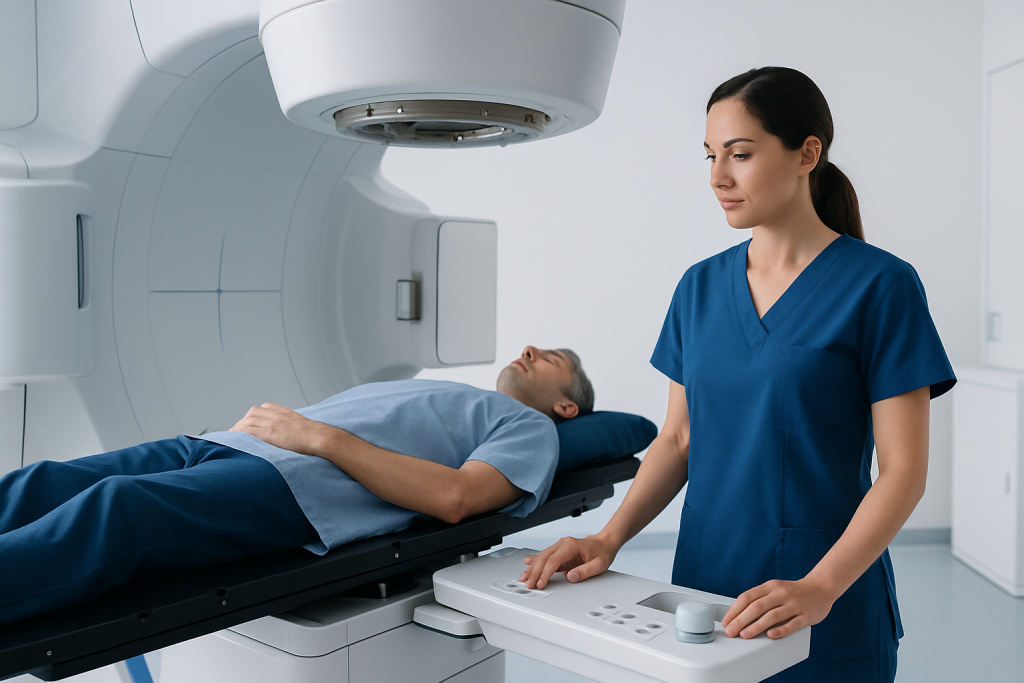
The daily work of a radiation therapist begins before the machine is switched on for treatment. They review the prescribed treatment plan, confirm patient information, help position the patient, and align the body using marks, molds, masks, or imaging guidance. This setup is important because even small differences in position can affect where radiation is delivered.
During the session, the therapist operates treatment equipment, such as a linear accelerator, from a nearby control area. They monitor the patient through cameras and intercom systems and can pause treatment if needed. The treatment itself is painless, although remaining still in a fixed position may feel tiring or uncomfortable for some people.
Radiation therapists also provide practical support. They explain what will happen during treatment, answer routine questions, and encourage patients to report side effects such as skin changes, fatigue, or swallowing discomfort. They document each session and alert the radiation oncologist or nurse if anything changes.
- Prepare and verify the treatment plan for the day
- Position the patient accurately using immobilization devices
- Use imaging to confirm alignment before treatment
- Operate radiation equipment safely
- Observe the patient and report concerns to the team
- Record treatment details and follow safety protocols
How Radiation Therapists Fit Into the Cancer Care Team

Patients often hear several professional titles during cancer treatment, and it can be helpful to know the difference. A radiation oncologist is the doctor who decides whether radiation is appropriate, prescribes it, and oversees the treatment plan. A dosimetrist helps design how the radiation dose will be distributed, and a medical physicist checks the accuracy and safety of the plan and equipment. The radiation therapist then carries out the daily treatment plan.
This teamwork matters because radiation therapy is highly individualized. For example, a person receiving radiation therapy for breast, prostate, brain, or head and neck cancer may need a different body position, treatment schedule, and monitoring approach. The therapist helps translate that personalized plan into safe, repeatable daily care.
Radiation therapists also support continuity. Since patients often come for treatment five days a week over several weeks, therapists may be the first to notice changes in symptoms, weight, mobility, or emotional stress. They do not replace medical review, but they help connect the patient to the right team member at the right time.
Training, Skills, and Safety Standards
Radiation therapists typically complete formal education in radiation therapy and then meet local licensing, certification, or registration requirements. Their training covers anatomy, radiation physics, patient positioning, imaging, treatment planning principles, infection control, and emergency procedures. Because the field uses sophisticated technology, continuing education is usually an important part of the profession.
Technical knowledge is only one part of the role. Radiation therapists also need strong communication skills, empathy, and calm under pressure. Many patients feel anxious before starting treatment, especially when they see large machines or hear unfamiliar terms. A clear explanation from the therapist can make the process feel more manageable.
Safety standards are central to radiation oncology. Therapists follow strict protocols to confirm patient identity, treatment site, and machine settings before each session. They work within systems designed to limit errors, maintain equipment quality, and reduce unnecessary radiation exposure. Treatments are planned so radiation is targeted to the intended area as carefully as possible, sometimes using advanced approaches such as intensity-modulated radiation therapy when appropriate.
What Patients Can Expect During Radiation Treatment
For many patients, the first appointment is a planning session rather than treatment. This may include a simulation scan, positioning aids, and tiny reference marks to help reproduce the same setup each day. The radiation therapist explains how to lie on the treatment table, what the machine may sound like, and why stillness matters. This preparation helps make later sessions more efficient and accurate.
On treatment days, appointments are usually brief, although setup may take longer than the actual radiation delivery. The therapist helps the patient into position, leaves the room while the machine is on, and watches from the control area. The patient is not radioactive after standard external-beam treatment and can usually be around other people as normal unless told otherwise for a specific type of therapy.
Side effects depend on the area treated, total dose, and individual factors. Common effects can include tiredness, mild skin irritation, or site-specific symptoms such as sore throat, bowel changes, or urinary discomfort. The radiation therapist can encourage practical self-care and direct the patient to the doctor or nurse if side effects become more troublesome. In some cases, patients may receive specialized methods such as stereotactic radiosurgery or other highly focused treatments that involve slightly different preparation and follow-up.
Questions Patients Can Ask a Radiation Therapist
Patients do not need to know all the technical details of radiation treatment, but asking questions can reduce uncertainty and improve confidence. The radiation therapist is often the best person to explain the daily routine, positioning, timing, and what sensations to expect during treatment. They can also explain who to contact if a problem arises between visits.
Helpful questions may include what clothing to wear, whether eating and drinking habits should change before treatment, how to care for the skin in the treated area, and what symptoms should be reported promptly. Patients can also ask about masks, molds, breathing instructions, imaging before treatment, and what will happen if they need to cough, move, or stop during a session.
- How long will each appointment take?
- Will the treatment cause pain or make the body radioactive?
- What side effects are common for the area being treated?
- How should the skin be cared for during treatment?
- Who should be contacted after hours if symptoms worsen?
- What happens if a treatment session is missed?
If treatment is part of a broader plan for a tumor, the therapist can also help patients understand how radiation fits around imaging, doctor visits, or other therapies, while leaving treatment decisions and medical interpretation to the physician.
When to Seek Medical Care
Most side effects during radiation therapy are manageable, but some symptoms should be discussed promptly with the care team. Patients should contact their doctor, nurse, or radiation department if they develop worsening pain, fever, severe skin reactions, difficulty eating or drinking, shortness of breath, new confusion, persistent vomiting, or symptoms that interfere with daily activities.
Medical advice is also important if there is sudden swelling, heavy bleeding, signs of dehydration, or any new symptom that feels unusual or severe. Early communication can help the team adjust supportive care, check for treatment-related problems, and decide whether urgent assessment is needed.
For people seeking coordinated cancer services, Acibadem International’s multidisciplinary specialists in JCI-accredited hospitals diagnose and treat international patients across many areas of oncology, including oncology care and radiation-based treatment planning.
Frequently asked questions
Is a radiation therapist the same as a radiation oncologist?
No. A radiation oncologist is the doctor who evaluates the patient, prescribes radiation, and supervises treatment. A radiation therapist is the trained professional who delivers the treatment and helps ensure it is given accurately and safely.
Does a radiation therapist diagnose cancer?
Radiation therapists do not usually diagnose cancer. Diagnosis and treatment decisions are made by doctors and other specialists using imaging, pathology, and clinical evaluation. The therapist’s role is focused on treatment delivery and patient support during radiation sessions.
Will radiation treatment hurt while the therapist gives it?
External radiation treatment is usually painless while it is being delivered. Some patients may feel uncomfortable from lying still or from the positioning devices used to keep the body in the correct place. Side effects, if they occur, usually develop gradually over time rather than during the actual session.
How often will a patient see the radiation therapist?
Most patients receiving external-beam radiation see a radiation therapist at each treatment visit. Since treatment often happens on multiple days each week, the therapist may become one of the most familiar members of the care team. This regular contact helps with monitoring comfort, routine questions, and treatment consistency.
Can patients talk to the radiation therapist about side effects?
Yes. Radiation therapists can listen to concerns, explain common side effects, and alert the nurse or doctor when symptoms need medical review. They are an important point of contact, but they do not replace physician advice for significant or worsening symptoms.
What qualities make a good radiation therapist?
A good radiation therapist combines technical accuracy with clear communication and compassion. The role requires careful attention to safety, consistency in daily treatment setup, and the ability to help patients feel informed and supported. Teamwork is also essential because radiation care depends on close coordination with other specialists.
This article is for general information only and is not a substitute for professional medical advice. Please consult a qualified doctor about your individual situation.
Oncology care in Turkey — second opinion and treatment plan
JCI-accredited · board-certified surgeons · reply within 24h
Add us as a Preferred Source to see more of our trusted health content across Google Search, AI Overviews and Discover.

More from the Health Library

Coenzyme Q10: An Evidence-Based Guide for Patients

Skin Graft — Explained by Medical Evidence, Not Myths

Antibacterial Body Wash: What Patients Need to Know

Cucumber on Eyes: A Complete Medical Overview

Azoospermia: An Evidence-Based Guide for Patients