Power Nap: An Evidence-Based Guide for Patients

A power nap is usually most effective when it lasts 10 to 30 minutes. Short naps can improve alertness, concentration, and reaction time.
Key Takeaways
- A power nap is usually most effective when it lasts 10 to 30 minutes.
- Short naps can improve alertness, concentration, and reaction time.
- Napping too long or too late in the day may lead to grogginess or interfere with nighttime sleep.
- Regular excessive sleepiness, despite adequate rest, should be discussed with a doctor.
- Power naps are a support strategy, not a replacement for consistent nighttime sleep.
Medically reviewed by the Acıbadem International Medical Board — July 24, 2026
A power nap is a brief daytime nap, usually 10 to 30 minutes, used to restore alertness, attention, and mental performance. When timed well, it can be a helpful self-care tool, but frequent or poorly timed naps may also point to an underlying sleep problem.
What Is a Power Nap?
A power nap is a short planned period of daytime sleep that aims to improve alertness and mental performance without leaving a person feeling heavy, confused, or overly sleepy afterward. In most cases, a power nap lasts about 10 to 30 minutes. This length is often enough to provide a quick recovery in energy while reducing the chance of entering deeper stages of sleep that can cause post-nap grogginess.
People often use the term casually, but from a health perspective, the value of a power nap depends on timing, duration, and the reason the person feels tired. A well-timed nap can support attention, mood, and reaction time, especially after a short night of sleep or during a natural afternoon dip in alertness. However, a nap is not the same as treating the cause of ongoing fatigue.
It is also important to distinguish an occasional power nap from chronic daytime sleepiness. A short nap after travel, a demanding workday, or temporary sleep loss can be normal. By contrast, a person who needs naps most days, struggles to stay awake in quiet situations, or snores heavily at night may benefit from medical evaluation for a sleep disorder such as sleep apnea.
How a Power Nap Can Help
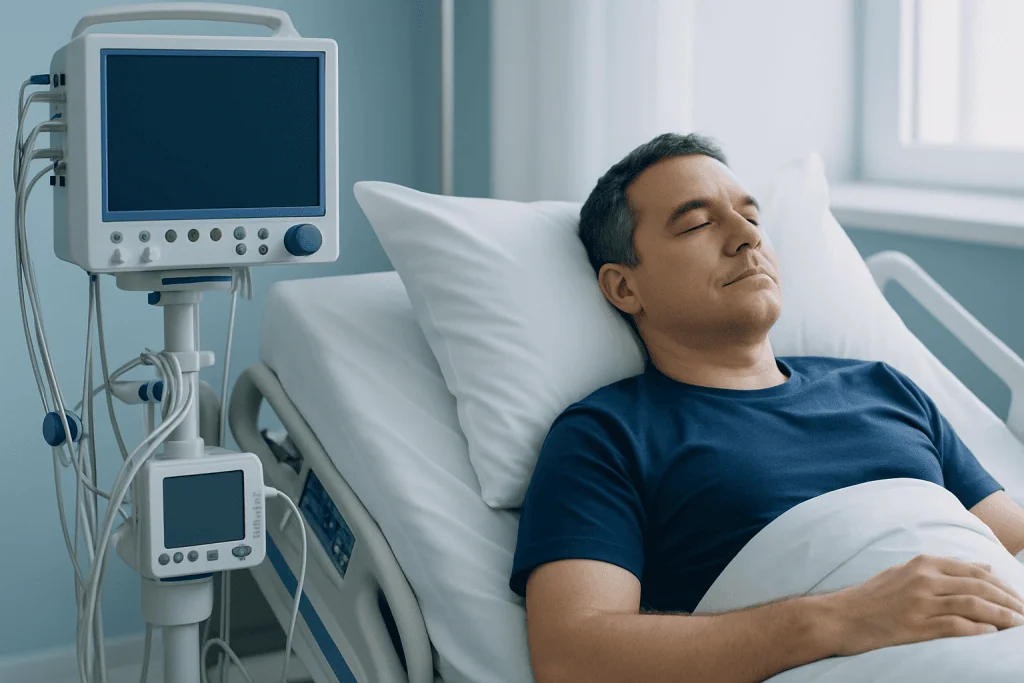
Short naps can offer meaningful benefits when used appropriately. Many people notice improved concentration, clearer thinking, better mood, and a temporary increase in energy. For students, office workers, shift workers, and travelers, a brief nap may support performance during periods of reduced alertness.
Research on napping suggests that a short nap may improve attention, learning, memory processing, and reaction time. This can be especially useful when a person is sleep restricted or facing a mentally demanding task. A power nap may also reduce the feeling of mental overload and help someone return to activities with more focus.
These benefits have limits. A power nap does not fully reverse the effects of significant sleep deprivation, and it should not be seen as a substitute for regularly getting enough sleep at night. If sleepiness affects driving, work safety, or daily functioning, the underlying sleep pattern deserves closer attention.
- May improve alertness and focus
- Can support short-term memory and learning
- May improve mood and reduce mental fatigue
- Can be helpful after temporary sleep loss or jet lag
Best Timing and Ideal Nap Length

For most adults, the best power nap lasts around 10 to 20 minutes, although some people do well with up to 30 minutes. This shorter window helps the body avoid deeper sleep stages that are more likely to cause sleep inertia, a temporary state of grogginess and slowed thinking after waking.
Timing matters almost as much as length. A power nap is often most helpful in the early to mid-afternoon, when many people experience a natural decrease in alertness. Napping too late in the day, especially in the evening, can make it harder to fall asleep at bedtime and may disturb the regular sleep-wake cycle.
Longer naps are not always harmful, but they serve a different purpose. A nap lasting 60 to 90 minutes may include deeper sleep and REM sleep, which can support memory and recovery in some situations. However, for someone seeking a quick refresh during the day, shorter naps are usually more practical and less likely to affect nighttime sleep.
- 10 to 20 minutes: often the classic power nap
- Up to 30 minutes: still short, but more likely to cause mild grogginess in some people
- After mid-afternoon: may interfere with nighttime sleep for sensitive sleepers
When Napping May Be Less Helpful
A power nap is not right for every person or every situation. Some people wake from naps feeling more disoriented than refreshed, especially if they nap too long or are already carrying significant sleep debt. Others find that any daytime sleep makes it harder to fall asleep at night. In these cases, improving nighttime sleep habits may be more helpful than adding a nap.
Napping can also hide signs of a sleep disorder. If a person sleeps what seems to be a reasonable number of hours at night but still feels a strong need to nap often, the issue may not simply be lifestyle fatigue. Problems such as insomnia, circadian rhythm disruption, heavy snoring, restless sleep, medication side effects, depression, or a primary sleep condition like narcolepsy can contribute to daytime sleepiness.
Children, older adults, shift workers, and people with chronic illness may have different sleep needs, so napping should be considered in context. For someone with repeated nighttime awakenings, unrefreshing sleep, or suspected breathing pauses during sleep, medical assessment may be more useful than relying on daytime naps to cope.
How to Take a Better Power Nap
A good power nap is usually planned rather than accidental. Choosing a quiet, comfortable space with limited noise and light can make it easier to fall asleep quickly. Some people set an alarm for 20 minutes before lying down, which helps keep the nap short and lowers the chance of waking from deeper sleep.
Simple habits can improve the quality of a daytime nap. These include avoiding a very long nap, keeping the room comfortably cool, and allowing a few minutes after waking to fully regain alertness before driving or returning to demanding tasks. If a person routinely wakes confused or with a headache, the nap pattern may need adjusting.
For those with ongoing sleep concerns, a nap should fit into a broader sleep health plan. Sleep specialists may recommend reviewing bedtime habits, work schedules, snoring, and sleep quality. In selected cases, evaluation with a sleep study or guidance through sleep disorder treatment may help identify why a person depends heavily on naps.
- Keep naps brief, usually 10 to 30 minutes
- Nap earlier in the day rather than late afternoon or evening
- Use a quiet, dim environment when possible
- Set an alarm to avoid oversleeping
- Do not rely on naps to manage persistent severe sleepiness
Power Nap vs. Sleep Debt: What Naps Cannot Replace
One of the most common misunderstandings about a power nap is that it can make up for too little sleep night after night. A short nap can improve how a person feels temporarily, but it cannot fully restore all the physical and cognitive functions affected by chronic sleep deprivation. Long-term poor sleep is linked with reduced concentration, irritability, lower productivity, and broader health effects.
Healthy sleep still depends on regular habits such as a consistent sleep schedule, limiting caffeine late in the day, reducing screen exposure close to bedtime, and creating a sleep-friendly bedroom environment. If these basics are missing, naps may offer only partial relief. In some cases, they may even delay recognition that nighttime sleep quality is poor.
For people with loud snoring, witnessed pauses in breathing, morning headaches, or persistent unrefreshing sleep, a doctor may assess for conditions that disrupt sleep architecture. Evaluation may include a clinical review or sleep apnea treatment when appropriate. The goal is not to discourage naps, but to place them in the right role: helpful support, not a replacement for healthy sleep.
When to Seek Medical Care
A short daytime nap is usually not a cause for concern, especially after temporary sleep loss or a demanding schedule. Medical advice is more important when sleepiness is frequent, hard to control, or out of proportion to the amount of sleep a person gets at night. Ongoing daytime fatigue can affect work, mood, memory, and safety.
A person should consider speaking with a doctor if they need naps almost every day, doze off unintentionally, struggle to stay awake while reading or watching television, or feel sleepy while driving. It is also wise to seek care if naps no longer help, or if nighttime sleep is disturbed by snoring, choking, repeated awakenings, or unusual movements.
Warning signs can include sudden sleep attacks, confusion after waking, or daytime sleepiness together with chest symptoms, severe headaches, depression, or medication changes. Multidisciplinary specialists at Acibadem International, in JCI-accredited hospitals, evaluate sleep-related symptoms for international patients and can help determine whether simple sleep habits or a more formal assessment is needed.
Frequently asked questions
How long should a power nap be?
For most adults, a power nap is usually about 10 to 20 minutes. Some people may still do well with up to 30 minutes, but longer naps are more likely to cause grogginess or affect nighttime sleep.
What is the best time of day for a power nap?
A power nap is often most helpful in the early to mid-afternoon, when many people naturally feel less alert. Napping too late in the day may make it harder to fall asleep at night.
Can a power nap replace a full night of sleep?
No. A power nap can improve alertness for a short time, but it does not replace the restorative effects of regular, sufficient nighttime sleep. If a person regularly depends on naps to function, the underlying sleep pattern should be reviewed.
Why do some people feel worse after a nap?
This may happen if the nap is too long and the person wakes from a deeper stage of sleep. This temporary grogginess is sometimes called sleep inertia and is more common after longer or irregular naps.
Is it normal to need a nap every day?
Some people nap by habit or culture and still have healthy sleep overall. However, needing daily naps because of strong daytime sleepiness may suggest poor sleep quality, insufficient sleep, medication effects, or a sleep disorder.
Can a power nap help with headaches or stress?
A short nap may help some people feel mentally calmer or less fatigued, which can indirectly ease stress. However, headaches and ongoing stress have many causes, so repeated symptoms should not be managed with naps alone.
References
- American Academy of Sleep Medicine
- Centers for Disease Control and Prevention
- National Heart, Lung, and Blood Institute
- National Institute of Neurological Disorders and Stroke
- Sleep Foundation
This article is for general information only and is not a substitute for professional medical advice. Please consult a qualified doctor about your individual situation.
Explore treatments in Turkey — costs, top hospitals & a free quote
JCI-accredited · board-certified surgeons · reply within 24h