Blood Transmitted: What Patients Need to Know

Blood transmitted infections spread through contact with infected blood, not through hugging, sharing meals, or routine social contact. Common examples include hepatitis B, hepatitis C, and HIV.
Key Takeaways
- Blood transmitted infections spread through contact with infected blood, not through hugging, sharing meals, or routine social contact.
- Common examples include hepatitis B, hepatitis C, and HIV.
- Risk depends on the type of exposure, the amount of blood involved, and whether prompt medical care is received.
- Testing after a possible exposure is important because symptoms may be absent at first.
- Vaccination, safer injection practices, and screened blood products greatly reduce risk.
Blood transmitted infections are illnesses that spread when infected blood enters another person’s bloodstream or mucous membranes. Patients should know that these infections are usually preventable, are not spread by everyday casual contact, and can often be diagnosed and managed effectively.
Overview: what “blood transmitted” means
Blood transmitted refers to infections that can spread when blood from an infected person enters another person’s body. This can happen through a needlestick injury, sharing injection equipment, contact with an open wound, childbirth, or—much less commonly today—through unscreened blood products. It does not mean that all contact with a person’s blood leads to infection, and it does not mean these illnesses spread through normal daily interactions.
The best-known blood transmitted infections are hepatitis B, hepatitis C, and HIV. These viruses differ in how easily they spread, how they affect the body, and how they are treated. Some are preventable with vaccination, some can be cured, and others can be controlled very effectively with modern care.
For patients, the key point is practical: a blood exposure should be taken seriously, but not with panic. Quick first aid, timely medical assessment, and appropriate testing can clarify risk and guide next steps. Many people who worry about a possible blood exposure ultimately do not become infected.
How blood transmitted infections spread
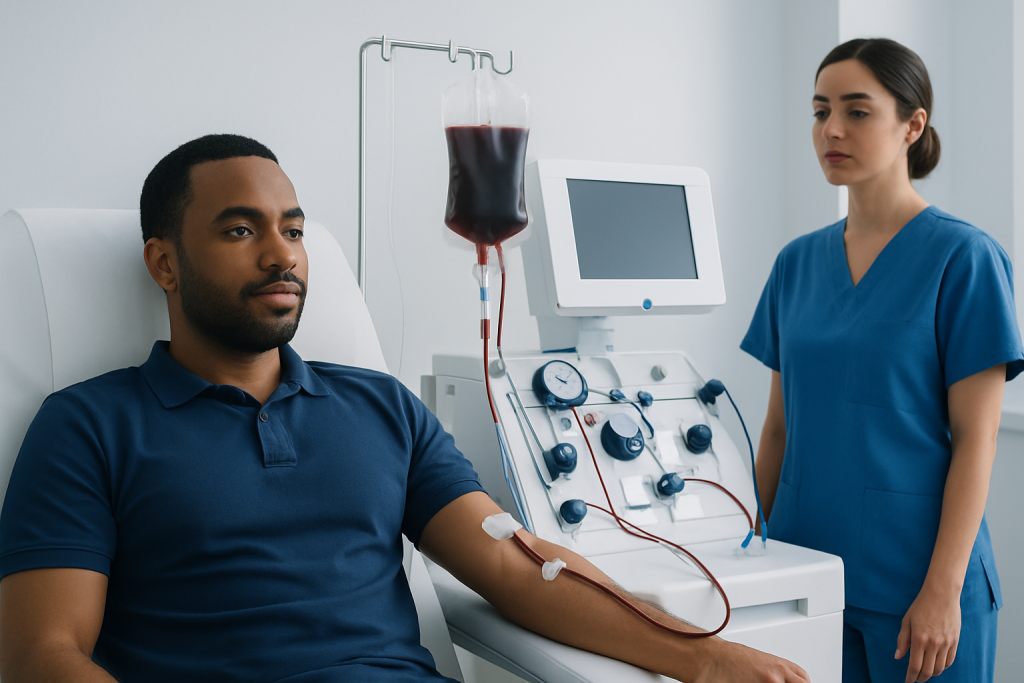
Blood transmitted infections spread when infected blood reaches the bloodstream or certain sensitive tissues such as the eyes, mouth, or broken skin. The most common routes include sharing needles or syringes, accidental needlestick injuries, unsterile tattoo or piercing equipment, and from parent to baby during pregnancy or birth. Sexual transmission can also occur for some infections, especially hepatitis B and HIV, because blood may be present along with other body fluids.
In healthcare settings, strict precautions are used to prevent exposure. Donated blood is screened carefully in many countries, so the risk from transfusion is now very low where modern testing standards are in place. However, access to safe equipment and screening varies globally, which is why travel history and the location of prior medical procedures can matter.
It is equally important to understand how these infections do not spread. They are not spread by hugging, shaking hands, coughing, sneezing, sharing toilets, or eating food prepared by an infected person. This helps reduce unnecessary fear and stigma.
- Higher-risk exposures: needlestick injury, shared injection equipment, direct blood-to-blood contact
- Possible exposure: blood splash to eyes, mouth, or broken skin
- Low or no risk in most situations: intact skin contact, dried blood on a surface, casual contact
Common infections linked to blood exposure

Several infections can be blood transmitted, but three are discussed most often because they are the most clinically important worldwide: hepatitis B, hepatitis C, and HIV. Hepatitis B is a viral infection that affects the liver and may cause either short-term illness or chronic disease. A major advantage in prevention is that safe and effective vaccination is available. Patients wanting to understand liver-related blood borne disease may also read about hepatitis B.
Hepatitis C also affects the liver. Many people have no symptoms for years, which is why testing matters after a possible exposure. Unlike hepatitis B, there is no vaccine for hepatitis C, but modern antiviral treatment can cure many patients. Related liver conditions such as hepatitis C may be found during screening after an exposure or abnormal blood tests.
HIV attacks the immune system if it is not treated. It can also be transmitted through sexual contact and from parent to child. Although HIV is not currently cured in routine practice, early diagnosis and treatment can control the virus, protect health, and greatly reduce transmission risk. Less common blood transmitted infections may include certain tropical or healthcare-associated pathogens, depending on the setting.
Symptoms and why many people have none at first
One reason blood transmitted infections cause confusion is that they may not produce immediate symptoms. A person can feel entirely well after an exposure and still need testing. When symptoms do occur, they vary depending on the infection and the stage of illness.
Early symptoms can be mild and nonspecific, such as tiredness, fever, muscle aches, nausea, swollen lymph nodes, rash, or loss of appetite. Liver infections may later cause dark urine, yellowing of the skin or eyes, abdominal discomfort, or abnormal liver blood tests. HIV can cause a flu-like illness soon after infection, but many people then remain symptom-free for a long period.
Because symptoms overlap with many ordinary illnesses, diagnosis cannot be based on symptoms alone. Patients should not assume that feeling well means there is no infection, and they should not assume that fatigue or fever proves one either. Testing at the right time is the most reliable way to know.
Diagnosis after a possible exposure
Doctors assess blood transmitted risk by asking what happened, when it happened, what body fluids were involved, and whether the exposed skin was intact or broken. They may also ask about vaccination status, prior infections, medications, pregnancy, and immune conditions. This first assessment helps determine whether urgent treatment, vaccination, or follow-up testing is needed.
Testing usually includes blood tests for hepatitis B, hepatitis C, and HIV, though timing matters. Some tests look directly for the virus, while others look for antibodies or antigens that appear after a certain window period. Because results can change over time, repeat testing may be recommended even if the first test is negative.
In some situations, doctors may also evaluate liver function or other organ effects. If an exposure is linked to a needlestick or a workplace incident, occupational health protocols are often followed. When expert evaluation is needed, assessment may involve check-up and diagnostic services to coordinate testing and follow-up clearly.
Treatment options and follow-up care
Treatment depends on the infection and whether the visit happens immediately after exposure or later after a diagnosis is confirmed. After certain recent exposures, post-exposure management may reduce risk. For example, hepatitis B vaccination and, in some cases, immune globulin may be used for unprotected individuals. For HIV, post-exposure prophylaxis may be considered urgently if the exposure is significant and recent.
If testing confirms infection, treatment plans differ. Hepatitis C can often be treated with antiviral medicines that clear the virus. Hepatitis B may require monitoring or antiviral treatment depending on whether the infection is acute or chronic and how the liver is affected. HIV is treated with antiretroviral therapy to control the virus and protect the immune system.
Follow-up care may include repeat blood tests, liver monitoring, counseling on preventing transmission, and vaccination for household contacts when appropriate. Depending on the diagnosis, patients may benefit from infectious diseases care and, for liver-related infections, gastroenterology evaluation. Near the end of the care pathway, some patients choose multidisciplinary assessment at Acibadem International, where specialists in JCI-accredited hospitals diagnose and treat international patients with blood transmitted infections.
Prevention and self-care
Prevention focuses on avoiding contact with infected blood and using proven protective measures. Vaccination against hepatitis B is one of the most effective tools. Using only sterile needles and medical equipment, avoiding the sharing of razors or injection equipment, and choosing reputable facilities for tattoos, piercings, and medical procedures also lower risk.
For healthcare workers and caregivers, gloves, sharps safety, and proper cleaning procedures are essential. If a blood exposure happens, immediate first aid is helpful: wash needlestick or skin exposure with soap and water, and flush eyes or mouth with plenty of water. Harsh scrubbing or squeezing a wound is generally not recommended.
Self-care after an exposure should also include timely medical advice rather than waiting for symptoms. Patients may be told to avoid donating blood until testing is complete and, depending on the situation, to take temporary precautions to reduce any possible transmission to others. Calm, prompt action is more useful than self-diagnosis.
When to seek medical care
Medical care should be sought promptly after a possible blood exposure, especially after a needlestick injury, shared needle use, contact of blood with the eyes or mouth, or blood contact with broken skin. The sooner an exposure is assessed, the more options there may be for prevention, urgent testing, or early treatment.
A doctor should also be consulted if there are symptoms such as jaundice, persistent fatigue, unexplained fever, dark urine, abdominal pain, swollen lymph nodes, or a known exposure to someone with hepatitis or HIV. People who are pregnant, immunocompromised, or unsure of their hepatitis B vaccination status should seek advice without delay.
Even if no symptoms are present, testing is important after a meaningful exposure because several blood transmitted infections can be silent at first. When in doubt, a qualified clinician can help assess the real level of risk and arrange the right follow-up plan.
Frequently asked questions
What does blood transmitted mean?
Blood transmitted means an infection can spread when infected blood enters another person’s body through the bloodstream, broken skin, or mucous membranes. It does not refer to casual contact such as touching, hugging, or sharing food.
Which diseases are most commonly blood transmitted?
The most commonly discussed blood transmitted infections are hepatitis B, hepatitis C, and HIV. These conditions differ in prevention and treatment, so proper testing is needed to know which infection, if any, is involved.
Can someone get a blood transmitted infection from dried blood?
The risk from dried blood on a surface is generally much lower than from fresh blood involved in a direct exposure. Actual risk depends on the organism, the environment, and whether blood entered broken skin, the eyes, the mouth, or the bloodstream.
Should a person be tested even if there are no symptoms?
Yes. Many blood transmitted infections cause no symptoms in the early stage, and some remain silent for a long time. Testing after a meaningful exposure is the safest way to clarify whether infection has occurred.
Is there a vaccine for blood transmitted infections?
There is a vaccine for hepatitis B, which is a major cause of blood borne liver infection. There is no routine vaccine for hepatitis C or HIV, so prevention for those infections relies on avoiding exposure and, in some cases, using post-exposure treatment.
What should be done immediately after contact with someone else’s blood?
Wash exposed skin with soap and water, and flush the eyes or mouth with water if blood entered those areas. Then seek medical advice promptly, especially if the exposure involved a needle, broken skin, or a visible amount of blood.
References
- World Health Organization
- Centers for Disease Control and Prevention
- European Centre for Disease Prevention and Control
- National Institutes of Health
- American Association for the Study of Liver Diseases
This article is for general information only and is not a substitute for professional medical advice. Please consult a qualified doctor about your individual situation.
Explore treatments in Turkey — costs, top hospitals & a free quote
JCI-accredited · board-certified surgeons · reply within 24h