Human Papillomavirus Infection Treatments: Early Signs, Risk Factors, and How It Is Treated

HPV is common, and many infections go away without causing long-term problems. There is no single medicine that eliminates HPV itself; treatment targets warts or abnormal cells.
Key Takeaways
- HPV is common, and many infections go away without causing long-term problems.
- There is no single medicine that eliminates HPV itself; treatment targets warts or abnormal cells.
- Regular screening helps detect cervical cell changes before they become more serious.
- Vaccination, safer sex practices, and not smoking can help lower HPV-related risks.
- Medical evaluation is important for persistent warts, abnormal bleeding, or abnormal screening results.
Human papillomavirus infection treatments depend on what HPV is causing. Many HPV infections clear naturally, while treatment focuses on visible warts, abnormal cell changes, and preventing complications through screening, follow-up, and targeted procedures when needed.
Overview: what human papillomavirus infection treatments involve
Human papillomavirus infection treatments are designed to manage the effects of HPV rather than instantly remove the virus from the body. In many people, the immune system clears HPV naturally over time. When treatment is needed, it usually focuses on problems caused by HPV, such as genital warts or abnormal cell changes found during screening.
HPV is a group of related viruses. Some types are considered low risk and may cause skin or genital warts. Others are high risk because they can lead to cell changes that may raise the chance of cancers of the cervix, anus, penis, vulva, vagina, or throat if not identified and monitored appropriately.
This is why care often combines observation, screening, and treatment when necessary. A clinician may recommend repeat testing, removal of visible warts, or procedures to treat abnormal tissue. The best plan depends on the HPV type involved, the location of infection, symptoms, age, pregnancy status, and test results.
Early signs and symptoms of HPV infection
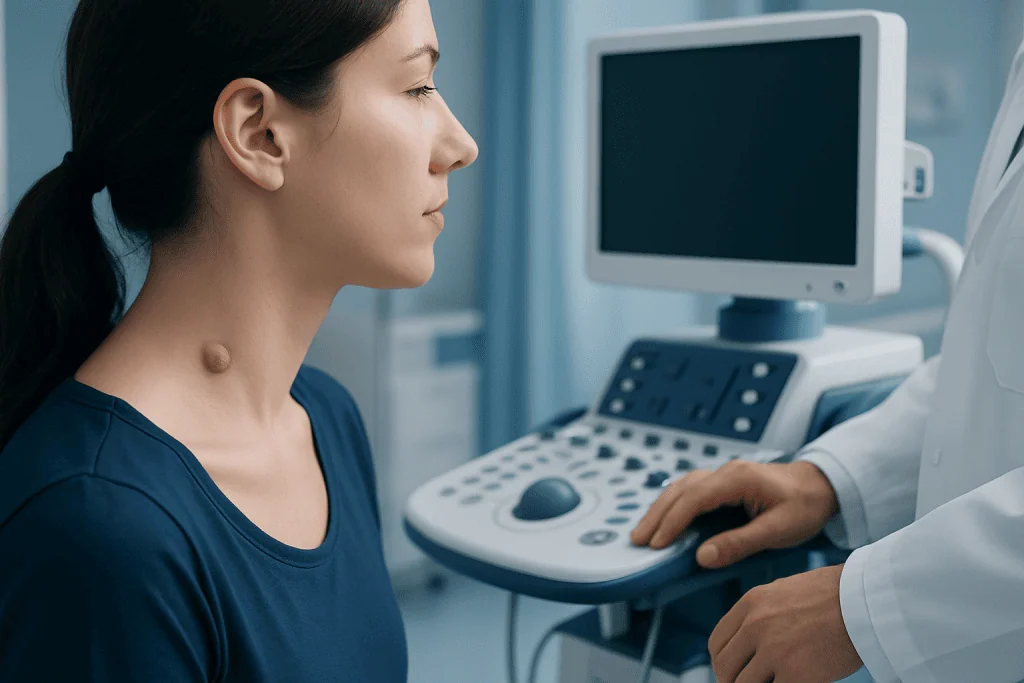
HPV often causes no symptoms at all, especially in the early stages. Many people only learn they have HPV after an abnormal screening test, such as a cervical HPV test or Pap test. This is one reason routine preventive care remains so important even when a person feels well.
When symptoms do appear, they depend on the HPV type and the body area involved. Genital warts may appear as small bumps, flat lesions, or clusters with a cauliflower-like surface. They may be flesh-colored, pink, or slightly darker than the surrounding skin and can affect the vulva, vagina, cervix, penis, scrotum, anus, or nearby skin.
Some people notice itching, irritation, discomfort, or minor bleeding if warts are rubbed or injured. High-risk HPV types usually do not cause visible warts, but they can lead to abnormal cell changes over time. Because these changes may not be felt or seen, screening is the safest way to detect them early.
- Often no symptoms
- Genital or anal warts
- Itching or local irritation
- Abnormal cervical screening results
- Less commonly, persistent throat symptoms or other site-specific concerns that need medical review
Causes and risk factors

HPV spreads mainly through intimate skin-to-skin contact, including vaginal, anal, or oral sex. Because the virus is very common, exposure can happen even when a partner has no symptoms. Condoms reduce risk but do not fully prevent transmission because HPV can affect nearby skin that is not covered.
Several factors can increase the likelihood of acquiring HPV or developing complications from it. These include having multiple sexual partners, starting sexual activity at a younger age, a weakened immune system, smoking, and not receiving the HPV vaccine. Persistent infection with a high-risk HPV type is the main concern because it can increase the chance of precancerous changes over time.
Not every HPV infection behaves the same way. A person may clear one infection and later be exposed to another type. In some cases, HPV-related changes overlap with other conditions, so doctors may consider related concerns such as cervical cancer when evaluating abnormal screening results or persistent lesions.
How HPV is diagnosed and monitored
Diagnosis begins with a medical history and physical examination. If genital warts are present, a doctor can often recognize them by appearance. In some cases, magnification, special solutions, or biopsy may be used to confirm the diagnosis or rule out another skin condition.
For cervical HPV, screening plays a central role. Depending on age and clinical guidelines, a clinician may recommend a Pap test, an HPV test, or both. The Pap test looks for abnormal cervical cells, while the HPV test checks for high-risk virus types that may increase cancer risk.
If screening shows abnormal results, further evaluation may include colposcopy, which allows the cervix to be examined more closely, and biopsy if needed. If symptoms involve the throat, anus, or other areas, the doctor may recommend additional specialist assessment. When HPV-related changes need more detailed investigation, care may also involve colposcopy or imaging and pathology review to guide the next step.
Treatment options for HPV infection and its complications
There is no single treatment that directly clears every HPV infection from the body. Instead, treatment targets the visible or abnormal changes caused by the virus. If there are no symptoms and no concerning cell changes, the safest option may be watchful follow-up because many infections resolve on their own.
Genital warts can be treated with prescription topical medicines or removed in a clinic setting. Common medical approaches include freezing the wart, cauterizing it, or removing it surgically when appropriate. These methods treat the wart tissue, but they do not guarantee that HPV has fully left the surrounding skin, so recurrence can happen.
When HPV causes abnormal cervical cells, management depends on how severe the changes are. Mild changes may only need repeat testing after a period of time. More significant changes may require procedures that remove or destroy abnormal tissue, such as LEEP or cone biopsy, especially when precancerous lesions are suspected or confirmed.
If cancer is diagnosed, treatment is no longer aimed at HPV alone but at the specific cancer type and stage. In that situation, a multidisciplinary team may discuss options that can include surgery, radiation therapy, or chemotherapy. The right plan is individualized and based on pathology findings, imaging, overall health, and personal goals.
Prevention and self-care after diagnosis
Prevention is an important part of HPV care because it can reduce the risk of new infections and lower the chance of HPV-related complications. HPV vaccination is one of the most effective preventive tools. It protects against several HPV types linked to genital warts and certain cancers, and it is most effective when given before exposure, although some adults may still benefit based on medical advice.
Routine screening remains essential, especially for cervical health. Keeping scheduled follow-up appointments helps detect cell changes early, when they are easier to monitor or treat. Avoiding tobacco is also important, since smoking is associated with persistent HPV infection and a higher risk of abnormal cell changes.
Self-care also includes reducing irritation of affected skin, following treatment instructions carefully, and avoiding self-treatment with over-the-counter wart products not intended for genital use. Open, calm communication with sexual partners and a qualified clinician can support safe decision-making and reduce uncertainty.
- Discuss HPV vaccination with a healthcare professional
- Attend recommended Pap and HPV screening visits
- Use condoms consistently, understanding they lower but do not eliminate risk
- Avoid smoking and secondhand smoke exposure when possible
- Follow aftercare instructions after wart treatment or cervical procedures
When to seek medical care
A person should seek medical care if they notice new genital, anal, or oral growths; unexplained itching or irritation; pain during sex; or bleeding after sex. Medical review is also important for abnormal vaginal bleeding, unusual discharge, or persistent throat symptoms such as hoarseness or difficulty swallowing that do not improve.
Anyone with an abnormal Pap or HPV test should follow the recommended next steps, even if they feel completely well. Delaying follow-up can allow abnormal cells to progress unnoticed. Pregnant individuals, people with weakened immune systems, and those with a history of persistent HPV may need closer monitoring.
Near the end of the care pathway, some patients may benefit from specialist review in gynecology, dermatology, urology, ENT, or oncology depending on the affected area. Acibadem International’s multidisciplinary specialists and JCI-accredited hospitals diagnose and treat HPV-related conditions for international patients, with care plans tailored to the person’s symptoms, test results, and overall health.
Frequently asked questions
Can HPV be cured completely?
There is no single medicine that instantly removes HPV from the body. In many people, the immune system clears the infection naturally over time. Treatment is used to manage warts, abnormal cells, or other complications caused by the virus.
Do all HPV infections need treatment?
No. Many HPV infections cause no symptoms and go away on their own. Treatment is usually recommended only when HPV leads to visible warts, abnormal screening results, or tissue changes that need monitoring or removal.
What are the early signs of HPV in women and men?
Often there are no early signs at all. When symptoms occur, they may include genital or anal warts, itching, or irritation. High-risk HPV types usually do not cause visible symptoms, which is why screening is so important.
Can HPV come back after treatment?
Yes. Warts or abnormal cell changes can recur after treatment, especially in the first months after therapy. This does not always mean a new exposure has occurred, but it does mean follow-up with a clinician is important.
Does the HPV vaccine help if someone already has HPV?
The vaccine does not treat an existing HPV infection. However, it may still help protect against other HPV types a person has not yet encountered. A healthcare professional can advise whether vaccination is still appropriate.
When should someone be worried about HPV?
HPV should be medically assessed if there are persistent warts, abnormal bleeding, unusual discharge, or an abnormal Pap or HPV test. Most infections are manageable, especially when monitored early. Prompt follow-up helps reduce the risk of complications.
References
- World Health Organization
- Centers for Disease Control and Prevention
- National Cancer Institute
- American College of Obstetricians and Gynecologists
- American Cancer Society
This article is for general information only and is not a substitute for professional medical advice. Please consult a qualified doctor about your individual situation.
Explore treatments in Turkey — costs, top hospitals & a free quote
JCI-accredited · board-certified surgeons · reply within 24h