How to Clean Stainless Steel Water Bottle? A Doctor-Reviewed Answer
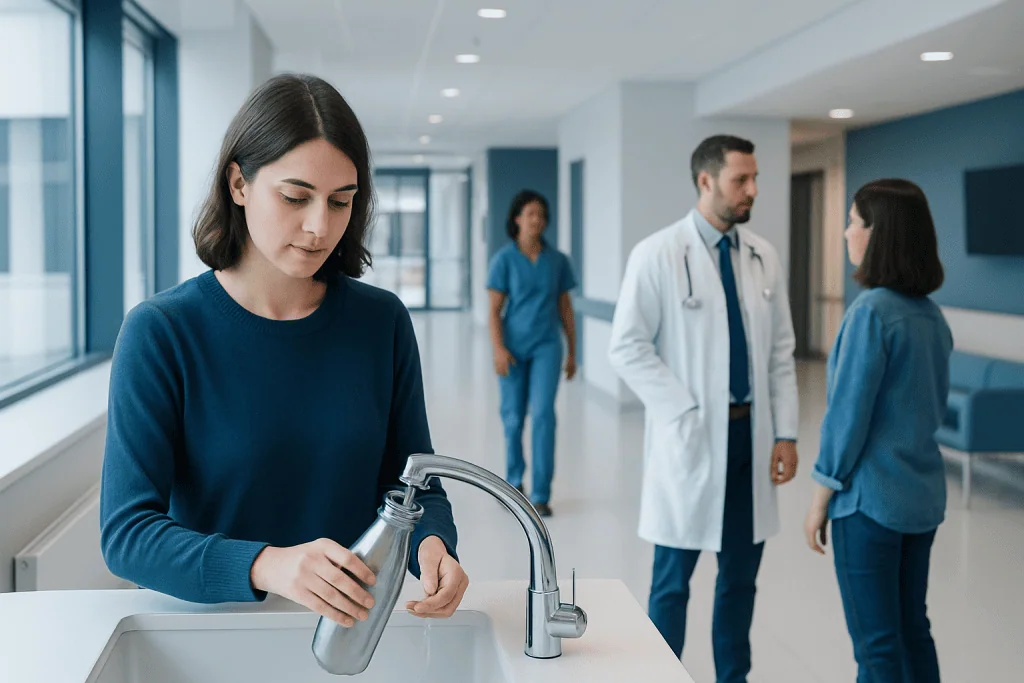
Wash a stainless steel water bottle daily with warm water and mild dish soap. Deep-clean the bottle, lid, straw, and seals at least weekly or more often if used for anything besides water.
Key Takeaways
- Wash a stainless steel water bottle daily with warm water and mild dish soap.
- Deep-clean the bottle, lid, straw, and seals at least weekly or more often if used for anything besides water.
- Odor, discoloration, visible residue, or a slimy film are signs that a more thorough cleaning is needed.
- Most exposures from a poorly cleaned bottle are harmless, but persistent vomiting, diarrhea, fever, breathing symptoms, or trouble swallowing should be checked by a doctor.
- A doctor may assess symptoms, hydration status, and possible infection or irritation if illness follows drinking from a contaminated bottle.
Most stainless steel water bottles can be cleaned safely at home with warm water, dish soap, and regular drying. Health concerns are usually minor, but certain symptoms after drinking from a dirty bottle can deserve medical advice, especially if there may be mold, bacteria, or chemical contamination.
Overview: the safest way to clean a stainless steel water bottle
For most people, the answer to how to clean stainless steel water bottle is simple: rinse it after use, wash it daily with warm water and mild dish soap, scrub the inside and lid with a bottle brush, and let all parts dry completely before reassembling. A deeper clean once a week is usually enough for bottles used only for water, while bottles used for coffee, tea, smoothies, or electrolyte drinks often need more frequent attention.
This is usually a routine hygiene issue rather than a medical emergency. Even if a bottle develops an odor or a thin film, it does not automatically mean someone will become ill. The main health goal is to reduce buildup of bacteria, yeast, or mold and to avoid irritation from old residue, cleaning products, or damaged bottle parts.
A practical cleaning routine includes washing the bottle body, lid, mouthpiece, straw, and rubber gaskets. These smaller parts often trap moisture and residue more easily than the steel itself. If the manufacturer allows dishwasher use, that may help, but hand-washing is still important for narrow lids, seals, and straws.
Step-by-step cleaning at home
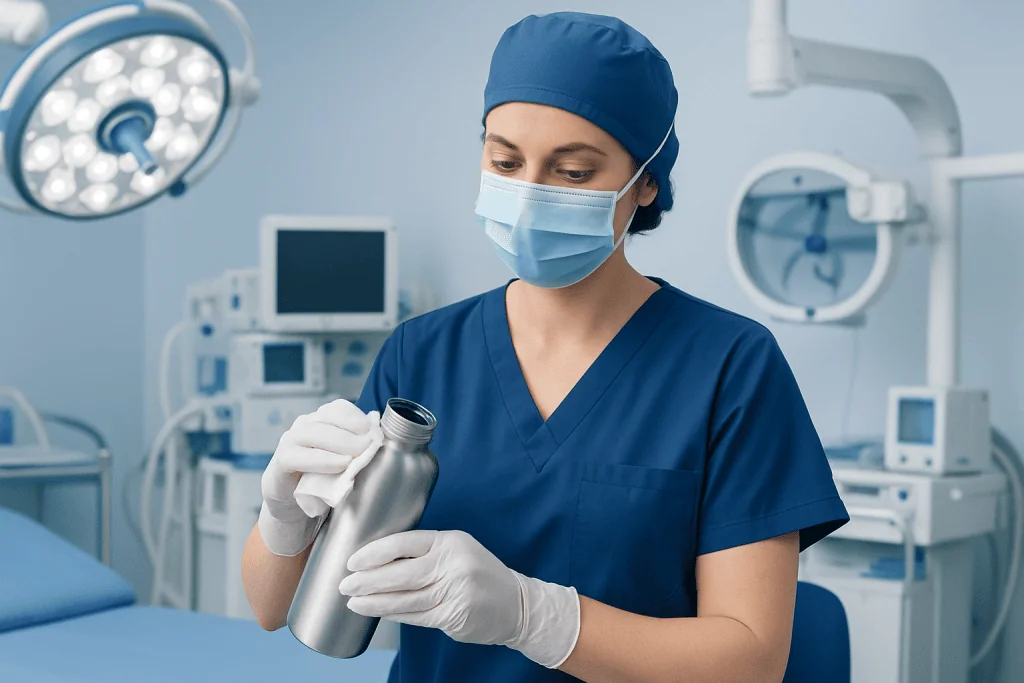
Daily cleaning can be straightforward. Empty the bottle, rinse it with warm water, add a small amount of mild dish soap, and scrub the interior using a bottle brush. Wash the opening, threads, and underside of the lid carefully, because these areas can hold oils from the hands and mouth. Rinse well so no soap remains.
For a weekly deep clean, the bottle can be filled with warm water and a gentle cleaning solution such as diluted white vinegar or baking soda paste for odor control, then scrubbed and rinsed thoroughly. These methods can help remove smells and residue, but they should not replace soap-and-water washing. Strong chemicals, bleach mixtures left in the bottle for long periods, or abrasive metal scrubbers can damage parts or leave irritating residue.
Drying matters almost as much as washing. After cleaning, the bottle and all removable pieces should air-dry fully, ideally upside down on a clean rack. Reassembling while still damp can encourage odor and microbial growth, especially around seals and straw pieces.
- Wash daily if used every day.
- Deep-clean weekly for water-only use.
- Clean after every use if the bottle held milk, juice, smoothies, or protein drinks.
- Replace damaged seals, straws, or lids that remain smelly after cleaning.
Why bottles develop odor, film, or buildup

Stainless steel itself is generally durable and nonporous, but the bottle is not sterile once it is used. Saliva, backwash, sugary drinks, supplements, and even plain water sitting at room temperature can leave behind residue that supports bacterial or fungal growth. Rubber seals and straw systems are especially likely to trap moisture.
A musty smell, visible spots, discoloration, or a slippery film can happen when cleaning has been inconsistent or incomplete. Hard water minerals can also leave deposits that look concerning but are not always infectious. In many cases, the issue is a combination of moisture, residue, and time rather than a dangerous exposure.
It is also worth checking for mechanical wear. Cracked lids, scratched interiors, or deteriorating plastic components are harder to clean well and may keep odors even after washing. If a bottle remains persistently foul-smelling despite thorough cleaning, replacing worn parts or the entire bottle may be the most hygienic option.
Possible health effects from a dirty bottle
Most people who drink from a poorly cleaned stainless steel bottle will not develop serious illness. If symptoms occur, they are often mild and self-limited, such as an unpleasant taste, mild stomach upset, nausea, or temporary throat irritation. This can happen from stale residue, cleaning solution left behind, or minor microbial contamination.
Some exposures deserve more attention. Drinking from a bottle with visible mold, old milk-based residue, or contaminated water may increase the chance of vomiting, diarrhea, abdominal cramps, or fever. A person with asthma, allergies, a weakened immune system, or chronic lung disease may be more sensitive to moldy odors or airborne particles released during cleaning.
Symptoms can overlap with other common conditions, including food poisoning or a brief stomach infection. In some cases, throat discomfort after drinking may be related more to irritation than infection, but persistent pain, swelling, or trouble swallowing should not be ignored. If exposure was linked to harsh cleaning products rather than poor hygiene, doctors may also consider chemical irritation of the digestive tract.
When to seek medical care
Medical care is not usually needed after discovering that a water bottle was not cleaned well. It is reasonable to monitor for symptoms, drink safe fluids, and stop using the bottle until it has been cleaned or replaced. However, some warning signs suggest a doctor should review the situation.
Medical advice is more important if a person develops repeated vomiting, ongoing diarrhea, dehydration, fever, severe abdominal pain, blood in vomit or stool, chest tightness, wheezing, or trouble breathing after exposure to visible mold or contaminated contents. Trouble swallowing, significant throat pain, drooling, or symptoms after accidentally ingesting concentrated cleaning chemicals should be assessed promptly. People who are pregnant, elderly, immunocompromised, or caring for a young child may also want earlier guidance.
If symptoms are severe or there are signs of significant dehydration, urgent care may be appropriate. Doctors may also consider related digestive or airway conditions depending on the symptoms, such as gastroenteritis or irritation affecting the upper digestive tract.
How a doctor evaluates symptoms after bottle contamination
If someone becomes unwell after drinking from a dirty bottle, doctors usually begin with a symptom-based evaluation rather than testing the bottle itself. They may ask what the bottle contained, how long it had gone unwashed, whether there was visible mold, whether any cleaning chemicals were used, and what symptoms began afterward. Timing helps doctors decide whether infection, irritation, allergy, or an unrelated illness is more likely.
The examination often focuses on hydration status, temperature, the abdomen, the throat, and breathing. If symptoms are mainly digestive, care is often supportive unless there are red flags. In more persistent or severe cases, clinicians may consider stool testing, blood tests, or further assessment to rule out infection, dehydration, or inflammation.
When swallowing pain, chest discomfort, or ongoing upper abdominal symptoms are prominent, a doctor may evaluate for irritation of the esophagus or stomach. Depending on the situation, this can involve imaging or endoscopy to examine the upper digestive tract. If breathing symptoms dominate, respiratory assessment may be needed, and some patients may be referred for allergy testing or specialist review if mold sensitivity is suspected.
Treatment and home care if symptoms occur
Treatment depends on the cause and severity of symptoms. For mild stomach upset, rest, oral hydration, and avoiding further exposure are often enough. It is generally wise to drink clean water, choose bland foods if tolerated, and watch for signs that symptoms are improving over the next day or two.
If symptoms are caused by irritation from soap, vinegar, or another cleaning product left in the bottle, the main steps are to stop using the bottle, rinse the mouth, and avoid trying to neutralize chemicals at home. Medical advice is important if pain persists, swallowing is difficult, or there is repeated vomiting. Doctors may recommend observation, hydration, or targeted treatment based on the type of exposure.
Persistent gastrointestinal symptoms may sometimes require a more formal evaluation by a digestive health specialist. In selected cases, doctors may investigate for inflammation or infection using tests such as colonoscopy or other procedures when symptoms suggest a broader problem rather than a brief exposure. Near the end of the care pathway, patients seeking international evaluation may find that Acibadem International’s multidisciplinary specialists and JCI-accredited hospitals diagnose and treat digestive and related conditions in a coordinated way.
Prevention and bottle care tips
The best prevention is consistent cleaning before odors or residue develop. A bottle should be emptied at the end of the day, washed, and left open to dry. This matters especially in warm environments, during travel, or when the bottle is used for sweetened drinks, supplements, or milk-based beverages.
It also helps to separate and inspect all removable parts regularly. Lid seals, flip tops, and silicone straws often need extra brushing or soaking in warm soapy water. Replacing worn accessories can be more effective than repeatedly trying to clean parts that stay discolored or retain odor.
General hygiene habits make a difference too. Avoid sharing bottles, do not top off old water for days at a time, and use safe drinking water sources. If a bottle was left for a long period with unknown contents, developed obvious mold, or smells strongly even after cleaning, replacing it is often the simplest and safest step.
Frequently asked questions
How often should a stainless steel water bottle be cleaned?
A stainless steel water bottle should usually be washed daily if it is used every day. If it contains anything other than plain water, such as coffee, juice, smoothies, or protein drinks, it should be cleaned after each use. A deeper clean of lids, straws, and seals is helpful at least once a week.
What is the best way to remove odor from a stainless steel water bottle?
First wash the bottle thoroughly with warm water and mild dish soap, including the lid and seals. If odor remains, a deeper clean with baking soda or diluted vinegar followed by very thorough rinsing can help. Persistent odor often means residue is trapped in the lid, straw, or gasket rather than the steel body.
Can mold in a water bottle make someone sick?
It can, but serious illness is not the usual outcome. Some people may have no symptoms, while others develop stomach upset, cough, throat irritation, or allergy-like symptoms depending on the amount and type of exposure. Medical review is more important if there is breathing difficulty, fever, severe vomiting, or ongoing diarrhea.
Is it safe to use bleach to clean a stainless steel water bottle?
It is generally safer to use mild dish soap and manufacturer-approved cleaning methods. Harsh chemicals can irritate the mouth, throat, or stomach if any residue remains, and some products may damage bottle parts. If bleach or another strong cleaner is used, the bottle must be rinsed extremely well before use.
When should a water bottle be replaced instead of cleaned?
Replacement may be better if the bottle has cracks, peeling surfaces, damaged seals, persistent odor, or visible mold that returns despite careful cleaning. Worn lids and straws can harbor residue and may be harder to sanitize fully. If replacement parts are available, changing those components may solve the problem.
Should someone see a doctor after drinking from a dirty bottle?
Usually not, especially if there are no symptoms or only mild temporary nausea. A doctor should be contacted if symptoms are severe, last more than a short time, or include dehydration, fever, breathing problems, blood in stool or vomit, or difficulty swallowing. People with weaker immune systems may also need earlier advice.
This article is for general information only and is not a substitute for professional medical advice. Please consult a qualified doctor about your individual situation.
Explore treatments in Turkey — costs, top hospitals & a free quote
JCI-accredited · board-certified surgeons · reply within 24h
Add us as a Preferred Source to see more of our trusted health content across Google Search, AI Overviews and Discover.

More from the Health Library

Can Constipation Cause Back Pain? Causes, Explanations, and Next Steps

Herpes Rash Pictures: Possible Causes and When to Seek Care

What Happens When Vyvanse Dose Is Too Low? A Doctor-Reviewed Answer

Does Flour Expire? Causes, Explanations, and Next Steps

Esophageal Cancer Symptoms Explained: Common Triggers and Red Flags