Herpes Rash Pictures: Possible Causes and When to Seek Care

Herpes rashes often appear as grouped blisters or sores on a red, tender area of skin. Pictures alone cannot reliably diagnose herpes because many rashes can mimic it.
Key Takeaways
- Herpes rashes often appear as grouped blisters or sores on a red, tender area of skin.
- Pictures alone cannot reliably diagnose herpes because many rashes can mimic it.
- Symptoms such as pain, burning, tingling, itching, and recurrence can help guide evaluation.
- Testing may include a clinical exam and a swab or blood test when needed.
- Medical care is important for first episodes, eye symptoms, severe pain, pregnancy, or a weakened immune system.
Herpes rash pictures can be helpful for general comparison, but they cannot confirm a diagnosis. A herpes rash often appears as clusters of small fluid-filled blisters or shallow sores, yet several other skin conditions can look similar and may need different treatment.
Overview: What herpes rash pictures can and cannot show
People searching for herpes rash pictures usually want a quick visual answer: does this rash look like herpes or not? In general, herpes simplex virus (HSV) can cause small grouped blisters, open sores, crusted lesions, or areas of redness and irritation. However, appearance changes from person to person and from one stage of the rash to another, so pictures are only a starting point.
A herpes rash may be caused by HSV-1 or HSV-2. HSV-1 commonly affects the mouth and lips, while HSV-2 more often affects the genital area, but either type can appear in either location. Some outbreaks are very obvious, while others are mild and may look like pimples, razor bumps, chafing, insect bites, or a simple skin irritation.
That is why clinicians do not diagnose herpes from images alone. They consider where the rash is located, whether there is pain or tingling, whether sores come back in the same area, and whether there has been recent skin-to-skin sexual contact. If needed, they may confirm the diagnosis with testing rather than relying only on appearance.
What a herpes rash often looks like
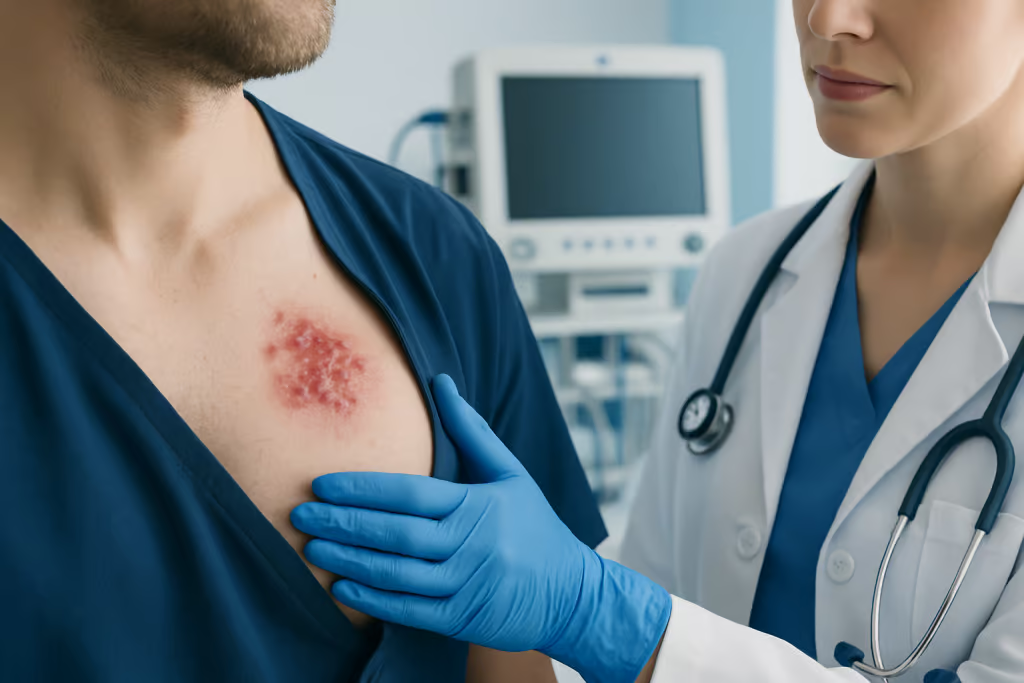
Classic herpes rash pictures show clusters of tiny blisters on a red base. These blisters may break open and form shallow, painful sores before crusting over and healing. In some people, the rash starts with burning, tingling, itching, or tenderness before anything is visible on the skin.
Oral herpes usually affects the lips, skin around the mouth, or less commonly the gums and inside the mouth. Genital herpes may affect the vulva, vagina, penis, scrotum, buttocks, anus, or nearby skin of the thighs. The lesions can be few or many, and they may look moist, raw, or crusted depending on the stage.
The look of a herpes rash can change over several days. Early lesions may resemble small bumps. Then they may become fluid-filled blisters, break into erosions or ulcers, and finally dry and heal. In recurrent outbreaks, symptoms are often milder and shorter than in a first episode.
- Grouped blisters or shallow sores
- Red, inflamed skin underneath or around lesions
- Pain, burning, stinging, or itching
- Crusting during healing, especially around the lips
- Recurrence in a similar area
Symptoms that can happen along with the rash
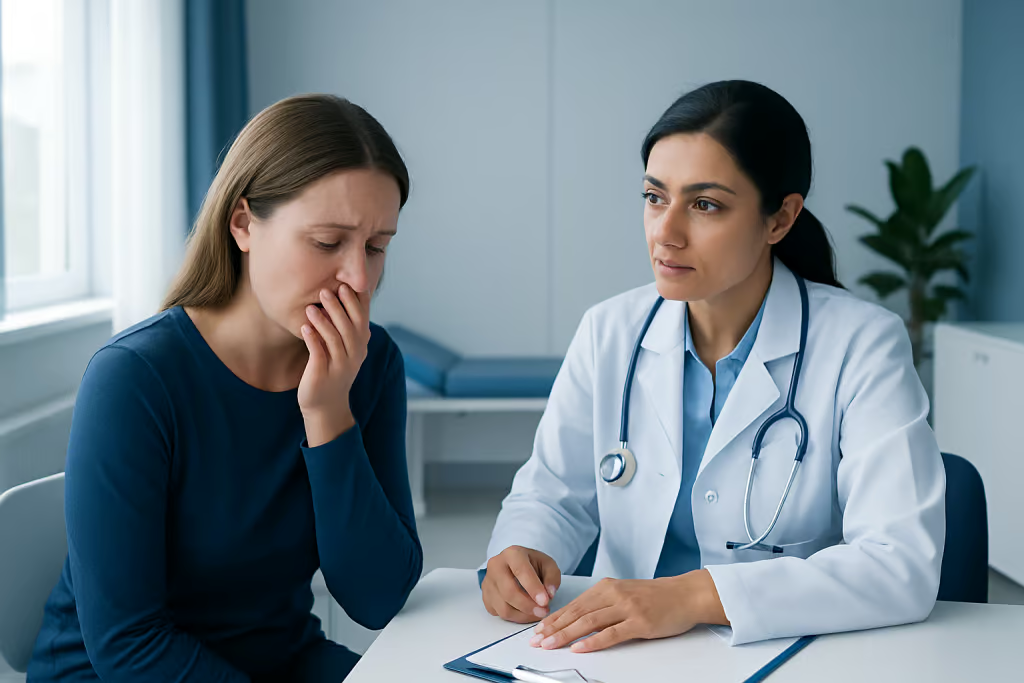
Herpes does not always cause a dramatic rash. Some people have only mild skin changes, while others notice significant discomfort. During a first outbreak, symptoms may include painful urination, swollen lymph nodes, fever, body aches, fatigue, or a general unwell feeling. Later outbreaks are often more limited and localized.
In oral herpes, eating, drinking, or talking can be uncomfortable if sores are near the mouth. In genital herpes, friction from walking, underwear, urination, or sexual activity may worsen discomfort. The skin can feel unusually sensitive even before sores appear.
Sometimes herpes causes fissures, raw patches, or small ulcers rather than obvious blisters. This is one reason the condition may be confused with eczema, folliculitis, contact dermatitis, yeast infection, or other skin problems. A careful medical assessment can help tell these apart and guide the right treatment.
Other conditions that may look similar
Many rashes can resemble herpes in photos. Folliculitis can cause pimple-like bumps around hair follicles, especially after shaving. Contact dermatitis may cause redness, itching, and irritation after exposure to soaps, creams, sanitary products, or latex. Yeast infections and fungal rashes can also cause redness and soreness, particularly in warm, moist areas.
Cold sores around the mouth are usually caused by herpes simplex, but not every lip lesion is a cold sore. Canker sores occur inside the mouth and are not caused by herpes. Impetigo, acne, hand-foot-and-mouth disease, aphthous ulcers, and angular cheilitis may also be mistaken for herpes depending on location and stage.
One important comparison is shingles, which is caused by varicella-zoster virus rather than HSV. Shingles tends to follow a band-like pattern on one side of the body and is often accompanied by nerve pain. Patients wondering about this difference may also benefit from learning about shingles and how it differs from herpes simplex infections. Other sexually transmitted infections, such as syphilis, can cause genital sores as well and require prompt evaluation.
How doctors diagnose a herpes rash
Diagnosis starts with a medical history and skin examination. A doctor will ask when the rash began, whether there was tingling or pain beforehand, whether similar episodes have happened before, and whether there has been recent oral or genital contact. The exact location, number of lesions, and stage of healing are all useful clues.
If the rash is active, a swab from a fresh blister or sore may be used to look for the virus. This is often the most helpful way to confirm herpes during an outbreak. Blood tests can sometimes show whether a person has been exposed to HSV in the past, but they may not always explain the cause of a current rash.
Testing can be especially helpful when the rash is atypical, the first outbreak is severe, or the diagnosis may change management. Eye-area lesions, widespread rash, severe genital pain, or symptoms in a person with a weakened immune system deserve prompt medical attention. If needed, doctors may also evaluate for related problems such as sexually transmitted diseases that can cause similar sores or occur alongside herpes.
Treatment options and practical self-care
Herpes is manageable, and treatment is aimed at shortening symptoms, easing discomfort, and reducing recurrences or transmission risk. Antiviral medicines may be prescribed for a first episode, for recurrent outbreaks, or as suppressive therapy in people who have frequent episodes. The exact plan depends on symptoms, the site of infection, and a person’s general health.
Supportive care also matters. Keeping the area clean and dry, avoiding picking at sores, and wearing loose clothing can reduce irritation. During oral outbreaks, some people find soft foods and avoiding acidic items more comfortable. During genital outbreaks, avoiding sexual contact until sores have healed can help protect partners and reduce friction on the skin.
People should avoid sharing lip products, razors, or towels during active oral outbreaks, and handwashing is important after touching the affected area. If symptoms are troublesome or recurrent, a specialist may recommend a fuller assessment and targeted infectious diseases treatment plan. Where diagnosis is uncertain because several skin conditions can mimic one another, a dermatologic assessment and dermatology treatment may also be helpful.
When to seek medical care
Medical care is recommended if this is the first time a person has developed possible herpes sores, if the rash is painful, or if the diagnosis is unclear. It is also important to seek care for sores near the eyes, trouble urinating, severe swelling, fever, widespread rash, or symptoms that are getting worse rather than better.
Pregnant patients, newborns, and people with weakened immune systems should be assessed promptly because herpes can need closer monitoring in these groups. Recurrent symptoms that affect quality of life, relationships, or comfort are also worth discussing with a doctor, since treatment can often reduce outbreaks and improve day-to-day wellbeing.
If emergency symptoms develop, such as eye pain with a rash, confusion, severe dehydration, or rapidly spreading skin lesions, urgent medical assessment is important. Near the end of the care pathway, some patients may choose specialist evaluation at centers such as Acibadem International, where multidisciplinary teams in JCI-accredited hospitals diagnose and treat herpes and other skin or infectious conditions for international patients.
Frequently asked questions
Can herpes be diagnosed from pictures alone?
No. Herpes rash pictures can help people understand typical patterns, but many other conditions can look similar. A clinician may need an exam and sometimes a swab or blood test to make a reliable diagnosis.
What does a herpes rash usually look like at the beginning?
It often starts with tingling, burning, itching, or tenderness before visible skin changes appear. Early lesions may look like small bumps, then become grouped blisters or shallow sores.
Does herpes always cause blisters?
Not always. Some people develop tiny cracks, red patches, raw areas, or mild irritation rather than obvious blisters. This is one reason herpes can be mistaken for other skin conditions.
How is genital herpes different from shaving bumps or pimples?
Shaving bumps and folliculitis usually center around hair follicles and may look like isolated pimples. Herpes more often causes clusters of tender blisters or sores and may be preceded by tingling or burning.
When should someone see a doctor for a possible herpes rash?
A doctor should be seen for a first outbreak, severe pain, uncertain diagnosis, sores near the eyes, fever, trouble urinating, pregnancy, or weakened immunity. Prompt care can confirm the cause and help prevent complications.
Can a herpes rash come back in the same place?
Yes. Recurrent herpes often appears in or near the same area because the virus remains inactive in nearby nerves between outbreaks. Repeat episodes are often milder and shorter than the first one.
References
- Centers for Disease Control and Prevention
- World Health Organization
- American Academy of Dermatology
- National Institute of Allergy and Infectious Diseases
- Mayo Clinic
This article is for general information only and is not a substitute for professional medical advice. Please consult a qualified doctor about your individual situation.
Explore treatments in Turkey — costs, top hospitals & a free quote
JCI-accredited · board-certified surgeons · reply within 24h
Add us as a Preferred Source to see more of our trusted health content across Google Search, AI Overviews and Discover.