Legs Feel Heavy — Explained by Medical Evidence, Not Myths

Heavy legs are a symptom, not a diagnosis, and can have several different causes. Common explanations include exercise-related muscle fatigue, prolonged inactivity, swelling, and vein problems such as chronic venous insufficiency.
Key Takeaways
- Heavy legs are a symptom, not a diagnosis, and can have several different causes.
- Common explanations include exercise-related muscle fatigue, prolonged inactivity, swelling, and vein problems such as chronic venous insufficiency.
- Warning signs include sudden swelling, one-sided pain, skin color changes, chest symptoms, weakness, or numbness.
- Doctors identify the cause through history, examination, and sometimes tests such as blood work or vascular ultrasound.
- Self-care may help mild cases, but persistent or recurrent heaviness deserves medical evaluation.
Legs feel heavy most commonly because of muscle overuse, prolonged standing or sitting, fluid buildup, or vein-related circulation problems. While the sensation is often temporary, ongoing, worsening, or one-sided heaviness should be assessed to rule out conditions that need treatment.
What it means when legs feel heavy
When legs feel heavy, the sensation usually reflects how muscles, veins, nerves, joints, and body fluids are functioning rather than a single disease by itself. Many people describe heaviness as legs feeling tired, weighted down, tight, sluggish, weak, or harder to move than usual. In everyday life, it often appears after a long day of standing, intense exercise, hot weather, or hours of sitting still.
Medical evidence shows that heavy legs can come from common, non-urgent causes such as muscle fatigue or mild swelling. However, the same symptom may also be linked to circulation problems, vein disease, medication effects, nerve conditions, or broader health issues such as heart, kidney, or thyroid disorders. The key is not the sensation alone, but the pattern: when it starts, whether one or both legs are affected, and what other symptoms come with it.
Heavy legs are not always the same as true muscle weakness. Weakness means the muscles cannot produce normal force, such as difficulty rising from a chair, climbing stairs, or lifting the foot. Heaviness, by contrast, may feel like effortful movement even when strength remains normal. Distinguishing these experiences helps guide the next steps in evaluation.
Common symptoms that may happen with heavy legs
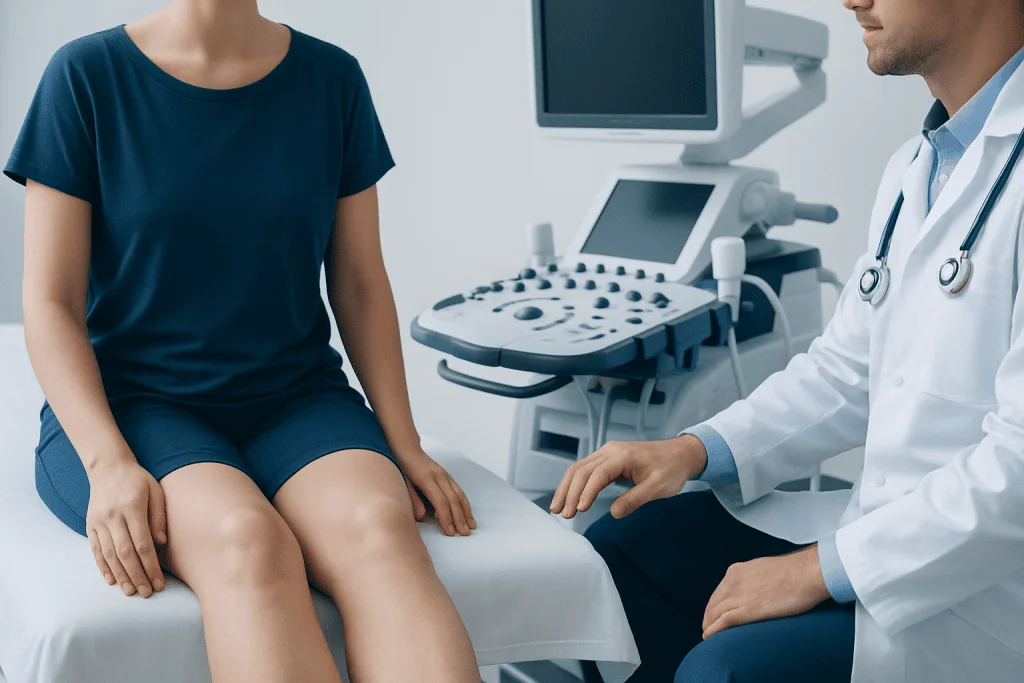
The feeling of heaviness can occur on its own, but it often appears with other signs that provide clues to the cause. A person may notice aching, throbbing, tightness, cramping, swelling around the ankles, stiffness after inactivity, or a sense that the legs tire unusually quickly. Some also report burning, tingling, visible veins, or shoes feeling tighter later in the day.
Symptoms linked to vein-related circulation issues often worsen after prolonged standing and improve when the legs are elevated. In contrast, heaviness related to exercise or overuse may be more noticeable after physical activity and settle with rest, hydration, and recovery. If the sensation is due to fluid retention, swelling may leave an indentation in the skin after pressure is applied.
Paying attention to timing and associated features is useful. Consider whether the symptom affects one leg or both, whether it is sudden or gradual, and whether there are changes in skin color, temperature, numbness, shortness of breath, or chest discomfort. These details can help a clinician decide whether the symptom is likely to be harmless or whether urgent testing is needed.
- Common accompanying symptoms: aching, swelling, cramps, restlessness, stiffness
- Possible circulation clues: visible veins, ankle swelling, symptoms worse at day’s end
- Possible nerve clues: numbness, tingling, burning, balance changes
- Possible urgent clues: sudden one-sided swelling, redness, chest pain, breathlessness
Evidence-based causes and risk factors

One of the most common reasons legs feel heavy is simple muscle fatigue. This can happen after vigorous exercise, climbing hills or stairs, returning to activity after a break, or standing for long periods. Dehydration, heat exposure, and poor sleep may make the sensation more noticeable. In these situations, heaviness often improves within hours to a few days.
Another frequent cause is venous pooling, where blood in the leg veins returns to the heart less efficiently. This can happen during prolonged sitting, long-distance travel, or standing still for many hours. It is also typical of varicose veins and chronic venous insufficiency, in which vein valves do not work as well as they should. People may notice leg fullness, swelling at the ankles, itching, discomfort, and symptoms that worsen later in the day.
Fluid retention is another explanation. Swelling may occur temporarily around menstruation, during pregnancy, after salty meals, or with certain medications. It may also signal underlying problems involving the heart, kidneys, liver, or lymphatic system. In some people, excess body weight increases pressure on the legs and contributes to heaviness, swelling, and reduced mobility.
Nerve and musculoskeletal conditions can also make legs feel heavy. Examples include lower back nerve irritation, joint arthritis, tendon problems, and deconditioning. Less commonly, heaviness may be linked to peripheral artery disease, anemia, thyroid disease, infection, inflammatory disorders, or blood clots such as deep vein thrombosis. Risk factors that increase concern include smoking, immobility, older age, pregnancy, recent surgery, cancer, and a personal or family history of clotting or vascular disease.
How doctors work out the cause
Because heavy legs can result from several body systems, diagnosis begins with a careful history rather than an assumption. A clinician will usually ask when the symptom began, whether one or both legs are affected, what makes it better or worse, and whether there is pain, swelling, numbness, breathlessness, fever, or exercise intolerance. Medication use, travel, pregnancy status, and previous vein or heart problems are also important.
The physical examination often includes checking pulses, skin temperature, swelling, varicose veins, tenderness, muscle strength, reflexes, sensation, and joint movement. These findings help identify whether the main problem seems vascular, neurologic, muscular, or orthopedic. If there is concern about circulation, one useful test is Doppler ultrasound, which can assess blood flow in the leg vessels and help detect clots or valve problems.
Other tests depend on the clinical picture. Blood tests may be used to look for anemia, kidney issues, thyroid imbalance, inflammation, or electrolyte problems. If nerve compression or spinal causes are suspected, doctors may recommend further evaluation or imaging. The aim is not to test everyone extensively, but to match the investigations to the symptoms and risk factors present.
Treatment options depend on the underlying cause
There is no single treatment for heavy legs because the best approach depends on why the symptom is happening. When overuse or prolonged standing is responsible, rest, hydration, gradual return to activity, and gentle stretching may be enough. If the issue is related to swelling or venous pooling, leg elevation, regular walking breaks, and clinically appropriate compression stockings may reduce discomfort.
Vein disorders are treated according to severity and anatomy. Conservative measures may include exercise, weight management, and compression. In selected cases, specialists may consider procedures aimed at closing or treating problematic veins. A doctor may also recommend evaluation in a vascular service if symptoms suggest chronic venous insufficiency or significant vein reflux, including options such as varicose veins treatment when appropriate.
If heavy legs are caused by a blood clot, reduced arterial blood flow, heart or kidney disease, medication side effects, or a neurologic disorder, management focuses on that underlying condition. For example, symptoms related to limited arterial circulation may lead to assessment for peripheral artery disease treatment. This is why self-diagnosis can be misleading: the same symptom may require completely different care plans.
When symptoms are persistent or complex, multidisciplinary assessment can be helpful. Near the end of the care pathway, patients may seek expert review at centers where vascular, internal medicine, neurology, and rehabilitation teams work together. Acibadem International’s multidisciplinary specialists and JCI-accredited hospitals diagnose and treat patients with symptoms such as leg heaviness, especially when the cause is not yet clear.
Prevention and practical self-care
For many people, heavy legs improve with simple changes that support circulation and muscle recovery. Moving regularly is one of the most effective measures. During desk work, travel, or long periods of standing, brief walking breaks and ankle-pumping exercises can help blood flow return from the legs to the heart. Avoiding long uninterrupted periods in one position is especially important for people prone to swelling.
General measures that may help include staying well hydrated, building activity gradually, wearing supportive footwear, and maintaining a weight that is healthy for the individual. If symptoms are triggered by prolonged standing, elevating the legs above heart level for short periods may provide relief. Compression stockings can be useful for some people, but they should be chosen with medical guidance if there is any concern about arterial circulation.
It is also sensible to review medications with a doctor or pharmacist if the symptom appeared after starting a new treatment. Some medicines can contribute to fluid retention or leg discomfort. Self-care is most appropriate when symptoms are mild, symmetrical, clearly linked to activity or posture, and improving. If they keep coming back, become more intense, or interfere with daily life, a medical review is the safer next step.
- Take movement breaks every 30 to 60 minutes when sitting for long periods
- Elevate the legs when resting if swelling is mild
- Build exercise gradually and allow time for recovery
- Seek advice before using compression garments if circulation disease is possible
When to seek medical care
Medical assessment is important if legs feel heavy for more than a short period, keep returning, or are affecting walking, work, or sleep. A doctor should also review symptoms that come with swelling, visible vein changes, skin discoloration, calf tenderness, cramping with walking, numbness, or true weakness. These features may point to a treatable vein, nerve, muscle, or circulation problem.
Urgent care is needed if heaviness begins suddenly in one leg, especially if there is swelling, redness, warmth, significant pain, or the leg looks pale or blue. Emergency help is also needed if leg symptoms are accompanied by chest pain, shortness of breath, fainting, or sudden neurologic symptoms such as facial drooping or loss of coordination. These patterns can be linked to conditions that should not wait.
Even when the cause turns out to be benign, getting the right diagnosis can prevent unnecessary worry and help symptoms improve faster. A clinician can decide whether reassurance and lifestyle advice are enough or whether tests and specialist referral are warranted.
Frequently asked questions
Why do my legs feel heavy even when I have not exercised?
Heavy legs do not always come from exercise. Common non-exercise causes include prolonged sitting or standing, fluid retention, vein problems, medication effects, and sometimes nerve or circulation conditions. If the feeling is persistent or happens with swelling or pain, a doctor should assess it.
Can poor circulation make legs feel heavy?
Yes. Problems affecting blood flow in the veins or arteries can create a sensation of heaviness, aching, or fatigue in the legs. Vein-related issues often worsen later in the day, while reduced arterial flow may cause discomfort during walking and improve with rest.
Are heavy legs and weak legs the same thing?
No. Heavy legs usually describe a sensation of tiredness, fullness, or effortful movement, while weakness means the muscles cannot generate normal strength. True weakness, especially if sudden, should be medically evaluated.
Can dehydration cause heavy legs?
It can contribute. Dehydration may worsen muscle fatigue, cramping, and recovery after activity, which can make the legs feel unusually tired or heavy. However, dehydration is not the only explanation, so ongoing symptoms should not be assumed to be from fluid intake alone.
When should heavy legs be considered an emergency?
Urgent evaluation is needed if heaviness starts suddenly, affects one leg, or comes with marked swelling, redness, warmth, severe pain, or color change. Emergency help is also important if there is chest pain, shortness of breath, fainting, or sudden neurologic symptoms.
Do compression stockings help with heavy legs?
They can help some people, especially when symptoms are related to venous pooling or mild swelling. Compression is not right for everyone, particularly if arterial circulation problems are possible, so medical guidance is advisable before using them regularly.
References
- National Heart, Lung, and Blood Institute
- Centers for Disease Control and Prevention
- American Heart Association
- National Institute of Arthritis and Musculoskeletal and Skin Diseases
- Society for Vascular Surgery
This article is for general information only and is not a substitute for professional medical advice. Please consult a qualified doctor about your individual situation.
Joint and spine care in Turkey — expert assessment & treatment
JCI-accredited · board-certified surgeons · reply within 24h

More from the Health Library



Related Specialists

Assoc. Prof. Dr. Betül Mazlum
Pediatric & Adolescent Psychiatry
Dr. Berrin Arslan
Pediatrics
Dr. Selim Çepel
Orthopedic Surgery & Traumatology
Prof. Dr. Güngör Boztaş
Gastroenterology