Why Do I Feel Nauseous After I Eat? Causes, Explanations, and Next Steps
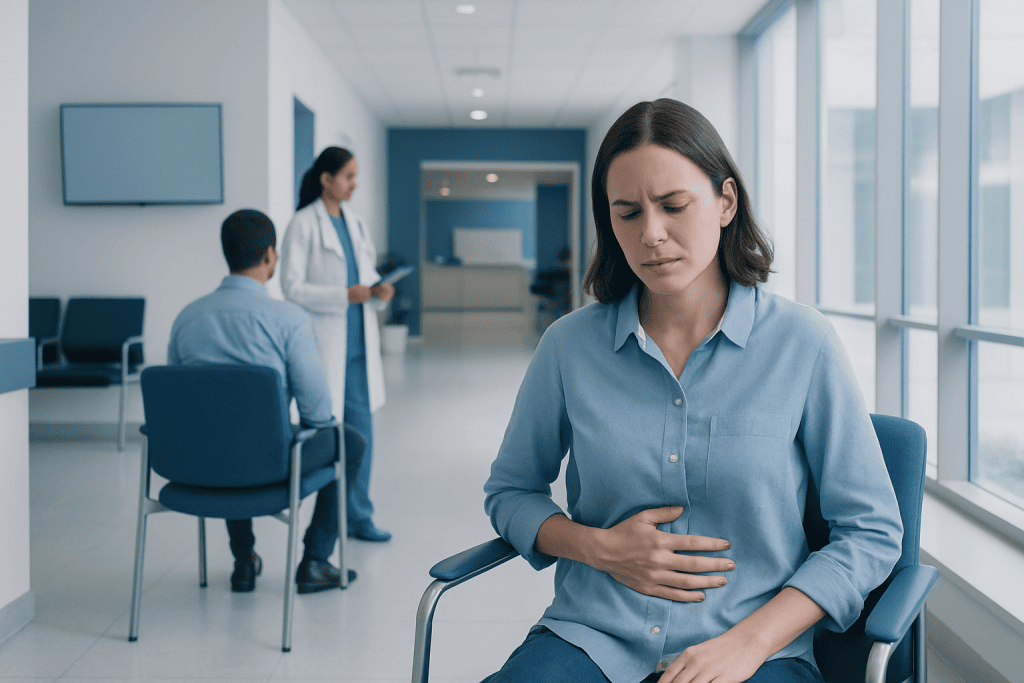
Nausea after eating is often harmless and may relate to indigestion, overeating, reflux, anxiety, or a short-term stomach infection. Food intolerance, gallbladder problems, ulcers, and delayed stomach emptying are other possible causes.
Key Takeaways
- Nausea after eating is often harmless and may relate to indigestion, overeating, reflux, anxiety, or a short-term stomach infection.
- Food intolerance, gallbladder problems, ulcers, and delayed stomach emptying are other possible causes.
- Doctors diagnose the cause by reviewing symptoms, meal patterns, medications, and, when needed, blood tests, imaging, or endoscopy.
- Urgent medical care is needed for chest pain, severe abdominal pain, blood in vomit, dehydration, fainting, or persistent vomiting.
- Simple steps such as smaller meals, avoiding trigger foods, staying hydrated, and eating slowly can help in many cases.
Feeling nauseous after eating is common and is often linked to a temporary digestive issue, a food trigger, or eating habits rather than a serious disease. Still, repeated nausea after meals, severe pain, vomiting, weight loss, or dehydration should be assessed by a doctor to find the cause and guide treatment.
Overview: why nausea can happen after eating
If someone wonders, why do I feel nauseous after I eat, the answer is often reassuring: many episodes happen because the stomach or upper digestive tract is temporarily irritated or overloaded. Common examples include eating too quickly, overeating, indigestion, acid reflux, a rich or greasy meal, anxiety, or a brief viral illness. In these situations, the symptom may settle on its own or improve with simple changes.
However, nausea after meals can also be a clue to an underlying digestive problem, especially when it happens often or comes with other symptoms. Repeated episodes may be linked to food intolerance, gastritis, peptic ulcer disease, gallbladder disease, delayed stomach emptying, or less commonly a broader metabolic or hormonal issue. The pattern matters: when the nausea starts, what foods trigger it, and whether there is pain, bloating, vomiting, diarrhea, or weight loss.
A helpful way to think about this symptom is that the body may be reacting to the meal itself, to how the digestive system processes the meal, or to another condition that becomes more noticeable after eating. Identifying the cause usually begins with a careful history, not with one test alone. That is why persistent or bothersome nausea deserves medical review even when it does not seem severe.
Common signs and symptom patterns to notice
Nausea after eating can feel different from person to person. Some people feel full very quickly, while others notice a queasy sensation, upper abdominal discomfort, bloating, burping, burning in the chest, or the urge to vomit. The timing can provide clues. Nausea that starts almost immediately after a meal may point toward reflux, anxiety, certain food triggers, or sensitivity to smell or taste. Nausea that develops later may be more related to digestion, gallbladder contraction, or delayed stomach emptying.
It also helps to notice what happens alongside the nausea. Heartburn and sour fluid in the throat may suggest reflux. Cramping, diarrhea, or gas after dairy or specific foods can suggest intolerance. Pain in the upper abdomen or right upper side after fatty meals may fit gallbladder disease. If the stomach feels heavy for hours, with early fullness and bloating, delayed emptying may be considered. Some causes overlap with gastritis or acid reflux disease.
Keeping track of patterns can make a medical visit more productive. Useful details include the foods eaten, meal size, the time symptoms begin, whether symptoms happen every day or only occasionally, and whether there are warning signs such as fever, repeated vomiting, black stools, trouble swallowing, or unintentional weight loss.
Possible causes: from indigestion to digestive disorders

Several common conditions can lead to nausea after meals. Indigestion, also called dyspepsia, is one of the most frequent. It may follow large meals, spicy foods, alcohol, caffeine, or eating too fast. Acid reflux can irritate the esophagus and stomach area, causing burning, regurgitation, or post-meal nausea. A short-lived stomach infection or food poisoning can also cause nausea, often with vomiting, diarrhea, or fever.
Food-related triggers are another major group. Lactose intolerance, sensitivity to high-fat meals, and other food intolerances can cause queasiness, bloating, and abdominal discomfort. Sometimes the issue is not a classic allergy but difficulty digesting a certain ingredient. Gallbladder disease may cause nausea after rich or fatty foods, often with pain in the upper right abdomen. Inflammation of the stomach lining, ulcers, and irritation from medications such as anti-inflammatory pain relievers can also lead to nausea after eating.
Less common but important causes include delayed stomach emptying, also called gastroparesis, which can happen in people with diabetes, after some surgeries, or for other reasons. Hormonal changes, migraine, anxiety, and certain medicines may also play a role. In some people, nausea is part of a broader condition such as irritable bowel syndrome, especially when bowel changes and bloating are also present. A doctor may consider endoscopy or gastroenterology evaluation if symptoms are ongoing or unclear.
Who is more likely to experience it?
Nausea after eating can happen to anyone, but some factors make it more likely. People with known reflux, ulcers, gallstones, diabetes, migraine, or anxiety may notice this symptom more often. So can people who take medications that affect the stomach, including some antibiotics, pain relievers, diabetes medicines, iron supplements, and treatments that slow stomach movement or irritate the digestive lining.
Eating habits matter too. Very large meals, high-fat foods, lying down soon after eating, excess alcohol, and rapid eating can all increase the chance of post-meal nausea. Some people become more sensitive during times of stress, poor sleep, or dehydration. Pregnancy is another common situation in which nausea may be worse after meals, especially in early pregnancy.
Age and medical history can shape the likely causes. In children and younger adults, viral illness, food intolerance, or functional digestive symptoms may be more common. In older adults, medication effects, gallbladder disease, ulcers, or slowed stomach emptying may be more likely. This does not mean the cause is serious, but it does mean the full context is important when deciding whether evaluation is needed.
How doctors find the cause
A doctor usually starts by asking detailed questions rather than ordering many tests immediately. They may ask when the nausea occurs, how long it lasts, whether it is tied to fatty foods or certain ingredients, and whether there is pain, vomiting, reflux, changes in bowel habits, fever, or weight loss. They will also review medications, alcohol use, recent travel, medical conditions such as diabetes, and for some patients, the possibility of pregnancy.
The physical examination often focuses on the abdomen and signs of dehydration or nutritional problems. If symptoms are mild and clearly linked to a dietary trigger or short-lived illness, observation and simple treatment may be enough. If symptoms keep returning, interfere with eating, or are associated with alarm features, testing may be recommended.
Possible tests include blood work, stool tests, abdominal ultrasound, and sometimes tests for infection or inflammation. If there is concern about ulcers, gastritis, persistent reflux, bleeding, or other upper digestive problems, the doctor may suggest upper gastrointestinal endoscopy. In selected cases, imaging or studies that assess how the stomach empties may be helpful. The goal is to rule out serious disease while identifying treatable causes.
Treatment and practical next steps
Treatment depends on the cause. If nausea follows overeating, reflux, or dietary irritation, the main approach may be smaller meals, avoiding personal trigger foods, not lying down after eating, and limiting fatty or very spicy meals. If an infection is responsible, the focus is usually rest, hydration, and monitoring until symptoms improve. Medication-related nausea may improve after a doctor reviews whether a prescription should be adjusted.
When an underlying condition is found, treatment becomes more specific. Reflux, gastritis, ulcers, gallbladder disease, food intolerance, and delayed stomach emptying are all managed differently. In some cases, doctors may recommend anti-nausea medicine, acid-suppressing treatment, testing for food triggers, or referral to a specialist. Procedures or surgery are only considered when clearly indicated, such as for gallbladder disease or structural problems.
At home, it may help to eat slowly, choose bland foods temporarily, sip fluids regularly, and avoid strong odors if these worsen symptoms. Some people benefit from a symptom diary to identify triggers and improve follow-up visits. Near the end of the care pathway, patients who need specialist assessment may be seen by multidisciplinary teams; Acibadem International’s JCI-accredited hospitals diagnose and treat digestive complaints for international patients when advanced evaluation is needed.
When to seek medical care
Many cases of nausea after eating are not dangerous, but medical advice is important if the symptom keeps happening, lasts more than a few days, or starts to affect eating and hydration. A doctor should also review symptoms if there is frequent vomiting, worsening abdominal pain, heartburn that does not settle, difficulty swallowing, or new symptoms in someone with diabetes, known ulcer disease, or gallbladder problems.
Urgent care is needed if nausea is accompanied by severe or constant abdominal pain, chest pain, shortness of breath, vomiting blood, black stools, fainting, confusion, high fever, or signs of dehydration such as very little urine, marked weakness, or inability to keep fluids down. These features do not automatically mean a serious disease is present, but they are strong reasons not to wait.
If symptoms are persistent but not urgent, early assessment can still be helpful. Recurrent nausea after meals may respond well once the cause is identified, and prompt evaluation can prevent unnecessary discomfort, dehydration, or nutritional problems. If needed, a clinician may coordinate further digestive testing or referral for more focused care.
Frequently asked questions
Why do I feel nauseous after I eat but do not vomit?
This can happen with indigestion, acid reflux, food intolerance, anxiety, or irritation of the stomach lining. Vomiting is not always present, and the pattern of symptoms often helps a doctor narrow down the cause.
Is nausea after eating usually serious?
Often it is not serious and may be related to meal size, eating speed, reflux, or a temporary stomach upset. It should be checked if it happens repeatedly, comes with weight loss or pain, or prevents normal eating and drinking.
What foods commonly trigger nausea after meals?
Common triggers include greasy or very fatty foods, spicy meals, alcohol, caffeine, and large portions. Some people also react to dairy, highly processed foods, or specific ingredients they do not tolerate well.
Can stress or anxiety cause nausea after eating?
Yes. Stress and anxiety can affect how the stomach and intestines move and can increase awareness of normal digestive sensations. In some people, symptoms become more noticeable during stressful periods or when eating feels rushed.
How do doctors test nausea after eating?
Doctors usually begin with a symptom history, physical examination, and review of medications and diet. Depending on the findings, they may order blood tests, ultrasound, stool testing, or an endoscopy to look for digestive causes.
What can help at home while waiting to see a doctor?
Small, simple meals, slower eating, good hydration, and avoiding known trigger foods can help reduce symptoms. It is also useful to keep a symptom diary and seek medical care sooner if vomiting, dehydration, severe pain, or bleeding develops.
References
- National Institute of Diabetes and Digestive and Kidney Diseases
- American College of Gastroenterology
- National Health Service
- MedlinePlus
- Mayo Clinic
This article is for general information only and is not a substitute for professional medical advice. Please consult a qualified doctor about your individual situation.
Medical weight-loss options in Turkey — costs & eligibility
JCI-accredited · board-certified surgeons · reply within 24h

More from the Health Library



Related Specialists

Dr. Ömercan Yağız Öksüz
Aesthetic Plastic & Reconstructive Surgery
Dr. Gamze Uçar
Pulmonology
Assoc. Prof. Dr. Mustafa Seçkin
Neurology
Dr. Aykut Türken
Orthopedic Surgery & Traumatology