Broken Elbow: A Complete Medical Overview
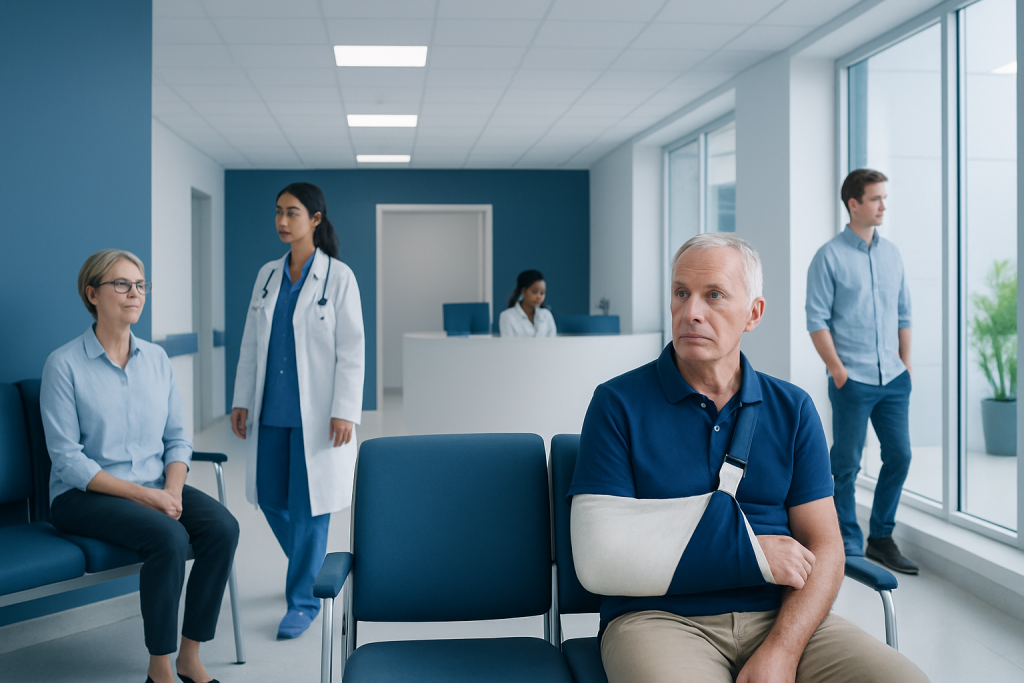
A broken elbow can affect the upper arm bone, the radius, or the ulna near the joint. Common signs include pain, swelling, bruising, and difficulty bending or straightening the arm.
Key Takeaways
- A broken elbow can affect the upper arm bone, the radius, or the ulna near the joint.
- Common signs include pain, swelling, bruising, and difficulty bending or straightening the arm.
- Some elbow fractures heal with immobilization, while others need surgery to restore alignment and stability.
- Early medical evaluation is important if the elbow looks deformed, cannot move, or is accompanied by numbness or severe swelling.
- Rehabilitation is often a key part of recovery because elbow stiffness can develop after injury.
A broken elbow is a fracture involving one or more bones that form the elbow joint. Prompt diagnosis and the right treatment help protect joint alignment, reduce pain, and support the best possible recovery of movement and strength.
Overview: what a broken elbow means
A broken elbow is a fracture in one or more of the bones that meet at the elbow joint. These include the lower end of the upper arm bone (humerus) and the upper ends of the two forearm bones (radius and ulna). Because the elbow is a complex hinge joint that also allows the forearm to rotate, a fracture can affect both stability and motion.
The term “broken elbow” covers several injury patterns. A person may have a small crack in the bone, a fracture where the pieces have shifted out of place, or a more complex injury involving the joint surface. In children, the growth plate can also be involved, which needs careful assessment.
Not every elbow injury is a fracture. Sprains, dislocations, bruises, and tendon injuries can cause similar symptoms at first. However, pain after a fall, direct blow, or twisting injury should be taken seriously because timely treatment helps reduce the risk of long-term stiffness, poor healing, or arthritis in the joint.
Signs and symptoms of a broken elbow
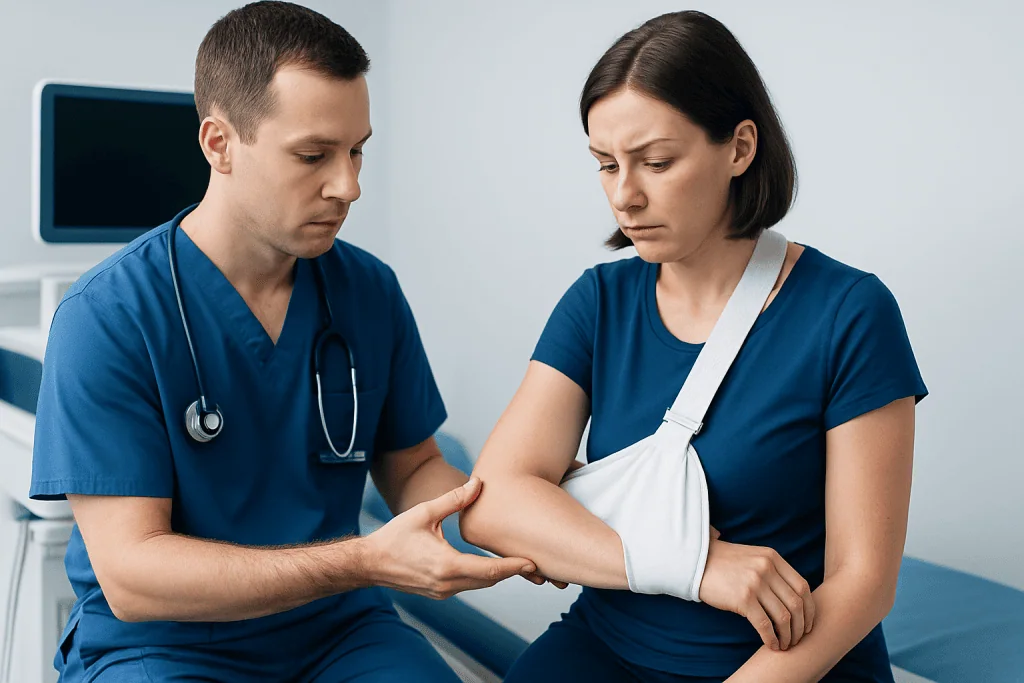
Symptoms can vary depending on which bone is broken and whether the fracture is stable or displaced. The most common symptom is sudden pain around the elbow after an injury. Swelling often develops quickly, and bruising may appear over the next several hours.
Many people find it hard to bend or straighten the elbow. Turning the palm up and down may also be painful if the fracture involves the radius or the joint surface. Some fractures cause a visible deformity, while others may look relatively mild from the outside despite significant internal injury.
Possible signs of a broken elbow include:
- Pain that worsens with movement or touch
- Swelling around the elbow or forearm
- Bruising or tenderness
- Difficulty moving the elbow, wrist, or fingers
- A popping sensation at the time of injury
- Visible change in the shape of the joint
- Numbness, tingling, or weakness in the hand
Numbness or color change in the hand may suggest pressure on a nerve or blood vessel. This needs urgent assessment. In some cases, a broken elbow may occur together with a dislocated elbow, which can further affect circulation and nerve function.
How elbow fractures happen and who is at risk
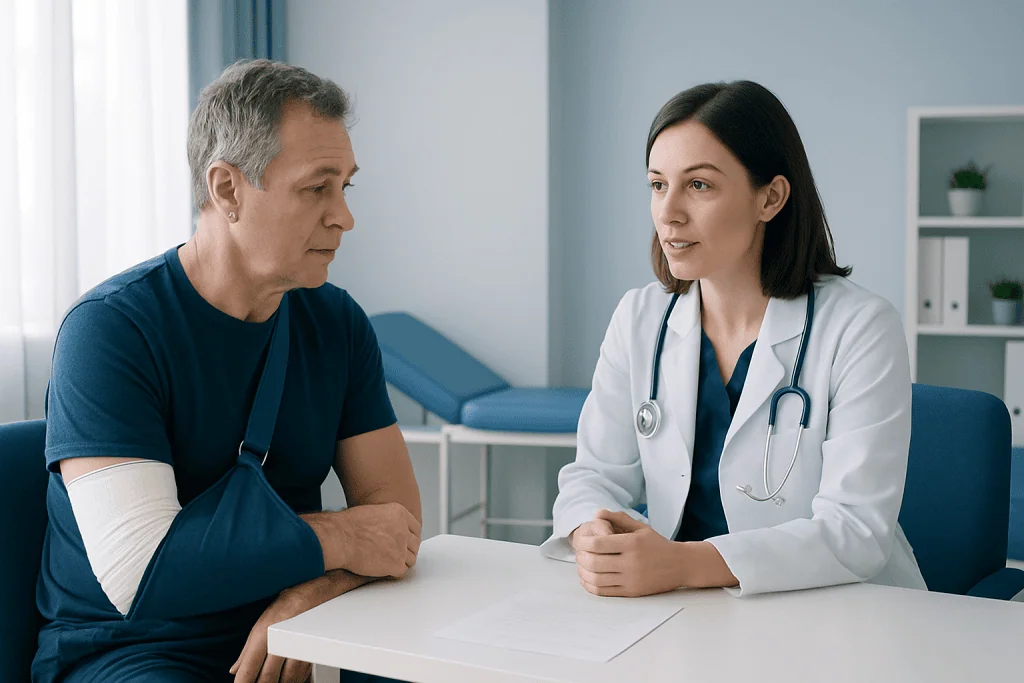
A broken elbow most often happens after a fall onto an outstretched hand, a direct hit to the elbow, or a sports-related collision. It can also occur in traffic accidents or workplace injuries. In older adults, even a lower-impact fall may be enough to cause a fracture if bone strength is reduced.
Children commonly injure the elbow during play, cycling, climbing, or contact sports. Their fracture patterns can differ from those in adults because growing bones behave differently under stress. For this reason, a child with elbow pain after a fall should be assessed carefully even if the injury does not appear dramatic.
Factors that may increase the risk include:
- Participation in contact sports or activities with falls
- Reduced bone density, including osteoporosis
- Older age and balance problems
- Previous elbow injury or surgery
- High-energy trauma such as road traffic accidents
Doctors also look at whether there are associated injuries, such as ligament damage, other fractures in the arm, or soft-tissue injury. This full picture helps guide treatment and recovery planning.
How doctors diagnose a broken elbow
Diagnosis begins with a medical history and physical examination. The doctor asks how the injury happened, where the pain is strongest, and whether there is numbness, weakness, or trouble moving the fingers. The arm is checked for swelling, tenderness, deformity, skin injury, and signs that nerves or blood vessels may be affected.
X-rays are usually the first imaging test. They help confirm whether there is a fracture, show which bone is involved, and reveal whether the pieces are aligned. In some cases, the fracture line is subtle at first, especially in children, so repeat imaging or specialist review may be needed if symptoms strongly suggest a fracture.
A CT scan may be recommended when the fracture extends into the joint or appears complex on X-ray. This gives a more detailed view of the bone and can help surgeons plan treatment if an operation is needed. In selected cases, additional imaging may be used to assess nearby soft tissues or related injuries.
Because fractures around the elbow can be complicated, some patients may be referred for orthopedic rehabilitation planning early in the process, especially if stiffness, weakness, or reduced function are likely to be important parts of recovery.
Treatment options for a broken elbow
Treatment depends on the type of fracture, whether the bones are in the correct position, the patient’s age, and whether the joint is stable. Some broken elbows can be treated without surgery using a splint or cast to keep the joint still while the bone heals. Pain relief, elevation, and follow-up imaging are often part of this plan.
If the bone fragments are displaced, the joint surface is disrupted, the elbow is unstable, or a nerve or blood vessel is affected, surgery may be recommended. The aim is to restore alignment and protect elbow movement as much as possible. This may involve fixation with pins, screws, or plates through procedures within orthopedic care or, when indicated, trauma and emergency surgery.
Regardless of whether surgery is needed, doctors try to balance protection of the fracture with early, safe movement. The elbow is especially prone to stiffness after injury, so long periods of immobilization are usually avoided unless clearly necessary. Follow-up visits help confirm healing progress and detect problems such as loss of alignment or delayed union.
After the early healing phase, many patients benefit from guided exercises to improve range of motion, strength, and daily function. In more complex cases, support from physical therapy and rehabilitation can be useful to help regain confidence in using the arm.
Recovery, rehabilitation, and daily self-care
Recovery time depends on the fracture pattern, treatment method, age, general health, and whether the joint surface was involved. Simple fractures may heal relatively smoothly, while complex injuries can require a longer period of treatment and rehabilitation. Even when the bone heals well, the elbow may feel stiff for some time.
Self-care during recovery usually includes keeping the arm elevated when possible, using cold packs as advised, and protecting the splint or cast. Patients should follow instructions about movement carefully. Too much motion too early can affect healing, but too little motion for too long can increase stiffness.
Helpful recovery habits may include:
- Attending all follow-up appointments and imaging checks
- Doing prescribed hand, wrist, or shoulder exercises
- Starting elbow exercises only when the treating doctor says it is safe
- Watching for increased pain, swelling, redness, or numbness
- Eating a balanced diet that supports bone healing
- Avoiding smoking, which can interfere with bone repair
Return to sport, driving, work, or heavy lifting should be discussed individually. The timing can vary widely depending on pain control, healing, and the physical demands of daily activities. A clinician can advise when the joint is stable enough for these steps.
When to seek medical care
Anyone who may have a broken elbow should seek medical assessment promptly, especially after a fall or direct injury. Fast evaluation helps confirm whether there is a fracture, determine if the joint is stable, and identify any nerve or blood vessel problems that need urgent attention.
Urgent care is especially important if the elbow looks deformed, the pain is severe, the arm cannot be moved, or the hand becomes cold, pale, numb, or weak. An open wound near the elbow or bone visible through the skin should be treated as an emergency. Children should also be assessed quickly because growth plate injuries can affect future development if missed.
It is sensible to avoid eating or drinking until medical advice is received if surgery might be needed. Until then, the arm can be supported in a sling or against the body, and jewelry should be removed from the hand if swelling is increasing. People should avoid trying to force the elbow back into position themselves.
For international patients who need coordinated orthopedic assessment, Acibadem International’s multidisciplinary specialists in JCI-accredited hospitals diagnose and treat elbow injuries with imaging, surgery when needed, and rehabilitation support.
Can a broken elbow be prevented?
Not every elbow fracture can be prevented, but some practical steps may reduce risk. In everyday life, preventing falls is especially important for older adults. This can include good lighting at home, removing loose rugs, using supportive footwear, and reviewing vision and balance concerns with a doctor.
For children and active adults, protective gear and safe sports technique matter. Wrist guards, elbow pads in selected activities, and properly fitted equipment may lower injury risk in cycling, skating, and some contact sports. Strength, coordination, and supervised training also help reduce falls and awkward landings.
Bone health is another part of prevention. Adequate calcium and vitamin D intake, weight-bearing exercise, and medical assessment for low bone density may help lower fracture risk over time. People with repeated falls or known osteoporosis should speak with a qualified clinician about personalized prevention strategies.
Frequently asked questions
How do people know if an elbow is broken or just bruised?
A broken elbow often causes significant pain, swelling, and difficulty moving the arm after an injury. However, a bruise, sprain, or dislocation can feel similar, so an examination and usually an X-ray are needed to confirm the cause.
Can a broken elbow heal without surgery?
Yes, some elbow fractures heal without surgery if the bones remain well aligned and the joint is stable. These injuries are often treated with a splint or cast followed by careful follow-up and guided movement at the right time.
How long does a broken elbow take to heal?
Healing time varies depending on the fracture type, age, and treatment. Bone healing often takes several weeks, but regaining full movement and strength may take longer, especially if the injury was complex or surgery was needed.
Is elbow stiffness common after a fracture?
Yes, stiffness is common after a broken elbow because the joint is sensitive to both injury and immobilization. Early, doctor-guided rehabilitation can help improve range of motion while still protecting healing tissues.
Should a person move the elbow after the injury?
A person should avoid forcing movement after a suspected fracture. The elbow should be supported and assessed by a medical professional, who can advise when movement is safe based on imaging and the exact injury pattern.
When is a broken elbow an emergency?
It is an emergency if there is severe deformity, an open wound, uncontrolled pain, or signs of poor circulation such as a cold, pale hand. Numbness, weakness, or inability to move the fingers also needs urgent medical attention.
References
- American Academy of Orthopaedic Surgeons
- National Institute of Arthritis and Musculoskeletal and Skin Diseases
- American Society for Surgery of the Hand
- Mayo Clinic
- MedlinePlus
This article is for general information only and is not a substitute for professional medical advice. Please consult a qualified doctor about your individual situation.
Joint and spine care in Turkey — expert assessment & treatment
JCI-accredited · board-certified surgeons · reply within 24h

More from the Health Library

Related Specialists

Dr. Meliha Kovancı Bayraktaroğlu
Gynecology & Obstetrics
Dr. Halil Ertürk
Internal Medicine
Dr. Ecem Sevim Akı
Otorhinolaryngology
Dr. Salim Sırrı Türker
Orthopedic Surgery & Traumatology