Eyes Dilated: What Patients Need to Know

Dilated pupils are often harmless and can happen in low light, during stress, or after certain eye drops or medicines. One or both pupils may stay enlarged longer than expected if a medication effect, eye injury, or nerve problem is present.
Key Takeaways
- Dilated pupils are often harmless and can happen in low light, during stress, or after certain eye drops or medicines.
- One or both pupils may stay enlarged longer than expected if a medication effect, eye injury, or nerve problem is present.
- Urgent medical care is needed if dilated pupils occur with severe headache, eye pain, vision loss, confusion, weakness, or after head trauma.
- Doctors evaluate dilated pupils with an eye exam, a review of medicines, and sometimes imaging or neurological testing.
- Treatment depends on the cause and may range from observation to treating an eye disease, medication effect, or neurological emergency.
Eyes dilated means the pupils are larger than usual. This can be a normal response to darkness or medications, but in some cases it may point to an eye, nerve, or brain problem that needs prompt medical attention.
Overview: What it means when eyes are dilated
Eyes dilated means the black center of the eye, called the pupil, is larger than normal. Pupils naturally get bigger in dim light to let in more light and smaller in bright light to protect the eye and sharpen vision. This normal widening is temporary and usually affects both eyes equally.
People may also notice dilated pupils after an eye examination because doctors often use special drops to widen the pupils and see the back of the eye more clearly. In that setting, blurred near vision and light sensitivity can last for several hours, and sometimes longer depending on the drops used and the individual person.
Not all cases are routine. Pupils can stay enlarged because of certain medicines, recreational substances, eye injury, increased stress, or medical conditions affecting the eye, nerves, or brain. When one pupil is much larger than the other, or when pupil changes happen suddenly with other symptoms, medical assessment is important.
How pupils normally work
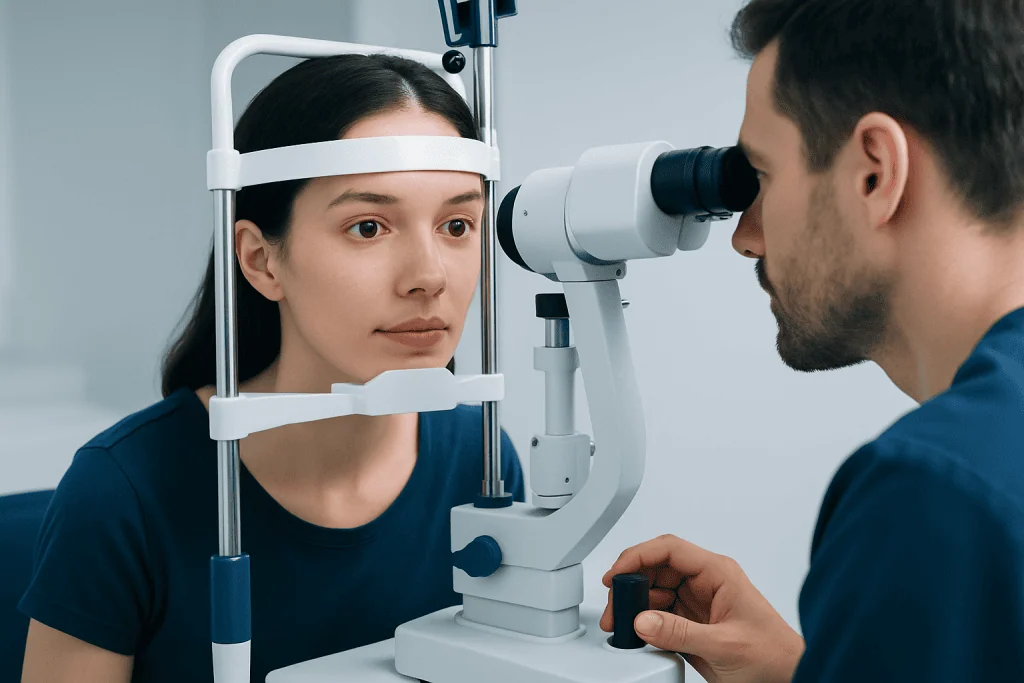
The pupil changes size through a balance between muscles in the iris and signals from the nervous system. Bright light causes the pupil to constrict, while darkness, emotional arousal, and some medications can make it widen. This system helps the eye adapt to different environments and maintain clear vision.
Doctors use the term mydriasis for an enlarged pupil. A mild difference in pupil size can be normal in some people, but a sudden or obvious change is more significant. The timing matters as well: pupils that enlarge briefly in a dark room are expected, while pupils that remain enlarged in bright light may need evaluation.
Knowing whether one eye or both eyes are affected helps guide the next steps. Both pupils enlarged together often suggests medication, eye drops, lighting conditions, or a body-wide cause. A single enlarged pupil raises more concern for a local eye problem, nerve issue, or injury affecting that side.
Common causes of dilated pupils

Many causes of dilated pupils are not dangerous. Common examples include being in a dark place, feeling startled or anxious, and receiving dilating eye drops during an exam. Some prescription and nonprescription medicines can also enlarge the pupils, including certain antihistamines, antidepressants, decongestants, anti-nausea drugs, and medications used for attention or motion sickness.
Substances that stimulate the nervous system may also cause eyes to appear dilated. In addition, some people develop enlarged pupils after accidental contact with plant chemicals or skin patches containing medications that affect the eye if the substance reaches the eye by hand contact.
Eye-related causes include trauma, inflammation inside the eye, and conditions that damage the iris muscles. Neurological causes can involve the nerves that control the pupil, such as a third nerve palsy, or less commonly problems involving the brain. In some situations, a persistently enlarged pupil can be part of a known eye condition such as glaucoma, especially if there is pain, redness, and blurred vision.
- Normal response to darkness
- Dilating eye drops after an eye exam
- Medication side effects or accidental chemical exposure
- Stress or strong emotional arousal
- Eye injury or inflammation
- Nerve or brain disorders affecting pupil control
Symptoms that can happen along with eyes dilated
Some people have no symptoms other than noticing that the pupils look larger. Others may experience blurred near vision, glare, or sensitivity to light because a wider pupil lets more light into the eye. These symptoms are especially common after a dilated eye exam or after medication-related pupil enlargement.
Associated symptoms can help show whether the cause is more serious. Eye pain, redness, halos around lights, double vision, drooping of the eyelid, severe headache, nausea, confusion, weakness, or numbness suggest the need for prompt medical review. A newly enlarged pupil after a blow to the eye or head should also be assessed quickly.
If one pupil is larger than the other, doctors call this anisocoria. Some anisocoria is harmless and long-standing, but if it is new, noticeably worse in bright light, or paired with visual or neurological symptoms, a doctor needs to evaluate it. When vision changes are prominent, eye specialists may examine for problems such as retinal detachment or other urgent eye conditions depending on the full symptom pattern.
How doctors diagnose the cause
Evaluation begins with a careful history. The doctor asks when the pupils became enlarged, whether one or both are affected, whether eye drops or new medicines were used, and whether there has been trauma, headache, eye pain, or other symptoms. Bringing a medication list, including over-the-counter products and patches, can be very helpful.
The examination includes checking vision, eye movements, eyelid position, how the pupils react to light, and whether the pupils are equal. The eyes are also examined for redness, pressure changes, corneal injury, or inflammation. In some cases, a full dilated exam is needed to look at the optic nerve and retina, similar to what is done during a comprehensive eye examination.
If the findings suggest a nerve problem or another urgent cause, additional tests may be recommended. These can include brain imaging, blood tests, or referral to neurology or ophthalmology. Sometimes the diagnosis is straightforward, such as medication-related dilation, while in other cases more than one visit is needed to confirm the cause and make sure the pupil returns to normal.
Treatment options and what recovery looks like
Treatment depends entirely on the cause. If the pupils are enlarged from routine dilating drops or a temporary medication effect, no specific treatment may be needed. Wearing sunglasses outdoors, avoiding driving until vision is clear, and allowing time for the effect to wear off are often enough.
If an underlying eye condition is present, treatment focuses on that problem. For example, raised eye pressure, inflammation, or injury may need prescription treatment, close follow-up, or procedures. When symptoms suggest a more urgent eye problem, specialists may recommend tests or targeted care, and some patients may need glaucoma treatment or another eye-directed approach based on the diagnosis.
Neurological causes are treated according to the specific disorder. A pupil change related to nerve compression, stroke-like symptoms, or head injury is a medical emergency and may require rapid imaging and hospital care. If the enlarged pupil is due to a medication or substance, the doctor may advise adjusting or stopping the trigger safely rather than stopping it suddenly without guidance.
Prevention and self-care
Not every case can be prevented, but practical steps can reduce avoidable causes. Medicines should be used exactly as directed, and hands should be washed after touching eye drops, patches, or topical products that could accidentally reach the eye. Protective eyewear during sports, home repairs, or hazardous work can help prevent trauma-related pupil changes.
After a planned eye dilation, it helps to bring sunglasses and arrange transportation if near vision becomes blurry or glare becomes bothersome. Patients who know they are sensitive to dilating drops can mention this before an exam. People with ongoing eye disease should attend regular follow-up because some causes of pupil changes are easier to manage when identified early.
Self-checking in a mirror can sometimes be misleading because room lighting affects pupil size. A person who notices eyes dilated repeatedly, especially if it is new or mostly on one side, should arrange a proper medical assessment rather than trying home remedies. If surgery or a procedure is required for the underlying cause, eye specialists may discuss options that can include eye surgery when appropriate.
When to seek medical care
Prompt medical care is recommended if eyes dilated appear suddenly and are not clearly explained by prescribed eye drops or a known medication effect. Urgent evaluation is especially important when one pupil is much larger than the other, or when the pupil does not react normally to light.
Emergency care is needed if dilated pupils happen with severe headache, eye pain, vomiting, vision loss, double vision, confusion, fainting, weakness, trouble speaking, seizures, or after head or eye injury. These symptoms may point to an emergency involving the eye, nerves, or brain.
For nonurgent but persistent symptoms, an ophthalmologist or appropriate physician can identify the cause and advise on treatment and follow-up. Acibadem International’s multidisciplinary specialists and JCI-accredited hospitals diagnose and treat eye and neurological conditions for international patients when further evaluation is needed.
Frequently asked questions
Are dilated pupils always a sign of a serious problem?
No. Dilated pupils are often a normal response to darkness or the expected effect of eye drops used during an eye exam. They can also happen with certain medicines, but if the change is sudden, one-sided, or comes with pain or neurological symptoms, a doctor should evaluate it.
How long do pupils stay dilated after eye drops?
It varies by the type of drops and the person. Many people notice larger pupils and light sensitivity for several hours, while some effects can last into the next day. The eye team can explain what to expect after a specific examination.
Why is one pupil bigger than the other?
A small, long-standing difference can be normal in some people. A new or obvious size difference may be related to eye injury, inflammation, nerve problems, or medication exposure to one eye. New anisocoria should be checked, especially if it is paired with drooping eyelid, double vision, or headache.
Can stress make eyes look dilated?
Yes. Strong emotions, fear, and adrenaline can temporarily enlarge the pupils. This usually improves once the body settles, but persistent dilation still deserves medical review if there is no clear explanation.
Should someone drive after their eyes are dilated at the eye doctor?
Some people can drive safely, but others find glare and blurred near vision make driving uncomfortable or unsafe. Sunglasses can help with light sensitivity, and arranging a ride is a sensible option if vision feels affected.
What specialist should evaluate persistent dilated pupils?
An ophthalmologist is often the best first specialist because they can examine the eye in detail and assess how the pupils respond. If the findings suggest a nerve or brain cause, neurology or emergency care may also be needed.
References
- American Academy of Ophthalmology
- National Eye Institute
- Merck Manual Professional Edition
- Mayo Clinic
- MedlinePlus
This article is for general information only and is not a substitute for professional medical advice. Please consult a qualified doctor about your individual situation.
Explore treatments in Turkey — costs, top hospitals & a free quote
JCI-accredited · board-certified surgeons · reply within 24h