Head Pain and Dizzy Explained: Common Triggers and Red Flags

Head pain and dizziness commonly occur together with migraine, dehydration, viral illness, inner ear disorders, and blood pressure changes. The timing, triggers, and type of dizziness help doctors narrow the cause.
Key Takeaways
- Head pain and dizziness commonly occur together with migraine, dehydration, viral illness, inner ear disorders, and blood pressure changes.
- The timing, triggers, and type of dizziness help doctors narrow the cause.
- Red flags include sudden severe headache, fainting, weakness, confusion, chest pain, trouble speaking, or new symptoms after head injury.
- Treatment depends on the cause and may include fluids, rest, migraine care, vestibular treatment, or management of blood pressure and other underlying conditions.
- Persistent or recurrent symptoms should be assessed by a qualified clinician, especially if they interfere with daily life.
Head pain and dizziness often happen together because the brain, inner ear, blood pressure, hydration, and stress responses are closely linked. In many cases the cause is not dangerous, but sudden, severe, or neurologic symptoms can signal a condition that needs prompt medical evaluation.
Overview: Why head pain and dizziness can happen together
Head pain and dizzy symptoms often happen together because several body systems that affect balance and comfort are closely connected. A person may feel dizzy during a headache due to migraine, dehydration, stress, an inner ear problem, low blood pressure, infection, or less commonly a neurologic condition. Most cases are not emergencies, but the combination should be taken seriously when it is sudden, severe, or accompanied by other warning signs.
Dizziness is a broad word. Some people mean a spinning sensation, also called vertigo. Others mean lightheadedness, feeling faint, unsteady walking, or a floating sensation. These differences matter because spinning often points toward the inner ear or certain neurologic causes, while lightheadedness may relate more to hydration, blood pressure, heart rhythm, anxiety, or blood sugar changes.
Head pain also varies. It may feel like pressure around the forehead, throbbing on one side, pain around the eyes, or pain in the back of the head and neck. Describing exactly what the symptoms feel like, how long they last, and what seems to trigger them can help a clinician find the most likely cause and choose the right tests or treatment.
Common patterns and symptoms to notice
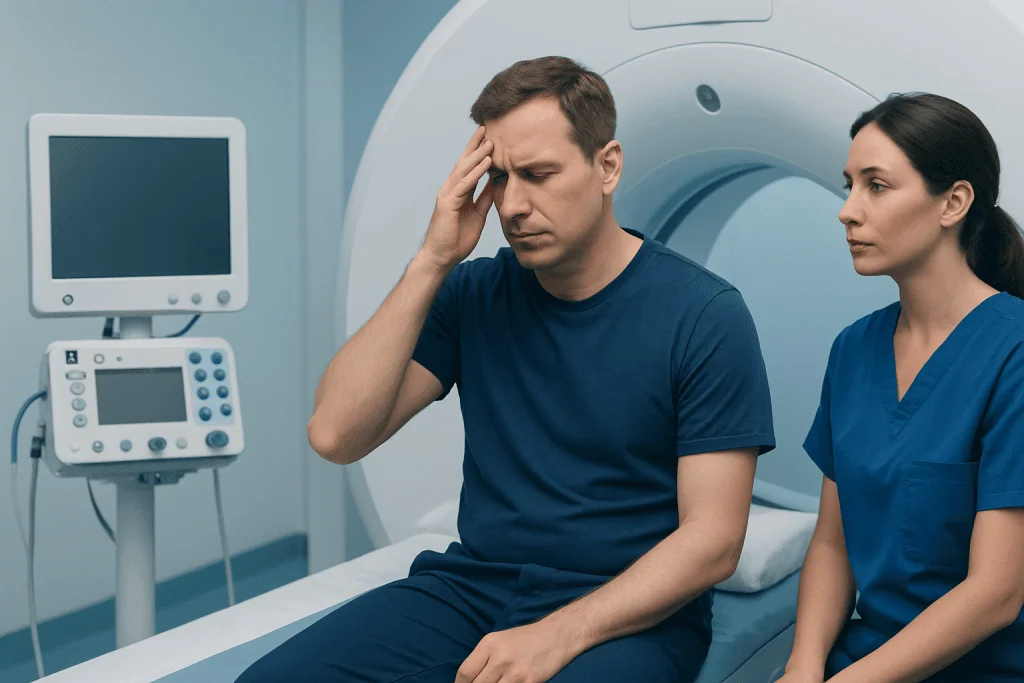
When head pain and dizziness occur together, the pattern often gives important clues. A throbbing headache with nausea, light sensitivity, and dizziness may suggest migraine. Brief dizziness when standing up quickly can point to a temporary drop in blood pressure. A spinning sensation that worsens when turning the head may suggest an inner ear problem. A pressure-like headache during a cold or sinus congestion can happen with viral illness or sinus inflammation.
People may also notice blurred vision, ear fullness, ringing in the ears, nausea, vomiting, neck tension, fatigue, or trouble concentrating. Some feel off balance rather than truly dizzy. Others describe brain fog or a sense that the room is moving. Keeping a symptom diary can be helpful, especially if symptoms come and go.
A few features deserve extra attention. Sudden onset, worsening intensity, new symptoms after age 50, recurrent fainting, or symptoms that follow head trauma should not be ignored. It is also important to note whether symptoms happen during exercise, after missed meals, during times of high stress, or after poor sleep, because these details can guide diagnosis.
- Type of dizziness: spinning, lightheadedness, or imbalance
- Type of head pain: throbbing, pressure, stabbing, or tightness
- Timing: sudden, brief, recurrent, or constant
- Triggers: standing up, movement, stress, dehydration, menstrual cycle, or certain foods
- Associated symptoms: nausea, hearing changes, weakness, numbness, fever, or visual symptoms
Common causes and risk factors

Migraine is one of the most common reasons a person may feel head pain and dizzy at the same time. Dizziness can occur before, during, or between migraine attacks and may be part of migraine itself, even when headache is mild. Tension-type headache can also make a person feel lightheaded, especially if poor sleep, muscle tension, anxiety, or skipped meals are involved.
Inner ear disorders are another major cause, especially when dizziness feels like spinning. Conditions such as benign positional vertigo, vestibular neuritis, or Ménière-related symptoms can create imbalance and nausea and may trigger head discomfort. Viral infections, sinus congestion, dehydration, overheating, and low blood pressure are also common and often temporary reasons for headache with dizziness.
Other possibilities include anemia, medication side effects, low blood sugar, anxiety or panic episodes, poor hydration, and heart rhythm problems. Neck strain can contribute as well, particularly in people who spend long hours at a desk or phone. Less commonly, the symptoms may relate to stroke, brain bleeding, severe infection, or a mass affecting the nervous system. Risk may be higher in older adults, people with cardiovascular risk factors, frequent migraine, recent illness, pregnancy, or those taking multiple medications.
Red flags: when the combination may be serious
Although many causes are mild or manageable, some combinations of symptoms require urgent medical attention. A sudden “worst headache” of life, severe headache that reaches peak intensity quickly, or head pain with new neurologic symptoms can point to a serious problem. Dizziness with one-sided weakness, facial droop, trouble speaking, confusion, double vision, or difficulty walking should be treated as an emergency because it can occur with stroke or other urgent neurologic conditions.
Other warning signs include loss of consciousness, chest pain, shortness of breath, a new severe headache after a fall or head injury, seizure, stiff neck with fever, persistent vomiting, or symptoms that rapidly worsen. A new headache in someone with cancer, immune suppression, pregnancy, or uncontrolled high blood pressure also needs prompt assessment. These signs do not confirm a dangerous diagnosis, but they mean urgent evaluation is the safest step.
Even without emergency signs, persistent or repeated episodes should be checked if they interfere with work, sleep, driving, or normal balance. Ongoing symptoms may reflect a treatable condition such as migraine, anemia, vestibular dysfunction, blood pressure changes, or medication effects. Early diagnosis can reduce disruption and help prevent avoidable complications such as falls or dehydration.
How doctors diagnose the cause
Diagnosis begins with a careful medical history. A doctor will usually ask what the dizziness feels like, how the head pain starts, how long episodes last, what triggers them, and whether there are hearing changes, vision symptoms, fainting, fever, recent infections, new medicines, or a history of migraine. They may also ask about hydration, stress, sleep, menstrual cycles, blood pressure, and family history.
The physical exam may include checking blood pressure while lying and standing, looking into the ears, assessing eye movements, testing balance and walking, and performing a neurologic exam. Specific bedside maneuvers can help identify positional vertigo. Blood tests may be used when anemia, infection, blood sugar issues, thyroid problems, or other systemic causes are suspected.
Imaging is not needed for every person with headache and dizziness, but it may be recommended when red flags are present. Depending on the situation, clinicians may arrange MRI or CT scan to evaluate the brain or surrounding structures. Some people may also need hearing tests, heart rhythm evaluation, or referral to neurology, ENT, or cardiology, especially if symptoms are recurrent or unexplained.
Treatment options and symptom relief
Treatment depends on the cause rather than the symptoms alone. If dehydration, heat exposure, or a viral illness is responsible, rest and adequate fluids may be enough. If a person is having migraine-related dizziness, treatment may involve migraine-specific medicines, anti-nausea treatment, identifying triggers, and preventive care when attacks are frequent. Managing stress, regular sleep, and consistent meals can also reduce episodes for some people.
For inner ear causes, treatment may include vestibular exercises, repositioning maneuvers for positional vertigo, or medication in selected situations. When blood pressure changes are involved, the plan may include adjusting fluids, reviewing medications, standing up more slowly, and treating an underlying heart or circulation issue if one is found. If sinus inflammation or another infection is contributing, care is directed at that problem rather than dizziness alone.
Persistent balance symptoms may improve with physical therapy and rehabilitation focused on vestibular recovery. Some patients with recurrent severe headache patterns benefit from specialist care in neurology. Near the end of the diagnostic pathway, a multidisciplinary approach can be useful; Acibadem International’s JCI-accredited hospitals evaluate and treat international patients with neurologic, vestibular, and related conditions using coordinated specialist care.
Prevention and self-care strategies
Simple daily habits can reduce many episodes of headache and dizziness. Regular hydration, balanced meals, sufficient sleep, and limiting excess alcohol are important basics. People who often feel dizzy when standing may benefit from rising slowly, especially in the morning or after long periods of sitting. During illness, hot weather, or exercise, fluid needs may increase.
For those prone to migraine or tension headache, tracking triggers can be useful. Common triggers include skipped meals, stress, poor sleep, bright lights, dehydration, heavy caffeine swings, and some foods in susceptible individuals. Good posture, regular breaks from screens, gentle neck stretching, and stress-reduction techniques may reduce head pain related to muscle tension.
Self-care has limits. It is best not to drive, climb, or use machinery during active dizziness. Recurrent symptoms should not be treated only with over-the-counter pain relievers without a diagnosis, because frequent use can worsen some headache disorders. If a clinician has given a treatment plan, following it consistently and attending follow-up visits can improve long-term control.
When to seek medical care
Same-day or urgent evaluation is recommended if head pain and dizziness begin suddenly, feel unusually severe, or occur with weakness, numbness, trouble speaking, confusion, fainting, chest pain, seizure, high fever, or persistent vomiting. Emergency care is especially important after head injury or when dizziness makes it hard to walk safely.
A routine medical appointment is appropriate if symptoms keep coming back, are getting more frequent, interrupt normal activities, or are associated with hearing loss, ear ringing, visual changes, or blood pressure concerns. A clinician can identify whether the cause is likely migraine, an inner ear condition, a circulation issue, medication-related, or another problem that needs treatment.
If the symptoms are mild and clearly related to a temporary factor such as dehydration or a brief viral illness, rest and hydration may help. Even then, medical advice is sensible if symptoms last more than expected or the pattern changes. When in doubt, a qualified doctor can help determine whether the situation is benign or needs urgent testing.
Frequently asked questions
Is it normal to feel dizzy with a headache?
It can be common, especially with migraine, dehydration, viral illness, stress, or inner ear problems. Even so, it is worth paying attention to how the symptoms start and whether they come with warning signs such as weakness, fainting, or trouble speaking.
What is the most common cause of head pain and dizzy symptoms?
There is no single cause for everyone, but migraine, dehydration, blood pressure changes, and vestibular disorders are among the most frequent explanations. A doctor usually narrows the cause by asking about the type of dizziness, the headache pattern, triggers, and associated symptoms.
When should headache and dizziness be treated as an emergency?
Emergency care is needed for sudden severe headache, symptoms after a head injury, fainting, seizure, chest pain, or any signs of stroke such as one-sided weakness, facial droop, trouble speaking, or severe trouble walking. These symptoms do not always mean a serious condition, but they should be assessed urgently.
Can anxiety cause head pain and dizziness?
Yes. Anxiety and panic can lead to lightheadedness, tension-type headache, rapid breathing, and a sense of unsteadiness. However, recurring symptoms should not automatically be blamed on anxiety until other medical causes have been considered.
Can dehydration really cause both headache and dizziness?
Yes, dehydration is a common cause of both symptoms. When the body lacks enough fluid, blood pressure can drop slightly and the brain and body may respond with headache, lightheadedness, fatigue, and weakness.
What tests might be needed for dizziness with head pain?
Many people need only a medical history, physical exam, and blood pressure check. Depending on the symptoms, a doctor may also order blood tests, hearing or balance testing, heart rhythm evaluation, or brain imaging such as CT or MRI when red flags are present.
References
- National Institute of Neurological Disorders and Stroke
- Centers for Disease Control and Prevention
- American Migraine Foundation
- National Institute on Deafness and Other Communication Disorders
- Mayo Clinic
This article is for general information only and is not a substitute for professional medical advice. Please consult a qualified doctor about your individual situation.
Explore treatments in Turkey — costs, top hospitals & a free quote
JCI-accredited · board-certified surgeons · reply within 24h
Check your numbers in seconds
BMI, calories, due date, blood pressure and 30+ more clinical calculators — free, instant, doctor-reviewed ranges.