Leadless Pacemaker: A Complete Medical Overview

A leadless pacemaker is implanted inside the heart through a vein, usually in the groin, without leads in the chest. It is mainly used for certain forms of bradycardia, especially when single-chamber pacing is appropriate.
Key Takeaways
- A leadless pacemaker is implanted inside the heart through a vein, usually in the groin, without leads in the chest.
- It is mainly used for certain forms of bradycardia, especially when single-chamber pacing is appropriate.
- Compared with conventional pacemakers, it may lower the risk of lead-related and pocket-related complications.
- Not everyone is a candidate; device choice depends on the heart rhythm problem, anatomy, and overall health.
- Regular follow-up is still important to check device function, battery life, and symptom control.
A leadless pacemaker is a very small cardiac device implanted directly inside the heart to help maintain a safe heartbeat in selected patients with slow heart rhythms. It avoids the traditional chest pocket and pacing wires, which can reduce certain procedure-related issues, but it is not the right choice for every rhythm problem.
What a leadless pacemaker is and how it works
A leadless pacemaker is a miniature pacemaker placed directly inside the heart, most often in the right ventricle, to help control a heartbeat that is too slow. Unlike a standard pacemaker, it does not require insulated wires called leads running through the veins and does not need a device pocket under the skin of the chest. This is why it is often described as a wireless pacemaker, although it still performs the same basic job of delivering electrical impulses when the heart needs support.
The device is inserted through a catheter, usually via a vein in the groin, and then positioned inside the heart. Once attached to the heart muscle, it senses the heart’s natural electrical activity and sends a small pulse only when needed. This “on-demand” pacing helps maintain a safer, more regular rate in people whose own rhythm is too slow or unreliable.
Leadless systems are designed for carefully selected patients rather than as a universal replacement for standard pacemakers. Their main advantage is the absence of chest leads and a surgical pocket, two areas where traditional devices can sometimes develop complications such as infection, discomfort, lead fracture, or displacement. However, the best option depends on the exact rhythm disorder and the pacing support the patient needs.
Who may need one
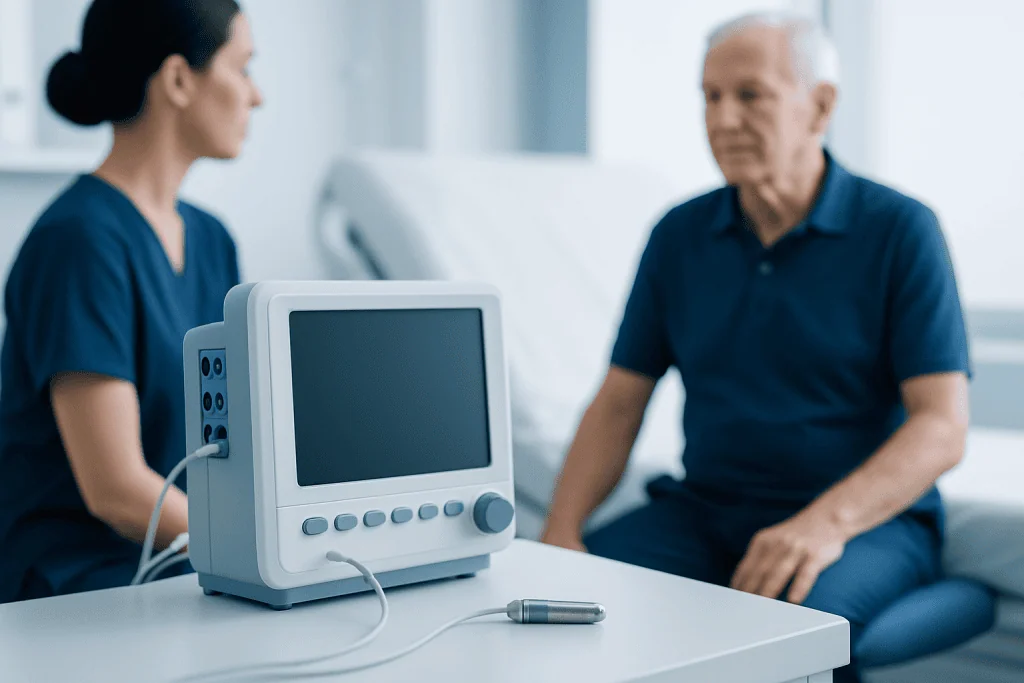
A leadless pacemaker is generally considered for people with bradycardia, a heartbeat that is slower than the body needs. Symptoms can include fatigue, dizziness, exercise intolerance, near-fainting, or fainting. In some cases, the slow rhythm is due to aging changes in the heart’s conduction system; in others, it may be related to heart disease, prior heart procedures, medication effects, or a condition affecting the sinus node or atrioventricular conduction pathways.
This type of pacemaker is most commonly used when single-chamber pacing is appropriate. For example, it may help selected patients with atrial fibrillation and a slow ventricular response, or some people with intermittent or persistent atrioventricular block. It may also be a useful option for patients who have limited venous access, a higher risk of device-pocket complications, or a history that makes traditional lead placement less desirable.
By contrast, some patients need pacing in more than one chamber or more advanced device therapy. In those situations, a conventional pacemaker or another cardiac device may be more suitable. A specialist evaluation is important to decide whether the rhythm problem can be treated effectively with a leadless system or whether a different approach is better, such as pacemaker implantation with a traditional device.
Potential benefits and possible limitations

The most important potential benefit of a leadless pacemaker is that it avoids transvenous leads and the chest pocket. This can reduce lead-related problems such as fracture, insulation damage, or vessel-related issues, and it removes the possibility of pocket discomfort or pocket infection. For some patients, the procedure may also leave less visible evidence of an implanted device because there is no incision under the collarbone.
Many people also appreciate that recovery may feel simpler because there is no arm movement restriction related to chest lead healing. The device is entirely self-contained, and routine checks can still be performed during follow-up. Modern systems are designed to be durable and to provide pacing support for years, though every implanted pacemaker has a finite battery life.
At the same time, a leadless pacemaker has limitations. Not all models are appropriate for all rhythm disorders, and not all patients need only single-chamber support. Replacing or managing the device at the end of battery life requires planning by an experienced electrophysiology team. As with any heart procedure, there are also procedural risks, including bleeding at the access site, heart injury, device dislodgement, or infection, although the overall safety profile is favorable when patients are selected carefully.
Evaluation and diagnosis before implantation
Before recommending a leadless pacemaker, doctors first confirm the exact cause of the slow heart rhythm and whether pacing is likely to improve symptoms or prevent complications. This usually starts with a medical history, a physical examination, and an electrocardiogram. Depending on how often symptoms occur, a Holter monitor or longer ambulatory rhythm monitor may be used to capture the rhythm over time.
Blood tests may help look for reversible causes of bradycardia, such as thyroid disorders or electrolyte imbalance. Echocardiography can assess heart structure and pumping function, which helps guide overall treatment planning. In some cases, especially when the rhythm problem is complex, a cardiologist specializing in heart rhythm disorders may recommend further testing to understand conduction abnormalities more clearly.
The decision is not based on rhythm alone. The team also considers vein anatomy, past infections, kidney function, bleeding risk, lifestyle factors, and whether the patient may need future procedures for other heart conditions. Some people being evaluated for a leadless pacemaker may also have related electrical conditions discussed under arrhythmia care or need a broader review of electrophysiology testing and management before the final device choice is made.
How the procedure is performed and what recovery is like
Leadless pacemaker implantation is usually performed in a specialized cardiac catheterization or electrophysiology setting. After anesthesia or conscious sedation, the doctor places a sheath into a large vein in the groin and advances a delivery catheter into the heart. The pacemaker is positioned inside the right ventricle, tested to confirm stable attachment and good electrical function, and then released.
After the procedure, the patient is monitored while the access site begins to heal. Hospital stay may be brief, depending on the person’s overall health, the reason for pacing, and whether any other treatment was needed. Follow-up includes checking the puncture site, reviewing symptoms, and testing the pacemaker to make sure it is sensing and pacing correctly.
Recovery instructions usually focus on protecting the groin access site, watching for swelling or bleeding, and returning gradually to normal activity. Unlike many traditional chest pacemaker procedures, there is no pocket wound under the collarbone and no lead across the shoulder area, so recovery restrictions may differ. Patients should still follow their cardiologist’s individualized advice and attend all scheduled device checks, whether in person or through remote monitoring when available.
Living with a leadless pacemaker
Most people can return to usual daily routines after recovery and feel reassured knowing the device supports the heart when the rate drops too low. The pacemaker does not usually prevent work, travel, or gentle to moderate exercise once a doctor says these activities are safe. Ongoing care includes periodic checks of battery status, pacing thresholds, and symptom response.
People living with a leadless pacemaker should tell healthcare professionals and dentists that they have an implanted heart device before procedures. They should also carry device identification information. Some medical tests and some sources of electromagnetic interference require special consideration, so it is wise to ask the cardiology team about specific work environments, security systems, or imaging tests such as MRI.
When symptoms improve after implantation, it can be tempting to skip follow-up, but regular assessment remains important. New symptoms such as fainting, worsening shortness of breath, palpitations, or swelling should be reviewed promptly because they may reflect a rhythm change or another heart issue. In selected patients with other structural or electrical concerns, doctors may coordinate pacing care with broader cardiology evaluation and treatment.
When to seek medical care
Medical advice should be sought promptly for symptoms that may suggest a significant slow heart rhythm or another heart problem. These include fainting, near-fainting, unexplained dizziness, marked fatigue, chest discomfort, shortness of breath, or confusion. Anyone with these symptoms should not assume they are due to stress, dehydration, or aging without a proper evaluation.
After a leadless pacemaker procedure, urgent medical review is important for persistent bleeding from the groin, severe swelling, fever, chills, worsening chest pain, sudden shortness of breath, or a return of the same symptoms that led to implantation. These signs do not always mean a serious complication, but they do need timely assessment.
People who already know they have a rhythm disorder should keep regular follow-up appointments even when they feel well. A cardiologist can explain whether symptoms are related to bradycardia, another rhythm condition, medication effects, or an unrelated illness. Near the end of the care pathway, some patients choose centers with dedicated electrophysiology teams; Acibadem International’s multidisciplinary specialists and JCI-accredited hospitals diagnose and treat heart rhythm disorders for international patients.
Frequently asked questions
Is a leadless pacemaker the same as a traditional pacemaker?
No. Both devices treat slow heart rhythms, but a leadless pacemaker sits inside the heart and does not use chest leads or a skin pocket. A traditional pacemaker is placed under the skin of the chest and connects to the heart through one or more leads.
Who is a good candidate for a leadless pacemaker?
Candidates are usually people with certain types of bradycardia where single-chamber pacing is enough. Suitability depends on the exact rhythm problem, heart anatomy, infection risk, prior procedures, and whether more complex pacing may be needed.
How long does a leadless pacemaker last?
Battery life varies by device type and how often pacing is needed. In general, these devices are designed to function for years, and regular follow-up helps the care team estimate when replacement planning may be needed.
Can a leadless pacemaker be removed?
In some situations, removal may be possible, especially early after implantation, but the approach depends on the device, how long it has been in place, and the clinical reason for removal. In other cases, doctors may leave the existing device in place and implant another device if needed.
Will a leadless pacemaker cure all heart rhythm problems?
No. It treats selected slow heart rhythms by supporting the heartbeat when it becomes too slow. It does not treat every arrhythmia, and some people need other medications, procedures, or different implanted devices.
Are there activity restrictions after implantation?
There are usually short-term restrictions while the groin access site heals, and the exact advice varies by patient. Long term, many people can return to normal daily activities, but exercise and work plans should be reviewed with the treating cardiologist.
References
- American Heart Association
- Heart Rhythm Society
- European Society of Cardiology
- National Heart, Lung, and Blood Institute
- Mayo Clinic
This article is for general information only and is not a substitute for professional medical advice. Please consult a qualified doctor about your individual situation.
Heart care in Turkey — expert evaluation and treatment
JCI-accredited · board-certified surgeons · reply within 24h