Bradycardia
Bradycardia is a slow heart rate that may be harmless or signal a rhythm problem. Learn symptoms, causes, diagnosis and treatment.
Quick answer
Bradycardia is a slower-than-normal heart rate that may be harmless in some people but can also cause fatigue, dizziness, fainting, or signal an underlying heart conduction problem. At Acibadem, evaluation focuses on identifying the cause with cardiology assessment and heart-rhythm testing, and treatment may range from monitoring and managing related conditions to medication adjustment or pacemaker implantation when needed.
What is bradycardia?
Bradycardia is the medical term for a heart rate that is slower than usual. In most adults, a resting heart rate below 60 beats per minute is considered bradycardia. The heart rate is the number of times the heart beats each minute, and it is set by the heart’s natural electrical system. When that system fires more slowly than normal, or when electrical signals are delayed or blocked on their way through the heart, the result is a slow pulse.
It is important to understand that a slow heart rate is not always a problem. Many healthy people, especially well-trained athletes and younger adults, have resting heart rates below 60 beats per minute without any symptoms. During deep sleep, the heart rate also slows naturally in most people. In these situations, bradycardia is often a sign of an efficient heart rather than a disease.
Bradycardia becomes a medical concern when the heart beats too slowly to pump enough oxygen-rich blood to the body. When this happens, the brain, muscles, and other organs may not receive the blood supply they need, which can cause symptoms such as dizziness, tiredness, or fainting. This type of symptomatic bradycardia is more common in older adults, because the heart’s electrical system can wear down with age. It can affect people of any age, however, particularly those with heart disease, certain medication use, or other underlying conditions.
When asking what is bradycardia in practical terms, it helps to think of it as a symptom or finding rather than a single disease. Doctors look for the cause of the slow heart rate and for any effects it is having on the body before deciding whether treatment is needed.
Symptoms of bradycardia
Many people with bradycardia have no symptoms at all, especially when the slow heart rate is mild or occurs in a healthy, active person. When the heart rate is too slow to meet the body’s needs, however, bradycardia symptoms can appear. These symptoms happen because organs, particularly the brain, are not receiving enough blood flow.
Common bradycardia symptoms include:
- Fatiguefeeling unusually tired, even after rest
- Dizziness or lightheadednessespecially when standing up or during activity
- Fainting (syncope) or near-faintingbrief loss of consciousness caused by reduced blood flow to the brain
- Shortness of breathparticularly during physical exertion
- Chest discomfort or pressurewhich may signal that the heart muscle itself is not getting enough blood
- Confusion or trouble concentratingmore common in older adults
- Reduced ability to exercisebecoming tired or breathless more quickly than usual
How symptoms appear can differ depending on the type and pattern of bradycardia. If the slow heart rate is constant, symptoms often build gradually and may be mistaken for normal aging, such as persistent tiredness or reduced stamina. If the slow rate comes and goes, for example, in a condition called sick sinus syndrome, where the heart’s natural pacemaker works unreliably, symptoms may appear suddenly as episodes of dizziness or fainting, then disappear. In heart block, where electrical signals are delayed or blocked between the upper and lower chambers of the heart, milder forms may cause no symptoms at all, while more severe forms can cause sudden fainting or, rarely, collapse.
Because these symptoms overlap with many other conditions, a slow pulse alone does not confirm that bradycardia is the cause. A doctor needs to link the symptoms to the heart rhythm, usually with testing, before making a diagnosis.
Causes and risk factors
Bradycardia causes fall into two broad groups: problems within the heart’s electrical system itself, and outside factors that slow the heart down.
Causes related to the heart’s electrical system include:
- Age-related wearthe most common cause; the sinus node (the heart’s natural pacemaker) and the conduction pathways can gradually degenerate over time
- Sick sinus syndromea condition in which the sinus node fires too slowly, pauses, or alternates between slow and fast rhythms
- Heart block (atrioventricular block)a delay or interruption of electrical signals traveling from the upper chambers (atria) to the lower chambers (ventricles) of the heart
- Damage from a heart attacka heart attack can injure the tissue that carries electrical signals
- Heart surgery or proceduresthe conduction system can occasionally be affected during cardiac operations
- Congenital heart conditionssome people are born with abnormalities of the heart’s electrical system
- Inflammation or infection of the heartsuch as myocarditis (inflammation of the heart muscle) or infections like Lyme disease
Causes outside the heart include:
- Medicationsseveral common drugs slow the heart rate, including beta-blockers, certain calcium channel blockers, digoxin, and some medications for abnormal heart rhythms or high blood pressure
- Hypothyroidisman underactive thyroid gland, which slows many body processes including heart rate
- Electrolyte imbalancesabnormal levels of minerals such as potassium or calcium in the blood
- Obstructive sleep apneaa sleep disorder in which breathing repeatedly stops and starts, which can trigger slow heart rhythms, especially at night
- Hypothermiaan abnormally low body temperature
- High physical fitnessregular endurance training can lead to a naturally slow, healthy resting heart rate
Risk factors for problematic bradycardia include older age, existing heart disease, high blood pressure, diabetes, smoking, heavy alcohol use, and the use of heart-rate-slowing medications. Because several of these causes are reversible, identifying the underlying reason is a central part of managing the condition.
Diagnosis
Bradycardia diagnosis begins with a medical history and physical examination. Your doctor will ask about symptoms such as dizziness, fainting, or fatigue, when they occur, and what you were doing at the time. A review of all medications is essential, since drugs are a common and correctable cause of a slow heart rate. Checking the pulse confirms the heart rate, but further testing is usually needed to identify the type of rhythm problem and to link it to symptoms.
Tests commonly used to diagnose bradycardia include:
- Electrocardiogram (ECG or EKG)the key test. Small sensors placed on the chest record the heart’s electrical activity for a few seconds to minutes. An ECG can show whether the slow rate comes from the sinus node or from a block in the conduction system, and how severe any block is.
- Holter monitora small portable ECG device worn for 24 to 48 hours (sometimes longer) during normal daily activities. It is useful when the slow rhythm comes and goes and might not appear during a brief office ECG.
- Event monitor or longer-term recordersdevices worn or, in some cases, implanted under the skin for weeks to months, used when symptoms are infrequent. Patients can often mark when symptoms occur so doctors can match them to the recorded rhythm.
- Exercise stress testan ECG recorded while walking on a treadmill or pedaling a stationary bike, to see whether the heart rate rises appropriately with activity. A heart rate that fails to increase normally with exertion is called chronotropic incompetence.
- Blood teststo check thyroid function, electrolyte levels, and other factors that can slow the heart.
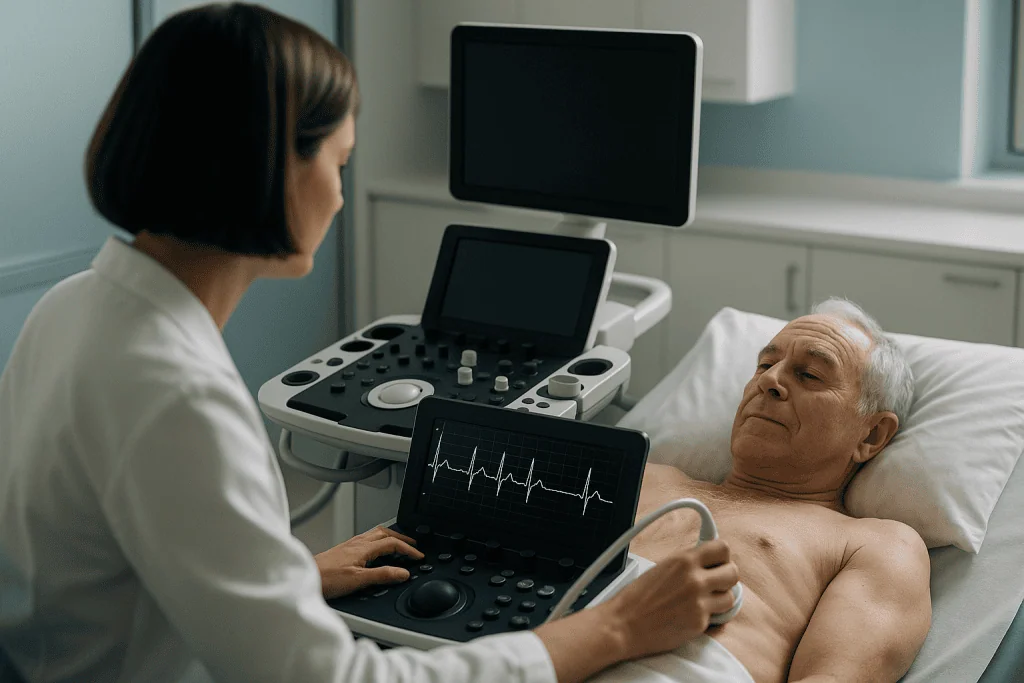
- Echocardiograman ultrasound scan of the heart, used to look for structural heart disease that may accompany or explain the rhythm problem.
- Sleep studymay be recommended if sleep apnea is suspected as a contributing cause.
The main goal of diagnosis is not simply to document a slow heart rate, but to establish whether the slow rate is actually causing symptoms and whether the underlying cause is reversible. This distinction guides all treatment decisions.
Treatment options for bradycardia
Bradycardia treatment depends on the cause, the severity of symptoms, and the type of rhythm disturbance. Not everyone with a slow heart rate needs treatment, and in many cases, correcting an underlying cause is enough. Care for this condition is typically coordinated by heart specialists; at Acibadem, for example, it is managed within the Cardiology Department.
Watchful waiting
If bradycardia causes no symptoms and no dangerous rhythm pattern is found, treatment is often unnecessary. Your doctor may simply recommend periodic checkups and advise you on which symptoms should prompt a return visit. This is common in healthy, physically fit people with naturally slow heart rates.
Treating the underlying cause
When bradycardia results from a reversible cause, treating that cause may restore a normal heart rate. Examples include adjusting or stopping a medication that slows the heart (always under medical supervision, never on your own), treating an underactive thyroid with hormone replacement, correcting electrolyte imbalances, or managing obstructive sleep apnea. In these situations, no heart-specific procedure may be needed.
Medications
There is no long-term daily medication that reliably speeds up a chronically slow heart. Medications such as atropine are used in emergencies, typically in a hospital setting, to raise the heart rate temporarily while the cause is addressed or a more lasting solution is arranged. For ongoing symptomatic bradycardia that is not reversible, medication alone is generally not a durable solution.
Pacemaker implantation
A pacemaker is the standard long-term treatment for symptomatic bradycardia that cannot be corrected by treating an underlying cause. A pacemaker is a small battery-powered device implanted under the skin of the chest, usually below the collarbone, with thin insulated wires (leads) guided through a vein into the heart. The device monitors the heart’s rhythm and delivers gentle electrical impulses only when the heart beats too slowly, keeping the rate within a safe range. Some newer pacemakers are small leadless devices placed directly inside the heart through a vein in the leg.
Pacemaker implantation is typically a minimally invasive procedure performed under local anesthesia with sedation, and many patients go home the same day or after a short stay. Afterward, the device is checked regularly, often remotely, and the battery generally lasts many years before the generator needs replacement. A pacemaker does not cure the underlying electrical problem, but in many cases it relieves symptoms effectively and allows a return to normal activities.
Emergency treatment
Severe bradycardia with fainting, very low blood pressure, or signs of shock is a medical emergency. In the hospital, doctors may use intravenous medications or temporary pacing, delivering pacing impulses through pads on the chest or a temporary wire in the heart, until the situation stabilizes and a longer-term plan is made.
Living with bradycardia and outlook
The outlook for people with bradycardia depends largely on its cause. When the slow heart rate reflects good physical fitness or a reversible factor such as a medication or thyroid problem, the long-term outlook is generally very good once the cause is addressed. When bradycardia is caused by age-related degeneration of the heart’s electrical system, the condition tends to be permanent, but symptoms can often be well controlled with a pacemaker, and many people live full, active lives afterward.
Living well with bradycardia usually involves:
- Attending regular follow-up visitsincluding pacemaker checks if you have one
- Taking medications as prescribedand never stopping or changing heart medications without speaking to your doctor first
- Managing heart health overallcontrolling blood pressure, cholesterol, and blood sugar; not smoking; limiting alcohol; and staying physically active as advised by your care team
- Knowing your warning signsand seeking care promptly if fainting, worsening dizziness, or chest discomfort returns
- Carrying medical informationpeople with pacemakers are usually given a device identification card and simple precautions about strong electromagnetic sources, which their care team will explain
Untreated symptomatic bradycardia can lead to complications such as falls and injuries from fainting, worsening fatigue, and, in severe cases, heart failure (a condition in which the heart cannot pump enough blood) or dangerous drops in blood pressure. This is why symptoms should never be dismissed as simply “getting older.” With appropriate evaluation and treatment, most people with bradycardia do well, although no treatment can be guaranteed to eliminate all symptoms in every person.
Frequently asked questions
What is bradycardia in simple terms?
Bradycardia means the heart beats more slowly than usual, in most adults, fewer than 60 beats per minute at rest. It is a finding rather than a single disease. In some people it is completely normal, especially in athletes, while in others it signals a problem with the heart’s electrical system or an outside factor such as medication or a thyroid condition. Whether it needs treatment depends on the cause and whether it produces symptoms.
How serious is bradycardia?
Seriousness varies widely. A slow heart rate with no symptoms in a healthy person is often harmless. Bradycardia that causes fainting, severe dizziness, breathlessness, or chest discomfort is more concerning and needs medical evaluation, because it may mean the body is not receiving enough blood flow. Certain types, such as advanced heart block, can be dangerous if untreated. Only a doctor, using tests such as an ECG, can determine how serious an individual case is.
Can bradycardia go away on its own?
Sometimes. If the slow heart rate is caused by a reversible factor, such as a medication, an underactive thyroid, an electrolyte imbalance, or sleep apnea, correcting that factor may return the heart rate to normal. However, bradycardia caused by age-related wear of the heart’s electrical system usually does not resolve on its own and, if it causes symptoms, typically requires a pacemaker for long-term control.
What are the first warning signs of bradycardia?
Early bradycardia symptoms are often subtle: unusual tiredness, reduced ability to exercise, or lightheadedness when standing or exerting yourself. Some people notice episodes of near-fainting or brief confusion. Because these signs are easy to attribute to stress or aging, they are frequently overlooked. If such symptoms occur alongside a noticeably slow pulse, it is reasonable to have them evaluated by a doctor.
Is a heart rate below 60 always a problem?
No. Many healthy adults, particularly those who exercise regularly, have resting heart rates in the 40s or 50s without any ill effects, and heart rates naturally drop during sleep. Bradycardia becomes a medical issue when the slow rate causes symptoms or results from a disease of the heart’s electrical system. Context, your symptoms, medications, fitness level, and test results, matters more than the number alone.
Do I need a pacemaker for bradycardia?
Not necessarily. A pacemaker is generally recommended only when bradycardia causes significant symptoms and cannot be fixed by treating an underlying cause, or when testing shows a high-risk rhythm pattern such as advanced heart block. Many people with mild or asymptomatic bradycardia never need one. Your cardiologist will weigh your symptoms, test results, and overall health before recommending a device.
Can I exercise if I have bradycardia?
In many cases, yes, regular physical activity is generally beneficial for heart health, and exercise itself can be a cause of a healthy slow heart rate. However, if your heart rate does not rise appropriately during activity, or if you experience dizziness, chest discomfort, or breathlessness while exercising, you should stop and discuss this with your doctor before continuing. People with pacemakers can usually exercise normally once cleared by their care team.
When to see a doctor
Make an appointment with a doctor if you have a persistently slow pulse together with ongoing fatigue, reduced exercise tolerance, or episodes of lightheadedness, or if you take heart or blood pressure medications and notice new symptoms of a slow heart rate.
Seek emergency medical care immediately if you or someone near you experiences any of the following red-flag warning signs:
- Fainting or loss of consciousnessespecially if it occurs without warning
- Chest pain or pressureparticularly with a slow or irregular pulse
- Severe shortness of breathat rest or with minimal activity
- Sudden confusion or difficulty staying awake
- Severe dizziness that does not improve with rest
- A very slow pulse with signs of poor circulationsuch as pale, cold, or clammy skin
These signs can indicate that the heart is not delivering enough blood to the brain and body, which may be dangerous and requires urgent evaluation. Prompt medical attention allows doctors to stabilize the heart rate, identify the cause, and begin appropriate bradycardia treatment before complications develop.
Medically reviewed by the Acıbadem International Medical Board September 2, 2026
See our medical review board →
Update history
- PublishedJune 8, 2026
- Medical review approvedSeptember 2, 2026
- Last content updateSeptember 2, 2026