

Headache When Bending Over: Possible Causes and When to Seek Care

Headache that worsens on bending over is commonly linked to sinus congestion, migraine, dehydration, or muscle tension. The exact cause depends on where the pain is felt, how suddenly it starts, and whether symptoms such as fever, vision changes, or nausea are present.
Key Takeaways
- Headache that worsens on bending over is commonly linked to sinus congestion, migraine, dehydration, or muscle tension.
- The exact cause depends on where the pain is felt, how suddenly it starts, and whether symptoms such as fever, vision changes, or nausea are present.
- A sudden severe headache, new neurologic symptoms, head injury, or headache with fever should be assessed urgently.
- Keeping hydrated, treating nasal congestion appropriately, and noticing headache triggers can help reduce episodes.
- Persistent or recurring positional headaches should be evaluated by a qualified doctor.
Headache when bending over is often caused by pressure changes in the sinuses, dehydration, tension, or migraine, but it can sometimes point to less common problems such as blood pressure changes or issues involving cerebrospinal fluid. The pattern of pain, associated symptoms, and how often it happens help doctors understand whether it is likely benign or needs urgent evaluation.
Overview: Why a Headache May Happen When Bending Over
A headache when bending over often happens because changing position briefly changes pressure in the head, neck, and sinuses. In many people, this is related to sinus inflammation, migraine, dehydration, or muscle tension rather than a dangerous problem. The key question is not only whether bending triggers the pain, but also what the pain feels like, where it is located, and what other symptoms come with it.
For example, a heavy or pressure-like pain around the forehead, cheeks, or eyes may suggest sinus involvement. A throbbing headache with nausea, light sensitivity, or visual changes may fit better with migraine, even if the pain feels worse during bending or straining. Tension in the neck and scalp muscles can also make pressure-like pain more noticeable when leaning forward.
Less commonly, headaches triggered by position changes can be related to problems involving blood pressure, the brain’s protective fluid, or rarely bleeding or increased pressure inside the skull. These causes are much less common, but they matter because they may need prompt medical assessment. A careful history and examination help separate common causes from warning signs.
Common Symptoms and Clues That Help Identify the Cause
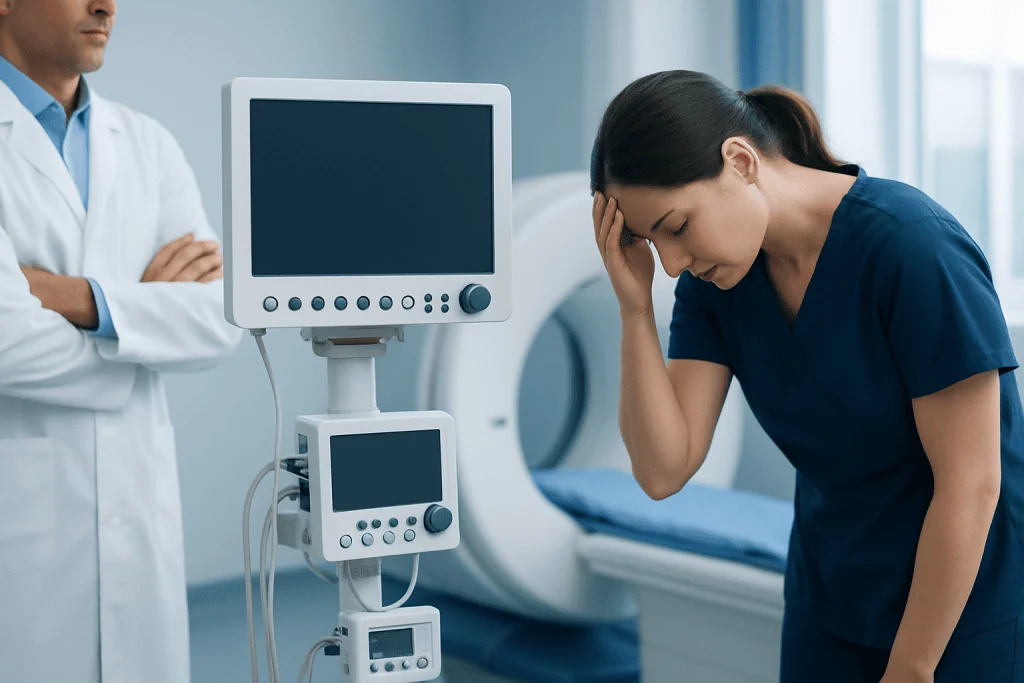
The symptom pattern often provides useful clues. Some people feel a dull pressure in the forehead or behind the eyes that becomes more noticeable when they lean down to tie shoes, lift something, or pick up a child. Others describe a pulsating or pounding headache that worsens not just with bending, but also with coughing, sneezing, or physical exertion.
Associated symptoms can point in a specific direction. Sinus-related pain may come with nasal blockage, thick nasal discharge, reduced sense of smell, facial fullness, ear pressure, or recent cold symptoms. Migraine may bring nausea, vomiting, sensitivity to light or sound, visual aura, dizziness, or worsening with routine activity. Tension-type headaches may feel like a tight band around the head and often occur with neck or shoulder tightness.
Doctors also pay attention to timing. A headache that appears suddenly and reaches maximum intensity within seconds is different from one that builds gradually over hours. Headaches that occur only during a respiratory infection differ from headaches that return repeatedly over months. The presence of fever, confusion, fainting, weakness, numbness, or speech difficulty changes the level of concern and usually calls for urgent evaluation.
- Pressure in the face or forehead may suggest sinus inflammation.
- Throbbing pain with nausea or light sensitivity may suggest migraine.
- Neck tightness may support a tension-related cause.
- Headache that worsens with coughing, straining, or standing may need closer assessment.
Possible Causes of Headache When Bending Over

One of the most common explanations is sinus pressure. When the lining of the sinuses becomes swollen from a cold, allergies, or sinus infection, bending forward can increase the sensation of pressure and pain. This may feel strongest in the forehead, around the eyes, or in the cheeks. In people with repeated sinus symptoms, doctors may evaluate for sinusitis.
Migraine is another frequent cause. Although migraine is often thought of as a one-sided throbbing headache, it can also cause pain in the forehead, face, or around the eyes and may worsen with movement, bending, or exertion. Some people who believe they have repeated sinus headaches are later found to have migraine instead. Tension-type headaches, poor posture, and strain in the neck muscles can also make bending forward uncomfortable.
Dehydration, skipped meals, alcohol use, poor sleep, and stress can make many headache types more noticeable. Less common causes include changes in blood pressure, medication overuse, and problems with cerebrospinal fluid pressure. A low-pressure headache may be worse when upright and improve when lying down, while increased intracranial pressure can sometimes cause headaches that are more prominent in the morning or with bending and straining. Rare but important causes include bleeding, infection, or structural problems in the brain, especially if the headache is sudden or accompanied by neurologic symptoms. In selected cases, a doctor may also consider conditions such as brain tumor as part of the differential diagnosis, although most headaches are not caused by tumors.
How Doctors Evaluate This Symptom
Evaluation starts with questions about the headache’s location, quality, severity, timing, and triggers. A doctor may ask whether the pain is pressure-like, throbbing, stabbing, or explosive; whether it is new or familiar; and whether it appears with nasal symptoms, fever, trauma, exercise, or vision changes. They will also want to know about medications, caffeine use, blood pressure history, and any previous headache diagnosis.
The physical examination often includes checking vital signs, the nose and throat, the eyes, the neck, and a neurologic exam. The doctor may look for sinus tenderness, signs of infection, neck stiffness, changes in balance, or abnormalities in strength, sensation, speech, or coordination. Eye examination can help identify papilledema, which can suggest raised pressure inside the skull.
Not everyone needs tests. When the history clearly fits a common benign pattern and the examination is reassuring, imaging may not be necessary. However, if red flags are present, further testing may be appropriate. Depending on the situation, this may include blood tests, nasal evaluation by an ENT specialist, or imaging such as MRI or CT scan to look for sinus disease, bleeding, or other structural causes. The goal is to match the work-up to the individual’s symptoms rather than to image every headache.
Treatment Options Depend on the Underlying Cause
Treatment is guided by the reason the headache occurs. If sinus congestion is the main issue, care may focus on relieving inflammation and helping the sinuses drain. This can include hydration, saline nasal irrigation, allergy management, and doctor-guided use of appropriate medicines. If bacterial sinus infection is suspected, a clinician will decide whether antibiotics are needed based on the overall pattern rather than on pressure alone.
If migraine is the cause, treatment may include avoiding known triggers, using acute migraine medicines early in the attack, and considering preventive treatment if headaches are frequent. People with recurring migraine often benefit from a formal headache assessment, including review of sleep, stress, hydration, and hormone-related patterns. In some cases, a specialist may recommend a broader neurology evaluation to classify the headache type accurately.
Tension-related pain may improve with posture correction, stretching, stress management, regular meals, and proper hydration. Some positional headaches related to cerebrospinal fluid pressure or other neurologic causes need specialized care, and self-treatment alone may not be enough. If the diagnosis is uncertain, if headaches are becoming more frequent, or if common measures are not helping, a doctor can determine the safest next step.
Self-care, Prevention, and Everyday Management
Simple habits can help reduce many headaches, including those that feel worse on bending over. Drinking enough fluids, eating regularly, sleeping consistently, limiting excess alcohol, and managing stress can lower the chance of dehydration- or migraine-related episodes. If allergies or nasal congestion are common triggers, reducing exposure to irritants and following a doctor’s allergy plan may also help.
People who spend long periods at a desk may benefit from posture awareness, screen breaks, and neck and shoulder stretching. Keeping a headache diary can be especially useful. Recording when headaches happen, what the person was doing, whether there were nasal symptoms or nausea, and what helped can reveal patterns that are not obvious day to day.
It is also wise to use pain relievers carefully. Frequent use of some over-the-counter headache medicines can lead to medication-overuse headache, which can make the problem more persistent. A pharmacist or doctor can advise on safe limits and whether another strategy would be better. If sinus symptoms are ongoing, an ENT assessment may be useful, and in selected cases this may include endoscopic sinus surgery when medical treatment has not been enough.
When to Seek Medical Care
Medical care is important if a headache when bending over is severe, new, or keeps returning without a clear explanation. A person should arrange a medical review if the headache lasts for days, interferes with normal activities, occurs with repeated sinus symptoms, or is accompanied by vomiting, worsening vision, or dizziness. This is also true when there is a history of cancer, immune system problems, or recent head injury.
Urgent assessment is needed for warning signs. These include a sudden “worst headache,” headache with fainting, confusion, seizures, weakness, numbness, trouble speaking, double vision, chest pain, or shortness of breath. Fever with stiff neck, new headache during pregnancy or after delivery, or headache after significant trauma should also be treated as urgent.
For people who need specialist evaluation, multidisciplinary teams can assess both common and complex causes of headache. Acibadem International’s JCI-accredited hospitals support international patients with coordinated care from ENT, neurology, radiology, and other specialists when diagnosis or treatment is needed.
Frequently asked questions
Is a headache when bending over usually serious?
Usually not. It is often related to sinus pressure, migraine, dehydration, or muscle tension, but the context matters. A sudden severe headache or one with neurologic symptoms should be assessed urgently.
Can sinusitis cause headache when bending over?
Yes. Inflamed or blocked sinuses can create facial pressure that becomes more noticeable when leaning forward. This is more likely if the person also has nasal congestion, facial fullness, thick discharge, or reduced smell.
How can someone tell the difference between a sinus headache and a migraine?
Sinus-related pain often comes with congestion, facial pressure, and recent cold or allergy symptoms. Migraine commonly causes throbbing pain, nausea, and sensitivity to light or sound, and many people who think they have sinus headaches actually have migraine.
Should imaging be done for every headache that worsens with bending?
No. Many people do not need scans if the history and examination suggest a common, non-dangerous headache pattern. Imaging is usually reserved for red flags such as sudden severe pain, abnormal neurologic findings, trauma, fever, or an unusual persistent pattern.
What can help at home if bending over makes the headache worse?
Helpful steps may include hydration, rest, regular meals, and addressing nasal congestion with saline rinses or doctor-recommended treatment. Avoiding known migraine triggers and reducing neck strain may also help, but persistent symptoms should be evaluated.
When should someone go to the emergency department for this symptom?
Emergency care is appropriate for a thunderclap headache, fainting, confusion, seizures, weakness, numbness, trouble speaking, stiff neck with fever, or headache after significant head injury. These features can signal conditions that need immediate medical attention.
References
- American Headache Society
- National Institute of Neurological Disorders and Stroke
- American Academy of Otolaryngology–Head and Neck Surgery
- Mayo Clinic
- Cleveland Clinic
This article is for general information only and is not a substitute for professional medical advice. Please consult a qualified doctor about your individual situation.
Explore treatments in Turkey — costs, top hospitals & a free quote
JCI-accredited · board-certified surgeons · reply within 24h
Check your numbers in seconds
BMI, calories, due date, blood pressure and 30+ more clinical calculators — free, instant, doctor-reviewed ranges.

More from the Health Library



Related Specialists

Assoc. Prof. Dr. Gökhan Ergene
Thoracic Surgery
Prof. Dr. Gül Başaran
Medical Oncology
Assoc. Prof. Dr. Gürbüz Görümlü
Medical Oncology
Dr. Recep Özgür
Interventional Radiology