Sauna Advantages: An Evidence-Based Guide for Patients

Sauna use may support relaxation, circulation, and short-term relief of muscle tension and stiffness. Evidence suggests regular sauna bathing may be linked with cardiovascular and well-being benefits, but it does not replace medical treatment.
Key Takeaways
- Sauna use may support relaxation, circulation, and short-term relief of muscle tension and stiffness.
- Evidence suggests regular sauna bathing may be linked with cardiovascular and well-being benefits, but it does not replace medical treatment.
- Hydration, moderate session length, and avoiding alcohol are essential for safer sauna use.
- People with heart disease, low blood pressure, pregnancy-related concerns, kidney problems, or heat intolerance should ask a doctor before using a sauna.
- Dizziness, chest pain, fainting, or trouble breathing during or after sauna use require prompt medical attention.
Sauna advantages can include relaxation, short-term relief of muscle soreness and joint stiffness, and possible cardiovascular and sleep-related benefits for some people. However, sauna use is not suitable for everyone, and the safest approach depends on a person’s age, health conditions, medicines, and tolerance to heat.
Overview: What are the main sauna advantages?
Sauna advantages are most often related to heat exposure in a controlled setting. For many people, using a sauna can help them feel relaxed, ease temporary muscle soreness, and reduce the sense of stress after exercise or a busy day. Some research also suggests that regular sauna bathing may be associated with improved cardiovascular well-being and better sleep quality in certain adults.
At the same time, a sauna is not a cure for disease and should not be viewed as a substitute for prescribed treatment, exercise, or healthy daily habits. The effects can vary based on the type of sauna, the temperature, how long a person stays inside, and whether they have medical conditions such as heart disease or blood pressure problems.
Saunas generally work by raising skin temperature and causing the body to sweat. This leads to temporary changes such as faster heart rate, widening of blood vessels, fluid loss, and a feeling of warmth and relaxation. These responses explain many of the commonly reported benefits, but they also explain why sauna use requires sensible precautions.
How sauna use affects the body
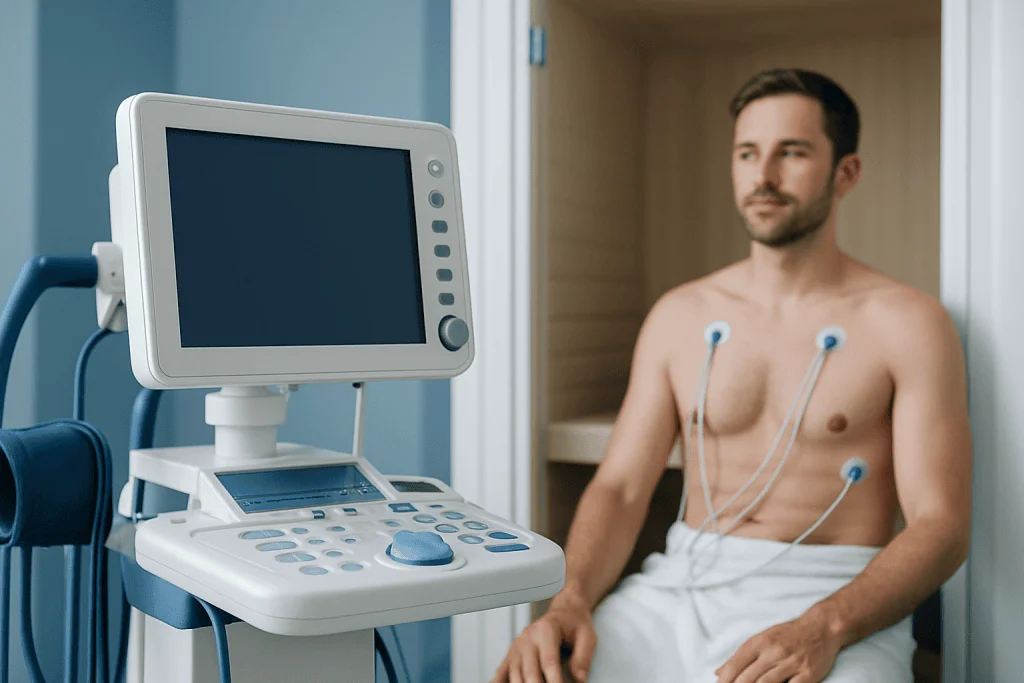
When a person sits in a sauna, the body responds to heat by increasing circulation to the skin and producing sweat to cool itself. Heart rate often rises in a way that can resemble light to moderate physical activity, even though the person is resting. This is one reason some people describe feeling refreshed afterward.
Heat exposure may also influence the nervous system and muscle tone. Warmth can help muscles feel looser and may reduce the perception of pain or stiffness for a short time. For people recovering from exercise, this may add to a sense of comfort, although it is not the same as treatment for an underlying injury.
Different sauna styles create different experiences. Traditional dry saunas use hot air, while steam rooms create humid heat, and infrared saunas use radiant heat at lower air temperatures. Patients should know that the body still experiences heat stress in all of these settings, so safe use matters regardless of the sauna type.
Potential benefits supported by current evidence

The most consistent sauna advantages are relaxation and a general sense of well-being. Many users report feeling calmer, sleeping better, and noticing less muscle tightness after a session. Heat can be soothing, and the quiet environment itself may help reduce mental stress.
There is also evidence that regular sauna bathing may support cardiovascular health in some adults. Studies have linked frequent sauna use with favorable effects on blood vessel function, temporary blood pressure reduction after sessions, and improved circulation. However, these findings show association rather than guaranteed protection, and sauna use should not replace medical care for high blood pressure or other heart conditions.
For people with exercise-related soreness or some forms of joint stiffness, sauna use may provide temporary symptom relief. This can complement a broader plan that may include stretching, supervised exercise, hydration, and, when appropriate, physical therapy and rehabilitation. Some patients with chronic pain conditions also find heat comforting, but persistent or unexplained pain still needs medical evaluation.
Emerging research has explored possible benefits for mood, sleep, and recovery after physical activity. These areas are promising, but they are still influenced by personal factors such as fitness level, medical history, medications, and tolerance to heat. A balanced message is important: sauna use may be a helpful wellness practice for some people, but it is not universally beneficial and should be approached thoughtfully.
Who may benefit most from sauna use?
Healthy adults who tolerate heat well may enjoy sauna use as part of a general wellness routine. It may be especially appealing for people who want a period of quiet relaxation, temporary relief from muscle tightness after exercise, or a warm environment that helps them unwind before sleep.
Some people with chronic musculoskeletal discomfort may also find sauna sessions soothing, especially when heat is used alongside clinician-guided care. If a person already receives pain management or rehabilitation, they should ask whether sauna use fits safely into their plan. This is particularly relevant for those with nerve-related symptoms, balance issues, or reduced sensation, since they may not notice overheating early.
Older adults, people with stable chronic conditions, and those taking regular medications should be more cautious even if they have used saunas before. Changes in hydration, circulation, and blood pressure may have stronger effects in these groups. A clinician can help decide whether sauna use is reasonable and what limits are safest.
Risks, side effects, and who should be careful
Although sauna use is often well tolerated, it can cause dehydration, lightheadedness, headache, overheating, or a drop in blood pressure. Standing up quickly after a session may trigger dizziness or fainting in some people. These effects are more likely if the session is too long, the temperature is very high, or the person has not had enough fluids.
Caution is especially important for people with unstable heart disease, recent heart attack, serious rhythm problems, uncontrolled blood pressure, severe lung disease, kidney disease, fever, active infection, or conditions that impair sweating. People with a history of fainting, seizures triggered by heat, or severe autonomic dysfunction should ask a doctor before using a sauna. Pregnant individuals should also seek individualized medical advice, because heat exposure may not be appropriate in some situations.
Alcohol, recreational drugs, and some medications can increase the risks of overheating, dehydration, or low blood pressure. This may include certain diuretics, blood pressure medicines, sedatives, and medicines that affect sweating or alertness. If there is any uncertainty, a clinician or pharmacist can review the medicine list and explain whether sauna use is safe.
Children should never use a sauna without close adult supervision and age-appropriate advice. People with mobility problems or significant neurologic conditions may also need extra support, as balance can worsen in hot environments. If there is concern about circulation symptoms, a cardiovascular assessment such as a cardiology check-up may be more important than continuing unsupervised sauna use.
How to use a sauna more safely
Safe sauna use begins with moderation. Most people do better with short sessions rather than staying in the heat for as long as possible. Starting gradually allows the body to adapt, and leaving the sauna at the first sign of discomfort is more important than completing a planned amount of time.
Practical steps can reduce risk:
- Drink water before and after the session unless a doctor has advised fluid restriction.
- Avoid alcohol before and after sauna use.
- Do not use a sauna when ill with fever, vomiting, or diarrhea.
- Cool down slowly afterward and stand up carefully to prevent dizziness.
- Do not exercise intensely inside the sauna unless specifically advised and supervised.
- Stop immediately if there is chest pain, shortness of breath, confusion, severe weakness, or palpitations.
It is also sensible to avoid sauna use alone if a person is new to it, has significant medical conditions, or has previously felt faint in hot environments. Showering before and after use, sitting on a clean towel, and following facility hygiene rules can help reduce skin irritation and infection concerns.
People with chronic disease should treat sauna use like any other wellness practice: as something that may be appropriate in some cases and not in others. If a patient already follows a care plan for an arrhythmia or another cardiovascular condition, individualized advice is the safest route.
When to seek medical care
A person should seek prompt medical care if sauna use leads to chest pain, severe shortness of breath, fainting, confusion, a racing or irregular heartbeat, or symptoms that do not improve after cooling down and drinking fluids. These symptoms are not typical of simple relaxation and may signal a more serious problem.
Medical advice is also appropriate if sauna sessions repeatedly cause dizziness, unusual fatigue, headaches, leg swelling, or marked changes in blood pressure. Persistent symptoms can suggest dehydration, medication effects, poor heat tolerance, or an underlying heart, kidney, or endocrine issue that needs assessment.
If a person has known cardiovascular disease, kidney disease, pregnancy-related concerns, or multiple medications, it is wise to ask a clinician before starting regular sauna use. Near the end of the care pathway, patients seeking international evaluation may wish to know that Acibadem International’s multidisciplinary specialists and JCI-accredited hospitals diagnose and manage heart, metabolic, and rehabilitation-related concerns for international patients.
Frequently asked questions
Are sauna advantages real or overstated?
Some sauna advantages are well recognized, especially relaxation, temporary relief of muscle tightness, and a general sense of well-being. Research also suggests possible cardiovascular and sleep-related benefits in some adults, but sauna use is not a replacement for exercise, medicines, or medical treatment.
Can a sauna help with weight loss?
A sauna can cause temporary weight loss through sweating, which mainly reflects fluid loss rather than body fat loss. Any lost weight usually returns after rehydration, so saunas should not be considered a primary weight-loss method.
Is sauna use safe for people with high blood pressure?
Some people with stable, well-managed high blood pressure may be able to use a sauna, but it depends on their symptoms, medications, and overall heart health. Because heat can affect blood pressure and circulation, it is best to ask a doctor before using a sauna regularly.
How long should a person stay in a sauna?
There is no single ideal time for everyone. Short, moderate sessions are usually safer than prolonged exposure, and a person should leave as soon as they feel unwell, dizzy, or overheated.
Should a person drink water before and after sauna use?
Yes. Sweating increases fluid loss, so drinking water before and after a sauna session can help reduce the risk of dehydration and headache. People on fluid restrictions should follow their doctor’s advice instead.
Are infrared saunas safer than traditional saunas?
Infrared saunas often operate at lower air temperatures, which some people find more comfortable. However, they still expose the body to heat stress, so the same safety principles apply, especially for people with medical conditions.
References
- World Health Organization
- American Heart Association
- National Center for Complementary and Integrative Health
- Mayo Clinic
- American College of Sports Medicine
This article is for general information only and is not a substitute for professional medical advice. Please consult a qualified doctor about your individual situation.
Joint and spine care in Turkey — expert assessment & treatment
JCI-accredited · board-certified surgeons · reply within 24h
Check your numbers in seconds
BMI, calories, due date, blood pressure and 30+ more clinical calculators — free, instant, doctor-reviewed ranges.