Swollen Eyes: Common Causes, Related Conditions, and When to See a Doctor

Swollen eyes are a symptom, not a diagnosis, and can have many possible causes. Common reasons include allergies, rubbing the eyes, irritation, infections, and fluid retention.
Key Takeaways
- Swollen eyes are a symptom, not a diagnosis, and can have many possible causes.
- Common reasons include allergies, rubbing the eyes, irritation, infections, and fluid retention.
- Warning signs include severe pain, reduced vision, fever, eye bulging, or swelling after trauma.
- Treatment depends on the cause and may range from cold compresses to prescription medicines.
- Persistent or repeated swelling should be evaluated, especially if only one eye is affected.
Swollen eyes usually happen because of allergies, irritation, lack of sleep, infection, or temporary fluid buildup around the eyelids. Most cases improve with simple care, but swelling with pain, fever, vision changes, injury, or swelling on one side should be assessed by a doctor.
Overview: what swollen eyes usually mean
Swollen eyes most often refer to puffiness or visible enlargement of the eyelids or tissues around the eye. In many people, this happens because the thin skin around the eyes easily collects fluid or becomes inflamed after irritation, allergies, crying, poor sleep, or rubbing the eyes. The swelling may affect one eye or both, and it can be mild and temporary or more noticeable and uncomfortable.
It helps to separate puffy eyes from true eye disease. Puffiness often involves the eyelids and surrounding soft tissues, while some medical problems affect the eye itself. For example, allergies may cause itchy, watery, swollen eyelids, while an infection may lead to tenderness, redness, and warmth. A doctor considers the timing, whether one or both eyes are involved, and whether symptoms such as pain or blurred vision are present.
Because the causes are different, treatment for swollen eyes is not one-size-fits-all. A cold compress may help simple puffiness, but infections, blocked glands, injuries, or deeper inflammation may need medical assessment. If swelling is accompanied by significant pain, fever, or changes in vision, prompt evaluation is important.
Common symptoms that can occur with swollen eyes
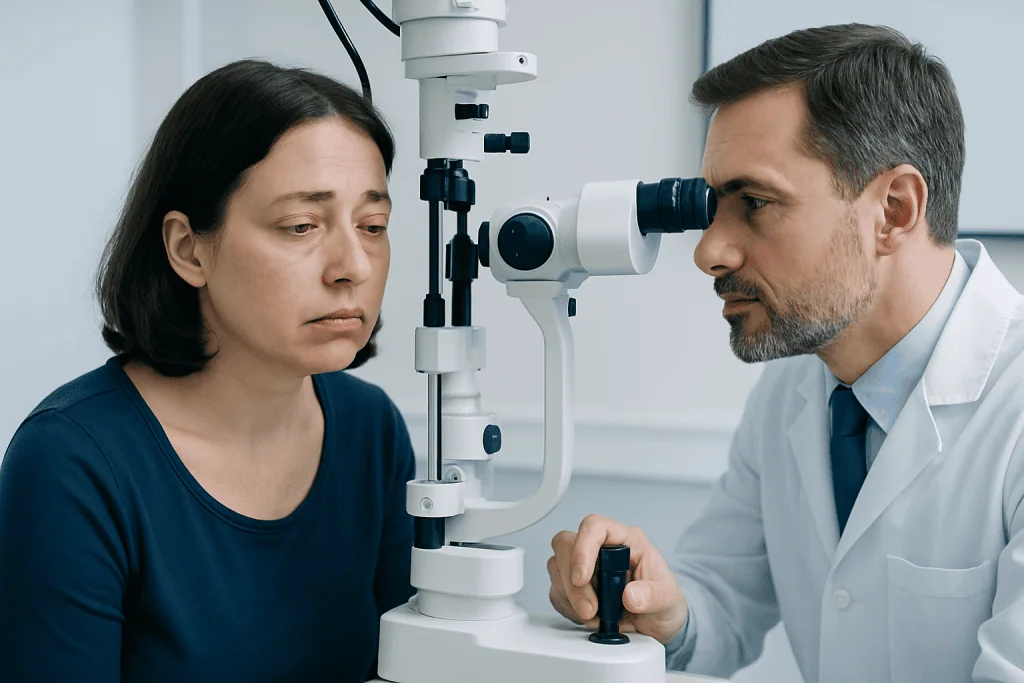
Swollen eyes can look and feel different depending on the cause. Some people notice mild puffiness in the morning that improves during the day. Others develop redness, itching, tearing, crusting, a heavy feeling in the eyelids, or tenderness when blinking. The eyelid may appear stretched, shiny, or warm, and in some cases the swelling is limited to a small bump along the lid margin.
Symptoms that suggest irritation or allergy often include itching, watery eyes, sneezing, or a runny nose. Infections are more likely to cause pain, increasing redness, warmth, discharge, or a feeling of being unwell. A stye or inflamed oil gland may create a localized, sore lump, while deeper eyelid swelling can spread across the upper or lower lid.
Some symptoms need more attention because they may point to a more serious problem. These include:
- Blurred or decreased vision
- Severe eye pain or pain with eye movement
- Double vision
- Light sensitivity that is intense or new
- Fever or swelling spreading into the face
- Bulging of the eye
- Swelling after trauma or a possible chemical exposure
When these features are present, the concern is no longer just cosmetic puffiness. They can be associated with conditions that affect deeper tissues around the eye and may require urgent care.
Common causes and related conditions

One of the most common causes of swollen eyes is allergy. Seasonal allergens, dust, animal dander, cosmetics, or contact lens solutions can trigger inflammation that makes the eyelids itch, swell, and water. Eye rubbing can make the swelling worse by irritating delicate tissues. People with eczema or sensitive skin may also develop eyelid swelling from skin care products, soaps, or airborne irritants.
Another frequent cause is temporary fluid retention. Puffy eyelids may be more noticeable after poor sleep, crying, a salty meal, alcohol use, or sleeping flat. This kind of swelling is usually mild, affects both eyes, and improves over several hours. Aging can also make under-eye puffiness more visible because the tissues around the eyes change over time and may hold fluid more easily.
Infections and blocked glands are also important causes. A stye is a painful, localized infection or inflammation near an eyelash follicle or oil gland. A chalazion is a blocked oil gland that tends to cause a firm lump, often with less pain. Eyelid infection, called blepharitis, can lead to red, swollen lids with crusting and irritation. In some cases, the skin and soft tissues around the eye become infected, causing cellulitis, which needs prompt medical assessment.
Swelling can also appear with eye surface problems and other medical conditions. Conjunctivitis may cause red, irritated eyes with swollen lids and discharge. Sinus infection, insect bites, contact lens irritation, thyroid eye disease, kidney problems, and some inflammatory or autoimmune conditions may also contribute. If swollen eyes happen repeatedly, affect only one side, or come with other body symptoms, a doctor may look for an underlying health issue rather than treating it as simple puffiness alone.
How doctors diagnose the cause
Diagnosis begins with a careful history. A doctor will usually ask when the swelling started, whether one or both eyes are affected, whether there is pain, itching, discharge, fever, or vision change, and whether there has been trauma, a new product, contact lens use, or recent illness. These details often give strong clues about whether the cause is allergic, infectious, inflammatory, or related to another medical problem.
The eye and eyelids are then examined closely. The doctor may look for redness, warmth, crusting, a lump in the eyelid, skin changes, tenderness, or signs that the cornea or inner eye could be involved. Vision, eye movements, and pupil responses may be checked, especially if the swelling is marked or only on one side. If a deeper problem is suspected, the patient may be referred for a fuller eye examination.
Most cases do not need extensive testing. However, if swelling is severe, recurrent, associated with fever, or thought to be linked to a systemic illness, blood tests or imaging may be recommended. A doctor may also evaluate for related conditions such as conjunctivitis or inflammation of the eyelids if the symptoms fit that pattern. The goal is to identify the exact cause so treatment is directed and safe.
Treatment options for swollen eyes
Treatment depends on why the eyes are swollen. For mild puffiness from irritation, poor sleep, or temporary fluid retention, simple supportive care is often enough. Cool compresses, resting the eyes, avoiding rubbing, and reducing exposure to known triggers may help the swelling settle. If cosmetics, creams, or contact lenses seem to be involved, stopping them until the eyes recover is usually advised.
When allergies are the cause, treatment may include avoiding allergens and using doctor-recommended allergy medicines or lubricating eye drops. If an infection is suspected, medical treatment may be needed rather than home care alone. A stye may improve with warm compresses, but bacterial infections of the eyelid or surrounding tissues can require prescription medicines. More complex eye conditions may need specialist assessment and targeted ophthalmology care.
If swollen eyes are caused by a blocked gland, persistent lump, skin disorder, or another eye problem, the management plan may include lid hygiene, prescription treatment, or a minor procedure depending on the diagnosis. In selected cases, doctors may recommend imaging or additional evaluation to rule out problems affecting the eye socket or nearby structures. When symptoms suggest a deeper cause, orbital evaluation and treatment may be part of specialist care, though this is far less common than everyday causes such as allergy or irritation.
Treatment is most effective when it matches the cause. Using leftover eye medicines or steroid drops without advice is not recommended, because some medicines can worsen infection or mask a serious problem. A qualified doctor can advise the safest option based on the symptoms and examination findings.
Self-care, prevention, and what may help at home
Many episodes of mild swollen eyes can be prevented by protecting the eye area and limiting common triggers. Good hand hygiene, avoiding frequent eye rubbing, removing eye makeup gently, and replacing old cosmetic products may lower the risk of irritation and infection. People who wear contact lenses should follow cleaning instructions carefully and avoid wearing lenses when the eyes are already irritated or red.
For morning puffiness, practical measures may help. Sleeping with the head slightly elevated, staying well hydrated, and limiting excess salt or alcohol in the evening can reduce fluid buildup in some people. Cool compresses may ease mild swelling, especially after crying or lack of sleep. If allergies are a regular problem, reducing exposure to dust, pollen, pet dander, or known cosmetic triggers can make symptoms less frequent.
Home care is not a substitute for medical treatment when warning signs are present. Pain, reduced vision, strong redness, a spreading rash, or swelling that keeps returning should not be managed with home remedies alone. For recurring eyelid inflammation or complex causes, doctors may recommend structured lid care and further evaluation, sometimes alongside allergy treatment or other specialist support.
When to seek medical care
Medical care is recommended if swollen eyes do not improve within a short time, keep coming back, or are affecting daily comfort and vision. Evaluation is especially important if only one eye is swollen, because one-sided swelling is more likely to reflect a localized infection, blocked gland, injury, or another condition that may need treatment.
Urgent medical attention is needed if swelling happens with severe pain, reduced vision, double vision, fever, bulging of the eye, inability to move the eye normally, or significant redness after an injury or chemical exposure. Children with a swollen, red eyelid and fever should also be assessed promptly. These features may point to a more serious eye or orbital problem that should not be delayed.
For international patients who need specialist assessment, Acibadem International’s multidisciplinary physicians and JCI-accredited hospitals diagnose and treat eye and eyelid conditions with coordinated care. A timely examination can clarify whether the problem is simple puffiness or a condition that needs targeted treatment.
Frequently asked questions
Why are my eyes swollen when I wake up?
Morning swelling is often related to temporary fluid retention around the eyelids. It may be more noticeable after poor sleep, crying, allergies, alcohol use, or eating salty foods the night before. If the swelling is mild and improves during the day, it is usually not a sign of a serious problem.
Are swollen eyes usually caused by allergies?
Allergies are a very common cause, especially when swelling comes with itching, watering, sneezing, or irritation in both eyes. However, not all swollen eyes are allergic. Infections, blocked glands, skin irritation, trauma, and other medical conditions can also be responsible.
What is the difference between a stye and general eye swelling?
A stye usually causes a small, tender, localized bump on the eyelid, often near the lash line. General eye swelling may involve a larger part of the eyelid or the tissues around the eye and can have many different causes, including allergy or fluid retention. A doctor can help distinguish between them if the swelling does not improve.
Can swollen eyes be a sign of infection?
Yes, they can. Swelling with pain, warmth, increasing redness, discharge, fever, or tenderness may suggest infection of the eyelid or surrounding tissues. These symptoms should be checked by a doctor, especially if they worsen quickly or affect only one eye.
When should swollen eyes be considered an emergency?
Emergency evaluation is important when swelling is accompanied by severe pain, sudden vision changes, double vision, fever, eye bulging, trouble moving the eye, or an injury or chemical splash. These symptoms can indicate a problem deeper than simple eyelid puffiness. Prompt care helps protect vision and treat any underlying cause quickly.
How can mild swollen eyes be relieved at home?
A cool compress, rest, avoiding eye rubbing, and stopping irritating products may help simple puffiness. Contact lenses should usually be avoided until the eyes feel normal again. If symptoms last, recur often, or are joined by pain or visual changes, home care alone is not enough.
References
- American Academy of Ophthalmology
- National Eye Institute
- Mayo Clinic
- Merck Manual Consumer Version
- American Optometric Association
This article is for general information only and is not a substitute for professional medical advice. Please consult a qualified doctor about your individual situation.
Explore treatments in Turkey — costs, top hospitals & a free quote
JCI-accredited · board-certified surgeons · reply within 24h