Polyps Abdomen: What Patients Need to Know
Polyps are abnormal tissue growths that can develop in the colon, rectum, stomach, gallbladder, or other abdominal organs. Many polyps cause no symptoms and are found during screening tests or imaging done for another reason.
Key Takeaways
- Polyps are abnormal tissue growths that can develop in the colon, rectum, stomach, gallbladder, or other abdominal organs.
- Many polyps cause no symptoms and are found during screening tests or imaging done for another reason.
- Some polyps are harmless, while others may bleed, cause discomfort, or carry a risk of becoming cancerous.
- Diagnosis often involves endoscopy, colonoscopy, imaging, and laboratory tests depending on where the polyp is located.
- Treatment depends on the type, size, number, and location of the polyps and may include monitoring or removal.
- Regular screening and follow-up are important, especially for colon polyps and people with family history or other risk factors.
Polyps abdomen is a nonmedical phrase people often use when they mean polyps found in organs within the abdomen, especially the colon, rectum, or stomach. These growths are often benign, but some can change over time, so proper evaluation helps determine whether monitoring, removal, or treatment is needed.
Overview: What “polyps abdomen” usually means
The phrase “polyps abdomen” is not a formal medical diagnosis. Patients often use it to describe polyps found in organs inside the abdomen, most commonly the colon, rectum, or stomach. A polyp is a growth that develops from the inner lining of an organ. Some are small and harmless, while others may need closer attention because they can bleed, grow, or change over time.
Polyps can occur in different parts of the digestive system. Colon polyps are among the most common and are especially important because some types can gradually develop into colorectal cancer if they are not removed. Stomach polyps are less common and are often discovered during endoscopy for indigestion, reflux, or anemia. Other abdominal organs, such as the gallbladder, may also develop polyp-like growths.
Because the word “abdomen” covers several organs, the meaning of the term depends on where the growth is located. The symptoms, tests, and treatment plan may be very different for a colon polyp than for a stomach or gallbladder polyp. This is why a clear diagnosis is important before deciding on follow-up or treatment.
In many cases, polyps are manageable and found early. Timely medical evaluation helps doctors identify which polyps can simply be monitored and which should be removed or investigated further, including growths related to conditions such as colon cancer or stomach cancer.
Where abdominal polyps can occur
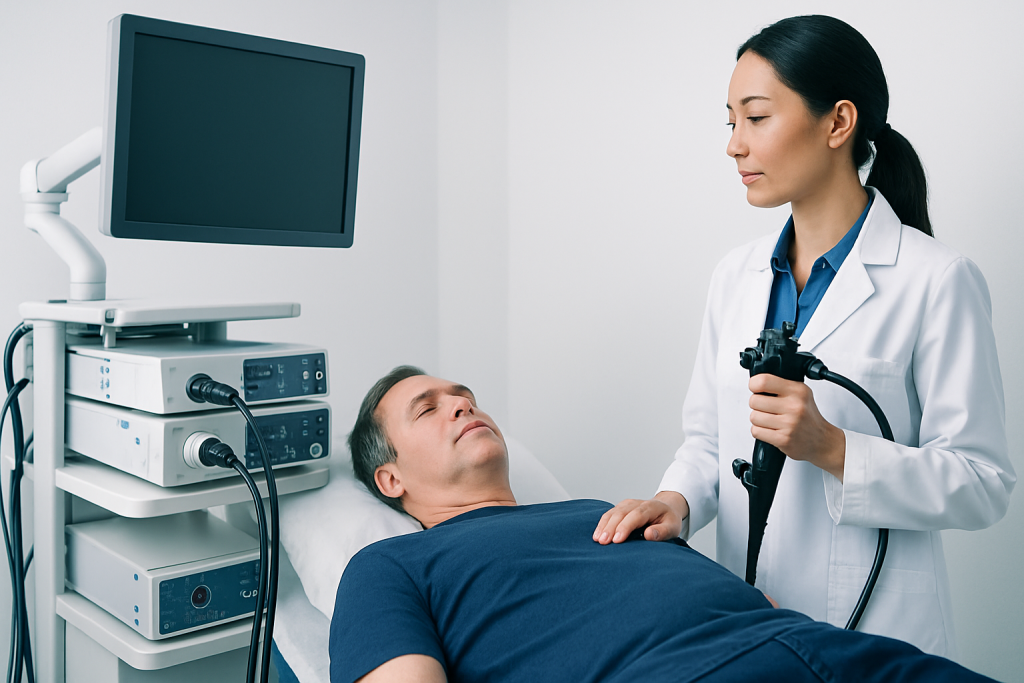
When people search for polyps in the abdomen, they are most often referring to polyps in the large intestine. Colon and rectal polyps are common, especially with increasing age. These growths vary in shape and type. Some are flat, some are attached by a stalk, and some are only visible during careful examination of the bowel lining.
Stomach polyps are another possible source of concern. These growths arise from the lining of the stomach and may be linked to chronic inflammation, long-term acid-suppressing medication use, or certain inherited syndromes. Many stomach polyps are benign, but their type helps guide whether they should be removed or watched.
Less commonly, doctors may identify gallbladder polyps during abdominal ultrasound. Most are small and do not cause symptoms, but larger ones or those associated with gallstones may need closer follow-up. In rare situations, polyps may also be discussed in relation to the small intestine or other parts of the digestive tract.
Because there are several possible sites, the location matters just as much as the word “polyp.” A specialist may recommend colonoscopy for suspected lower digestive tract polyps or upper endoscopy if symptoms point to the stomach or upper digestive tract.
Symptoms and possible warning signs
Many abdominal polyps cause no symptoms at all. This is especially true for small colon and stomach polyps. A person may feel completely well and only learn about a polyp during routine screening, a checkup for anemia, or imaging for an unrelated problem.
When symptoms do occur, they depend on the organ involved. Colon polyps may cause rectal bleeding, blood in the stool, a change in bowel habits, iron-deficiency anemia, or, less commonly, abdominal cramping. Stomach polyps may be linked with indigestion, nausea, upper abdominal discomfort, or bleeding that can lead to anemia. Gallbladder polyps rarely cause symptoms, but some people may report discomfort in the upper right abdomen, particularly if gallstones are also present.
Symptoms do not reliably show whether a polyp is dangerous. A small polyp may bleed, while a larger one may not cause any discomfort. For this reason, doctors rely on tests, imaging, and biopsy results rather than symptoms alone to determine the nature of a polyp.
It is also important to remember that common symptoms such as bloating, constipation, heartburn, or abdominal pain can have many causes. Conditions like hemorrhoids, ulcers, inflammation, or gastritis may produce similar complaints. A healthcare professional can help sort out the cause and advise on the next step.
Causes and risk factors
Polyps develop when cells in the lining of an organ grow in an abnormal way. The exact reason varies by polyp type and location. Some arise because of age-related changes in the tissue, while others are linked to chronic inflammation, inherited conditions, or long-term irritation of the organ lining.
For colon polyps, important risk factors include increasing age, a family history of colorectal polyps or cancer, obesity, smoking, heavy alcohol use, low physical activity, and diets high in processed meats and low in fiber. Certain inflammatory bowel diseases can also raise risk. Some people inherit syndromes that make polyps more likely and may require earlier or more frequent screening.
Stomach polyps may be associated with chronic stomach inflammation, Helicobacter pylori infection, autoimmune gastritis, or long-term use of proton pump inhibitors in selected cases. Gallbladder polyps are often found incidentally, and while many are cholesterol-related and benign, larger size may increase concern and influence management.
Having a risk factor does not mean a person will develop a serious condition. It simply helps doctors decide who may benefit from screening sooner, who needs closer follow-up, and when a removed polyp should be examined carefully in the laboratory.
How doctors diagnose abdominal polyps
Diagnosis begins with the medical history and the location of symptoms. A doctor may ask about bleeding, bowel changes, stomach discomfort, family history, weight loss, medications, and prior test results. A physical examination and blood tests may help detect anemia, inflammation, or signs of blood loss.
The most useful test depends on where the polyp is suspected. Colon polyps are commonly diagnosed and removed during colonoscopy. Stomach polyps are usually identified during upper endoscopy, which allows the doctor to inspect the stomach lining and take tissue samples. Gallbladder polyps are typically seen on abdominal ultrasound, and sometimes further imaging is advised if the result is unclear.
Biopsy or complete removal is often needed to determine the exact type of polyp. This is important because polyps can look similar but behave differently under the microscope. Pathology helps classify whether a polyp is benign, precancerous, inflammatory, or associated with another condition.
If a polyp is found, follow-up planning depends on its type, number, and size. In some situations, additional tests such as CT scan imaging or repeat endoscopy may be recommended to assess the abdomen more fully or monitor changes over time.
Treatment options and follow-up
Treatment is tailored to the polyp’s location and pathology result. Many colon polyps can be removed completely during colonoscopy. This both treats the problem and lowers the risk of future cancer development in polyps that have precancerous features. If a polyp is too large or difficult to remove endoscopically, a doctor may discuss advanced endoscopic techniques or surgery.
Stomach polyps may be monitored, biopsied, or removed depending on their type and size. Treating underlying causes can also be important. For example, if a patient has H. pylori infection or chronic inflammation, managing that condition may reduce ongoing irritation and guide long-term care. Gallbladder polyps are often observed with periodic imaging, though surgery may be considered if the polyp is large, growing, or associated with symptoms or other concerning findings.
Follow-up matters because the discovery of one polyp can increase the chance of finding additional polyps later, especially in the colon. Doctors use established guidelines to recommend when the next colonoscopy, endoscopy, or ultrasound should be done. Patients should keep copies of pathology and procedure reports, since future recommendations depend on those details.
Care is often coordinated by gastroenterologists, surgeons, radiologists, and pathologists. Near the end of the care pathway, patients may also seek support at centers such as Acibadem International, where multidisciplinary specialists in JCI-accredited hospitals diagnose and treat digestive conditions for international patients.
Prevention and self-care
Not all polyps can be prevented, but healthy habits may help lower risk, especially for colon polyps. A balanced diet rich in vegetables, fruits, whole grains, and fiber is generally recommended. Regular physical activity, avoiding tobacco, and limiting alcohol are also sensible steps for digestive and overall health.
Screening is one of the most effective preventive tools. For colon polyps, routine screening can find growths before they cause symptoms and often allows them to be removed at the same time. People with a strong family history, inherited syndromes, or previous polyps may need earlier or more frequent testing than the general population.
Self-care also includes following the doctor’s advice after a polyp is found. This may involve taking medication for an underlying stomach condition, completing treatment for infection, attending follow-up imaging, or returning for repeat endoscopy at the recommended interval. Skipping surveillance can allow a significant change to go unnoticed.
Patients should avoid trying to manage suspected polyps with supplements or home remedies alone. While lifestyle choices support general health, they do not replace biopsy, imaging, or specialist review when a true polyp has been identified.
When to seek medical care
A person should arrange medical evaluation if there is blood in the stool, black stools, unexplained anemia, persistent change in bowel habits, ongoing abdominal pain, unexplained weight loss, or repeated vomiting. These symptoms do not always mean a serious condition, but they do deserve proper assessment.
Prompt care is especially important if a person has a strong family history of colorectal cancer, stomach cancer, or hereditary polyp syndromes. Medical review is also wise when a previous scan or endoscopy has already shown a polyp and follow-up has been delayed.
Emergency care may be needed for heavy bleeding, severe abdominal pain, fainting, signs of bowel blockage, or inability to keep fluids down. These situations require urgent assessment rather than waiting for a routine appointment.
For non-urgent concerns, starting with a primary care doctor or gastroenterologist is usually appropriate. They can decide whether further testing, surveillance, or referral for procedures such as gastroenterology evaluation is the next best step.
Frequently asked questions
Are abdominal polyps always cancerous?
No. Many abdominal polyps are benign and never become cancerous. However, some types, especially certain colon polyps, can become precancerous over time, which is why testing and follow-up are important.
What is the most common type of polyp in the abdomen?
Colon polyps are among the most common polyps found in abdominal organs. They are frequently discovered during screening colonoscopy, often before they cause any symptoms.
Can polyps cause abdominal pain?
They can, but many do not. Pain depends on the size, location, and whether the polyp is causing bleeding, irritation, blockage, or inflammation in the surrounding tissue.
How are polyps in the abdomen removed?
Many polyps can be removed during endoscopy or colonoscopy using special instruments. Some larger or more complex polyps may need advanced endoscopic treatment or surgery, depending on their location and features.
If a polyp is removed, can it come back?
A removed polyp usually does not grow back in exactly the same form, but new polyps can develop later. That is why doctors often recommend repeat surveillance based on the pathology result and personal risk factors.
Do all stomach or gallbladder polyps need surgery?
No. Some can be monitored safely, especially if they are small and have low-risk features. The decision depends on size, growth, symptoms, imaging findings, and the suspected type of polyp.
References
- World Health Organization
- National Institute of Diabetes and Digestive and Kidney Diseases
- American Cancer Society
- National Cancer Institute
- American College of Gastroenterology
This article is for general information only and is not a substitute for professional medical advice. Please consult a qualified doctor about your individual situation.
Persistent digestive symptoms? Get evaluated in Turkey
JCI-accredited · board-certified surgeons · reply within 24h