Weight Reduction in PCOS: What Is Normal, What Is Not, and When to Seek Care

In PCOS, modest and steady weight loss is generally more realistic and medically meaningful than rapid change. Even a small reduction in body weight may improve menstrual regularity, ovulation, blood sugar control, and androgen-related symptoms.
Key Takeaways
- In PCOS, modest and steady weight loss is generally more realistic and medically meaningful than rapid change.
- Even a small reduction in body weight may improve menstrual regularity, ovulation, blood sugar control, and androgen-related symptoms.
- Rapid or unintended weight loss is not a usual feature of PCOS and may point to another medical issue.
- Weight changes in PCOS are shaped by hormones, insulin resistance, sleep, stress, medications, and lifestyle factors.
- A doctor can help when weight is changing unexpectedly, periods are very irregular, or symptoms are affecting fertility or quality of life.
Weight reduction in PCOS is usually gradual rather than dramatic, and a modest decrease in body weight can still improve periods, ovulation, insulin resistance, and metabolic health. What is not considered typical is rapid, unintentional, or excessive weight loss, especially when it comes with fatigue, pain, digestive symptoms, or changes in mood and appetite.
Overview: what weight reduction in PCOS usually means
Weight reduction in PCOS is often slower than many people expect. Polycystic ovary syndrome can affect insulin action, appetite signals, body composition, and energy use, which means some people find it easier to gain weight and harder to lose it. At the same time, there is no single “normal” amount of weight loss that applies to everyone with PCOS.
In general, gradual weight reduction is considered the most typical and sustainable pattern. For people who are overweight, even a modest loss may help improve menstrual cycles, support ovulation, lower insulin levels, and reduce some androgen-related symptoms such as acne or excess hair growth. This is why doctors often focus on meaningful health improvement rather than a large number on the scale.
What is not typical is sudden, unexplained, or ongoing weight loss without trying. PCOS itself does not usually cause rapid unintended weight reduction. If weight is falling quickly, or if there are symptoms such as diarrhea, palpitations, fever, severe fatigue, low mood, or poor appetite, a clinician may look for another cause in addition to or instead of PCOS.
What is considered normal weight loss in PCOS
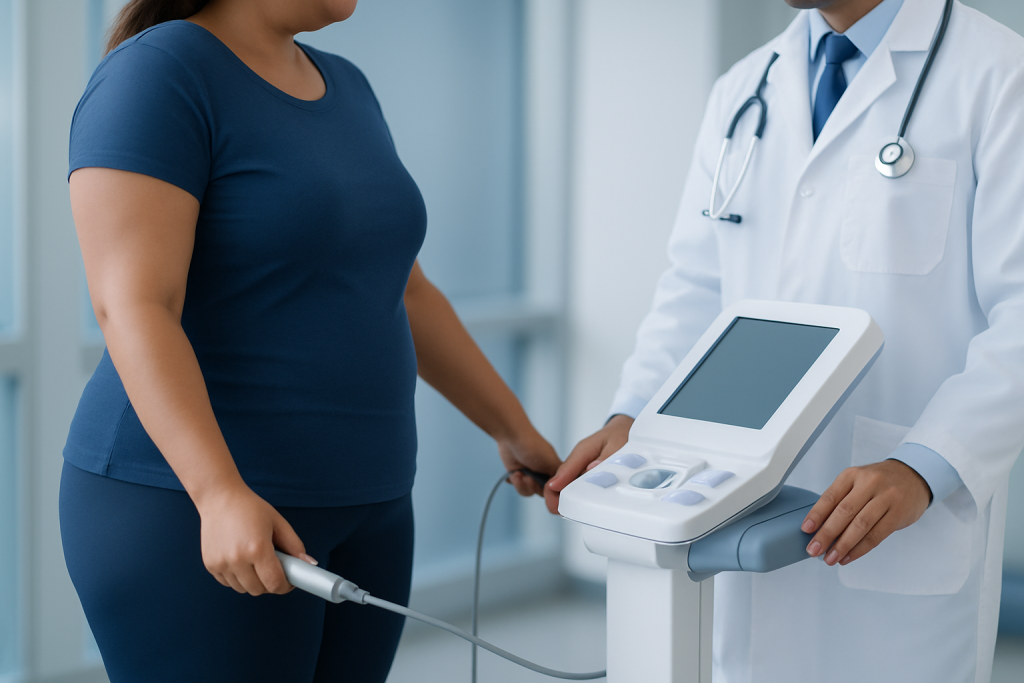
Normal weight reduction in PCOS is usually slow, steady, and linked to a realistic treatment plan. A person may notice small changes over weeks to months rather than dramatic results in a few days. The body often responds best to consistent habits such as balanced meals, regular activity, sleep support, and treatment of insulin resistance when needed.
Doctors often explain that health benefits can happen before there is major visible change. A modest decrease in body weight may be enough to improve cycle regularity, make ovulation more likely, and reduce some cardiometabolic risks. This matters because the goal of treatment is not simply weight loss itself, but better hormonal and metabolic function.
Weight can also fluctuate from week to week because of fluid retention, the timing of the menstrual cycle, constipation, changes in exercise, and stress. For that reason, clinicians often look at longer-term trends, waist circumference, symptoms, and lab results rather than relying only on daily scale readings.
- Gradual change is usually more typical than rapid change.
- Small improvements may still bring meaningful health benefits.
- Weight is only one part of PCOS management.
- Success is also measured by symptom control, fertility goals, and metabolic health.
What is not typical or may need evaluation

Not all weight reduction in PCOS should be assumed to be a positive sign. Unintended weight loss, especially if it is persistent or rapid, deserves medical attention. While lifestyle changes can certainly lead to healthy weight loss, a person who is losing weight without changing eating patterns or physical activity should not assume PCOS is the cause.
Weight loss may be concerning if it occurs together with symptoms such as tremor, heat intolerance, racing heartbeat, persistent nausea, vomiting, diarrhea, abdominal pain, frequent infections, severe stress, depressed mood, or changes in eating behavior. Other hormone or metabolic problems can sometimes mimic or overlap with PCOS, and they may need different treatment.
It is also important to seek advice if efforts to lose weight become extreme. Over-restriction, compulsive exercise, purging behaviors, or strong fear around food are not healthy management strategies. In these situations, support from a doctor, dietitian, and mental health professional may be appropriate.
Why weight changes happen in PCOS
PCOS affects weight through several pathways rather than one single mechanism. Many people with PCOS have some degree of insulin resistance, which can raise insulin levels and make the body more likely to store energy. Higher insulin can also interact with ovarian hormone production, contributing to irregular periods and higher androgen levels.
Hormonal changes may influence hunger, cravings, energy levels, and where body fat is stored. In addition, sleep difficulties, stress, and mood symptoms are common in PCOS and can affect appetite regulation and physical activity. This helps explain why weight management in PCOS is often more complex than simply “eating less and moving more.”
Medications can also play a role. Some treatments may support metabolic health, while others used for unrelated conditions can affect appetite or body weight. A doctor may review prescription medicines, supplements, thyroid function, and other endocrine issues when weight changes do not fit the expected pattern. For readers looking for broader information about PCOS, understanding these overlapping factors can make treatment plans more practical and individualized.
How doctors evaluate weight loss and PCOS
Diagnosis and follow-up begin with a careful history. A clinician will usually ask about menstrual patterns, acne, unwanted hair growth, scalp hair thinning, fertility goals, diet, activity, sleep, medications, and the timing of weight changes. Family history of diabetes, thyroid disease, and metabolic conditions may also be relevant.
Physical examination may include blood pressure, waist circumference, signs of insulin resistance, and features of androgen excess. Blood tests can help assess blood sugar, cholesterol, thyroid function, and sometimes other hormones, depending on the symptoms. Pelvic ultrasound may be used when it is clinically helpful, but diagnosis is not based on ultrasound alone.
Because other conditions can look similar to PCOS, doctors may also consider thyroid disorders, elevated prolactin, adrenal conditions, eating disorders, or gastrointestinal disease when weight loss seems unusual. A structured endocrine assessment can clarify whether symptoms are due to PCOS alone or another issue that needs attention. In some cases, coordinated endocrinology care is helpful for a fuller evaluation.
Treatment options: supporting healthy weight reduction in PCOS
Treatment is tailored to the person’s symptoms, weight history, reproductive plans, and metabolic risks. For many people, the foundation is lifestyle support that is realistic and sustainable. This often includes regular meals with adequate protein and fiber, limiting highly refined foods, gradual increases in physical activity, and attention to sleep and stress. There is no single diet that works for everyone with PCOS, so the best plan is one the person can maintain.
Medical treatment may be added when needed. Depending on the situation, a doctor may recommend therapies that improve insulin sensitivity, help regulate menstrual cycles, or address androgen-related symptoms. If fertility is a goal, treatment may focus on helping ovulation. People with significant obesity or obesity-related health problems may be evaluated for more advanced options, including structured weight management treatment when appropriate.
Some patients benefit from a multidisciplinary approach involving gynecology, endocrinology, nutrition, and reproductive medicine. When irregular cycles and fertility concerns are part of the picture, specialist fertility evaluation and treatment may be considered after a medical assessment. The right plan aims for symptom improvement, metabolic health, and long-term wellbeing rather than rapid short-term weight loss.
Self-care, prevention, and tracking progress
There is no guaranteed way to prevent PCOS, but healthy daily habits can reduce complications and support treatment. Helpful strategies include regular movement, balanced meals, enough sleep, stress management, and keeping follow-up appointments for blood pressure, cholesterol, and glucose checks. These habits can improve insulin sensitivity and make weight reduction more achievable over time.
Tracking progress in more than one way can be useful. Instead of focusing only on body weight, many people benefit from monitoring cycle regularity, energy levels, waist measurement, exercise tolerance, skin changes, and lab trends. This broader view is often more encouraging and medically meaningful.
Self-care should also include emotional wellbeing. PCOS can affect body image, mood, and confidence, especially when weight changes feel difficult or slow. Support from a qualified dietitian, therapist, or support group may help someone build realistic expectations and avoid harmful dieting cycles.
When to seek medical care
A person should seek medical care if weight loss is unintentional, rapid, or accompanied by other symptoms. Warning signs include severe fatigue, fainting, ongoing abdominal pain, vomiting, chronic diarrhea, heart palpitations, heavy or prolonged bleeding, or a complete absence of periods. These problems are not explained by PCOS alone and should be assessed by a clinician.
Medical review is also important when periods are very irregular, pregnancy is desired but not occurring, or symptoms such as acne, excess facial or body hair, or scalp hair thinning are worsening. Early evaluation may help reduce long-term risks related to blood sugar, cholesterol, and endometrial health. Some people may need input from gynecology as well as metabolic specialists to build an effective plan.
Near the end of the care pathway, some patients choose evaluation at centers with coordinated specialist services. Acibadem International’s multidisciplinary teams and JCI-accredited hospitals diagnose and treat PCOS and related metabolic or fertility concerns for international patients, with care guided by the person’s symptoms and goals.
Frequently asked questions
Can weight reduction improve PCOS symptoms?
Yes. In many people, even modest weight loss can help improve menstrual regularity, insulin resistance, ovulation, and some androgen-related symptoms. The degree of benefit varies from person to person, so treatment should be individualized.
Is rapid weight loss normal in PCOS?
Usually not. PCOS is more often linked to difficulty losing weight than to sudden unintentional weight loss. Rapid or unexplained weight reduction should be evaluated to rule out another medical cause.
How much weight loss is usually needed to see benefits in PCOS?
There is no single number that applies to everyone. Many people can see metabolic or menstrual benefits with modest, sustained weight loss rather than dramatic change. A doctor or dietitian can help set realistic goals based on overall health.
If someone with PCOS cannot lose weight, does that mean treatment is failing?
No. Weight is only one measure of progress in PCOS care. Treatment may still be helping if periods become more regular, blood sugar improves, ovulation returns, or symptoms such as acne begin to ease.
What kind of doctor should evaluate weight changes in PCOS?
A primary care doctor, gynecologist, or endocrinologist can usually begin the evaluation. Depending on symptoms, a dietitian, fertility specialist, or mental health professional may also be part of care. Multidisciplinary support is often useful because PCOS affects hormones, metabolism, and reproductive health.
Can PCOS cause weight loss without trying?
PCOS itself does not usually cause unintentional weight loss. If weight is dropping without lifestyle changes, another problem such as thyroid disease, digestive illness, medication effects, or mental health concerns may need to be considered. Medical assessment is the safest next step.
References
- World Health Organization
- Centers for Disease Control and Prevention
- American College of Obstetricians and Gynecologists
- Endocrine Society
- Office on Women's Health
This article is for general information only and is not a substitute for professional medical advice. Please consult a qualified doctor about your individual situation.
Medical weight-loss options in Turkey — costs & eligibility
JCI-accredited · board-certified surgeons · reply within 24h
Check your numbers in seconds
BMI, calories, due date, blood pressure and 30+ more clinical calculators — free, instant, doctor-reviewed ranges.