Quick answer
Heart palpitations are sensations of a fast, pounding, fluttering, or irregular heartbeat, often caused by stress, stimulants, hormonal changes, or an underlying heart rhythm problem. At Acibadem, evaluation focuses on identifying the cause with cardiac assessment and monitoring, and treatment depends on the findings, ranging from lifestyle measures and medication to procedures for arrhythmias when needed.
What is heart palpitations?
Heart palpitations are the feeling that your heart is beating in an unusual way. People often describe them as a pounding, fluttering, racing, skipping, or thumping sensation in the chest. Some people feel palpitations in the throat or neck rather than the chest. The medical code used for this symptom is ICD-10 R00.2, and in medical records it is listed as a symptom rather than a disease in itself. In other words, palpitations describe what you feel, not what is causing the feeling.
So what is heart palpitations in everyday terms? Normally, you do not notice your own heartbeat. When you become aware of it, because it feels too fast, too strong, irregular, or as if a beat has been skipped: that awareness is called a palpitation. The heartbeat itself may be completely normal, or there may be a change in the heart’s rhythm, which doctors call an arrhythmia (any heartbeat that is too fast, too slow, or irregular).
Heart palpitations are very common. Most adults experience them at some point, and they affect people of all ages, including children and older adults. They can occur in people with healthy hearts as well as in people with heart conditions. In many cases, palpitations are brief, harmless, and linked to everyday triggers such as stress, caffeine, or exercise. In a smaller number of cases, they are a sign of an underlying heart rhythm problem or another medical condition that needs attention. Because the same sensation can have very different causes, doctors take palpitations seriously enough to ask questions and, when appropriate, run tests.
Symptoms
Heart palpitations symptoms vary from person to person. The core symptom is an abnormal awareness of your own heartbeat. Common descriptions include:
- Flutteringa quivering or “butterfly” feeling in the chest
- Pounding or thumpingthe heartbeat feels unusually forceful
- Racingthe heart feels like it is beating much faster than normal
- Skipped or extra beatsa pause followed by a strong beat, often felt as a “flip” or “thud”
- Irregular rhythmthe beats feel chaotic or out of step
- Sensations in the throat or necksome people feel the beats there rather than in the chest
How palpitations feel often depends on their type and pattern. Occasional single skipped beats, frequently caused by premature beats, which are early heartbeats that briefly interrupt the normal rhythm, usually last only a second or two and often occur at rest, such as when lying in bed. Episodes of a fast, regular racing heart that start and stop suddenly may point to a specific rhythm disturbance, while a fast and clearly irregular rhythm can suggest a condition such as atrial fibrillation (an irregular rhythm arising in the upper chambers of the heart). Palpitations that build up gradually during anxiety or exertion and fade gradually afterward often reflect a normal fast heartbeat rather than an arrhythmia.
Palpitations may occur alone or together with other symptoms. Feeling lightheaded, short of breath, unusually tired, or sweaty during an episode is more concerning than palpitations alone, because it can suggest that the rhythm change is affecting how well the heart pumps blood. Chest pain or fainting during palpitations is a warning sign that needs urgent medical assessment, as explained at the end of this article.
It is also worth knowing that the strength of the sensation does not reliably match the seriousness of the cause. Some harmless premature beats feel dramatic, while some significant arrhythmias cause only mild or no symptoms. This is one reason doctors rely on testing rather than symptoms alone.
Causes and risk factors
Heart palpitations causes fall into several broad groups. Many are related to lifestyle or temporary body states rather than heart disease.
- Emotions and stress: anxiety, panic attacks, fear, and strong excitement commonly trigger palpitations. During a panic attack, a racing heart may occur together with sweating, trembling, and a sense of dread.
- Stimulants: caffeine (coffee, tea, energy drinks), nicotine, alcohol, and recreational drugs such as cocaine or amphetamines can all provoke palpitations.
- Physical states: vigorous exercise, fever, dehydration, lack of sleep, low blood sugar, and anemia (a low level of red blood cells) can make the heartbeat faster or more noticeable.
- Hormonal changes: pregnancy, menstruation, and menopause are frequently associated with palpitations. An overactive thyroid gland (hyperthyroidism), which speeds up the body’s metabolism, is a well-recognized cause.
- Medications: some asthma inhalers, decongestants found in cold remedies, certain thyroid medicines, some antidepressants, and diet pills can cause palpitations as a side effect.
- Heart rhythm disorders: premature atrial or ventricular beats, supraventricular tachycardia (episodes of a fast rhythm starting above the heart’s lower chambers), atrial fibrillation, atrial flutter, and, less commonly, ventricular arrhythmias arising in the lower chambers.
- Structural heart disease: problems with heart valves, heart muscle disease (cardiomyopathy), previous heart attack, or heart failure can make palpitations more likely and more significant.
- Electrolyte imbalances: abnormal levels of potassium, magnesium, or calcium in the blood can disturb the heart’s electrical activity.
Certain factors raise the likelihood of experiencing palpitations or of an underlying arrhythmia. These include older age, high blood pressure, existing heart disease, a family history of rhythm disorders or sudden cardiac death, thyroid disease, obesity, sleep apnea (repeated pauses in breathing during sleep), high alcohol intake, and high levels of stress or anxiety. In many people, however, no single cause is ever identified, and the palpitations remain occasional and harmless.
Diagnosis
Heart palpitations diagnosis starts with a detailed conversation and a physical examination. Your doctor will ask what the palpitations feel like, how they start and stop, how long they last, what seems to trigger them, and whether other symptoms, such as dizziness, chest pain, breathlessness, or fainting, occur at the same time. Some doctors ask patients to tap out the rhythm they feel, which can offer useful clues. Questions about caffeine, alcohol, smoking, medications, supplements, sleep, and stress are a standard part of the assessment, along with a review of your personal and family heart history.
Common tests include:
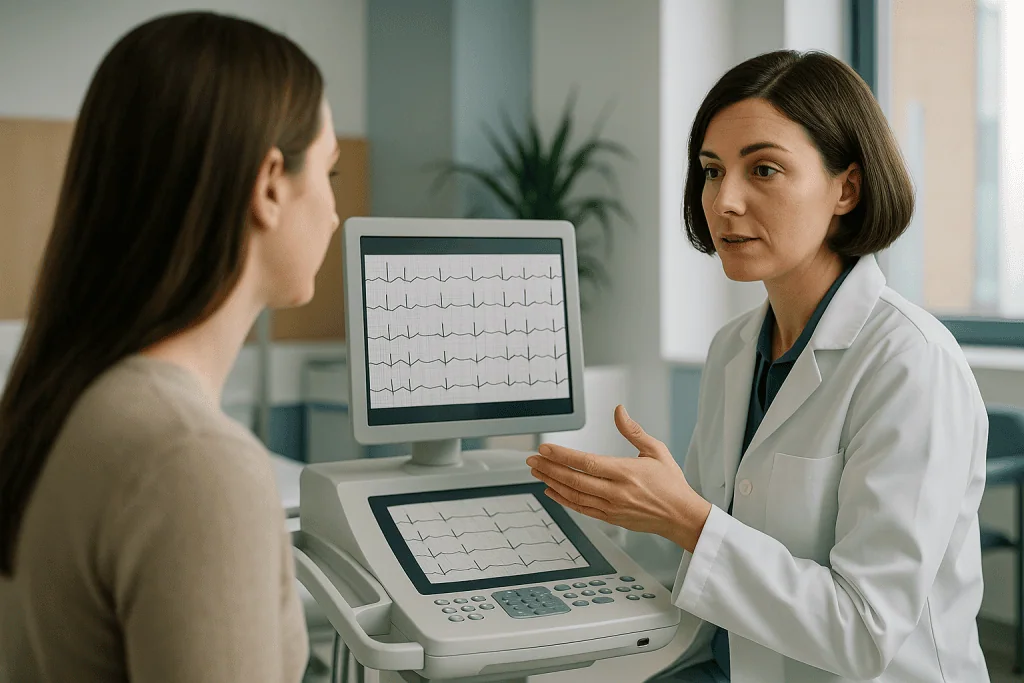
- Electrocardiogram (ECG or EKG): a quick, painless recording of the heart’s electrical activity using stickers placed on the skin. A standard ECG captures only a short snapshot, so it may look normal if the palpitations are not happening at that moment.
- Ambulatory rhythm monitoring: because palpitations often come and go, doctors frequently use a Holter monitor (a small wearable ECG recorder worn continuously for 24 to 48 hours or longer) or an event recorder (a device worn or carried for days to weeks that records the rhythm when symptoms occur or when it detects an abnormality). Matching your symptoms to the rhythm recorded at that exact moment is often the key step in diagnosis. For very infrequent episodes, a small implantable loop recorder placed under the skin may be considered.
- Blood tests: these check for anemia, thyroid problems, electrolyte imbalances, and other conditions that can trigger palpitations.
- Echocardiogram: an ultrasound scan of the heart that shows its structure, valves, and pumping function, used to look for structural heart disease.
- Exercise (stress) testing: if palpitations occur mainly during physical activity, your doctor may record your heart rhythm while you walk on a treadmill or pedal a stationary bike.
- Electrophysiology study: in selected cases, a specialist threads thin, flexible tubes (catheters) through blood vessels into the heart to map its electrical pathways precisely. This is usually reserved for people with documented or strongly suspected significant arrhythmias.
Doctors weigh the test results together with your symptom pattern and overall heart health. In many people, testing shows a normal heart and only occasional harmless extra beats, which can itself be reassuring information.
Treatment options
Heart palpitations treatment depends entirely on the cause, so there is no single approach that fits everyone. The main options are outlined below.
Watchful waiting and lifestyle changes
When palpitations are occasional, brief, and not linked to a dangerous rhythm or structural heart problem, doctors often recommend no specific medical treatment. Instead, they may suggest reducing or avoiding triggers: cutting back on caffeine, alcohol, and nicotine; staying well hydrated; getting regular sleep; and managing stress with techniques such as breathing exercises, physical activity, or relaxation practices. For palpitations driven by anxiety or panic, addressing the anxiety itself, sometimes with talking therapies or, when appropriate, medication, often reduces the episodes. Simple reassurance after normal test results is, in many cases, all the treatment a person needs.
Treating the underlying condition
If tests reveal a cause such as an overactive thyroid, anemia, low blood sugar, or an electrolyte imbalance, treating that condition usually improves the palpitations. If a medication is the likely trigger, your doctor may adjust the dose or switch to an alternative; you should not stop a prescribed medicine on your own.
Medications
When palpitations are caused by a documented arrhythmia, or when symptoms are frequent and troublesome, your doctor may prescribe medication. Beta-blockers (medicines that slow the heart rate and reduce the force of each beat) are commonly used, particularly for premature beats and fast rhythms. Calcium channel blockers, another group of rate-controlling medicines, are an option for some people. For certain arrhythmias, antiarrhythmic drugs that act directly on the heart’s electrical system may be prescribed by a specialist. If atrial fibrillation is found, your doctor may also discuss anticoagulant medication (“blood thinners”) to lower the risk of stroke, because atrial fibrillation can allow blood clots to form in the heart. The choice of medicine is individualized, and all of these drugs have potential side effects that your doctor will explain.
Procedures
Some arrhythmias that cause palpitations can be treated with catheter ablation. In this procedure, a specialist guides thin catheters through a blood vessel into the heart and uses heat or cold energy to neutralize the small area of tissue generating the abnormal rhythm. Ablation is often considered for recurrent supraventricular tachycardia, some cases of atrial fibrillation or flutter, and certain frequent premature beats when medication is ineffective or not desired. For rhythms that are dangerously slow or that carry a risk of life-threatening events, devices such as a pacemaker (which keeps the heart from beating too slowly) or an implantable cardioverter-defibrillator (which detects and corrects dangerous fast rhythms) may be recommended. Open heart surgery is rarely needed for palpitations themselves and is generally reserved for people who need surgery for another heart problem at the same time.
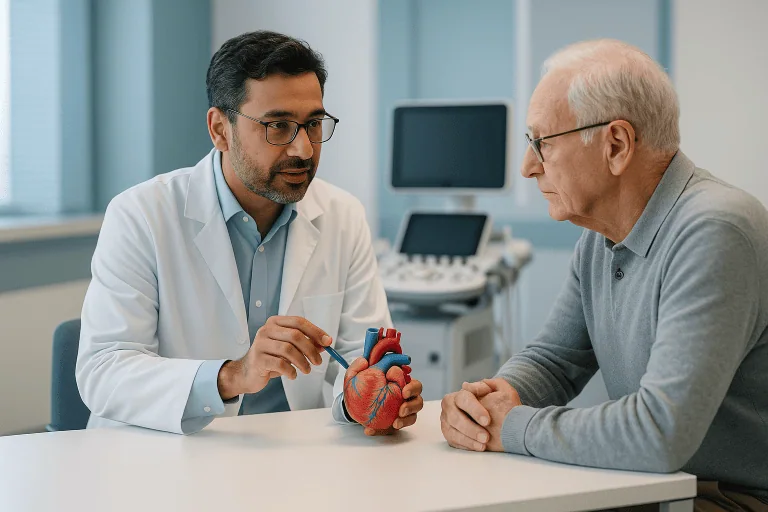
Evaluation and treatment of palpitations and related rhythm disorders are typically managed by cardiologists, sometimes with input from electrophysiologists, who are cardiologists specializing in the heart’s electrical system. Within Acibadem, this condition is managed by the Cardiology Department.
Living with heart palpitations / outlook
For most people, the outlook with heart palpitations is good. When the heart is structurally normal and monitoring shows only occasional premature beats or a normal fast rhythm during stress or exertion, palpitations are generally harmless, even though they can feel alarming. Many people find that episodes become less frequent, or at least less frightening, once they understand what is happening and adjust triggers such as caffeine, alcohol, poor sleep, and stress.
When palpitations are caused by a specific arrhythmia, the outlook depends on the type of rhythm problem and on overall heart health. Some arrhythmias, such as supraventricular tachycardia, can often be treated effectively with medication or ablation. Others, such as atrial fibrillation, may need long-term management to control symptoms and reduce the risk of complications like stroke. No treatment can guarantee that palpitations will never return, and honest follow-up with your care team matters more than any single intervention.
Practical steps that often help day to day include keeping a simple symptom diary (noting when episodes happen, how long they last, and what you were doing), taking prescribed medicines consistently, attending follow-up appointments, staying physically active within the limits your doctor advises, and managing conditions such as high blood pressure, thyroid disease, and sleep apnea. If anxiety about your heartbeat becomes a burden in itself, tell your doctor, health-related anxiety is common with palpitations and is treatable.
Frequently asked questions
What is heart palpitations and is it a disease?
Heart palpitations are a symptom, not a disease. The term describes the sensation of feeling your own heartbeat, as pounding, fluttering, racing, or skipping. The underlying cause may be entirely benign, such as stress or caffeine, or it may be a heart rhythm disorder or another medical condition. Because the sensation alone does not reveal the cause, doctors usually ask questions and may run tests such as an ECG before deciding whether any treatment is needed.
How serious are heart palpitations?
In many cases, palpitations are harmless, especially in people with structurally normal hearts and brief, occasional episodes. They are more likely to be significant when they occur with dizziness, fainting, chest pain, or breathlessness, when they last a long time, or when the person has known heart disease or a family history of serious rhythm problems. Only a medical evaluation can reliably distinguish a benign cause from one that needs treatment, so persistent or worrying palpitations should always be discussed with a doctor.
Can heart palpitations go away on their own?
Yes, often they can. Palpitations triggered by stress, caffeine, alcohol, dehydration, fever, or lack of sleep frequently resolve once the trigger is removed. Palpitations related to hormonal changes, such as pregnancy or menopause, often improve over time as well. However, palpitations caused by an underlying arrhythmia or a condition such as thyroid disease usually persist or recur until the underlying problem is treated, which is why a proper diagnosis matters.
What do heart palpitations symptoms feel like?
People describe palpitations in different ways: a fluttering or quivering in the chest, a pounding or forceful heartbeat, a racing heart, a skipped beat followed by a hard thump, or an irregular, chaotic rhythm. Some feel the sensation in the throat or neck. Episodes can last seconds, minutes, or longer. The intensity of the feeling does not always match how serious the cause is, harmless extra beats can feel dramatic, while some important arrhythmias cause only subtle symptoms.
How do doctors diagnose the cause of heart palpitations?
Heart palpitations diagnosis typically combines a careful history and examination with an electrocardiogram (ECG), a short recording of the heart’s electrical activity. Because episodes often do not occur during a clinic visit, doctors frequently use wearable monitors, such as a Holter monitor worn for a day or more, or an event recorder used for weeks, to catch the rhythm during symptoms. Blood tests can identify triggers like thyroid problems or anemia, and an echocardiogram (heart ultrasound) can check the heart’s structure and pumping function.
What is the best treatment for heart palpitations?
There is no single best heart palpitations treatment, because treatment depends on the cause. For benign palpitations, doctors often recommend lifestyle changes and reassurance rather than medication. If an underlying condition such as thyroid disease is found, treating it usually helps. For documented arrhythmias, options may include medicines such as beta-blockers, antiarrhythmic drugs, or a procedure called catheter ablation that targets the source of the abnormal rhythm. Your doctor will recommend an approach based on your specific diagnosis and overall health.
Can anxiety really cause heart palpitations?
Yes. Anxiety and panic are among the most common triggers of palpitations. Stress hormones such as adrenaline speed up the heart and make each beat feel stronger, which can create a racing or pounding sensation. This can become a cycle, because noticing the palpitations often increases anxiety further. That said, doctors are usually careful not to attribute palpitations to anxiety until other causes have been reasonably excluded, particularly in people with additional symptoms or heart risk factors.
When to see a doctor
Occasional, brief palpitations without other symptoms can usually be mentioned at a routine visit. However, you should seek medical advice promptly if palpitations are new, frequent, becoming worse, lasting longer, or interfering with daily life, or if you have known heart disease or a family history of sudden cardiac death or serious rhythm disorders.
Seek emergency medical care immediately if palpitations occur together with any of the following red-flag warning signs:
- Chest pain or pressure, especially if it spreads to the arm, neck, jaw, or back
- Fainting or near-fainting (losing consciousness or feeling about to)
- Severe shortness of breath or difficulty breathing
- Severe dizziness or lightheadedness that does not pass quickly
- A very fast heartbeat that does not slow down after several minutes of rest
- Confusion, weakness on one side of the body, or trouble speaking, which can indicate a stroke
- Palpitations with cold, clammy, or pale skin and heavy sweating
These symptoms can signal a dangerous heart rhythm or another serious problem that requires immediate assessment. Even if an episode passes before help arrives, tell a doctor about it afterward, because the details of what happened, and, if possible, a recording of the rhythm during a future episode, are often the key to finding the cause and choosing the right treatment.
Medically reviewed by the Acıbadem International Medical Board September 2, 2026
See our medical review board →
Update history
- PublishedJune 14, 2026
- Medical review approvedSeptember 2, 2026
- Last content updateSeptember 2, 2026