Can Tonsils Grow Back? Here Is What the Evidence Says

A small amount of tonsil tissue can remain after surgery and later enlarge, creating the appearance of regrowth. Tonsil regrowth is more often linked to partial tonsil removal than complete tonsillectomy.
Key Takeaways
- A small amount of tonsil tissue can remain after surgery and later enlarge, creating the appearance of regrowth.
- Tonsil regrowth is more often linked to partial tonsil removal than complete tonsillectomy.
- Many cases do not cause problems and do not need treatment.
- Medical review is important if regrowth is linked to repeated infections, sleep-disordered breathing, pain, bleeding, or asymmetry.
- Doctors usually diagnose regrowth with a medical history, throat examination, and sometimes imaging or sleep assessment.
Yes, tonsils can grow back in some people if a small amount of tissue remains after surgery and later enlarges again. This is usually harmless, but persistent symptoms such as repeated infections, snoring, trouble swallowing, or one-sided throat changes should be checked by a doctor.
Overview: Can Tonsils Grow Back?
Yes, tonsils can grow back, although this is not common and it is often harmless. In most cases, what people call “tonsil regrowth” happens because a small amount of tonsil tissue was left behind during surgery and later became larger over time. This is more likely after a partial tonsil procedure than after complete removal.
For many people, this does not lead to serious health problems. The main concern is not the regrowth itself, but whether it causes symptoms such as frequent sore throats, snoring, trouble swallowing, or recurrent infection. If there are no symptoms, observation may be all that is needed.
It can be confusing to notice tissue again in the throat years after a tonsillectomy. The throat can also contain nearby lymphoid tissue, including adenoids and other immune tissue, which may be mistaken for tonsils. A doctor can help determine whether it is true regrowth or another normal structure.
Why Tonsils May Appear to Return
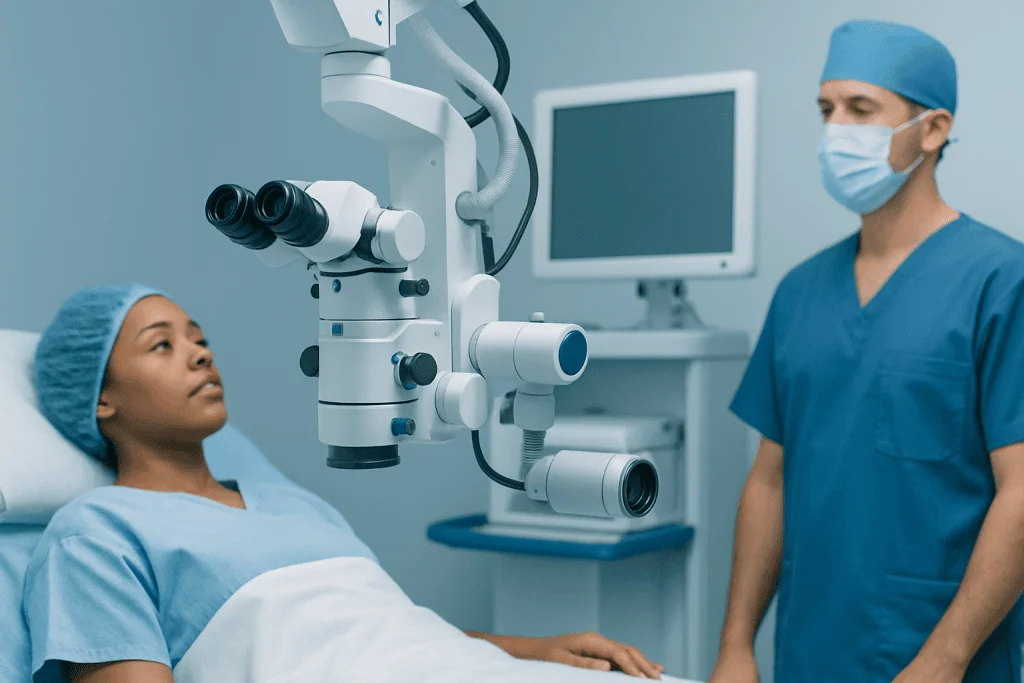
The tonsils are part of the immune system and are made of lymphoid tissue. During a tonsillectomy, the goal may be either to remove all visible tonsil tissue or to remove most of it while leaving a thin layer behind to reduce pain or bleeding risk. If some tissue remains, it can enlarge later, especially in children, whose lymphoid tissue is naturally more active.
This is why regrowth is generally understood as enlargement of residual tissue rather than a completely new tonsil forming. The chance of this happening depends in part on the surgical technique used and the reason for surgery. Partial tonsillectomy, sometimes used to treat airway blockage while aiming for easier recovery, carries a higher chance of tissue enlargement later on.
Inflammation can also make the area look fuller. Repeated throat infections, allergies, or irritation may cause remaining tissue to become more noticeable. In some cases, what seems like regrowth may be another throat condition that needs separate evaluation, such as tonsillitis or enlarged adenoids.
Symptoms That May Suggest Tonsil Regrowth

Some people with tonsil regrowth have no symptoms at all. The finding may be noticed during a routine examination or when someone looks in the mirror because of a sore throat or upper respiratory infection. When symptoms do occur, they often resemble the problems that led to tonsil surgery in the first place.
Possible symptoms can include:
- Repeated sore throats or throat irritation
- Bad breath linked to debris or inflammation
- Snoring or noisy breathing during sleep
- Pauses in breathing during sleep reported by family members
- Trouble swallowing or a sensation of fullness in the throat
- Swollen neck glands during infections
Symptoms deserve more attention if they are persistent, getting worse, or affecting sleep, eating, or daily comfort. A one-sided change, visible ulcer, unexplained weight loss, or bleeding is not typical of simple regrowth and should be assessed promptly by an ear, nose, and throat specialist.
Who Is More Likely to Experience It?
Tonsil regrowth can happen in both children and adults, but it is discussed more often in children. Younger patients have more active lymphoid tissue, and small residual areas may become larger as the immune system responds to infections or inflammation. Children who had surgery for enlarged tonsils rather than frequent infections may also be more likely to notice tissue again later.
The type of surgery matters. A partial tonsillectomy removes most, but not all, of the tonsil. This can be an appropriate option for some patients, but it also means there is tissue left that can enlarge again. In contrast, complete tonsillectomy aims to remove the tonsil capsule and reduces the chance of regrowth, though tiny remnants may still remain.
Frequent upper airway infections, allergies, and chronic inflammation may contribute to enlargement of residual tissue. This does not mean that regrowth is dangerous. It simply helps explain why some people notice it while others never do.
How Doctors Check Whether Tonsils Have Grown Back
If a person wonders, “can tonsils grow back,” the first step is usually a careful history and throat examination. The doctor will ask about previous tonsil surgery, the age at the time of surgery, the reason it was done, and any new symptoms such as sore throats, snoring, breathing pauses, or swallowing difficulty.
An examination of the mouth and throat can often show whether residual tonsil tissue is present. The doctor may also check the nose, adenoids, lymph nodes, and overall airway. If symptoms point to sleep-disordered breathing, additional assessment may be recommended. In selected cases, a sleep study can help evaluate obstruction, especially in children with loud snoring or suspected sleep apnea.
Testing is not always necessary, but it may be used when the picture is unclear or symptoms are significant. Depending on the situation, an ENT specialist may use a small scope to examine the upper airway or look for related problems. If recurrent infection or obstruction is the concern, treatment planning may include discussion of tonsillectomy and adenoidectomy or further airway evaluation.
When Regrowth Needs Treatment
Not everyone with tonsil regrowth needs treatment. If the tissue is small and not causing symptoms, doctors often recommend watchful follow-up. This is reassuring for many families and patients, because regrowth alone does not automatically mean another operation is needed.
Treatment is considered when regrowth causes repeated infections, significant swallowing problems, or symptoms of airway blockage such as loud snoring or interrupted breathing during sleep. The choice depends on the patient’s age, overall health, and the severity of symptoms. A doctor may first treat contributing issues such as allergies, nasal blockage, or active infection.
If symptoms are ongoing and clearly linked to residual tonsil tissue, repeat surgery may sometimes be recommended. This is usually guided by ENT assessment and, when sleep is affected, may be coordinated with sleep apnea treatment. In some cases, related upper airway problems such as sleep apnea also need to be addressed so that care focuses on the full cause of symptoms rather than the tonsils alone.
When to Seek Medical Care
Most people do not need urgent care simply because they think tonsils have grown back. A routine appointment is usually enough if there is mild throat discomfort, occasional snoring, or concern after noticing tissue in the back of the throat. A clinician can confirm whether it is regrowth and whether any follow-up is needed.
Medical review is more important if there are repeated throat infections, persistent bad breath, trouble swallowing, sleep disruption, daytime tiredness related to poor sleep, or ongoing mouth breathing. Children who snore loudly, pause in breathing, or have behavioral or school difficulties linked to poor sleep should also be assessed.
Prompt medical attention is needed for bleeding, severe breathing difficulty, dehydration from painful swallowing, or a one-sided mass with persistent pain or voice changes. Near the end of the care pathway, some patients may choose specialist evaluation at centers such as Acibadem International, where multidisciplinary ENT teams in JCI-accredited hospitals diagnose and treat throat and airway conditions for international patients.
Frequently asked questions
How common is tonsil regrowth after surgery?
It is considered uncommon, especially after complete tonsillectomy. It is more likely after partial tonsil removal, where a small amount of tissue is intentionally left behind.
Can tonsils grow back years later?
Yes, regrowth can be noticed months or even years after surgery. This usually happens because remaining tissue slowly enlarges over time rather than because a brand-new tonsil forms.
Is tonsil regrowth dangerous?
Usually not. It becomes medically important mainly if it leads to repeated infections, swallowing problems, snoring, breathing pauses during sleep, or unusual one-sided throat changes.
Can adults have tonsils grow back too?
Yes, adults can have residual tonsil tissue enlarge after surgery. However, it is discussed more often in children because their lymphoid tissue is generally more active.
How can someone tell if it is regrowth or just normal throat tissue?
It is not always easy to tell by looking at the throat at home. A doctor or ENT specialist can examine the area and distinguish regrowth from nearby normal lymphoid tissue, adenoids, infection, or another throat condition.
Does tonsil regrowth always mean another surgery is needed?
No. Many people do well with simple monitoring if the tissue is not causing symptoms. Surgery is usually considered only when there are significant infections, airway obstruction, or other ongoing problems.
References
- American Academy of Otolaryngology–Head and Neck Surgery
- National Institute on Deafness and Other Communication Disorders
- Mayo Clinic
- Merck Manual Consumer Version
This article is for general information only and is not a substitute for professional medical advice. Please consult a qualified doctor about your individual situation.
Explore treatments in Turkey — costs, top hospitals & a free quote
JCI-accredited · board-certified surgeons · reply within 24h