Unexplained Muscle Pain in Arms and Legs: Possible Causes and When to Seek Care

Muscle pain in the arms and legs is often linked to overuse, minor strain, dehydration, or viral illness, but it can also reflect medication effects or medical conditions. The pattern of pain matters: sudden pain after activity suggests strain, while widespread aching, weakness, numbness, or swelling may point to another cause.
Key Takeaways
- Muscle pain in the arms and legs is often linked to overuse, minor strain, dehydration, or viral illness, but it can also reflect medication effects or medical conditions.
- The pattern of pain matters: sudden pain after activity suggests strain, while widespread aching, weakness, numbness, or swelling may point to another cause.
- A doctor may use the history, physical examination, blood tests, and sometimes imaging or nerve studies to find the reason for symptoms.
- Treatment depends on the cause and may include rest, hydration, medication review, physical therapy, or care from a specialist.
- Urgent medical care is important if muscle pain comes with chest pain, shortness of breath, severe weakness, dark urine, major swelling, fever, or one-sided symptoms.
Unexplained muscle pain in arms and legs can have many causes, ranging from short-term strain and viral illness to medication side effects, nerve problems, or inflammatory conditions. Most cases are not emergencies, but persistent, severe, or worsening pain deserves medical evaluation to identify the cause and guide treatment.
Overview: What unexplained muscle pain in arms and legs can mean
Unexplained muscle pain in arms and legs is a symptom rather than a diagnosis. It may feel like aching, soreness, cramping, burning, stiffness, tenderness, or a deep heavy discomfort in the limbs. In many people, the cause is temporary and manageable, such as unaccustomed exercise, a minor muscle strain, dehydration, or a viral infection that causes body aches.
Sometimes, however, the pain does not clearly relate to activity or does not improve as expected. In that situation, doctors consider a wider range of possibilities, including medication side effects, mineral imbalance, nerve irritation, circulation problems, autoimmune inflammation, thyroid disease, or chronic pain conditions. The associated symptoms, timing, and physical examination often provide important clues.
Rather than assuming the cause, it helps to look at the whole picture: whether the pain is in both arms and legs or only one area, whether weakness is present, whether there was recent illness or exercise, and whether swelling, numbness, fever, or rash is also occurring. This symptom-based approach can help a person know when self-care is reasonable and when medical evaluation is the safer next step.
How muscle pain may feel and what patterns can suggest
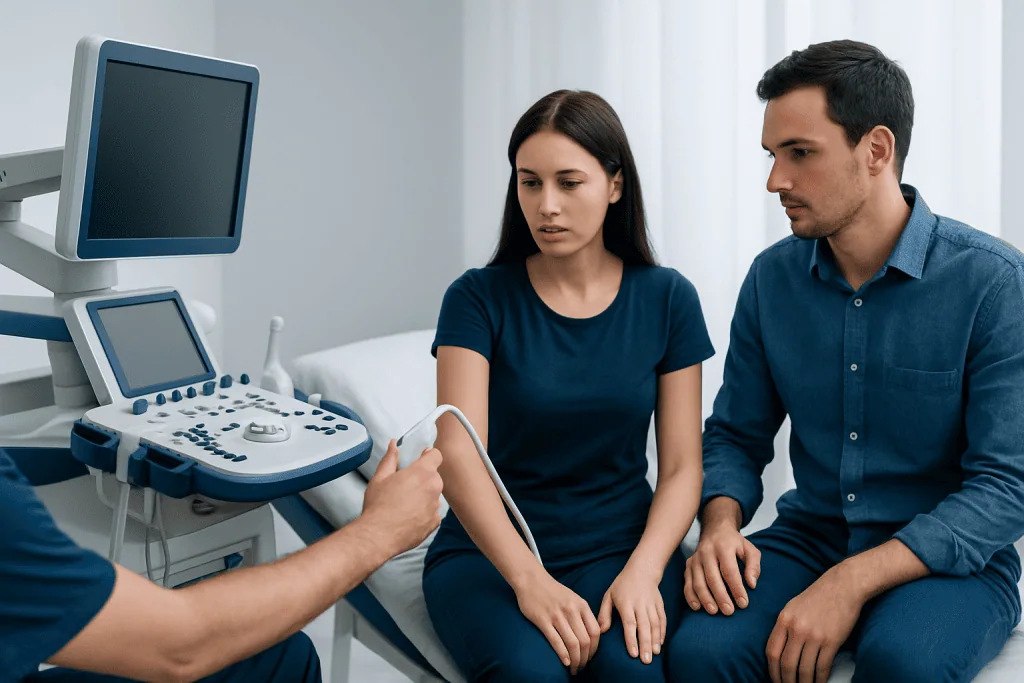
Muscle pain can appear in different ways. Some people notice diffuse aching in both arms and both legs, while others feel a more localized pain in one calf, thigh, shoulder, or forearm. Pain that begins after heavy use, awkward lifting, repetitive motion, or a new fitness routine often suggests overuse or strain. Tenderness when pressing on the muscle and stiffness after activity are also common in these situations.
By contrast, muscle pain that is widespread, symmetrical, and not clearly linked to exertion may suggest a systemic cause, such as a viral illness, medication effect, low thyroid function, or an inflammatory condition. Burning pain, tingling, or electric-shock sensations may indicate that the nerves are involved rather than the muscle itself. If the limbs feel weak, heavy, or difficult to move, doctors will also think about neuromuscular causes.
Other features that can help narrow the cause include:
- Cramps or spasms: may occur with dehydration, electrolyte imbalance, nerve irritation, or circulation issues.
- Morning stiffness: can be seen with inflammatory or rheumatologic conditions.
- Pain with fever or malaise: may happen during infections.
- Swelling, redness, or warmth: can suggest injury, inflammation, or a vascular problem.
- Dark urine or marked weakness: may indicate significant muscle breakdown and needs urgent attention.
Tracking when the pain starts, what makes it better or worse, and whether it affects sleep, walking, climbing stairs, or gripping objects can be very useful information to share with a clinician.
Possible causes of unexplained muscle pain in arms and legs

One common cause is simple muscle overuse. Gardening, housework, travel, a new exercise routine, repetitive tasks, or even prolonged sitting in an unusual position can lead to delayed muscle soreness. Mild strains may not always be remembered as a distinct injury. Dehydration and low levels of certain minerals can also contribute to aching and cramps, especially in hot weather or after sweating.
Infections are another frequent explanation. Viral illnesses such as influenza and other respiratory infections can cause generalized body aches, often before or alongside fever, fatigue, or sore throat. Some medications may also trigger muscle pain or weakness. Cholesterol-lowering medicines such as statins are a well-known example, but other drugs can contribute as well. A person should not stop a prescribed medicine without medical advice, but it is reasonable to ask whether a medication could be involved.
Doctors also consider medical conditions that affect muscles, nerves, hormones, or the immune system. Examples include thyroid disorders, vitamin D deficiency, inflammatory muscle disease, connective tissue disorders, fibromyalgia, and nerve-related problems such as peripheral neuropathy. Pain caused by nerve compression in the spine or limbs may radiate into the arms or legs and can come with numbness or weakness. Sometimes reduced blood flow, especially in the legs, can produce aching or cramping with walking that eases with rest.
Less common but important causes include autoimmune conditions, significant muscle injury, and disorders that directly affect the muscle fibers or the communication between nerves and muscles. When unexplained muscle pain is persistent, progressive, or associated with objective weakness, specialists may evaluate for neuromuscular diseases or related conditions.
Risk factors and clues that help doctors narrow the cause
Certain background factors can make some causes more likely. Recent strenuous activity, poor sleep, dehydration, a physically demanding job, and repetitive movement patterns all increase the chance of benign muscle soreness or strain. Recent viral infection, a change in medication, or travel with prolonged immobility can also help guide the evaluation.
Doctors also ask about age, long-term medical conditions, and family history. Thyroid disease, diabetes, kidney disease, autoimmune disorders, and circulation problems can all contribute to arm or leg discomfort. Nutritional factors matter as well, especially if a person has a very restricted diet, weight loss, digestive disease, or heavy alcohol use. Stress and poor sleep do not mean the pain is “just stress,” but they can worsen how pain is perceived and may overlap with chronic pain syndromes.
Important clues include whether the pain affects one side or both, whether it is mainly in the proximal muscles such as the thighs and shoulders, and whether true weakness is present. Difficulty rising from a chair, climbing stairs, lifting the arms overhead, or carrying objects may point to more than simple soreness. These details help determine whether the person may benefit from evaluation by primary care, rheumatology, neurology, orthopedics, or rehabilitation specialists.
How unexplained muscle pain is diagnosed
Diagnosis starts with a careful medical history and physical examination. A clinician will ask when the pain began, where it occurs, whether there was recent exercise or illness, and what other symptoms are present. They may assess strength, reflexes, sensation, joint movement, circulation, and whether the pain is truly within the muscle or coming from joints, tendons, nerves, or the spine.
Blood tests are sometimes used to look for inflammation, infection, thyroid problems, vitamin deficiencies, electrolyte imbalance, kidney function changes, or evidence of muscle injury. Depending on the symptoms, doctors may also check autoimmune markers or other condition-specific tests. If a medication side effect is suspected, the medication list will be reviewed carefully.
Imaging or specialized studies may be needed in selected cases. Ultrasound or MRI can help evaluate soft-tissue injury, while X-rays may be used if a bone or joint problem is suspected. Nerve conduction studies and electromyography may be considered when weakness, numbness, or suspected nerve or muscle disease is present. In patients with persistent functional symptoms, doctors may also recommend rehabilitation assessment or physical therapy and rehabilitation to better understand movement-related contributors.
The goal of diagnosis is not only to name the condition but also to identify anything that needs prompt treatment and to avoid unnecessary testing. Many people improve with a targeted, stepwise evaluation rather than extensive tests all at once.
Treatment options and self-care
Treatment depends on the underlying cause. For overuse, mild strain, or post-viral aches, conservative care is often enough. This may include relative rest, gentle movement, adequate hydration, good sleep, and short-term use of doctor-approved pain relief. Complete immobility is usually not necessary; gradual return to normal activity often helps recovery better than prolonged bed rest.
If muscle pain is linked to posture, repetitive strain, or deconditioning, a guided exercise plan may help improve flexibility, strength, and movement patterns. Some patients benefit from orthopedic rehabilitation or supervised therapy when pain affects walking, climbing stairs, reaching, or daily tasks. If nerve compression, spinal causes, or chronic weakness are suspected, treatment may involve a different rehabilitation approach, sometimes alongside neurological rehabilitation.
When a medication side effect is suspected, a doctor may adjust the treatment plan or suggest alternatives. If an underlying medical condition is found, treatment focuses on that condition, such as correcting thyroid imbalance, treating inflammation, managing diabetes, or addressing vitamin deficiency. In some cases, referral to neurology, rheumatology, vascular medicine, or orthopedics is appropriate.
Practical self-care steps can support recovery:
- Drink enough fluids, especially during exercise or hot weather.
- Warm up before activity and increase exercise intensity gradually.
- Alternate repetitive tasks and take movement breaks.
- Prioritize sleep and regular meals.
- Keep a symptom diary to note timing, triggers, and associated symptoms.
If symptoms persist, self-treatment alone may delay diagnosis. Ongoing or unexplained muscle pain deserves a professional assessment rather than repeated guesswork.
When to seek medical care
Many episodes of muscle pain settle within days to a couple of weeks, especially when related to exertion or a short illness. A non-urgent medical appointment is reasonable if unexplained muscle pain in arms and legs lasts more than a short time, keeps returning, interferes with normal activities, or is associated with fatigue, sleep problems, morning stiffness, or medication changes. Medical review is also appropriate when there is concern about weakness, numbness, reduced exercise tolerance, or pain that seems out of proportion to normal soreness.
Urgent care is important if muscle pain is severe or rapidly worsening, follows a major injury, or is accompanied by marked swelling, redness, fever, dark urine, chest pain, shortness of breath, or sudden weakness. One-sided leg pain with swelling or warmth should be assessed promptly because vascular causes need to be ruled out. Sudden arm or leg weakness, facial drooping, or trouble speaking is an emergency.
For international patients who need further evaluation, Acibadem International’s multidisciplinary specialists and JCI-accredited hospitals diagnose and treat muscle, nerve, spine, and rehabilitation-related conditions using a coordinated approach. Seeking care early can make the diagnostic process simpler and help treatment begin sooner when needed.
Frequently asked questions
Can unexplained muscle pain in arms and legs be caused by stress?
Stress can increase muscle tension, disrupt sleep, and make pain feel more intense, so it may contribute to aching in the arms and legs. However, persistent or unexplained pain should not automatically be blamed on stress, especially if weakness, numbness, swelling, or other symptoms are present.
How do I know if it is muscle pain or nerve pain?
Muscle pain often feels sore, tender, crampy, or stiff, especially with movement or pressure on the muscle. Nerve pain is more likely to feel burning, tingling, shooting, electric, or associated with numbness and weakness. A clinician can help tell the difference if the pattern is unclear.
Can dehydration cause pain in both arms and legs?
Yes. Dehydration can contribute to muscle cramps, aching, and fatigue, especially after exercise, sweating, illness, or heat exposure. Rehydration may help, but ongoing or severe symptoms should be assessed for other causes as well.
Should I worry if muscle pain happens without exercise?
Pain without exercise is not always serious, but it does deserve more attention if it is recurrent, unexplained, or associated with weakness, fever, rash, or medication changes. Causes can range from viral illness and mineral imbalance to thyroid, nerve, or inflammatory conditions.
Can medications cause unexplained muscle pain in arms and legs?
Yes. Some medications can contribute to muscle aches, cramps, tenderness, or weakness in certain people. A doctor or pharmacist can review the medication list and decide whether a change, monitoring, or further testing is needed.
When is muscle pain an emergency?
Emergency care is needed if muscle pain comes with chest pain, trouble breathing, dark urine, severe swelling, high fever, sudden one-sided weakness, facial drooping, or difficulty speaking. These features can point to a serious problem that should not wait.
References
- National Institute of Neurological Disorders and Stroke
- American Academy of Family Physicians
- Mayo Clinic
- National Institute of Arthritis and Musculoskeletal and Skin Diseases
- MedlinePlus
This article is for general information only and is not a substitute for professional medical advice. Please consult a qualified doctor about your individual situation.
Explore treatments in Turkey — costs, top hospitals & a free quote
JCI-accredited · board-certified surgeons · reply within 24h
Check your numbers in seconds
BMI, calories, due date, blood pressure and 30+ more clinical calculators — free, instant, doctor-reviewed ranges.