

Dr. My — Explained by Medical Evidence, Not Myths

Dr. My is not an established disease name in mainstream medical practice. The term often reflects a search phrase, brand name, typo, or shorthand rather than a diagnosis.
Key Takeaways
- Dr. My is not an established disease name in mainstream medical practice.
- The term often reflects a search phrase, brand name, typo, or shorthand rather than a diagnosis.
- Symptoms should be assessed based on their pattern, severity, duration, and associated warning signs.
- Reliable diagnosis depends on medical history, examination, and targeted tests when needed.
- Persistent, worsening, or alarming symptoms should be discussed with a qualified clinician.
Dr. My is not a standard medical condition or diagnosis recognized in clinical guidelines. In most cases, people searching for dr. my are looking for a doctor, a symptom explanation, or online health information that needs careful interpretation against medical evidence.
Overview: what “dr. my” usually means
Dr. My is not a recognized medical diagnosis, disease category, or symptom term used in standard clinical references. When people search for it, they are often trying to understand a health concern, find a physician, or interpret information they have seen online. The safest evidence-based answer is that the phrase itself needs clarification before any reliable medical conclusion can be made.
This matters because health searches can easily mix together symptoms, abbreviations, personal names, clinic brands, and social media terminology. A phrase that sounds medical may not have a single accepted meaning. Rather than treating “dr. my” as a diagnosis, clinicians would first ask what the person is actually experiencing, how long symptoms have been present, and whether there are any urgent warning signs.
An evidence-based approach starts with the person, not the label. For example, if the search relates to fatigue, pain, a skin change, dizziness, digestive symptoms, or mood changes, each of those concerns has a different pathway for evaluation. A clear symptom history is far more useful than an unclear phrase pulled from internet content.
Why online health terms can be confusing
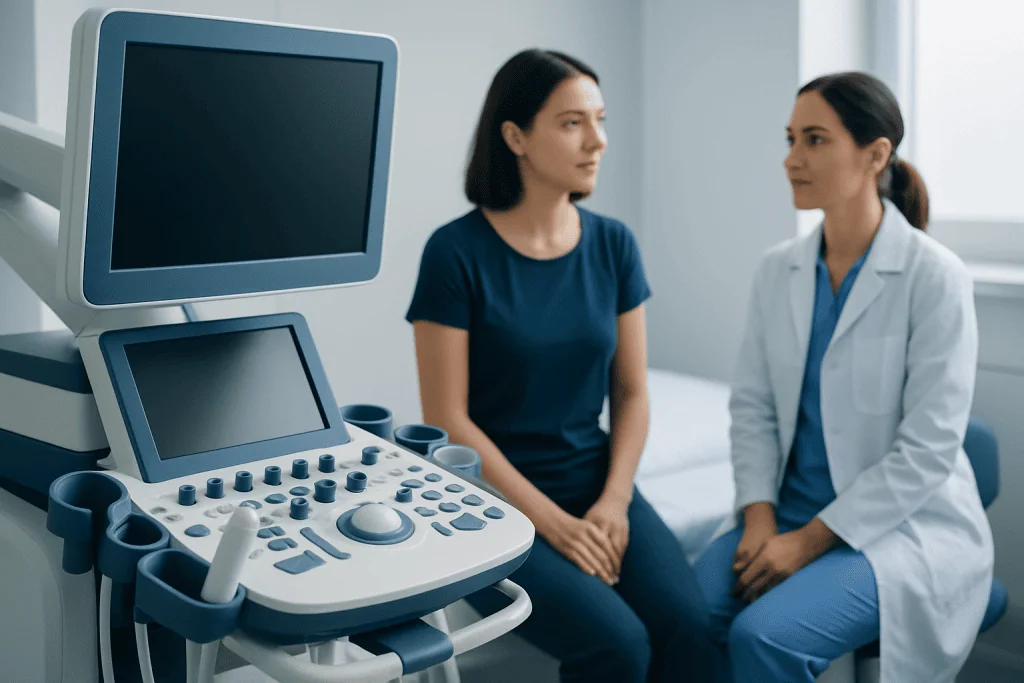
Many health-related searches are shaped by autocomplete suggestions, short-form videos, forums, and translated content. This can produce terms that feel authoritative even when they are incomplete or inaccurate. “Dr. My” may be a typo, a doctor’s name, a social media handle, a shortened phrase, or a misunderstanding of a real condition.
Medical evidence relies on precise language. For example, “migraine,” “anemia,” “urticaria,” and “thyroid disease” each have defined diagnostic frameworks. By contrast, vague internet terms can delay the right care because they encourage self-labeling instead of careful assessment.
It can help to translate a search into plain clinical questions, such as:
- What symptoms are present?
- When did they start?
- Are they getting worse, staying the same, or coming and going?
- Is there fever, bleeding, chest pain, breathing difficulty, weakness, or weight loss?
- What medications, supplements, or health conditions might be relevant?
This kind of symptom-centered thinking gives a doctor much better information than a nonstandard term alone.
Symptoms matter more than the label

Because “dr. my” is not a diagnosis, symptoms are the key to understanding whether there may be an underlying health problem. Doctors look at the location of symptoms, their timing, triggers, associated features, and the person’s age and medical history. Two people using the same search phrase may have entirely different conditions.
Examples of symptom patterns that deserve medical review include ongoing fatigue, unexplained weight change, repeated headaches, abdominal pain, changes in bowel habits, persistent cough, skin rashes, dizziness, numbness, swelling, or changes in mood and sleep. These symptoms are common and often treatable, but they should be interpreted in context rather than linked to an unclear internet term.
Some concerns may reflect broad categories such as infection, inflammation, hormonal imbalance, allergy, digestive disease, neurologic conditions, or stress-related symptoms. In other cases, a person may be searching after receiving an abnormal test result or hearing a term they did not fully understand during an appointment. If blood-related symptoms such as tiredness, pallor, or frequent weakness are present, a clinician may consider problems such as anemia among many possibilities, depending on the full picture.
Possible causes behind a “dr. my” search
There is no single medical cause of “dr. my,” but there are several common reasons people search for it. One is simple ambiguity: a person may remember only part of a doctor’s name, a diagnosis, or a test result. Another is misinformation, where online content presents nonstandard labels as if they were accepted medical entities.
Some users are actually looking for an explanation of symptoms that have not yet been diagnosed. Others may be trying to connect a symptom cluster to a known condition. For example, if a person is dealing with upper digestive discomfort, bloating, nausea, or reflux-like symptoms, proper evaluation may be more helpful than broad internet searching, especially if there are features that overlap with gastritis or other digestive problems.
Health anxiety can also play a role. Repeated searching can make common symptoms feel more serious than they are, while at the same time increasing confusion. A structured medical visit is usually more informative than comparing symptoms across social media or unreviewed websites.
Risk factors for misunderstanding health information include language barriers, fragmented care, poor-quality sources, self-diagnosis based on isolated symptoms, and reliance on anecdotal stories instead of clinician-reviewed guidance.
How doctors clarify the problem
When a term is unclear, doctors usually return to the basics: history, examination, and selective testing. The history includes the main concern, duration, severity, triggers, relieving factors, past illnesses, medicines, family history, and lifestyle factors. This helps narrow the possibilities and identify whether the problem is minor, chronic, or urgent.
A physical examination may focus on vital signs, skin, throat, chest, abdomen, nerves, joints, or other systems depending on the symptoms. If tests are needed, they are chosen to answer specific clinical questions rather than to broadly search without direction. Common first steps may include blood tests, urine tests, or imaging. In some cases, doctors may recommend MRI or a comprehensive check-up when symptoms or examination findings suggest a need for further evaluation.
For digestive complaints, persistent pain, bleeding, unexplained anemia, swallowing difficulty, or ongoing reflux symptoms can lead to tests such as endoscopy. If there is a concern about the large bowel, especially with changes in bowel habits or rectal bleeding, colonoscopy may be appropriate. These are examples of targeted investigations, not tests that everyone needs.
What treatment depends on
There is no treatment for “dr. my” itself because it is not a defined illness. Treatment depends entirely on the confirmed cause of the person’s symptoms. Sometimes the answer is simple reassurance and monitoring. In other cases, treatment may involve lifestyle changes, medication, physical therapy, counseling, specialist referral, or a procedure.
For example, headaches may need hydration advice, trigger management, or neurologic assessment. Digestive symptoms may respond to dietary changes, treatment of reflux or infection, or further gastroenterology review. Skin concerns may need allergy management, topical treatment, or biopsy in select cases. The common principle is that effective treatment follows a clear diagnosis.
It is usually best to avoid starting supplements, restrictive diets, or over-the-counter remedies based only on an unclear online term. Even products that seem harmless can interact with medications, mask symptoms, or delay proper care. A doctor or pharmacist can help decide what is safe while the cause is being investigated.
Self-care and how to use health information wisely
Practical self-care begins with observation rather than assumption. Keeping a short symptom diary can be helpful: note when symptoms happen, what they feel like, what may trigger them, and whether anything improves them. This often makes a medical visit more productive and may reveal patterns related to sleep, meals, exercise, stress, or medication use.
It is also wise to check the quality of health information. Strong sources usually explain what is known, what is uncertain, and when a person should seek medical review. They avoid dramatic claims, miracle cures, and one-size-fits-all advice. Government health agencies, major medical organizations, and hospital patient education pages are generally more dependable than anonymous posts or viral videos.
General healthy habits support overall well-being even before a diagnosis is made. These include regular sleep, balanced nutrition, hydration, tobacco avoidance, moderate physical activity, stress management, and taking prescribed medicines as directed. These steps do not replace diagnosis, but they can reduce symptom triggers and support recovery.
Near the end of the care pathway, some people benefit from multidisciplinary assessment, especially if symptoms involve more than one body system. Acibadem International’s multidisciplinary specialists and JCI-accredited hospitals evaluate and treat international patients when coordinated diagnostic care is needed.
When to seek medical care
Medical care should be sought promptly if symptoms are severe, sudden, or accompanied by warning signs. These include chest pain, trouble breathing, fainting, seizures, new weakness, confusion, severe dehydration, high fever, significant bleeding, black stools, persistent vomiting, or a sudden severe headache. These situations need urgent clinical attention rather than online interpretation.
A routine medical appointment is appropriate if symptoms persist for more than a short time, keep returning, interfere with daily life, or are causing understandable worry. It is also sensible to seek review for unexplained weight loss, ongoing fatigue, changes in appetite, new lumps, skin changes, chronic pain, or any symptom that is clearly worsening.
If the main difficulty is confusion about a term, test result, or advice seen online, bringing the exact wording to a doctor can help. Clarifying the language often quickly resolves misunderstanding and redirects attention to the symptoms or findings that truly matter.
Frequently asked questions
Is dr. my a real medical condition?
No standard medical guidelines recognize dr. my as a specific disease or diagnosis. In most cases, it appears to be an unclear search term, abbreviation, typo, or name that needs more context.
Why do people search for dr. my?
People may be trying to understand a symptom, remember a doctor’s name, or interpret a word they saw online. The search often reflects uncertainty rather than a confirmed medical problem.
How can someone find out what their symptoms mean?
The best first step is to describe the actual symptoms clearly, including when they started and what makes them better or worse. A clinician can then decide whether examination, blood tests, imaging, or specialist referral is needed.
Can online symptom checkers replace a doctor?
Online tools can sometimes help organize questions, but they cannot perform an examination or judge subtle warning signs. They are best used as a starting point, not as a final diagnosis.
When should someone stop searching online and seek care?
Urgent care is important for severe or sudden symptoms such as chest pain, shortness of breath, fainting, major bleeding, new weakness, or confusion. A non-urgent appointment is reasonable if symptoms persist, return frequently, or affect daily life.
What information is useful to bring to a medical appointment?
A short symptom timeline, a list of medications and supplements, past medical problems, and any relevant test results can be very helpful. If the concern began with an online term, bringing the exact wording can also help the doctor clarify it quickly.
References
- World Health Organization
- Centers for Disease Control and Prevention
- National Institutes of Health
- MedlinePlus
- Mayo Clinic
This article is for general information only and is not a substitute for professional medical advice. Please consult a qualified doctor about your individual situation.
Explore treatments in Turkey — costs, top hospitals & a free quote
JCI-accredited · board-certified surgeons · reply within 24h

More from the Health Library



Related Specialists

Assoc. Prof. Dr. Ece Uysal
Neurosurgery
Dr. Yester Hançeroğlu
Occupational Medicine
Dr. Alihan Özcan
Gynecology & Obstetrics
Prof. Dr. Kerem Bilsel
Orthopedic Surgery & Traumatology