Resistance Training for Body Recomposition: An Evidence-Based Guide for Patients

Body recomposition aims to increase or preserve lean muscle while lowering body fat. Resistance training is the central exercise strategy because it stimulates muscle protein synthesis and helps maintain metabolic health during fat loss.
Key Takeaways
- Body recomposition aims to increase or preserve lean muscle while lowering body fat.
- Resistance training is the central exercise strategy because it stimulates muscle protein synthesis and helps maintain metabolic health during fat loss.
- Progress usually depends on training quality, sufficient protein intake, sleep, and consistency over weeks to months.
- The number on the scale may change slowly, stay stable, or even rise slightly while body shape and strength improve.
- A safe, individualized plan is especially important for beginners, older adults, and people with obesity, diabetes, joint pain, or heart disease.
Resistance training for body recomposition means using strength-based exercise to support muscle gain while reducing body fat over time. For many adults, this approach works best when training is consistent, nutrition is adequate, recovery is respected, and progress is measured by body composition and function rather than scale weight alone.
Overview: what resistance training for body recomposition means
Resistance training for body recomposition is a structured way of exercising to improve the ratio of muscle to body fat. In practical terms, it means using strength-based exercise to help the body build or preserve lean mass while also encouraging fat loss. This differs from programs focused only on rapid weight loss, because the goal is not simply a lower number on the scale, but a healthier body composition and better physical function.
For many patients, body recomposition is realistic when exercise, nutrition, and recovery are aligned. Resistance training provides the signal for muscles to adapt, while adequate dietary protein and overall energy intake support those adaptations. At the same time, a modest calorie deficit, when appropriate, can help the body draw on stored fat. This balance is often more sustainable than extreme dieting or excessive cardio alone.
Body recomposition is most likely when expectations are realistic. It is usually a gradual process, not a quick transformation. People who are new to strength training, returning after a break, living with overweight or obesity, or improving nutrition habits may notice meaningful changes in strength, body measurements, and appearance before major changes appear on the scale.
How resistance training changes body composition
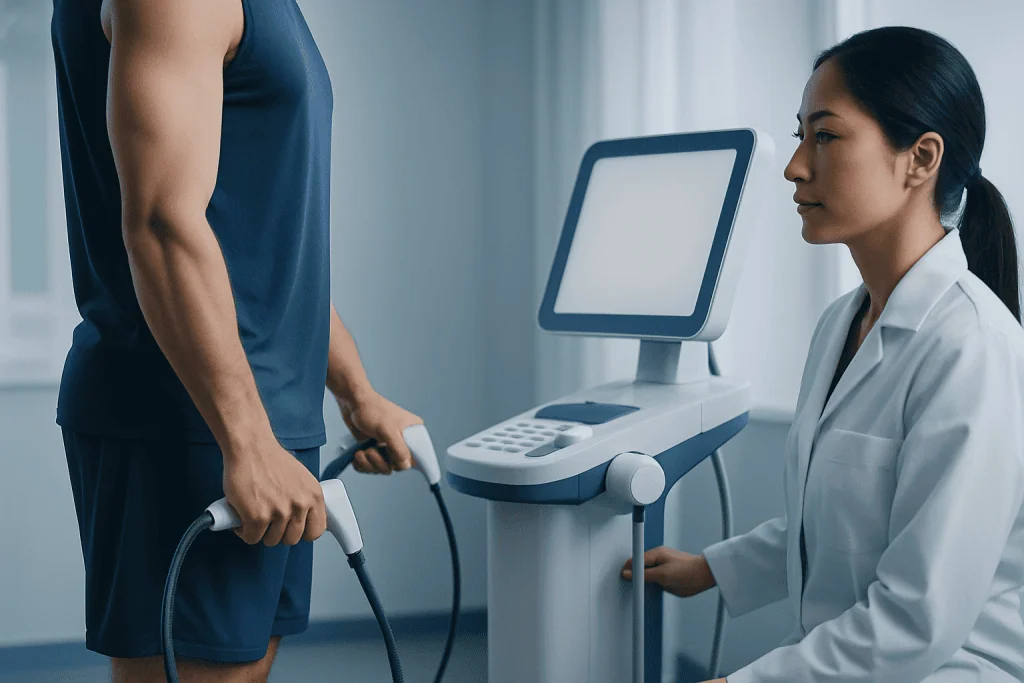
Resistance training challenges muscles through external load or tension. This can come from free weights, machines, resistance bands, or bodyweight exercises performed in a progressive way. When muscles are asked to work harder than usual, the body responds by repairing and strengthening muscle fibers. Over time, this can increase muscle mass or help preserve it during weight loss.
Preserving lean mass matters because weight loss without strength training can include unwanted muscle loss. Muscle tissue supports movement, balance, and long-term physical independence. It also contributes to metabolic health, including better blood sugar handling. For patients with insulin resistance or diabetes, resistance exercise is often part of a broader lifestyle approach.
Body recomposition is not only about muscle size. Resistance training can improve bone loading, joint support, posture, and everyday function. It may also reduce the decline in strength associated with aging or inactivity. In this sense, body recomposition is a health-focused outcome, not just an aesthetic one.
Another important point is that the scale can be misleading. A person may lose fat and gain some muscle at the same time, resulting in little change in total body weight. Waist circumference, clothing fit, strength gains, exercise capacity, and body composition measures can be more helpful markers of progress.
Who may benefit and what affects results

Many adults can benefit from resistance training for body recomposition, including beginners, older adults, and people who want to improve health after periods of sedentary living. It can also support patients who are trying to manage excess body fat while maintaining function, especially when paired with medical guidance on nutrition and activity.
Results vary from person to person. Age, sex, baseline muscle mass, genetics, hormonal status, diet quality, sleep, stress, medications, and medical conditions all influence how quickly body composition changes. A history of repeated restrictive dieting may also affect energy levels, recovery, and training capacity.
Some patients may need a more individualized approach. People with obesity, joint pain, back pain, osteoporosis, cardiovascular disease, or recovery after illness may benefit from supervised exercise planning. In these cases, a physician or rehabilitation specialist can help determine safe starting intensity and exercise selection. Structured support such as physical therapy and rehabilitation may be useful when pain or movement limitations are barriers.
Patients considering body recomposition after significant weight changes or in the setting of metabolic concerns may also discuss broader weight-management options with clinicians. For some individuals, lifestyle measures remain the main strategy; for others, evaluation in services such as obesity treatment programs may be appropriate as part of comprehensive care.
What an evidence-based training plan usually includes
A practical resistance training plan usually emphasizes major movement patterns rather than chasing constant novelty. These include pushing, pulling, squatting, hinging, carrying, and core stabilization. Exercises may be done with machines, dumbbells, barbells, cables, resistance bands, or body weight, depending on a person’s experience, equipment access, and physical limitations.
Most evidence-based programs train all major muscle groups at least two times per week. Many people do well with two to four weekly sessions, especially at the start. Each session commonly includes a small number of compound exercises, such as squats or sit-to-stand variations, rows, presses, hip hinges, and step-based leg work, plus a few accessory movements for areas needing extra attention.
Progressive overload is a central principle. This means gradually increasing challenge over time, for example by adding weight, repetitions, sets, range of motion, or control. The goal is not to train to exhaustion every session, but to apply enough stimulus for adaptation while still allowing recovery. Proper technique matters more than lifting the heaviest load possible.
Patients often ask whether cardio should be avoided. In most cases, no. Moderate aerobic activity can support heart health, endurance, and calorie balance. The key is that it should complement rather than replace resistance training when body recomposition is the goal. A balanced weekly routine may include both strength training and regular walking or other enjoyable aerobic movement.
- Beginners often start with full-body sessions two to three times weekly.
- Rest days help muscle recovery and long-term consistency.
- Warm-up, technique practice, and gradual progression reduce injury risk.
- Tracking repetitions, loads, and symptoms can make progress easier to see.
Nutrition, protein, and recovery for body recomposition
Nutrition strongly affects whether resistance training leads to body recomposition. Muscles need enough protein and overall nutrients to repair and adapt. At the same time, a person hoping to lose fat may need to avoid a prolonged calorie surplus. This is why body recomposition is often described as a balance between fueling training and avoiding extremes.
Adequate protein intake is especially important. Protein supports muscle protein synthesis and may also help with satiety. Many patients do best when protein is distributed across meals rather than eaten mostly at one time. Whole foods such as dairy, eggs, fish, poultry, legumes, soy foods, and lean meats can all contribute, though specific needs vary by age, body size, kidney health, activity level, and medical history.
Recovery is another major factor. Muscles grow and adapt between workouts, not only during them. Sleep, rest days, hydration, and stress management all influence performance and progress. Chronic sleep loss, frequent high stress, and overly aggressive training can make it harder to gain strength or maintain a healthy routine.
For patients with obesity, diabetes, digestive disorders, kidney disease, or hormonal conditions, nutrition planning should be individualized. If body recomposition efforts are complicated by metabolic or endocrine issues, medical assessment may help identify barriers such as obesity, poor glycemic control, or underlying nutritional concerns. In some cases, dietary planning through nutrition counseling can help create a sustainable plan.
How progress is assessed and common mistakes to avoid
Because body recomposition may not produce dramatic weight changes at first, progress should be assessed using several measures. Useful markers include strength improvement, exercise tolerance, waist or hip measurements, how clothes fit, and changes in daily energy or function. When available, body composition assessment methods can offer additional information, but they are not essential for everyone.
One common mistake is relying only on the scale. Another is changing the plan too often before the body has time to adapt. Body recomposition typically requires consistency over many weeks. Frequent program hopping, extreme calorie restriction, or adding large amounts of cardio too quickly can reduce recovery and make muscle retention harder.
Poor technique and unrealistic training loads also increase risk. A plan should match the person’s current capacity, especially after inactivity, pregnancy, surgery, or injury. Those with chronic pain, balance issues, or mobility limitations may need exercise modifications and clinical guidance rather than generic online routines.
Supplement use is another area where caution is sensible. Not all products are necessary, and some may interact with medications or underlying conditions. Patients should discuss supplements with a qualified healthcare professional, particularly if they have liver, kidney, hormonal, or cardiovascular concerns.
When to seek medical care
Most healthy adults can begin basic resistance training gradually, but some situations call for medical advice before or during exercise. A patient should seek medical care if they have chest pain, unexplained shortness of breath, fainting, severe dizziness, or palpitations during activity. New joint swelling, significant back pain, or pain that persists despite rest also deserves assessment.
Medical review is also important for people with known heart disease, uncontrolled high blood pressure, diabetes with complications, recent surgery, osteoporosis, pregnancy-related concerns, or a history of serious injury. These patients may still benefit greatly from resistance training, but the program may need adjustment for safety.
Changes in body composition can sometimes be affected by medical problems rather than training quality alone. If a person has severe fatigue, rapid unexplained weight changes, heat or cold intolerance, menstrual changes, or symptoms suggesting a hormonal issue, clinicians may evaluate conditions such as thyroid disease. Exercise plans may also need modification if pain, weakness, or numbness suggests a musculoskeletal or nerve-related problem.
Near the end of the care pathway, some patients benefit from multidisciplinary support. Acibadem International’s specialists and JCI-accredited hospitals evaluate exercise tolerance, metabolic health, musculoskeletal concerns, and personalized treatment needs for international patients when body recomposition goals are affected by broader medical conditions.
Frequently asked questions
Can resistance training really help with body recomposition?
Yes. Resistance training is one of the most effective exercise approaches for building or preserving muscle while supporting fat loss. Results are usually best when training is combined with adequate protein, sufficient sleep, and a sustainable eating pattern.
How often should a person do resistance training for body recomposition?
Many adults do well with two to four sessions per week that train all major muscle groups. The best schedule depends on experience, recovery, age, and medical conditions. Consistency matters more than an overly ambitious routine that is hard to maintain.
Is cardio bad for body recomposition?
No. Cardio can support heart health, stamina, and overall calorie balance. It usually works best as a complement to resistance training rather than replacing it when the main goal is to improve body composition.
Why is the scale not changing even though strength is improving?
Body recomposition can involve losing fat while gaining some muscle, which may keep total body weight stable for a time. This is why measurements, clothing fit, and performance changes are often more informative than scale weight alone.
Do beginners have a good chance of seeing body recomposition?
Often, yes. Beginners commonly respond well to resistance training because the body is adapting to a new stimulus. Early improvements may include better strength, posture, energy, and modest changes in body shape, even if weight loss is gradual.
Should a person eat less to speed up body recomposition?
Very aggressive calorie restriction can make recovery harder and may increase the risk of muscle loss. In many cases, a moderate and sustainable nutrition plan is more helpful than severe dieting. Individual advice is important for people with diabetes, kidney disease, digestive disorders, or other health conditions.
References
- World Health Organization
- American College of Sports Medicine
- Centers for Disease Control and Prevention
- National Institute of Diabetes and Digestive and Kidney Diseases
- National Institutes of Health
This article is for general information only and is not a substitute for professional medical advice. Please consult a qualified doctor about your individual situation.
Medical weight-loss options in Turkey — costs & eligibility
JCI-accredited · board-certified surgeons · reply within 24h
Check your numbers in seconds
BMI, calories, due date, blood pressure and 30+ more clinical calculators — free, instant, doctor-reviewed ranges.