

Thrombophilia: A Complete Medical Overview

Thrombophilia means an increased tendency to develop abnormal blood clots. It can be inherited, acquired later in life, or influenced by temporary triggers such as surgery, pregnancy, or immobility.
Key Takeaways
- Thrombophilia means an increased tendency to develop abnormal blood clots.
- It can be inherited, acquired later in life, or influenced by temporary triggers such as surgery, pregnancy, or immobility.
- Many people have no symptoms until a clot forms, most often in the leg or lungs.
- Diagnosis may involve blood tests, imaging, and a careful review of personal and family history.
- Treatment focuses on preventing or treating clots and reducing future risk through individualized care.
Thrombophilia is a condition that makes the blood more likely to clot than usual. It may be inherited or acquired, and while not everyone with thrombophilia develops a clot, recognizing risk factors, symptoms, and treatment options can help prevent complications.
What thrombophilia means
Thrombophilia is a medical term for a higher-than-usual tendency for the blood to form clots. Blood clotting is a normal and essential process that helps stop bleeding after an injury. In thrombophilia, however, the clotting system can become overly active, making clots more likely to form in places where they are not needed.
This tendency may be present from birth because of inherited genetic changes, or it may develop later due to medical conditions, hormones, autoimmune disease, or other factors. Having thrombophilia does not automatically mean a person will develop a dangerous clot, but it can increase the chance of problems such as deep vein thrombosis or a clot that travels to the lungs.
Thrombophilia is best understood as a risk state rather than a disease that always causes symptoms by itself. Some people only discover it after an episode of unexplained clotting, recurrent pregnancy loss, or because a close family member has had thrombosis at a young age. Care is usually tailored to the person’s history, overall health, and current level of risk.
How blood clots can present
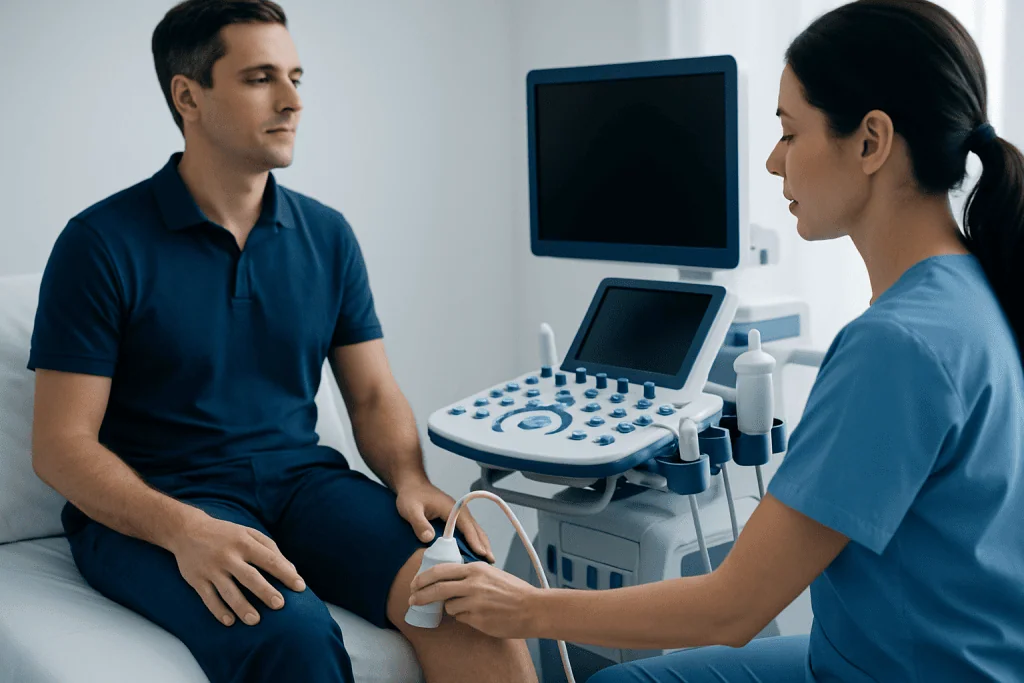
Thrombophilia itself often causes no warning signs until a clot develops. Symptoms depend on where the clot forms. A clot in a deep vein, often in the calf or thigh, may cause swelling in one leg, pain or tenderness, warmth, and skin redness or discoloration. These symptoms can range from mild to more noticeable.
If part of a clot breaks off and travels to the lungs, it can cause a pulmonary embolism. This may lead to sudden shortness of breath, chest pain that may worsen with breathing, coughing, a rapid heartbeat, or feeling lightheaded. Because these symptoms can also occur with other conditions, prompt medical evaluation is important.
Less commonly, abnormal clotting can affect veins or arteries in other parts of the body, including the abdomen or brain. In pregnancy, thrombophilia may be investigated in selected cases of recurrent miscarriage, certain placental complications, or clots during pregnancy or after delivery. Not every pregnancy problem is caused by thrombophilia, so medical assessment is needed before drawing conclusions.
- Leg swelling or pain on one side
- Unexplained shortness of breath or chest discomfort
- Clotting at a young age or in an unusual location
- Repeated clotting episodes
- Strong family history of venous thrombosis
Inherited and acquired causes

Thrombophilia can be divided into inherited and acquired types. Inherited thrombophilia is caused by genetic changes that affect the balance between clotting and anti-clotting factors in the blood. Examples include factor V Leiden, the prothrombin gene mutation, and deficiencies of natural anticoagulants such as antithrombin, protein C, or protein S. These conditions vary in how strongly they increase clot risk.
Acquired thrombophilia develops because of another medical issue or exposure. One important example is antiphospholipid syndrome, an autoimmune condition associated with blood clots and certain pregnancy complications. Other acquired influences include cancer, some kidney diseases, inflammatory illness, and the use of estrogen-containing medications such as some birth control pills or hormone therapy.
Often, a clot happens because thrombophilia interacts with a temporary trigger. Common triggers include major surgery, trauma, prolonged bed rest, long-distance travel with limited movement, pregnancy, the postpartum period, dehydration, or smoking. This is why the same thrombophilia may affect people differently: genes and life circumstances both contribute to risk.
Who may need evaluation
Testing for thrombophilia is not necessary for everyone who has had a blood clot. In many cases, results would not change treatment decisions. Doctors usually consider testing when clotting occurs at a young age, happens repeatedly, develops in an unusual site, or there is a strong family history. Evaluation may also be considered in selected pregnancy-related situations or when antiphospholipid syndrome is suspected.
A careful clinical history is often as important as laboratory testing. Doctors ask about prior clots, miscarriages, medications, smoking, chronic illnesses, recent surgery, travel, and relatives with thrombosis. This helps determine whether the person is more likely to have inherited risk, acquired risk, or a temporary triggering factor.
Timing matters. Some thrombophilia blood tests can be affected by pregnancy, an active blood clot, acute illness, or the use of blood-thinning medication. For this reason, a doctor may postpone certain tests until the person is stable and the results are more reliable. Thoughtful testing helps avoid confusion and supports better long-term planning.
How thrombophilia is diagnosed
Diagnosis usually begins with confirming whether a blood clot is present. Imaging tests are often used for this purpose, such as ultrasound for a suspected clot in the leg or chest imaging for a suspected clot in the lungs. If symptoms suggest a clot, urgent assessment takes priority over thrombophilia screening.
When thrombophilia testing is appropriate, blood tests may look for inherited mutations or reduced levels of natural anticoagulant proteins. Other tests can detect antiphospholipid antibodies, which are associated with acquired thrombophilia. Doctors interpret these results in the context of the person’s age, symptoms, medications, and family history.
Genetic and blood test results are not always straightforward. Some findings indicate only a mild increase in risk, and some people with a positive test never develop a clot. Conversely, a person may have a serious clot without any identifiable thrombophilia. This is why diagnosis is centered on the whole clinical picture rather than on a single laboratory result.
Treatment and long-term management
Treatment depends on whether a clot is currently present, how severe it is, and what factors may have contributed to it. If a person develops a deep vein thrombosis or pulmonary embolism, treatment commonly includes anticoagulant medication, often called blood thinners, to prevent the clot from growing and to reduce the chance of new clots forming. In some situations, treatment may be short term; in others, longer-term prevention is considered.
Not everyone with thrombophilia needs daily medication for life. A person with an inherited tendency but no history of clotting may only need preventive treatment during higher-risk periods, such as after surgery, during hospitalization, or after delivery. When intervention is needed, doctors may also use approaches related to blood clot treatment or more specific care for deep vein thrombosis treatment depending on the location and severity of clotting.
Management also includes reducing reversible risk factors. This may involve avoiding smoking, discussing contraceptive choices, staying mobile during travel, maintaining hydration, and planning preventive care before surgery or during pregnancy. In selected cases, specialist input from hematology, vascular medicine, obstetrics, or other fields may be helpful. At Acibadem International, multidisciplinary specialists in JCI-accredited hospitals evaluate and treat thrombophilia and related clotting conditions for international patients.
Prevention, self-care, and when to seek medical care
Prevention focuses on lowering clot risk in daily life and during high-risk situations. People who know they have thrombophilia should inform their healthcare team before operations, long flights, pregnancy planning, or starting hormone-based medications. General measures such as regular movement, maintaining a healthy weight, not smoking, and following prescribed treatment can support safer circulation.
Self-care does not replace medical treatment, but it can play an important role. During long travel, it may help to stand up and walk periodically, stretch the legs, and drink enough fluids. People taking blood thinners should use them exactly as prescribed and ask their doctor before starting new medications or supplements, because some can increase bleeding risk or affect treatment.
Medical care should be sought promptly for signs of a possible blood clot, including one-sided leg swelling or pain, sudden shortness of breath, chest pain, coughing up blood, or fainting. A non-urgent appointment is appropriate for questions about family history, recurrent pregnancy loss, previous unexplained clots, or whether thrombophilia testing is needed. If symptoms suggest a lung clot or a severe clotting event, emergency care is important.
Frequently asked questions
Is thrombophilia the same as having a blood clot?
No. Thrombophilia means a higher tendency for blood to clot, but it does not mean a clot is always present. Many people with thrombophilia never develop a serious clot, while others are diagnosed only after a clotting event.
Can thrombophilia be inherited?
Yes. Some forms are inherited through genetic changes that affect the body’s clotting system. These inherited types can run in families, although the degree of risk varies from one condition to another.
Should everyone with a family history of clots be tested?
Not always. Testing is usually most helpful when the result is likely to change medical decisions, such as pregnancy planning, surgery preparation, or evaluating unusual or early clotting. A doctor can advise whether testing is appropriate based on personal and family history.
Can thrombophilia affect pregnancy?
It can in some cases, but not all pregnancy complications are caused by thrombophilia. Doctors may consider evaluation in selected situations, such as pregnancy-associated clotting or certain histories of recurrent pregnancy loss. Care during pregnancy should always be individualized.
Does thrombophilia always require lifelong blood thinners?
No. Some people need anticoagulants only for a limited time after a clot or during high-risk periods such as surgery or the postpartum period. Long-term treatment depends on the type of thrombophilia, clot history, and overall risk of future clotting versus bleeding.
What lifestyle steps may help reduce clot risk?
Helpful steps may include not smoking, staying active, avoiding long periods of immobility, drinking enough fluids, and discussing hormone medications with a doctor. People with known thrombophilia should also tell healthcare professionals before surgery, long travel, or pregnancy.
References
- World Health Organization
- Centers for Disease Control and Prevention
- National Heart, Lung, and Blood Institute
- American Society of Hematology
- MedlinePlus
This article is for general information only and is not a substitute for professional medical advice. Please consult a qualified doctor about your individual situation.
Explore treatments in Turkey — costs, top hospitals & a free quote
JCI-accredited · board-certified surgeons · reply within 24h

More from the Health Library



Related Specialists

Prof. Dr. Nur Aydinli
Pediatric Neurology
Dr. Göknur Demiran
Dermatology
Prof. Dr. Erhan Serin
Orthopedic Surgery & Traumatology
Prof. Dr. Mehmet Aytaç Yüksel
Gynecology & Obstetrics