Broad Shoulders: What Patients Need to Know

Broad shoulders are commonly a natural body feature rather than a medical problem. Genetics, skeletal build, muscle development, posture, and hormones can all affect shoulder width and appearance.
Key Takeaways
- Broad shoulders are commonly a natural body feature rather than a medical problem.
- Genetics, skeletal build, muscle development, posture, and hormones can all affect shoulder width and appearance.
- A sudden change in shoulder shape, pain, weakness, or asymmetry should be assessed by a doctor.
- Exercise, posture training, and weight management may change shoulder appearance, but bone structure itself does not change in adults.
- Care depends on the cause and may range from reassurance and physical therapy to treatment for an underlying hormone or musculoskeletal condition.
Broad shoulders are often a normal variation in body shape influenced by bone structure, muscle mass, posture, and genetics. In some people, shoulder width may also relate to hormonal factors, weight distribution, or rarely a medical condition that benefits from evaluation.
Overview: what broad shoulders usually mean
Broad shoulders usually describe a shoulder width or upper-body shape that appears wider than the hips, waist, or the rest of the frame. In most people, this is simply a normal body characteristic. Shoulder breadth is influenced by genetics, the size and shape of the collarbones and shoulder blades, muscle mass around the upper back and arms, and overall posture.
People often ask whether broad shoulders indicate a health problem. Most of the time, they do not. A wider shoulder line may be seen in men and women of all ages and body types, including athletes, people with naturally larger bone structure, and those with certain inherited body proportions. Appearance alone does not diagnose disease.
At the same time, shoulder shape can sometimes reflect more than anatomy. Hormonal patterns, weight changes, spinal alignment, or conditions affecting the bones, muscles, or endocrine system may contribute to how the shoulders look. The key question is not simply whether the shoulders are broad, but whether the appearance is long-standing and stable or new and accompanied by other symptoms.
How shoulder width is determined
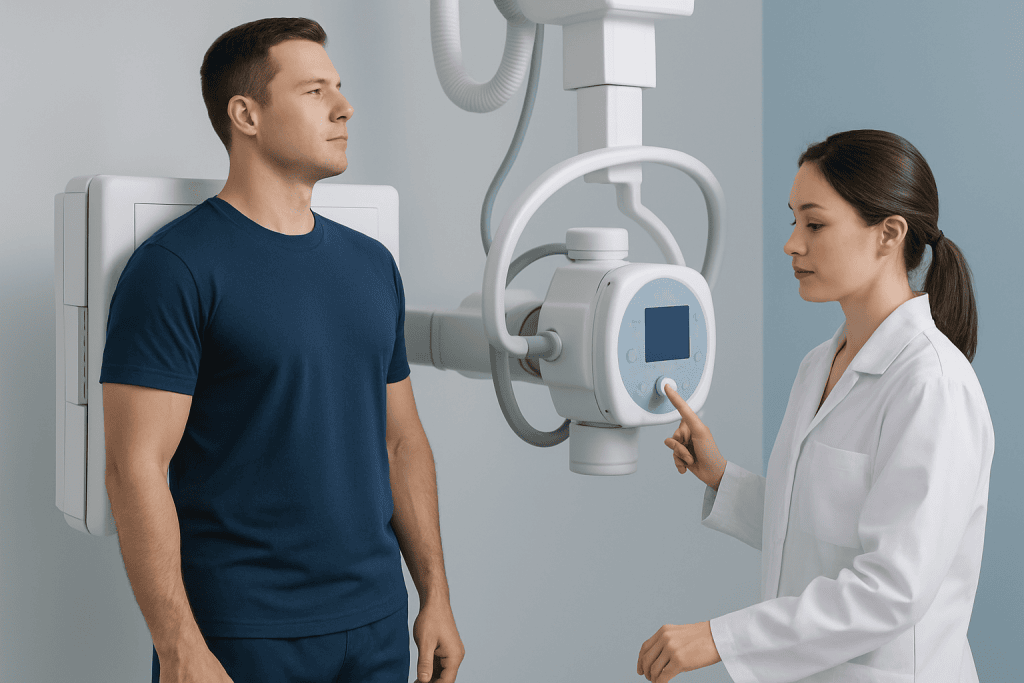
Shoulder width is not controlled by one factor. The bony framework plays a major role, especially the length and angle of the clavicles, the position of the shoulder blades, and the width of the upper rib cage. These features are largely set by genetics and development.
Muscle size also affects appearance. Well-developed deltoid, trapezius, and upper back muscles can make the shoulders look wider. This is common in swimmers, rowers, gym-goers, and people whose jobs involve repetitive lifting or upper-body effort. Even without heavy exercise, natural differences in muscle distribution can create a broader silhouette.
Posture can make a noticeable difference. Rounded upper back posture, elevated shoulders, or certain patterns of shoulder blade positioning may exaggerate width or create an uneven appearance. In some people, physical therapy and posture work help the shoulders look more balanced by improving alignment rather than changing bone structure.
Body composition matters too. Weight gain in the upper trunk, chest, or back can change the outline of the shoulders, while weight loss may make the bony frame more visible. This is why the same person may feel their shoulders look different over time even if their skeletal width has not changed.
Common causes and contributing factors

The most common reason for broad shoulders is normal genetic variation. Families often share body-build traits such as a wider chest, prominent collarbones, or a naturally athletic frame. These patterns can be present from adolescence onward and are not inherently unhealthy.
Physical training is another frequent cause. Strength training, overhead sports, and activities that build the shoulders and upper back can increase muscle bulk and definition. In these cases, broad shoulders are a result of adaptation to activity rather than illness.
Hormonal influences can also shape body proportions. Testosterone tends to support greater upper-body muscle development, while estrogen influences fat distribution in different ways. Endocrine conditions that affect growth or sex hormones may alter body composition or frame over time, although this is much less common than natural variation. If broad shoulders are part of broader physical changes, a doctor may consider an evaluation for polycystic ovary syndrome, thyroid disorders, or other hormonal concerns.
Less commonly, musculoskeletal conditions can contribute. Spinal curvature, shoulder asymmetry, chronic muscle tension, or prior injury may change how the shoulders appear. Some people with back or shoulder symptoms may benefit from assessment in physical therapy and rehabilitation to improve comfort and function.
When broad shoulders may suggest a medical issue
Broad shoulders alone are usually not a sign of disease. However, evaluation is more important when the appearance is new, rapidly changing, or clearly uneven from one side to the other. A sudden change may point to muscle imbalance, joint problems, swelling, or a condition affecting posture or the spine.
Associated symptoms matter more than width itself. Pain, weakness, numbness, restricted movement, visible swelling, neck discomfort, headaches linked to muscle tension, or one shoulder sitting much higher than the other may indicate a musculoskeletal problem. In these situations, a clinician may evaluate the shoulder joint, the neck, and the upper back together.
Doctors also consider general health signs. Unexplained weight change, menstrual irregularities, excess hair growth, fatigue, changes in shoe or ring size, or signs of hormone imbalance may guide testing beyond the shoulder area. In children and teenagers, marked asymmetry or concerns about spinal alignment may prompt evaluation for scoliosis or other growth-related conditions.
Diagnosis: what a doctor may check
Assessment begins with a history and physical examination. The doctor will usually ask when the shoulder shape was first noticed, whether it has changed recently, and whether there are symptoms such as pain, stiffness, weakness, injury, or difficulty with daily activities. They may also ask about exercise habits, work activities, and family body-build patterns.
During the exam, posture, range of motion, muscle symmetry, shoulder blade position, and spine alignment are often assessed. The doctor may compare both sides, examine the neck and upper back, and look for signs that suggest joint, tendon, nerve, or endocrine involvement.
Tests are not always needed. If the shoulders are broad but the person is healthy and has no concerning symptoms, reassurance may be enough. If there is pain, asymmetry, injury, or suspected structural change, imaging such as X-ray or MRI may be used. If hormonal symptoms are present, blood tests may be recommended. Some people may also be referred for orthopedic evaluation or an endocrine assessment depending on the findings.
Can broad shoulders be changed?
In adults, the bony width of the shoulders does not meaningfully shrink because the skeleton is already developed. What can change is the way the shoulders look. Muscle size, posture, body fat distribution, clothing fit, and upper-back alignment all influence appearance.
For people who want a different silhouette, a balanced exercise program may help. Reducing heavy shoulder-focused strength training, improving posture, strengthening the core and lower body, and maintaining a healthy weight can change proportions gradually. These approaches affect contour rather than bone structure, so expectations should remain realistic.
If broad shoulders relate to pain or limited movement, treatment focuses on the underlying cause instead of appearance alone. This may include guided exercise, ergonomic changes, or care for neck and shoulder conditions. In selected cases involving significant discomfort or injury, a specialist may assess whether shoulder surgery is relevant, although surgery is not used simply to narrow normal shoulders.
When hormonal imbalance is contributing to body-shape changes, treatment of the underlying condition may improve associated symptoms and sometimes body composition over time. This is especially important when changes occur alongside menstrual disruption, acne, excess body hair, or metabolic concerns.
Self-care and prevention for shoulder comfort and balance
Even when broad shoulders are a normal trait, good shoulder health still matters. Regular stretching, upper-back mobility work, and attention to desk posture can reduce strain in the neck and shoulders. People who lift weights or play overhead sports may benefit from balanced training that includes rotator cuff, chest, back, and core exercises.
It is also helpful to avoid repetitive overuse without recovery. Poor technique during exercise, heavy bags carried on one side, or long periods of slouched sitting can contribute to tension and uneven shoulder positioning. Small changes in work setup and movement habits often improve comfort.
General health habits support musculoskeletal and hormonal well-being. These include regular physical activity, adequate sleep, stress management, and a nutritious eating pattern. If someone is concerned that shoulder changes relate to weight or metabolism, a clinician or dietitian can give individualized guidance.
For international patients who need further evaluation, Acibadem International’s multidisciplinary specialists in JCI-accredited hospitals assess musculoskeletal, endocrine, and posture-related concerns in a coordinated way.
When to seek medical care
Medical care is appropriate if broad shoulders are accompanied by pain, limited movement, weakness, numbness, visible swelling, or a recent injury. A doctor should also assess a shoulder line that has become suddenly wider, clearly asymmetric, or progressively changed without an obvious reason.
It is sensible to seek care if broad shoulders are part of other body changes such as irregular periods, acne, unwanted hair growth, rapid muscle gain without training, unexplained weight change, or signs of spine curvature. Children and teenagers with uneven shoulders or posture concerns should be evaluated, especially if school screening or a parent notices a change.
Most causes are not urgent, but prompt assessment can help clarify whether the issue is simply normal anatomy or a treatable shoulder, spine, or hormonal condition. A qualified doctor can explain the findings and recommend whether observation, exercises, imaging, or specialist care is needed.
Frequently asked questions
Are broad shoulders normal?
Yes. Broad shoulders are often a normal variation in body shape and are commonly influenced by genetics, bone structure, muscle mass, and posture. On their own, they usually do not indicate a health problem.
Can broad shoulders be caused by hormones?
Hormones can affect muscle development and fat distribution, which may influence how broad the shoulders appear. However, natural anatomy and genetics are much more common explanations than an endocrine disorder. A doctor may consider hormone testing if shoulder changes occur with other symptoms.
Can exercise make shoulders look broader?
Yes. Activities that build the deltoids, trapezius, and upper back can increase muscle size and make the shoulders appear wider. This is especially common with strength training, swimming, rowing, and overhead sports.
Is it possible to reduce broad shoulders?
Bone width does not decrease in adulthood, but shoulder appearance can change with posture work, changes in muscle mass, and overall body composition. If the concern is cosmetic rather than medical, realistic expectations are important. If there is pain or asymmetry, treatment should focus on the underlying cause.
Why do my shoulders look broad even if I am not muscular?
A person can have broad shoulders because of their natural skeletal frame, including clavicle length and upper-chest width. Posture and the distribution of body fat can also affect appearance. This is often simply a normal inherited body pattern.
When should broad shoulders be checked by a doctor?
A medical assessment is a good idea if shoulder shape changes suddenly, becomes uneven, or is associated with pain, weakness, numbness, or limited movement. Evaluation is also helpful when broad shoulders occur with signs of hormonal imbalance or spinal curvature.
References
- World Health Organization
- American Academy of Orthopaedic Surgeons
- National Institute of Arthritis and Musculoskeletal and Skin Diseases
- Endocrine Society
- American Physical Therapy Association
This article is for general information only and is not a substitute for professional medical advice. Please consult a qualified doctor about your individual situation.
Joint and spine care in Turkey — expert assessment & treatment
JCI-accredited · board-certified surgeons · reply within 24h

More from the Health Library



Related Specialists
Dr. G. Pınar Özeren
Gynecology & Obstetrics
Dr. Özgür Özer
Gynecology & Obstetrics
Dr. Abdurrahman Gölbaşı
Radiology
Prof. Dr. Mehmet Veli Karaaltın
Aesthetic Plastic & Reconstructive Surgery