Cancer Cure: Symptoms, Causes, and Treatment Options

A cancer cure is possible for some cancers, but it is not the same as remission. Cancer symptoms vary widely depending on the organ involved and the stage of disease.
Key Takeaways
- A cancer cure is possible for some cancers, but it is not the same as remission.
- Cancer symptoms vary widely depending on the organ involved and the stage of disease.
- Diagnosis usually combines a medical history, examination, imaging, lab tests, and biopsy.
- Treatment may include surgery, chemotherapy, radiation therapy, immunotherapy, targeted therapy, or a combination.
- Early evaluation of persistent symptoms can improve treatment options and outcomes.
A cancer cure means cancer has been successfully treated and does not come back, but whether cure is possible depends on the cancer type, stage, and response to treatment. Many cancers can be cured, especially when found early, while others can often be controlled for long periods with modern care.
Overview: what “cancer cure” really means
A cancer cure means that treatment has removed or destroyed the cancer and it does not return. In everyday use, people often ask whether there is a single “cancer cure,” but medicine approaches cancer as many different diseases rather than one condition. Because of that, the chance of cure depends on the type of cancer, where it started, how far it has spread, and how it responds to treatment.
Some cancers are cured with local treatment such as surgery or radiation when they are found early. Others may need several therapies used together, such as surgery followed by chemotherapy, or radiation combined with drug treatment. In some advanced cancers, the main goal may be long-term control, symptom relief, and preserving quality of life rather than cure.
It is also important to distinguish cure from remission. Remission means signs of cancer have decreased or disappeared after treatment. A complete remission may look very much like a cure, but doctors usually use the word cautiously because some cancers can return months or years later. Ongoing follow-up helps monitor for recurrence and manage long-term health needs.
Symptoms that may suggest cancer
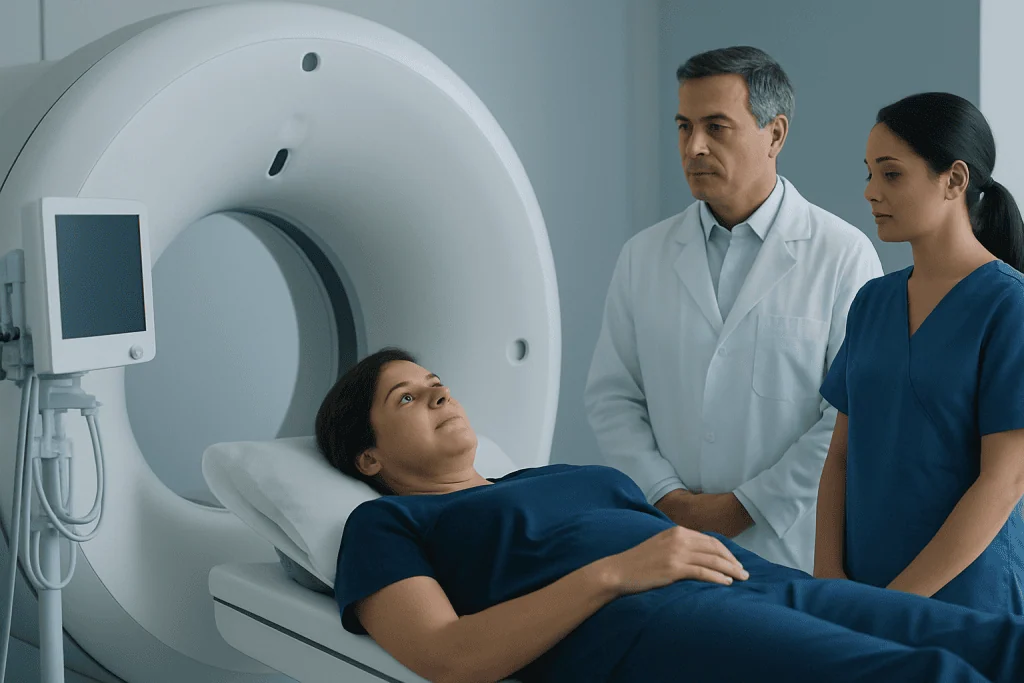
Cancer symptoms are not the same for everyone. They depend on the organ involved, the size of the tumor, whether nearby tissues are affected, and whether the disease has spread. Some cancers cause symptoms early, while others are found during routine screening before a person notices any change.
General warning signs can include unexplained weight loss, unusual fatigue, persistent pain, a lump or swelling, ongoing fever, night sweats, or loss of appetite. These symptoms are not specific to cancer and may have many other causes, but they should be assessed if they are persistent, worsening, or unexplained.
Other symptoms are linked to the location of the cancer. Examples include a persistent cough or coughing up blood, changes in bowel habits, blood in the stool or urine, difficulty swallowing, hoarseness, changes in a mole, abnormal bleeding, or new headaches with neurological symptoms. For related information, patients may also read about cancer in broader terms.
- A new lump in the breast, neck, testicle, or elsewhere
- A sore that does not heal
- Persistent indigestion or trouble swallowing
- Changes in skin color, shape, or texture
- Ongoing bleeding, bruising, or frequent infections
Causes and risk factors
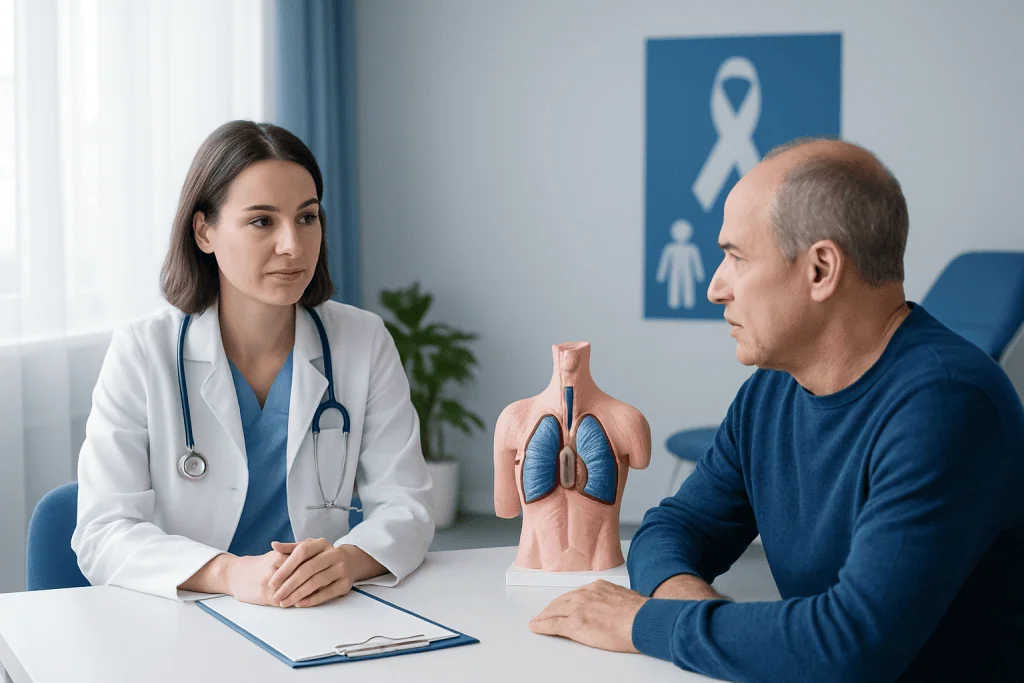
Cancer begins when cells grow out of control because of changes in their genetic material. These changes may happen over time due to aging, inherited factors, environmental exposures, chronic inflammation, infections, or a combination of influences. In many people, there is no single clear cause.
Known risk factors include tobacco use, heavy alcohol use, obesity, lack of physical activity, excessive sun exposure, air pollution, certain workplace chemicals, and infections such as human papillomavirus or hepatitis B and C. Family history can also increase risk, especially in cancers linked to inherited gene changes.
Having a risk factor does not mean a person will definitely develop cancer, and some people with cancer have no obvious risk factors. Screening and prevention focus on reducing avoidable risks and finding disease at an earlier, more treatable stage. This is one reason why doctors emphasize age-appropriate cancer screening even when a person feels well.
Risk also changes with time. The chance of many cancers increases with age because cells have had more time to accumulate genetic damage. However, cancers can occur at any age, so persistent symptoms or a strong family history should not be ignored.
How doctors diagnose cancer and assess the chance of cure
When cancer is suspected, diagnosis starts with a medical history and physical examination. Doctors ask about symptoms, how long they have been present, smoking history, family history, medications, previous illnesses, and possible environmental exposures. The next steps are chosen according to the symptoms and the body area involved.
Tests may include blood work, urine tests, ultrasound, X-ray, mammography, CT, MRI, PET imaging, or endoscopy. Imaging can show where an abnormality is located and whether there are signs of spread, but imaging alone usually cannot confirm cancer. In most cases, a biopsy is needed to examine tissue under a microscope and identify the exact cancer type.
After diagnosis, staging determines how advanced the cancer is. Stage strongly influences prognosis and whether cure is likely. Some early-stage cancers can be cured with a single treatment, while more advanced cancers often require combined therapy. Molecular testing may also be performed to look for specific gene changes that can guide cancer treatment decisions.
Doctors then discuss treatment goals in clear terms: cure when possible, disease control when cure is less likely, and symptom relief at every stage. This individualized approach helps patients understand why the recommended plan may differ from another person’s cancer journey.
Treatment options and when cure may be possible
Cancer treatment is personalized. Common options include surgery, radiation therapy, chemotherapy, targeted therapy, immunotherapy, hormone therapy, stem cell transplantation for selected blood cancers, and supportive or palliative care. Many patients receive a combination of treatments because different therapies work in different ways.
Surgery may cure cancers that are localized and can be fully removed. Radiation therapy can destroy cancer cells in a specific area and may be used alone or after surgery to lower the risk of recurrence. Drug treatments such as chemotherapy, targeted therapy, and immunotherapy may be used before surgery, after surgery, or as the main treatment when cancer has spread.
Whether a cancer cure is realistic depends on the cancer biology and timing of diagnosis. Some childhood cancers, testicular cancer, thyroid cancer, many skin cancers, and certain breast, prostate, colorectal, and cervical cancers may be curable, especially when detected early. Other cancers may not be fully curable once advanced, but treatment can still shrink tumors, slow progression, and help people live longer with better symptom control.
Response to treatment is monitored through examinations, blood tests, scans, and sometimes repeat biopsy. If one treatment is not effective or causes difficult side effects, the plan may be adjusted. For some patients, immunotherapy or radiation therapy becomes an important part of care based on the cancer type and stage.
Living with cancer: follow-up, remission, and self-care
Even after successful treatment, follow-up remains an essential part of care. Regular visits may include symptom review, physical examination, imaging, and selected blood tests. Follow-up helps doctors detect recurrence early, manage side effects, and support recovery after treatment.
Self-care can improve overall health during and after treatment, although it does not replace medical care. Helpful steps include not smoking, eating a balanced diet, staying physically active as tolerated, limiting alcohol, sleeping well, and discussing emotional concerns with a healthcare professional. Vaccination, infection prevention, and rehabilitation may also be important for some patients.
Many people worry about every new symptom after treatment. This is understandable, but not every ache or change means cancer has returned. Keeping scheduled follow-up appointments and reporting persistent or concerning symptoms gives the care team the best chance to assess problems promptly and reassure the patient when appropriate.
Near the end of the care journey, some patients may benefit from multidisciplinary review, especially when treatment decisions are complex. Acibadem International’s multidisciplinary specialists in JCI-accredited hospitals diagnose and treat cancer for international patients, with plans tailored to the cancer type and the individual’s needs.
Prevention and reducing cancer risk
Not all cancers can be prevented, but risk can often be reduced. Avoiding tobacco is one of the most effective steps. Maintaining a healthy weight, regular exercise, a diet rich in vegetables, fruits, and whole foods, limiting alcohol, and protecting the skin from excessive sun exposure are also important.
Vaccination can lower the risk of some cancers linked to infection, including HPV-related and hepatitis B-related cancers. Screening tests can detect precancerous changes or early cancer before symptoms appear. Depending on age, sex, and personal risk factors, this may include breast, cervical, colorectal, prostate, lung, or skin screening.
People with a strong family history of cancer may benefit from genetic counseling. This can help clarify inherited risk and guide earlier or more frequent screening. Prevention is most effective when combined with awareness of persistent symptoms and timely medical advice.
When to seek medical care
A person should seek medical care if they notice symptoms that are unusual for them, last more than a few weeks, or steadily worsen. Examples include a new lump, unexplained weight loss, persistent fatigue, unexplained bleeding, a lasting cough, change in bowel habits, or difficulty swallowing. Most symptoms are not caused by cancer, but it is safest to have them checked.
Urgent medical attention is needed for severe shortness of breath, coughing up significant blood, sudden weakness, confusion, seizures, uncontrolled pain, or heavy bleeding. People already diagnosed with cancer should also contact their care team promptly for fever, dehydration, severe vomiting, or sudden new neurological symptoms, especially during treatment.
Early evaluation can make a meaningful difference. The sooner a concerning symptom is assessed, the sooner the cause can be identified and, if needed, treated at a stage when more options may be available.
Frequently asked questions
Is there a single cancer cure for all cancers?
No. Cancer is not one disease, so there is no single cure that works for every cancer type. Treatment and the possibility of cure depend on where the cancer started, its stage, and how it responds to therapy.
What is the difference between cure and remission?
A cure means the cancer has been eliminated and does not return. Remission means signs and symptoms of cancer have decreased or disappeared, but doctors may continue monitoring because some cancers can come back later.
Can advanced cancer ever be cured?
Some advanced cancers can still be cured, but this is less common than with early-stage disease. Even when cure is not possible, treatment may still control the cancer for a long time and improve quality of life.
Which cancers are most likely to be cured?
Cancers found early are generally more likely to be cured than those found after they have spread. The outlook also depends on the specific cancer type, its biology, and the treatments available for that cancer.
Does successful treatment mean cancer will never return?
Not always. Some people remain cancer-free for life, while others may experience recurrence months or years later. This is why follow-up visits and monitoring remain important after treatment ends.
Can lifestyle changes cure cancer?
Lifestyle changes alone do not cure cancer. However, healthy habits such as avoiding tobacco, staying active, eating well, and limiting alcohol can support overall health, improve recovery, and reduce the risk of some cancers.
References
- World Health Organization
- National Cancer Institute
- American Cancer Society
- National Comprehensive Cancer Network
- Centers for Disease Control and Prevention
This article is for general information only and is not a substitute for professional medical advice. Please consult a qualified doctor about your individual situation.
Oncology care in Turkey — second opinion and treatment plan
JCI-accredited · board-certified surgeons · reply within 24h