Zygomaticus — Explained by Medical Evidence, Not Myths

The zygomaticus muscles are key muscles of facial expression, especially smiling. There are two main muscles: zygomaticus major and zygomaticus minor.
Key Takeaways
- The zygomaticus muscles are key muscles of facial expression, especially smiling.
- There are two main muscles: zygomaticus major and zygomaticus minor.
- Problems affecting the zygomaticus may relate to facial nerve disorders, injury, surgery, or muscle imbalance.
- Assessment focuses on facial movement, symmetry, nerve function, and the underlying cause.
- Treatment depends on the reason for symptoms and may include observation, therapy, medication, or surgery.
The zygomaticus refers to facial muscles that help raise the upper lip and corners of the mouth, making smiling and many expressions possible. In medical practice, these muscles matter not only for appearance but also for speech, eating, facial symmetry, and the assessment of nerve and muscle health.
Overview: what the zygomaticus is
The zygomaticus is not a disease. It is the name used for a small group of facial muscles that connect the cheekbone area to the upper lip and corner of the mouth. These muscles are most closely associated with smiling, but they also contribute to normal facial expression, speech articulation, and coordinated mouth movement.
There are two main parts: the zygomaticus major and the zygomaticus minor. The zygomaticus major mainly pulls the corner of the mouth upward and outward, which creates the familiar shape of a smile. The zygomaticus minor helps lift the upper lip and supports expressions such as mild smiling, interest, or emotional responsiveness.
From a medical perspective, the zygomaticus matters because changes in its movement can be a sign of a broader issue. Doctors may examine these muscles when a person has facial weakness, asymmetry, pain, or difficulty making expressions. This is why the zygomaticus is relevant in neurology, ear-nose-throat care, rehabilitation, and reconstructive medicine.
Anatomy and how the zygomaticus works
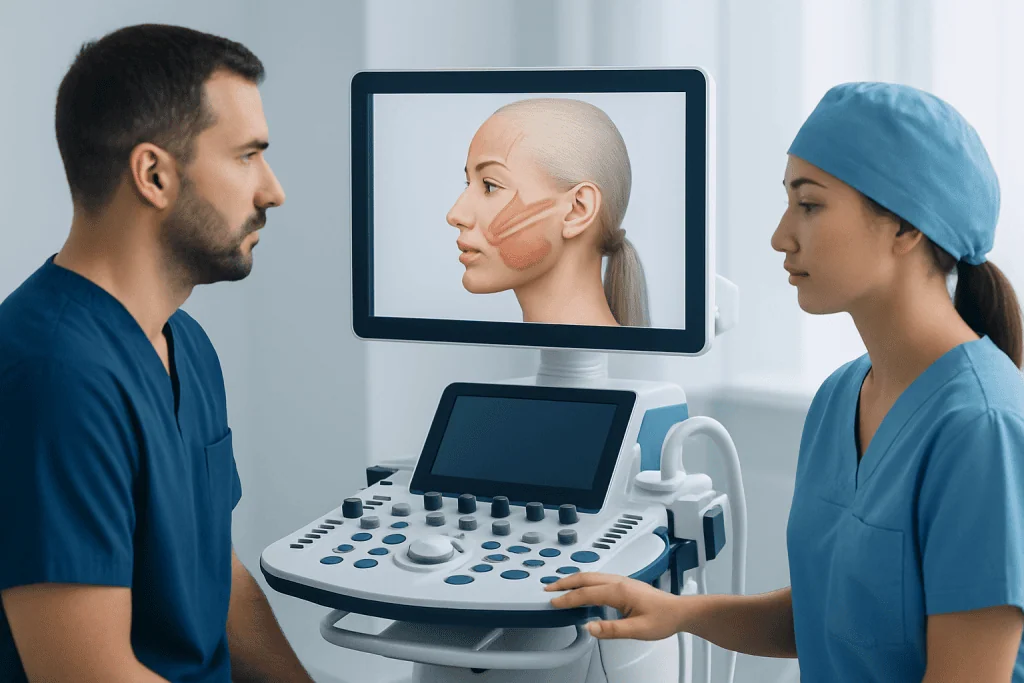
The zygomaticus muscles begin near the zygomatic bone, commonly known as the cheekbone. From there, they travel downward toward the soft tissues of the upper lip and the angle of the mouth. Their position allows them to help lift and shape the midface during expression.
These muscles are part of the larger system of muscles of facial expression. Unlike many body muscles that attach from bone to bone, facial muscles often insert into skin or other soft tissue. This arrangement lets them create subtle and highly varied expressions, including smiling, grimacing, and lip movement during speech.
The zygomaticus is controlled by branches of the facial nerve, also called cranial nerve VII. If that nerve is irritated, compressed, inflamed, or injured, movement of the zygomaticus can be reduced or altered. Conditions affecting the facial nerve may therefore change a person’s smile or lead to drooping on one side of the face, such as in facial paralysis.
Blood supply, neighboring muscles, skin elasticity, and the balance between both sides of the face all affect how the zygomaticus functions. Because smiling is a coordinated movement, doctors often look at the entire facial pattern rather than one muscle in isolation.
What the zygomaticus does in daily life

The most recognized role of the zygomaticus is helping form a smile. The zygomaticus major lifts the corner of the mouth, while the zygomaticus minor supports elevation of the upper lip. Together with nearby muscles, they produce expressions that communicate happiness, politeness, reassurance, and social engagement.
These muscles also have practical functions beyond emotion. They help shape the mouth during speech and can influence lip position while eating, drinking, or using a straw. Although they are small, they contribute to coordinated facial motion that many people rely on without noticing.
In clinical medicine, doctors may ask a person to smile, show teeth, puff the cheeks, or raise the upper lip. These simple movements can provide useful clues about muscle strength, nerve function, and symmetry. A difference between the two sides does not always mean serious disease, but it can help guide further evaluation.
Natural variation is common. Some people have a more pronounced zygomaticus muscle pattern, while others have asymmetry that is normal for them. A medically important concern usually arises when there is a new change, weakness, pain, spasm, or loss of movement.
Symptoms and signs that may involve the zygomaticus
A problem involving the zygomaticus may show up as facial asymmetry, a crooked smile, difficulty lifting one side of the mouth, or reduced movement in the upper lip. Some people notice this while speaking, smiling in photos, or brushing their teeth. Others become aware of it after an injury, dental procedure, infection, or sudden nerve-related symptoms.
Symptoms can vary depending on the cause. A nerve problem may cause weakness, drooping, or inability to fully control expression. Muscle strain or scarring may cause tightness or discomfort. In some cases, there may be twitching, involuntary contractions, or stiffness affecting the cheek and mouth area.
Associated symptoms can help doctors narrow down the cause. Important accompanying features may include:
- Facial numbness or tingling
- Ear pain or recent ear infection
- Sudden onset of weakness
- Trouble closing the eye
- Speech changes or drooling
- Pain after trauma or surgery
- Longstanding asymmetry since birth
Not every change in smile shape reflects a zygomaticus disorder. Teeth alignment, skin laxity, previous cosmetic procedures, and other facial muscles can also affect appearance. A full medical assessment is often more useful than trying to identify one specific muscle without context.
Causes and risk factors
Changes involving the zygomaticus can happen for many reasons. One common category is facial nerve dysfunction. If the nerve signal to the muscle is interrupted, the muscle may not move normally. This can happen in temporary inflammatory conditions, after infection, or as part of more complex neurologic disorders. A well-known example is Bell’s palsy, which can cause sudden weakness on one side of the face.
Trauma is another cause. Injury to the cheek, jaw, or temple area may affect the muscle directly or damage nearby nerve branches. Surgical procedures on the face, parotid gland, skin, or jaw may also influence zygomaticus movement, especially if swelling, scarring, or nerve irritation develops during recovery.
Less commonly, chronic muscle imbalance, congenital differences, tumors, or neurologic diseases can affect smile mechanics. Age-related tissue changes may make asymmetry more visible even when muscle strength is preserved. In addition, some people develop altered movement patterns after prolonged weakness, with tightness or abnormal re-coordination as healing occurs.
Risk factors depend on the underlying problem but may include recent viral illness, facial trauma, previous facial surgery, known nerve disorders, and conditions that affect healing. Because causes vary widely, persistent or sudden facial changes should be evaluated by a qualified doctor rather than attributed to aging or stress alone.
How doctors diagnose zygomaticus-related problems
Diagnosis begins with a careful history and physical examination. Doctors ask when the change started, whether it was sudden or gradual, and whether there are related symptoms such as pain, numbness, weakness, drooling, speech change, or trouble closing the eye. They also ask about recent infections, trauma, dental work, surgery, or cosmetic procedures.
The physical exam focuses on the pattern of facial movement. The doctor may ask the person to smile, raise the upper lip, show the teeth, puff the cheeks, and perform other facial movements. This helps determine whether the zygomaticus is weak, tight, poorly coordinated, or affected as part of a larger facial nerve pattern.
Additional tests are not always necessary, but they may be recommended when the cause is unclear or symptoms are significant. Depending on the situation, evaluation may include imaging, nerve testing, or specialist assessment through electromyography testing to study muscle and nerve function. If trauma or structural change is suspected, clinicians may use MRI imaging or other scans to look at soft tissues and nerve pathways.
The goal of diagnosis is not simply to name a muscle. It is to identify why facial movement has changed and whether the issue is temporary, treatable, or part of a broader condition. This is also why patients may be referred to neurology, ENT, plastic and reconstructive surgery, or rehabilitation specialists.
Treatment options and recovery
Treatment depends entirely on the cause. If a temporary facial nerve problem is responsible, care may focus on protecting the eye, monitoring recovery, and using medication when appropriate. If the issue follows trauma or surgery, treatment may center on reducing inflammation, managing scar-related changes, and supporting nerve or muscle recovery over time.
Rehabilitation is often important. Facial exercises and guided therapy can help improve symmetry, coordination, and awareness of movement patterns. In selected cases, doctors may recommend physical therapy and rehabilitation to support recovery and reduce compensatory muscle tension. Therapy is typically individualized rather than based on generic internet exercises.
When weakness is severe, long-lasting, or caused by a structural problem, specialist procedures may be considered. These can include targeted reconstructive approaches, treatment of the underlying nerve problem, or management of scar tissue and muscle imbalance. The best approach depends on how long symptoms have been present and whether the nerve still shows signs of recovery.
Many people improve, especially when the cause is identified early and treatment is matched to the diagnosis. Near the end of the care pathway, some patients may benefit from multidisciplinary assessment. Acibadem International’s JCI-accredited hospitals provide diagnosis and treatment for international patients through teams that may include neurology, ENT, rehabilitation, and reconstructive specialists.
Self-care, prevention, and when to seek medical care
Because the zygomaticus itself is a normal facial muscle, prevention focuses on protecting overall facial and nerve health. After facial injury or surgery, following medical advice closely can support healing. Gentle skin care, avoiding unnecessary strain, and attending follow-up visits may help detect problems early. Self-directed forceful facial exercises are usually best avoided unless a clinician recommends them.
General health measures also matter. Managing chronic conditions, avoiding tobacco, using protective equipment during sports, and seeking prompt care for significant infections or trauma may lower the chance of complications that affect facial movement. If a person notices asymmetry that has been present for many years without change, it may simply reflect normal anatomy, but new changes deserve professional review.
Medical care should be sought promptly if facial weakness starts suddenly, especially if it affects one side of the face. Urgent assessment is also important if there is trouble speaking, swallowing, closing the eye, severe pain, facial numbness, or weakness elsewhere in the body. These symptoms may point to conditions that need timely evaluation.
Even when symptoms are mild, a doctor visit is sensible if asymmetry persists, worsens, or follows trauma, surgery, or infection. Early assessment can help distinguish a temporary issue from a condition that would benefit from targeted treatment and follow-up.
Frequently asked questions
What is the zygomaticus muscle?
The zygomaticus is a group of facial muscles located in the cheek area. Its main role is to lift the corner of the mouth and upper lip, helping create a smile and other facial expressions.
Are there two zygomaticus muscles?
Yes. The two main muscles are the zygomaticus major and zygomaticus minor. They work together with other facial muscles to shape expression and support normal mouth movement.
Can zygomaticus problems cause an uneven smile?
Yes, they can. An uneven smile may happen if the muscle itself is affected or, more commonly, if the facial nerve controlling it is weak or irritated. However, dental issues, scarring, and natural facial asymmetry can also contribute.
Does a zygomaticus problem always mean facial paralysis?
No. A change in zygomaticus movement does not automatically mean facial paralysis. The cause may range from temporary nerve irritation to trauma, muscle imbalance, or normal anatomic variation, so proper evaluation is important.
How do doctors test the zygomaticus?
Doctors usually begin with a physical examination of facial movement. They may ask the person to smile, raise the lip, show teeth, and perform other expressions, and they may order imaging or nerve tests if needed.
Can zygomaticus function recover after nerve injury?
In many cases, some recovery is possible, but the outcome depends on the cause and severity of the injury. Early assessment, appropriate treatment, and structured rehabilitation can improve the chances of better function and symmetry.
References
- National Institute of Neurological Disorders and Stroke
- American Academy of Otolaryngology–Head and Neck Surgery
- Cleveland Clinic
- MedlinePlus
- Mayo Clinic
This article is for general information only and is not a substitute for professional medical advice. Please consult a qualified doctor about your individual situation.
Explore treatments in Turkey — costs, top hospitals & a free quote
JCI-accredited · board-certified surgeons · reply within 24h