Leukemia Treatment: Diagnosis, Outlook, and Modern Treatment Approaches

Leukemia is a cancer of blood-forming tissues, and treatment varies widely by subtype. Accurate diagnosis usually requires blood tests, bone marrow testing, and genetic or molecular analysis.
Key Takeaways
- Leukemia is a cancer of blood-forming tissues, and treatment varies widely by subtype.
- Accurate diagnosis usually requires blood tests, bone marrow testing, and genetic or molecular analysis.
- Modern leukemia treatment may combine chemotherapy, targeted drugs, immunotherapy, radiation, and stem cell transplant.
- Some slow-growing leukemias can be monitored before treatment is needed.
- Early medical evaluation for unexplained fatigue, infections, bruising, or persistent fever is important.
Leukemia treatment is tailored to the exact type of leukemia, how fast it is progressing, and the person’s age and overall health. Modern care may include careful monitoring, chemotherapy, targeted therapy, immunotherapy, radiation therapy, or stem cell transplantation, often in combination.
Overview: how leukemia treatment is planned
Leukemia treatment is not one single therapy. It is a personalized treatment plan based on the type of leukemia, whether it is acute or chronic, how far it has progressed, and the patient’s age, symptoms, and general health. In many cases, doctors also use genetic and molecular test results to guide therapy and estimate how the disease may behave.
Leukemia begins in blood-forming tissues, usually the bone marrow, where abnormal white blood cells grow in an uncontrolled way. These cells can crowd out healthy blood cells, leading to problems such as anemia, infections, and bleeding. Because different leukemia subtypes behave very differently, treatment can range from close observation to urgent intensive therapy.
The main types include acute lymphoblastic leukemia, acute myeloid leukemia, chronic lymphocytic leukemia, and chronic myeloid leukemia. Acute leukemias usually need prompt treatment because they progress quickly. Chronic leukemias may develop more slowly, and in some people, doctors may recommend monitoring first and starting treatment only when it becomes necessary.
Symptoms and signs that may lead to diagnosis
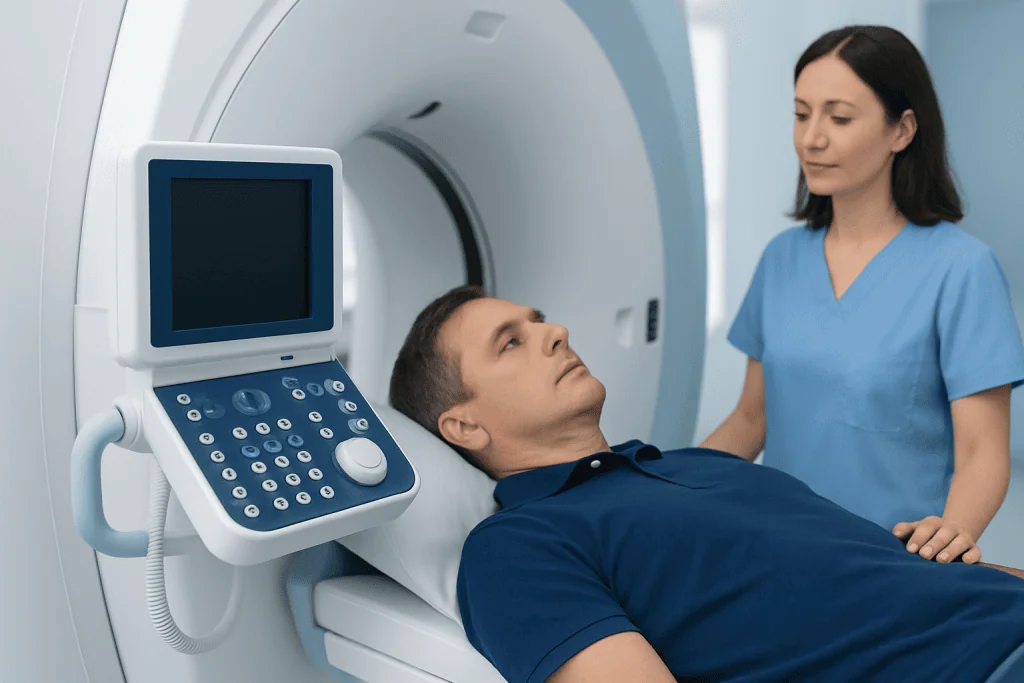
Leukemia symptoms can be vague at first and may resemble many other conditions. Common signs include unusual tiredness, weakness, recurrent infections, fever, night sweats, easy bruising, frequent nosebleeds, bleeding gums, and shortness of breath. Some people also notice unintentional weight loss, bone pain, or swollen lymph nodes.
Because leukemia affects blood cell production, symptoms often reflect low levels of normal blood cells. Too few red blood cells can cause fatigue or dizziness, low platelets can lead to bleeding or bruising, and abnormal white blood cells may increase the risk of infection. In some cases, the liver or spleen may become enlarged, causing a feeling of fullness or discomfort in the abdomen.
Not everyone has clear symptoms early on. Some chronic forms are discovered during routine blood tests done for unrelated reasons. This is one reason why a full medical evaluation is important if blood test results are abnormal, even when a person feels well.
What causes leukemia and who is at risk?

In most people, leukemia develops because of acquired changes in the DNA of blood-forming cells. These changes allow abnormal cells to survive and multiply more than they should. In many cases, the exact trigger is not known, and leukemia is not caused by anything the patient did or did not do.
Risk factors differ by subtype, but may include older age, previous chemotherapy or radiation therapy, certain inherited genetic conditions, smoking, and significant exposure to benzene or other industrial chemicals. Some viral infections and long-term immune system changes may also play a role in selected forms of leukemia.
Having a risk factor does not mean someone will definitely develop leukemia, and many people with leukemia have no known risk factors. Similarly, symptoms such as fatigue or bruising are common in many non-cancerous conditions. That is why proper testing is needed before any diagnosis is made.
Some blood cancers can overlap in symptoms or testing pathways, and specialists may also evaluate related conditions such as lymphoma or other marrow disorders when making a diagnosis. Careful classification is essential because the best treatment depends on the exact disease type.
How leukemia is diagnosed and classified
Diagnosis usually begins with a medical history, physical examination, and blood tests. A complete blood count can show abnormal levels of white blood cells, red blood cells, or platelets. A peripheral blood smear lets doctors look at the shape and appearance of blood cells under a microscope, which may suggest leukemia.
In many cases, a bone marrow aspiration and biopsy are needed to confirm the diagnosis. These tests show how many abnormal cells are present and help identify the subtype. Doctors often order flow cytometry, cytogenetic testing, and molecular analysis to look for specific markers or mutations that can guide treatment decisions.
Imaging studies are not always central to leukemia diagnosis, but they may be used in selected situations to assess swollen lymph nodes, an enlarged spleen, or complications in other organs. Sometimes lumbar puncture testing is also needed, especially in certain acute leukemias, to check whether leukemia cells have reached the fluid around the brain and spinal cord.
Modern classification is a major part of leukemia treatment planning. It helps doctors estimate risk, choose the most appropriate therapy, and monitor response over time. In some patients, very precise molecular results determine whether targeted treatment is likely to work well.
Modern leukemia treatment approaches
Leukemia treatment may include active monitoring, chemotherapy, targeted therapy, immunotherapy, radiation therapy, or stem cell transplantation. The choice depends on the exact diagnosis and treatment goal, such as achieving remission, controlling symptoms, preventing relapse, or preparing for transplant. Some patients receive one main treatment, while others need a planned sequence of therapies.
Chemotherapy has long been a key treatment, especially for acute leukemias. It uses medicines to destroy fast-growing cancer cells and may be given in phases, such as induction and consolidation. For many patients with specific genetic changes, doctors may recommend targeted therapy to block signals that leukemia cells rely on to grow.
Immunotherapy helps the immune system recognize and attack leukemia cells. Depending on the subtype, this may involve monoclonal antibodies, immune-based drug combinations, or highly specialized approaches in selected patients. Some people with resistant or relapsed disease may also be evaluated for CAR T-cell therapy when it is appropriate for their diagnosis.
Radiation therapy is used less often than systemic drug treatment but can still be helpful in specific situations, such as preparing for transplant or treating disease in certain body areas. For patients with high-risk disease, relapse after treatment, or certain aggressive subtypes, doctors may recommend bone marrow transplantation or stem cell transplant to replace diseased marrow with healthy blood-forming cells.
Outlook, remission, and life during treatment
The outlook for leukemia varies greatly from one person to another. Important factors include the leukemia subtype, age, overall health, genetic findings, how quickly treatment starts when needed, and how well the disease responds. In many forms of leukemia, treatment options have improved significantly, and more patients can achieve remission or long-term disease control.
Remission means that signs of leukemia are greatly reduced or cannot be detected with standard testing. It does not always mean the disease is permanently gone, so follow-up care is essential. Doctors may use blood tests, bone marrow tests, and highly sensitive minimal residual disease assessments to look for very small numbers of remaining leukemia cells.
Daily life during leukemia treatment can involve fatigue, infection precautions, transfusions, or supportive medicines to manage side effects. Nutrition, physical activity as tolerated, emotional support, and careful communication with the care team can all help. Many patients benefit from multidisciplinary care that includes hematology, oncology, infectious disease, nutrition, and psychosocial support.
For some people, a cancer center may also evaluate related issues such as anemia, clotting problems, or infections caused by low immunity. Near the end of the care pathway, centers such as Acibadem International provide diagnosis and treatment for international patients through multidisciplinary specialists in JCI-accredited hospitals.
Prevention, self-care, and reducing complications
There is no sure way to prevent most cases of leukemia. Still, reducing exposure to known risks such as tobacco smoke and harmful industrial chemicals may help lower risk in some people. Following workplace safety guidance and keeping regular medical appointments are practical steps for long-term health.
For people already diagnosed, self-care focuses on reducing complications and supporting recovery. This may include hand hygiene, avoiding contact with people who are ill, reporting fever promptly, staying hydrated, and following advice about food safety. Patients should also ask their doctor before taking supplements or over-the-counter medicines, because some can interfere with treatment or increase bleeding risk.
Vaccination plans, dental care, and travel precautions may need to be adjusted during treatment, especially when immunity is low. Emotional health matters too. Counseling, support groups, and clear information can help patients and families cope with uncertainty and the practical demands of treatment.
When to seek medical care
Medical care should be sought promptly for persistent unexplained fatigue, repeated infections, frequent fevers, unusual bruising, prolonged bleeding, or swollen lymph nodes that do not improve. These symptoms do not always mean leukemia, but they deserve medical evaluation, especially if they are new, worsening, or occurring together.
Anyone with a known leukemia diagnosis should contact their care team urgently for fever, chills, shortness of breath, chest pain, confusion, severe weakness, uncontrolled bleeding, or signs of dehydration. During treatment, even common symptoms can sometimes signal infection or other complications that need quick attention.
If blood test results are abnormal, follow-up should not be delayed. Early assessment helps doctors clarify the cause and begin appropriate care if needed. People who have questions about related blood cancers may also be assessed in the context of leukemia and other hematologic conditions to ensure an accurate diagnosis.
Frequently asked questions
What is the main treatment for leukemia?
There is no single main treatment that fits every patient. Leukemia treatment depends on the subtype and may include chemotherapy, targeted therapy, immunotherapy, stem cell transplant, radiation therapy, or careful monitoring.
Can leukemia be cured?
Some forms of leukemia can be cured, while others are managed as long-term conditions. The chance of cure or long-term control depends on the exact type of leukemia, the patient’s overall health, and how the disease responds to treatment.
Does every person with leukemia need treatment right away?
No. Some chronic leukemias grow slowly and may not need immediate treatment. In these cases, doctors may recommend active monitoring with regular visits and blood tests until treatment is truly necessary.
How long does leukemia treatment last?
Treatment length varies widely. Some treatments last for weeks or months, while others may continue for longer periods as maintenance therapy or ongoing disease control.
What tests are needed to diagnose leukemia?
Diagnosis often involves blood tests, a physical examination, and a bone marrow aspiration and biopsy. Genetic and molecular tests are also commonly used because they help classify the leukemia and guide treatment choices.
What are common side effects of leukemia treatment?
Side effects depend on the treatment used, but may include fatigue, nausea, low blood counts, hair loss, infections, bleeding, or mouth sores. Many side effects can be prevented or managed with supportive care, so patients should report symptoms early.
References
- World Health Organization
- National Cancer Institute
- American Cancer Society
- Leukemia & Lymphoma Society
- National Comprehensive Cancer Network
This article is for general information only and is not a substitute for professional medical advice. Please consult a qualified doctor about your individual situation.
Leukemia in Turkey — costs, top hospitals & a free quote
JCI-accredited · board-certified surgeons · reply within 24h

More from the Health Library



Related Specialists

Prof. Dr. Nezihe Seden Küçücük
Radiation Oncology
Erdem Terzi
Physical Medicine & Rehabilitation
Dr. Çağla Su Doğangün Ayduk
Oral and Dental Health
Prof. Dr. Yasemin Şenyürek
General Surgery