Does Sex Encourage Labour? Here Is What the Evidence Says

In a low-risk, full-term pregnancy, sex is usually safe unless a clinician has advised against it. Sex does not consistently trigger labour, and current evidence does not support it as a dependable induction method.
Key Takeaways
- In a low-risk, full-term pregnancy, sex is usually safe unless a clinician has advised against it.
- Sex does not consistently trigger labour, and current evidence does not support it as a dependable induction method.
- Semen, orgasm, and nipple stimulation may influence the cervix or uterine activity, but the effect varies widely.
- Bleeding, fluid leakage, regular painful contractions, reduced fetal movement, or severe pain need medical review.
- A doctor may assess symptoms with a history, physical exam, fetal monitoring, and tests to confirm whether labour has started.
Does sex encourage labour? For most healthy, full-term pregnancies, sex is usually harmless, but it is not a reliable way to start labour. Some parts of sex may theoretically help the body prepare for labour, yet studies have shown mixed results and any effect appears modest.
Overview: what the evidence says
For most people with an uncomplicated pregnancy at term, sex is usually harmless. The short answer to the question “does sex encourage labour” is: sometimes it may coincide with labour starting, but it does not reliably cause labour and should not be considered a proven induction method.
This topic often causes confusion because sex involves several factors that could, in theory, play a role. Semen contains prostaglandins, orgasm can cause temporary uterine contractions, and nipple stimulation may increase oxytocin release. These effects are biologically plausible, but real-life studies have produced mixed results, with some showing no clear benefit and others suggesting only a small effect in selected groups.
That distinction matters. Labour often begins naturally around the same time many couples are still sexually active, so timing alone does not prove cause and effect. In practice, if labour starts after sex, it may be because the body was already preparing for labour rather than because sex directly triggered it.
Why people wonder about sex and labour
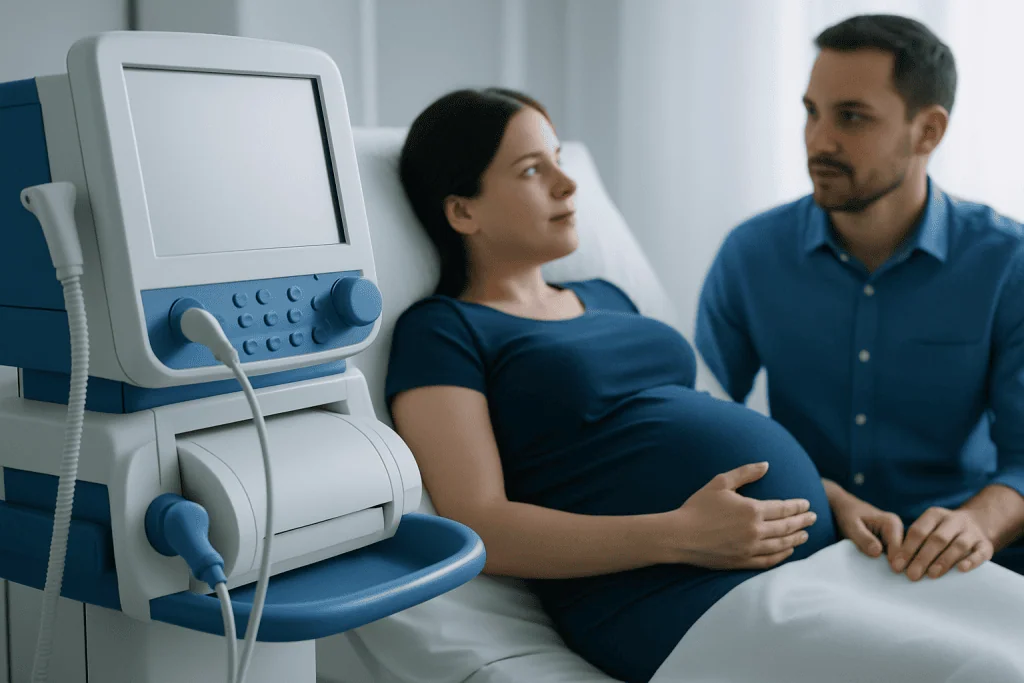
Late pregnancy can bring a strong desire to avoid medical induction if possible. Because of that, many people look for natural ways to encourage labour, including walking, exercise, spicy food, dates, nipple stimulation, and sex. Sex is especially discussed because it is familiar, does not require equipment, and seems physiologically connected to labour.
There are three main reasons sex is thought to help. First, semen may soften the cervix because it contains prostaglandins, substances also involved in some medical cervical-ripening treatments. Second, orgasm may cause the uterus to tighten briefly. Third, nipple stimulation during intimacy may prompt the body to release oxytocin, a hormone involved in uterine contractions.
Even so, these natural exposures are very different from monitored medical methods used when labour needs to be induced for health reasons. The amount of prostaglandin exposure is variable, orgasm-related contractions are often short-lived, and natural oxytocin release may not be enough to establish active labour. This helps explain why sex is not regarded as a dependable clinical tool.
What research has found
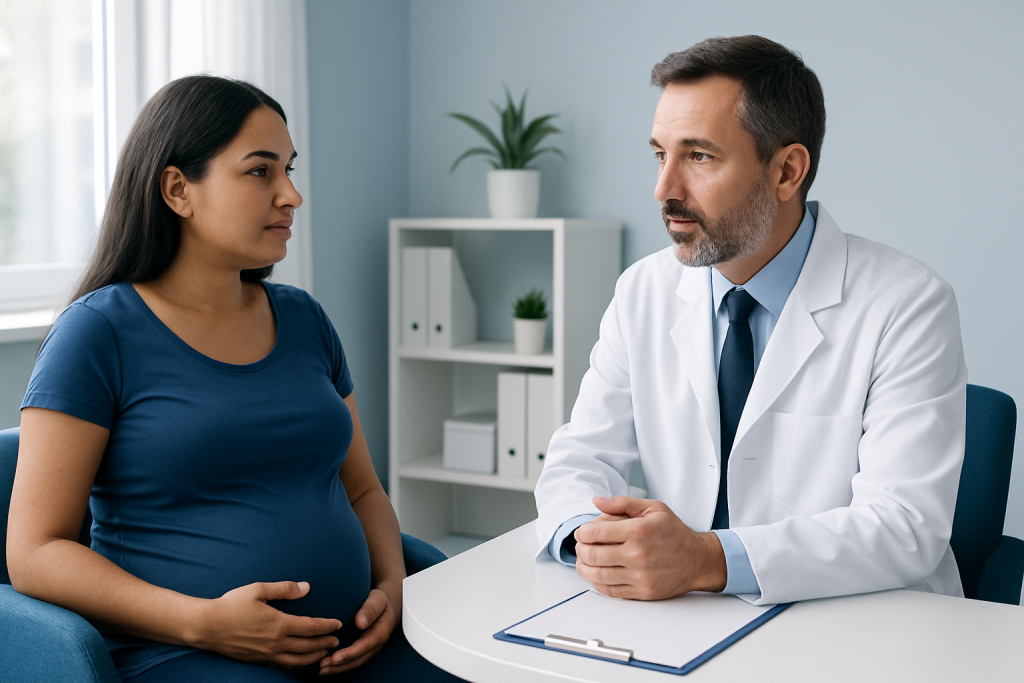
Research on sex in late pregnancy has not shown a clear, consistent ability to start labour. Some studies have suggested that sexual activity near term may be linked with slightly earlier labour in some people, while others have found no meaningful difference in labour onset, cervical readiness, or need for formal induction.
Part of the difficulty is that studies vary in design. They may define sexual activity differently, include different gestational ages, or rely on self-reported behavior. It is also hard to separate whether sex caused labour or whether people who were already close to labour were more comfortable being sexually active.
Overall, major clinical guidance does not recommend sex as a reliable induction strategy. For someone at full term with no contraindications, it may be reasonable to continue sexual activity if desired and comfortable. However, it is best understood as a personal choice rather than an evidence-based method to make labour happen.
If there are concerns about pregnancy timing, contractions, or possible labour symptoms, doctors may recommend assessment rather than trying unproven methods at home. This is especially important when there are questions about high-risk pregnancy factors or prior obstetric complications.
When sex is usually harmless, and when it may not be advised
In many uncomplicated pregnancies, sex remains safe until labour begins. The baby is protected by the uterus, the amniotic sac, and the mucus plug at the cervix. Mild cramping or brief uterine tightening after orgasm can happen and is often temporary, especially if there is no pattern of regular, intensifying contractions.
However, there are situations where clinicians may advise avoiding intercourse or orgasm. These can include placenta previa, unexplained vaginal bleeding, ruptured membranes, signs of preterm labour, certain cervical problems, some infections, or when a healthcare professional has specifically recommended pelvic rest.
Anyone who is unsure whether intercourse is safe in pregnancy should ask their obstetric clinician directly. Personal medical history matters more than general advice. Questions are especially important for those who have had bleeding, prior preterm birth, concerns about the cervix, multiple pregnancy, or reduced fetal movement.
- Usually acceptable in low-risk, full-term pregnancy if comfortable
- Not advised if membranes may have ruptured or there is significant bleeding
- Needs medical guidance in high-risk pregnancies or if pelvic rest has been recommended
Red flags after sex in late pregnancy
Most symptoms after sex in late pregnancy are mild and settle on their own. Light spotting from a sensitive cervix, temporary pelvic pressure, or a short period of irregular tightening can occur. These are often harmless, but symptoms should still be watched carefully.
Medical review is important if there is bright red bleeding, a gush or steady trickle of fluid, regular painful contractions that continue and become stronger, severe abdominal pain, fever, reduced fetal movement, or dizziness. These signs may point to true labour, ruptured membranes, infection, or another pregnancy-related issue that needs assessment.
If a person thinks labour may have started, it helps to note contraction timing, the color and amount of any fluid or bleeding, and whether the baby is moving normally. This information can help a maternity team decide how urgently assessment is needed. Concern about bleeding or possible fluid leakage may also overlap with problems such as placenta previa, which require prompt medical guidance.
How doctors assess whether labour is starting
If symptoms develop after sex, doctors do not assume that intercourse caused them. Instead, they look for signs of true labour or another explanation. The first step is usually a careful history that includes gestational age, contraction pattern, fluid leakage, bleeding, fetal movement, and any pregnancy complications or prior births.
An examination may include checking the abdomen, vital signs, and the baby’s heart rate. Depending on the situation, the clinician may perform fetal monitoring, a speculum exam to look for bleeding or ruptured membranes, and sometimes a cervical exam if appropriate. Ultrasound may also be used to assess the baby, placenta, or amniotic fluid.
Testing is guided by symptoms. If there is concern about infection, membrane rupture, or preterm labour, more focused tests may be needed. When true labour has begun, care may move on to routine labour management or, if induction is being considered for medical reasons, options such as labour induction may be discussed in a monitored setting.
What can actually help if labour needs to start
When pregnancy goes beyond the expected timeframe or there is a maternal or fetal reason to deliver, clinicians rely on evidence-based methods rather than home remedies alone. The right option depends on cervical readiness, gestational age, the baby’s wellbeing, and the reason induction is being considered.
Medical approaches may include cervical-ripening medication, membrane sweeping in selected cases, breaking the waters when appropriate, or medicines that stimulate contractions. These methods are chosen and monitored because they can affect both the uterus and the baby. Their use is different from trying sex at home, which is much less predictable.
If there are concerns about labour not progressing or if there are special obstetric risks, management may involve close monitoring and individualized delivery planning. In some situations, pregnancy follow-up and delivery services include structured assessment of labour onset and fetal wellbeing, while surgical delivery such as cesarean section may be recommended when vaginal birth is not the safest option.
Near the end of pregnancy, it can be helpful to focus on comfort, hydration, rest, and communication with the maternity team rather than searching for a guaranteed natural trigger. Most babies begin labour in their own time unless there is a medical reason to intervene.
When to seek medical care
Immediate medical advice is recommended for heavy bleeding, suspected ruptured membranes, strong or regular contractions before 37 weeks, severe abdominal pain, fever, or noticeably reduced fetal movement. These symptoms are more important than whether sex happened beforehand.
Prompt contact with a maternity clinician is also sensible if there is persistent pain after intercourse, repeated bleeding, uncertainty about whether contractions are true labour, or any concern in a high-risk pregnancy. It is always appropriate to ask for advice if something feels different or worrying.
For international patients who need assessment or delivery planning, Acibadem International’s multidisciplinary specialists and JCI-accredited hospitals provide diagnosis and treatment for pregnancy and labour-related concerns. The safest next step is individual medical guidance based on the pregnancy history and current symptoms.
Frequently asked questions
Can sex really start labour?
Sex may be followed by contractions or labour in some people, but it does not reliably start labour. The evidence is mixed, and any effect appears modest at most. If labour begins after sex, the body may already have been close to labour naturally.
Is sex safe at 39 or 40 weeks pregnant?
For many people with a low-risk pregnancy, sex near the due date is usually safe if it is comfortable and a clinician has not advised against it. Safety can change if there is bleeding, ruptured membranes, placenta problems, or a recommendation for pelvic rest. Individual advice from an obstetric clinician is best.
What part of sex is thought to encourage labour?
Semen contains prostaglandins, orgasm can cause temporary uterine tightening, and nipple stimulation may increase oxytocin release. These are the main reasons sex is thought to influence labour. However, these effects are variable and often not strong enough to produce active labour.
Should sex be used instead of medical induction?
No. Sex is not a proven or dependable substitute for medical induction when there is a health reason to deliver. If induction is needed, doctors use monitored, evidence-based methods chosen for the specific pregnancy.
What symptoms after sex mean a doctor should be called?
A doctor should be contacted for heavy bleeding, a gush or leak of fluid, regular painful contractions, severe pain, fever, or reduced fetal movement. These symptoms may signal labour or another issue that needs assessment. It is safer to ask for advice early if there is any doubt.
Can orgasm cause contractions without causing labour?
Yes. Orgasm can lead to temporary uterine contractions or tightening, especially in late pregnancy. These often fade and do not necessarily mean that true labour has started.
References
- American College of Obstetricians and Gynecologists
- Royal College of Obstetricians and Gynaecologists
- National Institute for Health and Care Excellence
- World Health Organization
This article is for general information only and is not a substitute for professional medical advice. Please consult a qualified doctor about your individual situation.
Explore treatments in Turkey — costs, top hospitals & a free quote
JCI-accredited · board-certified surgeons · reply within 24h

More from the Health Library



Related Specialists

Dr. Ferhat Erenler
Anesthesiology
Dr. Ömercan Yağız Öksüz
Aesthetic Plastic & Reconstructive Surgery
Prof. Dr. Filiz Saçan
Interventional Radiology
Dr. Metin Bozkuş
Emergency Service