What Are the 4 Stages of Osteoarthritis? Here Is What the Evidence Says

Osteoarthritis is commonly described in 4 stages: early, mild, moderate, and severe. Symptoms do not always match X-ray findings exactly; some people have noticeable pain early, while others have fewer symptoms despite more advanced changes.
Key Takeaways
- Osteoarthritis is commonly described in 4 stages: early, mild, moderate, and severe.
- Symptoms do not always match X-ray findings exactly; some people have noticeable pain early, while others have fewer symptoms despite more advanced changes.
- Doctors diagnose osteoarthritis using medical history, physical examination, and sometimes X-rays or other imaging.
- Treatment depends on symptoms and function, and may include exercise, weight management, pain relief, physical therapy, injections, or surgery.
- Medical review is important if joint pain persists, worsens, limits movement, or is associated with swelling, warmth, or sudden changes.
What are the 4 stages of osteoarthritis? In most people, osteoarthritis develops gradually through four broad stages, from minor joint changes to advanced cartilage loss and more persistent pain or stiffness. Many symptoms can be managed well, but new swelling, reduced mobility, or pain that interferes with daily life should be reviewed by a doctor.
Overview: the 4 stages at a glance
When people ask, “what are the 4 stages of osteoarthritis,” the usual answer is that osteoarthritis progresses from early joint wear to advanced loss of cartilage and more significant changes in the bone and surrounding tissues. In practical terms, these stages are often described as early, mild, moderate, and severe. The process is usually slow, and many people remain active for years with the right self-care and treatment plan.
Osteoarthritis is a common joint condition that affects the cartilage that cushions the ends of bones. As cartilage becomes thinner or rougher, joints may not move as smoothly. The body can also respond by forming small bony growths called osteophytes, and the lining and soft tissues around the joint may become irritated.
It helps to know that symptoms and stage do not always line up perfectly. Some people with early structural changes have clear pain or stiffness, while others with more advanced X-ray changes feel less discomfort than expected. For that reason, doctors look at the whole picture rather than relying on one image alone.
Osteoarthritis most often affects the knees, hips, hands, spine, and sometimes the feet. A related overview of osteoarthritis can help explain how the condition affects different joints over time.
Stage 1: Early or doubtful osteoarthritis
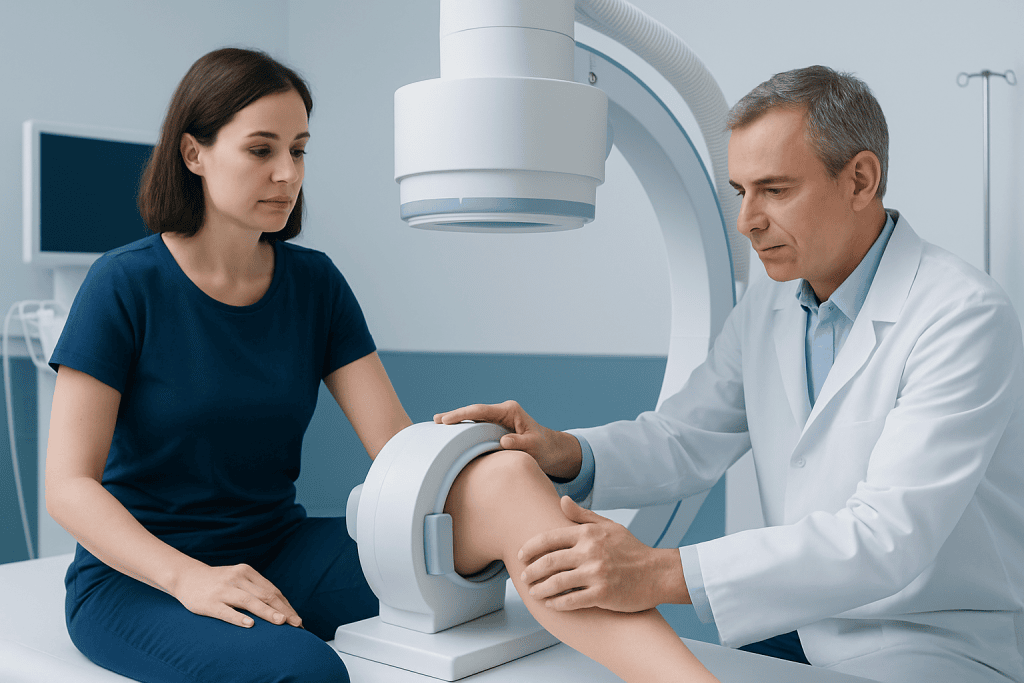
In stage 1, the joint may show very early signs of wear, but changes are often subtle. Cartilage is still largely present, and there may be only slight roughening of the joint surface or tiny bony changes that are difficult to see. Some classification systems describe this stage as doubtful or minimal osteoarthritis on X-ray.
Many people have no symptoms at this point. Others notice mild stiffness after rest, a sense that the joint feels less flexible than before, or discomfort after heavier activity. Symptoms may come and go, and they often improve with rest, gentle movement, or simple adjustments in activity.
Because symptoms can be mild, this stage is easy to overlook. Even so, early habits can make a difference. Maintaining a healthy body weight, keeping the muscles around the joint strong, and avoiding repeated overload may help protect joint function and reduce symptom flare-ups over time.
Stage 2: Mild osteoarthritis

In stage 2, cartilage changes are more noticeable, and small osteophytes may be visible on imaging. The space between the bones in the joint may still be largely preserved, but the joint is no longer completely normal. This is often the point when people begin to recognize a pattern in their symptoms.
Typical symptoms include aching with use, stiffness after waking or sitting for a while, mild swelling after activity, or a grinding sensation during movement. For example, in knee osteoarthritis, stairs, squatting, or longer walks may trigger discomfort. In hand osteoarthritis, gripping jars or turning keys may become more difficult.
At this stage, treatment usually focuses on reducing symptoms and preserving function. Doctors often recommend regular low-impact exercise, strengthening work, physical therapy, supportive footwear, and measures such as heat or cold. If symptoms are frequent, a structured rehabilitation plan such as physical therapy and rehabilitation may help improve joint mechanics and confidence with movement.
Stage 3: Moderate osteoarthritis
Stage 3 means the cartilage has worn down more clearly, and the joint space often begins to narrow on X-rays. Bone surfaces may be closer together, and inflammation in the surrounding tissues can contribute to pain, stiffness, or swelling. Mechanical symptoms, such as catching or a feeling of instability, may also become more noticeable.
People in this stage often have symptoms that affect daily routines. Walking longer distances, standing for extended periods, climbing stairs, kneeling, or carrying loads may become harder. Morning stiffness may last longer than before, and flare-ups may occur more often after activity or after periods of inactivity.
Moderate osteoarthritis is often the stage when patients seek specialist advice. Treatment may combine exercise therapy, weight management if appropriate, medications for symptom relief, braces or supports, and sometimes joint injections. Depending on the joint involved and the overall picture, doctors may also evaluate related conditions such as knee pain to make sure symptoms are not being caused by another problem.
Stage 4: Severe osteoarthritis
In stage 4, cartilage loss is advanced, joint space is greatly reduced, and the bones may rub more directly against each other. Larger osteophytes, bone thickening under the cartilage, and changes in joint shape can be seen. This stage is sometimes called advanced or severe osteoarthritis.
Symptoms can include persistent pain, marked stiffness, reduced range of motion, swelling, and difficulty with everyday activities such as walking, getting up from a chair, dressing, or sleeping comfortably. Not everyone experiences severe pain, but functional limitation is more common in this stage.
Severe osteoarthritis does not automatically mean surgery is required, but surgery may be considered when pain remains significant despite well-managed non-surgical care and when quality of life is clearly affected. For some joints, specialists may discuss options such as knee replacement or hip replacement after careful assessment of symptoms, imaging, mobility, and overall health.
How doctors diagnose osteoarthritis and stage it
Diagnosis begins with a clinical assessment. A doctor asks about pain location, timing, stiffness, swelling, previous injuries, activity level, and how symptoms affect work, sleep, and daily tasks. During the physical exam, the joint is checked for tenderness, creaking, swelling, range of motion, alignment, and strength of the surrounding muscles.
X-rays are commonly used to support the diagnosis and estimate structural stage. They can show joint space narrowing, osteophytes, bone changes, and alignment problems. However, X-rays do not show cartilage directly, and they do not always explain the full level of pain. For that reason, stage is only one part of decision-making.
Blood tests are not used to confirm osteoarthritis itself, but they may help rule out other causes of joint symptoms, such as inflammatory arthritis. In selected cases, ultrasound or MRI may be useful, especially if the symptoms seem out of proportion, another diagnosis is possible, or the doctor needs a closer look at soft tissues, bone marrow, or early joint damage.
Many clinicians use radiographic grading systems, such as the Kellgren-Lawrence scale, to describe what they see on X-ray. Even so, treatment planning remains individualized. A person with moderate imaging changes but strong function may need a very different plan from someone with milder imaging changes but more pain and mobility problems.
Treatment options by stage
Treatment aims to reduce pain, improve movement, and maintain independence. In earlier stages, the main tools are exercise, joint protection, pacing of activity, weight management where relevant, and symptom-relieving measures such as heat, cold, or medicines recommended by a clinician. Strengthening the muscles around the joint is especially important because stronger muscles can improve support and reduce strain.
As osteoarthritis progresses, treatment may become more structured. Physical therapy can help with gait, posture, flexibility, and strength. Some people benefit from braces, insoles, assistive devices, or changes to their work and home routine. Doctors may also consider pain-relieving medicines or injection-based treatments when symptoms flare or begin to limit function more clearly.
If symptoms become severe and non-surgical care no longer provides enough relief, surgery may be discussed. The choice depends on the joint involved, age, activity level, general health, and personal goals. The aim of surgery is not simply to change an X-ray, but to improve pain, function, and quality of life when other approaches have not been enough.
Near the end of the care pathway, some patients seek evaluation at specialized centers. Acibadem International’s multidisciplinary specialists and JCI-accredited hospitals diagnose and treat osteoarthritis for international patients, with plans tailored to the affected joint, symptoms, and overall health needs.
Prevention, self-care, and when to seek medical care
Osteoarthritis cannot always be prevented, but some steps may lower risk or slow worsening. Helpful habits include staying physically active, building muscle strength, maintaining a healthy body weight, treating injuries properly, and avoiding repeated joint overload where possible. Low-impact activities such as walking, cycling, swimming, and guided strengthening are often well tolerated.
At home, many people find it useful to balance movement with rest. Long periods of sitting can worsen stiffness, while overdoing activity can trigger pain. Supportive shoes, sensible pacing, home exercises, and attention to posture and body mechanics can all help day to day.
Most joint aches are not an emergency, but medical review is sensible if pain lasts more than a few weeks, keeps returning, limits sleep, or makes everyday tasks harder. A person should also seek care sooner if a joint becomes very swollen, hot, red, suddenly painful after injury, gives way repeatedly, or if symptoms come with fever, marked weakness, or unexplained weight loss. These features may suggest a different problem that needs prompt assessment.
Seeing a doctor early can be reassuring as well as practical. The doctor can confirm whether the symptoms fit osteoarthritis, look for other causes of joint pain, and help start treatment before stiffness and reduced activity begin to affect overall health and confidence in movement.
Frequently asked questions
What are the 4 stages of osteoarthritis in simple terms?
The four stages are generally described as early, mild, moderate, and severe osteoarthritis. They reflect increasing cartilage wear and joint changes over time, but symptoms can vary from person to person.
Does stage 4 osteoarthritis always mean surgery?
No. Surgery is not required for everyone with severe osteoarthritis. It is usually considered when pain and loss of function continue despite well-managed non-surgical treatment and when daily life is clearly affected.
Can osteoarthritis stay in one stage for years?
Yes, it can. Osteoarthritis often progresses slowly, and some people remain in an early or moderate stage for a long time. Exercise, weight management, and timely treatment may help maintain joint function and reduce symptoms.
How do doctors know which stage of osteoarthritis a person has?
Doctors use a combination of symptoms, physical examination, and imaging, most commonly X-rays. The stage is based mainly on structural changes seen in the joint, but treatment decisions also depend on pain, mobility, and daily function.
Can symptoms be severe even in early osteoarthritis?
Yes. Pain does not always match imaging findings exactly. A person can have relatively early changes on X-ray but still experience bothersome symptoms, while another person with more advanced changes may feel less pain.
What is the best exercise for osteoarthritis?
There is no single best exercise for everyone. In general, low-impact aerobic activity, muscle strengthening, flexibility work, and balance training are helpful, especially when adapted to the affected joint and guided by a qualified professional.
References
- National Institute of Arthritis and Musculoskeletal and Skin Diseases
- American Academy of Orthopaedic Surgeons
- Arthritis Foundation
- National Health Service
- Centers for Disease Control and Prevention
This article is for general information only and is not a substitute for professional medical advice. Please consult a qualified doctor about your individual situation.
Arthritis in Turkey — costs, top hospitals & a free quote
JCI-accredited · board-certified surgeons · reply within 24h