Noses: An Evidence-Based Guide for Patients

Noses warm, humidify, and filter inhaled air before it reaches the lungs. Common nose symptoms include congestion, runny nose, nosebleeds, reduced smell, and sinus pressure.
Key Takeaways
- Noses warm, humidify, and filter inhaled air before it reaches the lungs.
- Common nose symptoms include congestion, runny nose, nosebleeds, reduced smell, and sinus pressure.
- Allergies, infections, irritants, structural issues, and dry air are frequent causes of nose problems.
- Persistent, severe, or one-sided symptoms should be assessed by a qualified doctor.
- Treatment depends on the cause and may include self-care, medicines, or specialist procedures.
Noses do much more than shape facial appearance. They help with breathing, smelling, filtering air, and supporting overall health, and many everyday symptoms can be linked to how the nose works.
Overview: what noses do and why they matter
Noses are the main entry point for air during breathing, but their role is broader than many people realize. A healthy nose helps filter dust and germs, warms and moistens incoming air, and supports the sense of smell. It also contributes to taste, sleep quality, voice resonance, and comfort during exercise.
The nose includes the visible outer structure, the nasal passages inside, the septum that separates the two sides, and the turbinates that help manage airflow. Tiny hairs and a mucus lining trap particles, while nerve cells high in the nasal cavity detect odors. Together, these structures make breathing more efficient and protect the lower airways.
Because noses are exposed constantly to the environment, they are affected by infections, allergens, dry air, pollution, trauma, and structural differences. As a result, symptoms such as blockage, discharge, sneezing, pain, bleeding, or changes in smell are common across all age groups. Most causes are manageable, but the best approach depends on identifying the underlying reason.
How the nose works in daily life
When a person breathes in through the nose, the nasal passages slow and condition the air before it reaches the throat and lungs. This process helps reduce irritation in the airways and may support better respiratory comfort than habitual mouth breathing. The nose also plays an important role in immune defense by trapping particles and helping clear them with mucus.
Smell begins when odor molecules reach specialized receptors in the upper part of the nose. These signals travel to the brain, where odors are identified and linked to memory and taste. This is why nasal congestion can make food seem bland even when the tongue is working normally.
The nose also affects speech and sleep. Swelling, blockage, or structural narrowing can change the sound of the voice and may contribute to snoring or disrupted rest. In some people, chronic nasal obstruction can be related to problems such as a deviated septum, enlarged turbinates, or long-standing inflammation.
Common symptoms and what they can mean

Nose symptoms can appear suddenly, such as during a cold, or develop gradually over time. Common complaints include a blocked nose, runny nose, sneezing, itching, facial pressure, reduced smell, postnasal drip, and nosebleeds. Some people also notice headaches, mouth breathing, poor sleep, or a feeling of fullness in the face.
Symptoms often provide clues, although they do not confirm a diagnosis by themselves. For example, itching and repeated sneezing may suggest allergies, while thick discharge and facial pain can happen with sinus inflammation. One-sided blockage, ongoing bleeding, or persistent symptoms after an injury may point to a structural issue that needs medical assessment.
Changes in smell can happen with viral infections, allergies, nasal polyps, chronic inflammation, or aging. Nosebleeds are often caused by dryness, nose picking, irritation, or blood-thinning medicines, but recurrent or heavy bleeding deserves attention. Any symptom that is worsening, interfering with daily life, or lasting longer than expected should be discussed with a doctor.
- Blocked or congested nose
- Runny nose or postnasal drip
- Sneezing and itching
- Reduced or altered sense of smell
- Facial pressure or sinus discomfort
- Nosebleeds
Why nose problems happen: causes and risk factors
Many nose problems are caused by inflammation. This may come from viral infections such as the common cold, seasonal or year-round allergies, or irritation from smoke, chemicals, pollution, or strong fragrances. Dry indoor air and frequent use of heated or air-conditioned spaces can also dry the nasal lining and trigger discomfort or bleeding.
Structural factors are another important cause. A bent septum, enlarged turbinates, nasal valve narrowing, or growths such as nasal polyps can reduce airflow and lead to chronic blockage. Injury to the nose may change its shape or function and can sometimes affect breathing long after the initial trauma.
Other contributing factors include asthma, eczema, repeated sinus infections, pregnancy-related hormonal changes, and certain medicines. Overuse of some decongestant nasal sprays can lead to rebound congestion, where symptoms return or worsen when the spray wears off. In children, foreign bodies in the nose may cause one-sided discharge or odor and should be assessed promptly.
People with repeated sinus pressure, congestion, and thick mucus may also be experiencing chronic or recurrent sinusitis. Distinguishing between allergy, infection, and structural causes is important because treatment differs for each.
How doctors evaluate nose symptoms
Assessment usually begins with a medical history and physical examination. A doctor may ask when symptoms started, whether they are constant or seasonal, what makes them better or worse, and whether there is pain, fever, bleeding, snoring, or a change in smell. Exposure to smoke, pets, dust, workplace irritants, and recent infections can all be relevant.
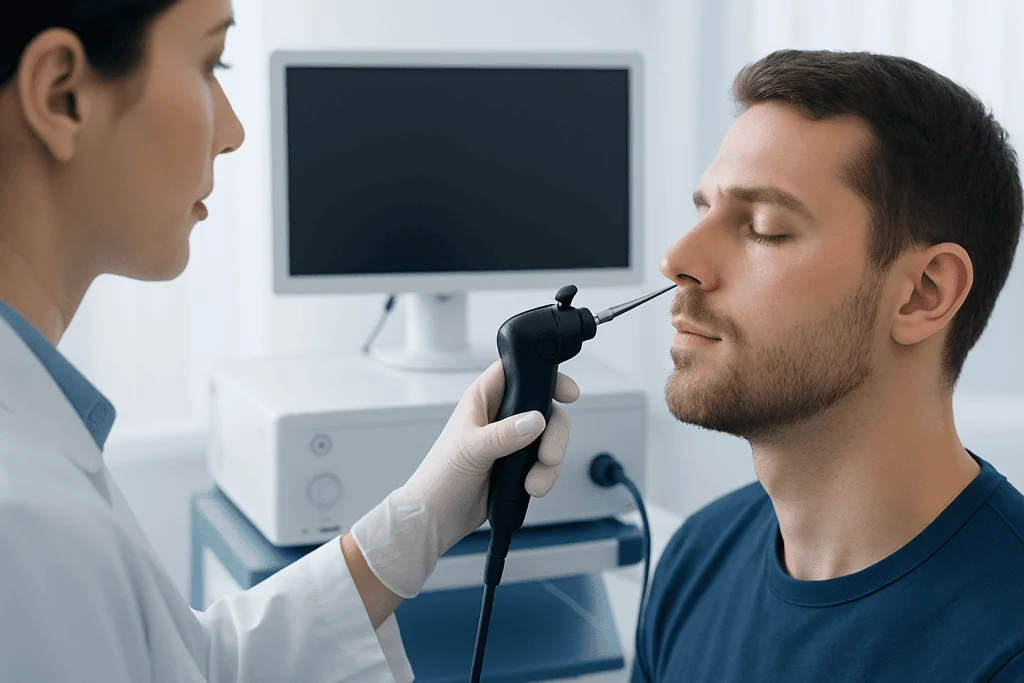
The inside of the nose is often examined with a light and a simple instrument to look for swelling, mucus, crusting, bleeding points, polyps, or septal deviation. In some cases, a specialist may recommend nasal endoscopy, which uses a thin camera to examine deeper structures. This can help identify inflammation, blockage, polyps, or anatomy that cannot be seen well in a standard office exam.
Additional tests depend on the suspected cause. Allergy testing may be helpful when symptoms are persistent or clearly triggered by environmental exposure. Imaging, such as a CT scan of the sinuses, may be used when chronic sinus disease, polyps, or structural blockage is suspected, especially if surgery is being considered.
Treatment options for common nose conditions
Treatment is based on the cause, severity, and duration of symptoms. For many short-term problems, supportive care is enough. Saline sprays or rinses can help clear mucus and moisturize the nasal lining, while avoiding smoke and known triggers may reduce irritation. For allergies, doctors may recommend antihistamines or anti-inflammatory nasal sprays. For bacterial infection, antibiotics are only used when clinically appropriate.
When symptoms are linked to chronic inflammation, treatment may focus on reducing swelling and restoring normal airflow. This can include nasal steroid sprays, allergen avoidance, and management of related conditions such as asthma. If polyps are present or symptoms keep returning, an ENT specialist may evaluate whether endoscopic sinus surgery or other procedures are likely to help.
Structural problems may need a different approach. If nasal blockage is caused by a significant septal deviation or related narrowing, surgery such as septoplasty may improve breathing. External shape changes after trauma or severe structural issues may sometimes require rhinoplasty for functional as well as cosmetic reasons. Doctors generally start with the least invasive option that is appropriate for the individual situation.
Persistent or complex nose conditions are often managed by ear, nose, and throat specialists working with allergy, imaging, and respiratory teams. Near the end of the care pathway, some patients may choose centers such as Acibadem International, where multidisciplinary specialists in JCI-accredited hospitals diagnose and treat nose and sinus conditions for international patients.
Prevention and self-care for healthier noses
Daily habits can help protect the nose and reduce symptom flare-ups. Keeping indoor air from becoming too dry, drinking enough fluids, and using saline products when recommended may help maintain the moisture of the nasal lining. Avoiding tobacco smoke and limiting exposure to dust, sprays, and harsh fumes are also useful steps.
People with allergies may benefit from practical trigger reduction, such as washing bedding regularly, showering after outdoor exposure during high-pollen periods, and keeping windows closed when pollen counts are high. It can also help to manage related conditions, since untreated allergies can contribute to ongoing nasal and sinus inflammation.
Good nose care includes being gentle. Frequent picking, forceful blowing, or using decongestant sprays for longer than advised can worsen irritation and congestion. Protective gear during sports and prompt evaluation after significant facial injury can reduce the risk of complications affecting the nose and breathing.
When to seek medical care
Medical advice is important if nose symptoms last more than a few weeks, keep coming back, or interfere with sleep, exercise, work, or daily comfort. A doctor should also assess recurrent nosebleeds, reduced smell that does not improve, facial pain with fever, or persistent thick discharge. Ongoing mouth breathing, loud snoring, and chronic nasal blockage may point to a treatable underlying problem.
Urgent care is needed for heavy bleeding that does not stop, trouble breathing, high fever with severe facial swelling, or symptoms after significant facial trauma. Sudden one-sided blockage, one-sided foul-smelling discharge, or new deformity after injury also deserve prompt evaluation. In children, a suspected object in the nose should be assessed rather than removed forcefully at home.
Early assessment can often prevent prolonged discomfort and help avoid complications. The most effective treatment depends on the cause, so persistent symptoms should be evaluated by a qualified healthcare professional rather than self-treated for long periods.
Frequently asked questions
What are noses mainly for?
Noses help people breathe by warming, humidifying, and filtering the air before it reaches the lungs. They also provide the sense of smell and support taste, voice resonance, and comfortable sleep.
Why is one side of the nose often more blocked than the other?
Airflow naturally shifts from one side of the nose to the other during the day in a normal pattern called the nasal cycle. However, if one side is persistently more blocked, it may be related to swelling, allergies, a deviated septum, or another structural issue.
Can nose problems affect sleep?
Yes. Ongoing nasal congestion can lead to mouth breathing, snoring, dry mouth, and less restful sleep. Treating the cause of nasal blockage may improve nighttime breathing and comfort.
Are frequent nosebleeds normal?
Occasional mild nosebleeds are common, especially in dry air or after irritation. Recurrent, heavy, or hard-to-stop bleeding should be assessed by a doctor, particularly if a person takes blood thinners or has other bleeding symptoms.
When does a blocked nose need medical treatment?
A blocked nose may need medical evaluation if it lasts more than a few weeks, keeps returning, or affects sleep, smell, or daily activities. It should also be checked if there is facial pain, fever, one-sided symptoms, or poor response to simple self-care.
Can loss of smell come from the nose?
Yes. Inflammation, allergies, viral infections, nasal polyps, and chronic sinus disease can all reduce the sense of smell by preventing odor molecules from reaching the smell receptors. Persistent or sudden changes should be discussed with a healthcare professional.
References
- American Academy of Otolaryngology–Head and Neck Surgery
- National Institute on Deafness and Other Communication Disorders
- Mayo Clinic
- Cleveland Clinic
- Merck Manual Consumer Version
This article is for general information only and is not a substitute for professional medical advice. Please consult a qualified doctor about your individual situation.
Hair transplant in Turkey — costs, graft counts & a free assessment
JCI-accredited · board-certified surgeons · reply within 24h

More from the Health Library



Related Specialists

Dr. Canan Öner
Clinical Laboratory
Prof. Dr. Mehdi S. Öğüt
Ophthalmology
Prof. Dr. Bülent Tıraş
Gynecology & Obstetrics
Assoc. Prof. Dr. Bedriye Koyuncu Sökmen
Gastrointestinal Oncology Unit Clinical Service