How to Do Inhalation? A Doctor-Reviewed Answer

Steam inhalation may provide short-term relief from nasal congestion, dryness, or thick mucus. The safest approach is to use warm steam from a bowl placed securely on a surface or from a steamy shower, not boiling water close to the face.
Key Takeaways
- Steam inhalation may provide short-term relief from nasal congestion, dryness, or thick mucus.
- The safest approach is to use warm steam from a bowl placed securely on a surface or from a steamy shower, not boiling water close to the face.
- Steam inhalation should be gentle, brief, and stopped immediately if it causes dizziness, coughing, or breathing discomfort.
- Children should not do steam inhalation unsupervised because of the risk of burns.
- Persistent symptoms, fever, chest pain, wheezing, or shortness of breath should be medically assessed.
How to do inhalation safely usually means breathing in warm, moist air gently for a short time to help loosen mucus and ease nasal dryness or congestion. For many people this is a simple home comfort measure, but it should be done carefully and is not a substitute for medical treatment when warning signs are present.
Overview: How to Do Inhalation
For most people, inhalation means breathing in warm, moist air to temporarily ease a stuffy nose, dry nasal passages, or thick mucus. It is often harmless when done carefully, and many people use it during colds, mild sinus irritation, or dry indoor conditions. The goal is comfort rather than cure: steam does not treat the underlying infection, allergy, or lung condition, but it may help some symptoms feel more manageable for a short time.
The basic method is simple. A person sits comfortably, places a bowl of hot but not dangerously boiling water on a stable table, leans close enough to feel the steam without putting the face too near the water, and breathes gently through the nose and mouth for about 5 to 10 minutes. Another option is to sit in a warm shower room and breathe in the humid air. If at any point the steam feels too hot, causes coughing, or makes breathing harder, it should be stopped.
Even though inhalation is commonly used at home, it is important to recognize red flags. Steam is not appropriate if there is severe shortness of breath, chest pain, blue lips, faintness, or rapidly worsening symptoms. In these situations, a doctor would focus on finding the cause, which may involve a physical examination, listening to the lungs, checking oxygen levels, and sometimes arranging imaging or breathing tests.
Step-by-Step: The Safest Way to Do Steam Inhalation
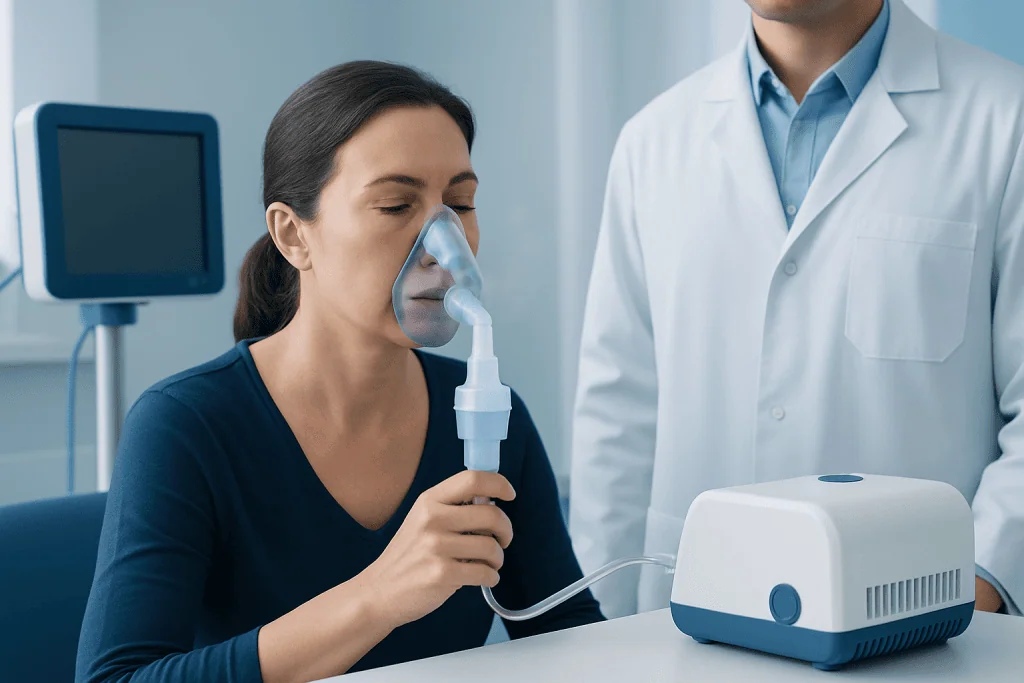
A practical and cautious approach is best. First, wash the hands and choose a safe place to sit where the bowl cannot be knocked over. Fill a heat-safe bowl with hot water that is steaming but not aggressively bubbling. Place it on a flat surface, then sit upright and lean in slowly until the steam can be felt comfortably on the face. The face should stay several inches away from the water.
Breathe normally rather than taking deep, forceful breaths. Gentle inhalation through the nose can help when congestion is mainly nasal, and occasional mouth breathing may feel soothing if the throat is dry. Many people place a towel loosely over the head and bowl to trap steam, but this is optional and should only be done if it does not make the steam feel too intense. Sessions are usually kept short, around 5 to 10 minutes.
Afterward, the person should move away from the bowl carefully, dab the face dry, and continue drinking fluids if appropriate. Steam inhalation should not be painful. It should be stopped right away if there is burning, dizziness, wheezing, worsening cough, or a feeling of overheating. A warm shower can be a simpler and safer choice for some people because it reduces the risk of tipping a bowl of hot water.
- Use hot water on a stable surface, never in the lap.
- Keep the face at a comfortable distance from the steam.
- Breathe gently for 5 to 10 minutes.
- Stop if symptoms worsen or the steam feels too strong.
- Never let children use steam inhalation unsupervised.
When Inhalation May Help — and When It May Not

Steam inhalation is usually used for symptom relief rather than treatment. It may help when the nose feels blocked, the mucus feels thick, the throat is mildly dry, or indoor air is irritatingly dry. Some people also find that warm, moist air makes it easier to clear nasal passages before sleep or before using saline sprays or other doctor-recommended treatments.
However, inhalation does not kill viruses, cure a sinus infection, or open severely narrowed airways. If symptoms are due to allergies, treatment may also involve avoiding triggers and using appropriate medicines. If breathing symptoms are related to asthma or another chronic respiratory condition, inhalation alone is not enough and should not replace prescribed care. Readers looking for more information on airway narrowing may also want to learn about asthma.
People sometimes add essential oils, menthol products, or herbal ingredients to steam, but these are not necessary and may irritate the eyes or airways in some individuals. Plain water is usually the simplest option. If a person already has sensitive airways, fragrance-triggered symptoms, or a history of wheezing, added substances should be avoided unless a clinician has advised otherwise.
Who Should Be Cautious
Not everyone should use steam inhalation in the same way. Children are at particular risk of accidental scalds, especially if a bowl of hot water can be tipped over. For this reason, steam over a bowl is generally not a good choice for young children. A safer alternative may be humidified air in the bathroom from a warm shower running nearby, while the child remains supervised and away from hot water.
Adults should also use caution if they have balance problems, reduced sensation, mobility limitations, or conditions that make burns more likely. People with severe breathing disorders may find that hot steam triggers coughing or discomfort rather than relief. Anyone who notices tightness in the chest, noisy breathing, or increasing shortness of breath during inhalation should stop and seek medical advice.
Those with frequent sinus symptoms may benefit more from a broader medical review than from repeated home steam sessions alone. Ongoing congestion can be linked with infection, allergies, structural nasal problems, or chronic inflammation. In such cases, a doctor may evaluate for conditions such as sinusitis and recommend more targeted care.
What Doctors Look For if Symptoms Persist
If congestion, cough, facial pressure, or breathing discomfort keeps returning, a doctor will usually begin by asking detailed questions. These often include how long the symptoms have been present, whether there is fever, thick or discolored mucus, facial pain, wheezing, exposure to allergens or smoke, and whether symptoms are worse at night or with exercise. This clinical history helps distinguish simple viral irritation from allergy, asthma, sinus disease, or other causes.
The physical examination may include looking inside the nose and throat, checking the ears, feeling for sinus tenderness, and listening to the lungs. Depending on symptoms, the clinician may check oxygen levels with a pulse oximeter. If there is concern about a more significant problem, further evaluation might include imaging, allergy assessment, or breathing tests. For lower-airway symptoms, doctors sometimes use pulmonary function tests to understand how well the lungs are working.
When sinus symptoms are frequent or complicated, more specialized examination may be needed. This can include endoscopic assessment by an ear, nose, and throat specialist, and in selected cases imaging such as MR imaging or other scans when clinically appropriate. The purpose is to identify the cause clearly so treatment can be matched to the problem rather than relying only on home remedies.
Treatment Options Beyond Home Inhalation
If inhalation offers only partial relief, there are other evidence-based ways to manage symptoms. Saline nasal sprays or rinses can help moisten the nasal passages and flush out mucus. Rest, hydration, and avoiding cigarette smoke or strong irritants are also useful supportive measures. If symptoms are caused by allergies, a clinician may recommend treatments aimed at reducing inflammation or controlling exposure to triggers.
For bacterial infection, significant inflammation, or chronic airway disease, treatment depends on the diagnosis. A doctor may suggest prescription medicines, inhaled therapy, or a structured management plan. In selected respiratory cases, nebulizer treatment may be used to deliver medication directly into the airways, which is different from simple steam inhalation and should be used according to medical advice.
Persistent or recurrent upper-airway problems sometimes need specialist care. When symptoms affect daily life, sleep, or breathing comfort, coordinated assessment can be helpful. Near the end of the care pathway, it may be reassuring to know that Acibadem International’s multidisciplinary specialists in JCI-accredited hospitals diagnose and treat respiratory and ENT conditions for international patients.
When to Seek Medical Care
Medical review is important if symptoms are severe, last longer than expected, or do not fit a simple cold or dry-air irritation. A person should contact a doctor if there is fever that persists, facial swelling, worsening sinus pain, symptoms lasting more than about 10 days, recurrent episodes, or a cough that is not improving. Medical advice is also sensible for people who have asthma, chronic lung disease, reduced immunity, or symptoms after inhaling smoke or chemicals.
Urgent care is needed for chest pain, significant shortness of breath, wheezing that is new or severe, confusion, bluish lips, dehydration, or any sign that breathing is becoming difficult. Burns from hot water or hot steam should also be assessed promptly, especially in children. Steam inhalation should never delay emergency care when warning signs are present.
If a doctor suspects a structural nasal issue, chronic sinus disease, or another underlying disorder, referral to an ENT or pulmonary specialist may follow. In some cases, advanced evaluation and procedures are considered to address the cause directly rather than repeatedly treating symptoms at home.
Frequently asked questions
How long should steam inhalation last?
A typical session lasts about 5 to 10 minutes. Longer sessions are not necessarily more effective and may increase discomfort or the risk of overheating. The steam should feel warm and soothing, not intense.
Can steam inhalation cure a cold or sinus infection?
No. Steam inhalation may temporarily ease congestion or dryness, but it does not treat the underlying cause of a viral cold, allergy, or bacterial infection. If symptoms are persistent, severe, or worsening, a medical evaluation is important.
Is it safe to add essential oils to the water?
Plain water is usually the safest and simplest option. Essential oils or strong menthol products can irritate the eyes, skin, or airways, especially in people with asthma or fragrance sensitivity. It is best to avoid additives unless a clinician has specifically advised them.
Can children do steam inhalation?
Children should not use bowls of hot water for steam inhalation without close supervision because of the risk of burns. In many cases, supervised humid air from a warm shower nearby is a safer option. Parents should ask a pediatric clinician if they are unsure.
What is the difference between steam inhalation and a nebulizer?
Steam inhalation uses warm, moist air for comfort and does not deliver medicine. A nebulizer turns prescribed liquid medication into a mist that can be inhaled into the lungs. Nebulizers are used for specific medical conditions and should be used as directed by a healthcare professional.
Should a towel be placed over the head during inhalation?
A towel can help trap steam, but it is optional. If it makes the steam feel too hot, uncomfortable, or hard to breathe, it should not be used. Comfort and safety matter more than trapping extra steam.
References
- American Academy of Otolaryngology–Head and Neck Surgery
- American Lung Association
- National Health Service
- Centers for Disease Control and Prevention
- Mayo Clinic
This article is for general information only and is not a substitute for professional medical advice. Please consult a qualified doctor about your individual situation.
Explore treatments in Turkey — costs, top hospitals & a free quote
JCI-accredited · board-certified surgeons · reply within 24h