Aching Lungs and Back — Explained by Medical Evidence, Not Myths

The lungs do not contain pain fibers in the same way muscles or skin do, so “lung pain” often comes from the pleura, ribs, muscles, or spine. Pain that worsens with a deep breath or cough can suggest pleuritic irritation, infection, muscle strain, or rib problems.
Key Takeaways
- The lungs do not contain pain fibers in the same way muscles or skin do, so “lung pain” often comes from the pleura, ribs, muscles, or spine.
- Pain that worsens with a deep breath or cough can suggest pleuritic irritation, infection, muscle strain, or rib problems.
- Shortness of breath, fever, coughing blood, chest pressure, or sudden severe pain need prompt medical assessment.
- Diagnosis may involve a physical exam, chest imaging, blood tests, and sometimes heart or lung function tests.
- Treatment depends on the cause and may range from rest and pain relief to antibiotics, inhaled medicines, or urgent hospital care.
Aching lungs and back is not usually pain coming from the lungs themselves. Most often, it is pain related to the lining around the lungs, the chest wall, muscles, ribs, spine, or sometimes nearby organs, and the cause depends on what other symptoms are present.
Overview: What “aching lungs and back” usually means
Aching lungs and back is a common way people describe discomfort felt in the chest, behind the ribs, or between the shoulder blades, especially when breathing deeply. In medical terms, this symptom does not usually mean the lung tissue itself is hurting. Instead, the sensation often comes from nearby structures such as the pleura (the thin lining around the lungs), the chest wall, the muscles used for breathing, the ribs, or the thoracic spine.
This distinction matters because the causes range from minor to more serious. A strained upper back muscle after coughing, exercise, or poor posture can cause pain that feels deep and “inside.” But infections, inflammation of the pleura, a blood clot in the lung, or heart-related problems can also cause chest and back discomfort.
The most useful clues are the pattern of pain and the symptoms that come with it. Pain that is sharp and worse with breathing is often called pleuritic pain. Pain that is tender to touch or worse with certain movements may point to muscle or rib causes. Ongoing cough, fever, wheezing, or breathlessness may suggest a lung or airway condition rather than a purely musculoskeletal problem.
How the pain may feel and what symptoms can come with it
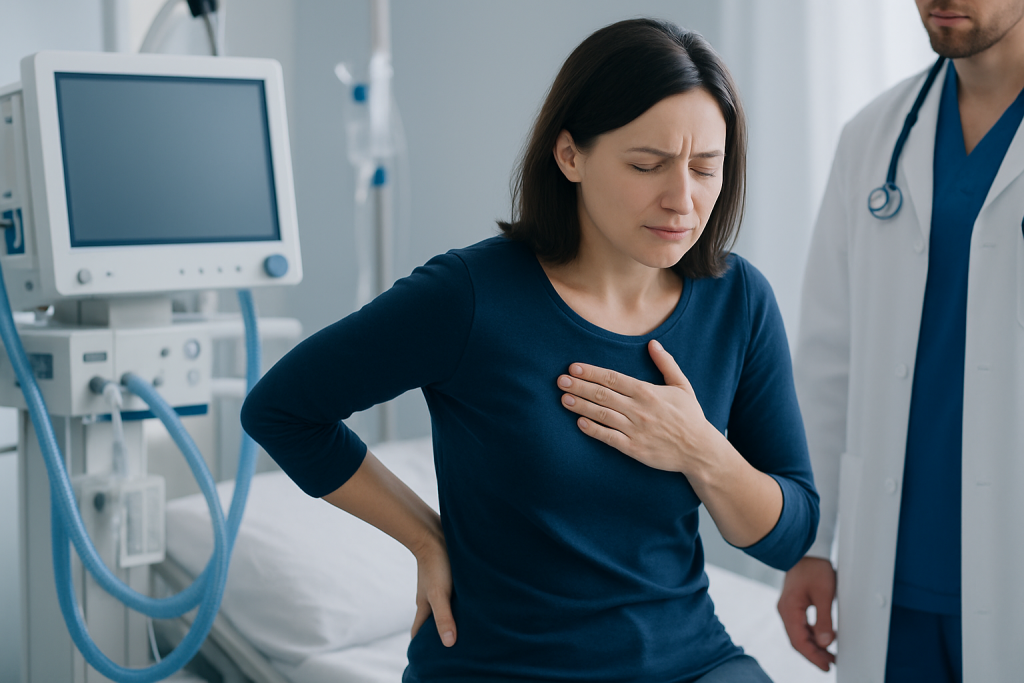
People use many descriptions for aching lungs and back: dull ache, sharp stabbing pain, tightness, burning, soreness between the shoulder blades, or pain under one shoulder. The discomfort may appear on one side or both sides. It may come and go, or it may be noticeable only when taking a deep breath, coughing, laughing, or twisting the upper body.
Associated symptoms help narrow the cause. For example, cough, fever, chills, mucus, or fatigue can occur with respiratory infections such as bronchitis or pneumonia. Wheezing, chest tightness, and variable shortness of breath may occur with asthma. Sudden breathlessness, fast heart rate, dizziness, or coughing blood are more urgent warning signs.
Back-predominant symptoms can also be important. Pain that follows lifting, prolonged sitting, poor workstation setup, or athletic strain may be due to the muscles or joints of the chest and spine. Numbness, tingling, or pain radiating around the chest can point toward nerve irritation coming from the spine rather than the lungs.
- Sharp pain with deep breathing
- Ache between the shoulder blades
- Pain with coughing or sneezing
- Chest tightness or heaviness
- Shortness of breath
- Fever, cough, or mucus production
Common causes supported by medical evidence

One of the most common explanations is musculoskeletal pain. Coughing, heavy lifting, exercise, poor posture, or sleeping awkwardly can strain the intercostal muscles between the ribs or the upper back muscles. Costochondritis, an inflammation where the ribs meet the breastbone, can also create chest pain that is sometimes felt in the back.
Respiratory infections are another frequent cause. Viral illnesses, acute bronchitis, and pneumonia can lead to chest discomfort from coughing, inflamed airways, or irritation of the pleura. Pleurisy, which means inflammation of the pleural lining, classically causes sharp pain that worsens when breathing in. In some cases, fluid around the lungs can develop and make breathing uncomfortable.
Other causes deserve careful consideration because they may require urgent treatment. A pulmonary embolism, or blood clot in the lung, can cause sudden chest or back pain with shortness of breath. A collapsed lung can produce abrupt one-sided pain. Some heart conditions, including reduced blood flow to the heart, can sometimes be felt as chest pressure with pain spreading to the back, jaw, or arm. Digestive problems such as acid reflux or gallbladder disease may also sometimes be perceived as chest or upper back pain.
Less common but possible causes include autoimmune inflammation, shingles, rib injury, spine arthritis, or lung conditions such as chronic airway disease. In smokers and older adults, persistent chest or back symptoms may prompt evaluation for more serious disease, including lung cancer, especially if there is unexplained weight loss, coughing blood, or a lasting change in cough.
What increases the risk
Risk factors depend on the underlying condition. Respiratory infections are more likely during seasonal virus circulation, in people with chronic lung disease, weakened immunity, or smoking exposure. Asthma and chronic bronchitis can make chest symptoms more frequent because inflamed airways are more reactive. Long periods of coughing can also strain the muscles of the chest and upper back.
Musculoskeletal pain is more likely with desk work, repetitive overhead activity, intense exercise, poor posture, and stress-related muscle tension. People who have osteoporosis or who have had recent trauma may be more prone to rib or vertebral injury. Sedentary habits can contribute to stiffness in the thoracic spine and chest wall.
For urgent causes, the risk profile is different. Blood clots are more likely after recent surgery, prolonged immobility, long-distance travel, pregnancy, some cancers, or a prior clotting history. Heart-related causes become more likely with age, diabetes, high blood pressure, high cholesterol, and smoking. Doctors use this context together with symptoms to judge how urgently tests are needed.
How doctors diagnose the cause
Diagnosis begins with a focused history and physical examination. A doctor will usually ask where the pain is felt, how long it has been present, whether it changes with breathing or movement, and what symptoms came before it. Questions about cough, fever, recent illness, injuries, travel, smoking, medications, and past heart or lung disease are especially relevant.
The physical exam may include listening to the lungs and heart, checking oxygen level, temperature, pulse, and blood pressure, and gently pressing on the chest and back to look for tenderness. Pain reproduced by pressing on muscles or ribs often points toward a chest wall source, although this does not rule out every internal cause.
Testing is selected according to the suspected problem. A chest X-ray may help detect pneumonia, fluid, or a collapsed lung. Blood tests may check for infection or inflammation. An electrocardiogram can help assess heart rhythm or signs of cardiac strain. In some cases, chest CT, ultrasound, or a scan to look for blood clots is needed. If a chronic airway condition is suspected, doctors may use breathing tests or discuss bronchoscopy when a closer look at the airways is appropriate.
Treatment options and symptom relief
Treatment depends entirely on the cause. When the pain is due to muscle strain or chest wall irritation, rest, gentle movement, heat or ice, posture correction, and doctor-approved pain relief may be enough. Avoiding heavy lifting for a short period can help the tissues recover. If coughing is driving the pain, treating the cough and staying hydrated can reduce strain on the chest and back.
If infection is present, treatment may involve supportive care for viral illness or antibiotics when bacterial pneumonia is diagnosed. People with wheezing or airway inflammation may benefit from inhaled therapies as part of asthma treatment or management of related lung conditions. For persistent or severe lung symptoms, specialists may consider advanced evaluation and options used in pulmonology care.
Urgent causes are treated more intensively. A pulmonary embolism requires emergency assessment and usually blood-thinning treatment. A collapsed lung may need observation or a procedure. Pleural fluid, if significant, may need drainage. If tests suggest a heart condition, treatment focuses on restoring blood flow and controlling cardiac risk factors.
Because chest and back pain can overlap with many systems, self-treatment should stay general and cautious. It is reasonable to seek professional advice rather than assuming the pain is “just muscular” if symptoms are new, worsening, or associated with shortness of breath.
Prevention and self-care
Not every cause can be prevented, but several habits can lower the risk of common triggers. Avoiding smoking and secondhand smoke supports both lung and heart health. Keeping vaccinations up to date, including those recommended by a doctor, can reduce the risk of some respiratory infections. Hand hygiene and staying home when ill also help limit the spread of contagious infections.
For musculoskeletal causes, regular stretching, balanced strength training, and attention to posture can reduce strain on the chest and upper back. An ergonomic work setup, breaks from prolonged sitting, and gradual return to exercise after illness or injury are practical steps. People who have coughed for many days may also benefit from talking with a clinician before resuming intense workouts.
General self-care includes adequate fluids, sleep, and early evaluation of recurring breathing symptoms. People with known asthma or chronic lung disease should follow their management plan, use prescribed medicines correctly, and seek review if symptoms are changing. Persistent or unexplained pain should not be ignored simply because it feels similar to past muscle tension.
When to seek medical care
Prompt medical care is important if aching lungs and back comes with shortness of breath, chest pressure, fainting, blue lips, high fever, confusion, coughing blood, or sudden severe pain. Emergency assessment is also appropriate if symptoms start abruptly after travel, surgery, or prolonged immobility, or if there is concern about a heart or blood clot problem.
Non-urgent but timely medical review is sensible when pain lasts more than a few days, keeps returning, interrupts sleep, or is accompanied by persistent cough, wheezing, unexplained weight loss, or reduced exercise tolerance. New chest or back pain in someone with cancer, chronic lung disease, or significant smoking history should also be evaluated.
A careful assessment can provide reassurance when the cause is minor and ensure that more serious conditions are not missed. Near the end of the diagnostic pathway, some people benefit from multidisciplinary review. Acibadem International’s specialists in respiratory medicine, internal medicine, imaging, and related fields evaluate and treat international patients in JCI-accredited hospitals when symptoms require coordinated care.
Frequently asked questions
Can lungs themselves ache?
The lung tissue itself does not usually produce pain in the way muscles or skin do. What people describe as lung pain often comes from the pleura, chest wall, ribs, back muscles, or nearby structures.
Why does my upper back hurt when I breathe deeply?
Pain with deep breathing can happen when the pleura is inflamed, when chest wall muscles are strained, or when a rib or spinal joint is irritated. The pattern of pain and symptoms such as cough, fever, or shortness of breath help doctors determine the cause.
Is aching lungs and back always a sign of pneumonia?
No. Pneumonia is one possible cause, but many cases are due to muscle strain, pleurisy, bronchitis, posture-related pain, or rib irritation. Fever, cough, mucus, fatigue, and abnormal chest findings make infection more likely.
When is chest and back pain an emergency?
Emergency care is important if there is severe or sudden pain, significant shortness of breath, chest pressure, fainting, coughing blood, or bluish lips. These symptoms can occur with serious conditions such as pulmonary embolism, heart problems, or a collapsed lung.
How do doctors tell whether the pain is muscular or from the lungs?
Doctors use the history, exam, and sometimes imaging or blood tests. Pain that is tender to touch or clearly linked to movement is often musculoskeletal, while pain with fever, cough, abnormal oxygen levels, or breathing difficulty may suggest a lung-related cause.
What can be done at home for mild symptoms?
For mild symptoms, many people benefit from rest, hydration, gentle stretching, and avoiding activities that worsen the pain. However, home care is appropriate only when there are no warning signs such as breathlessness, fever, or worsening symptoms.
References
- American Lung Association
- Centers for Disease Control and Prevention
- National Heart, Lung, and Blood Institute
- American College of Chest Physicians
- Mayo Clinic
This article is for general information only and is not a substitute for professional medical advice. Please consult a qualified doctor about your individual situation.
Joint and spine care in Turkey — expert assessment & treatment
JCI-accredited · board-certified surgeons · reply within 24h
Check your numbers in seconds
BMI, calories, due date, blood pressure and 30+ more clinical calculators — free, instant, doctor-reviewed ranges.