Cholecystostomy: A Complete Medical Overview

Cholecystostomy drains the gallbladder through a tube, usually placed through the skin with imaging guidance. It is commonly used for acute cholecystitis in people who are too unwell for immediate gallbladder surgery.
Key Takeaways
- Cholecystostomy drains the gallbladder through a tube, usually placed through the skin with imaging guidance.
- It is commonly used for acute cholecystitis in people who are too unwell for immediate gallbladder surgery.
- The procedure often relieves pain, fever, and infection while antibiotics and supportive care continue.
- A cholecystostomy may be temporary, with later tube removal or planned gallbladder surgery depending on recovery.
- Ongoing tube care and medical follow-up are important to reduce complications and confirm healing.
Cholecystostomy is a procedure used to drain the gallbladder, most often when acute inflammation or infection makes immediate surgery too risky. It can quickly reduce pressure, relieve symptoms, and help stabilize a person while doctors treat the underlying cause and plan next steps.
What cholecystostomy is and why it is done
Cholecystostomy is a procedure that drains bile and infected or inflamed fluid from the gallbladder using a small tube. In most cases, it is performed through the skin as a percutaneous cholecystostomy, guided by ultrasound or CT imaging. Doctors usually consider it when the gallbladder is badly inflamed and a person is too ill, frail, or medically unstable for immediate surgery.
The procedure is most often used for acute cholecystitis, which is inflammation of the gallbladder, usually caused by gallstones blocking bile flow. When pressure builds up inside the gallbladder, it can cause severe pain, fever, nausea, and infection. Cholecystostomy helps by decompressing the gallbladder and allowing inflammation to settle while the person receives antibiotics, fluids, and monitoring.
Unlike gallbladder removal, cholecystostomy does not remove the source of the problem. Instead, it is often a bridging treatment or a supportive option for people at high surgical risk. In some cases, once the person has recovered and the infection has resolved, doctors may later recommend gallbladder surgery to prevent future attacks.
When doctors may recommend it
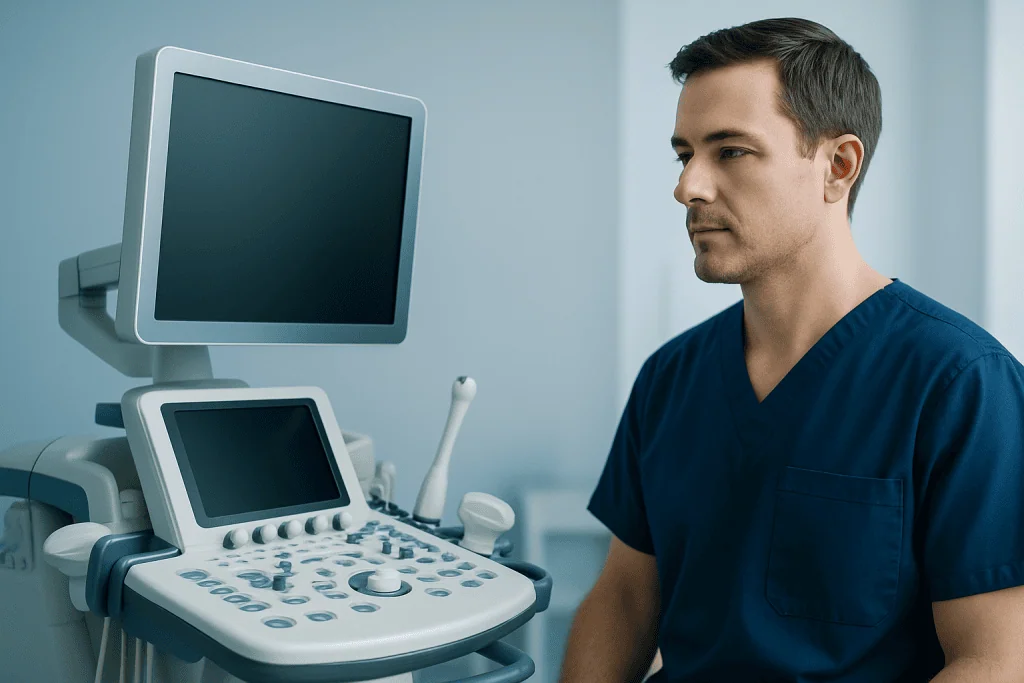
Cholecystostomy is not usually the first choice for otherwise healthy people with gallbladder inflammation, because many can safely have prompt surgery. It becomes especially useful when urgent surgery could carry a higher risk than benefit. This may include older adults, people in intensive care, or those with heart, lung, kidney, or other serious medical problems.
Doctors may also recommend it if a person has sepsis, low blood pressure, significant infection, or imaging findings that suggest a tense, swollen, or infected gallbladder. It can be considered when symptoms do not improve with antibiotics alone, or when surgery needs to be delayed until the person is stronger.
Common situations where cholecystostomy may be discussed include:
- Acute gallbladder inflammation with severe pain and fever
- High risk from general anesthesia or emergency surgery
- Serious infection related to the gallbladder
- Critical illness or multiple chronic conditions
- Need for temporary drainage before a later operation
Because gallbladder symptoms can overlap with other digestive problems, doctors also assess for conditions such as gallstones or other causes of upper abdominal pain before deciding on the most appropriate treatment plan.
How the procedure is performed
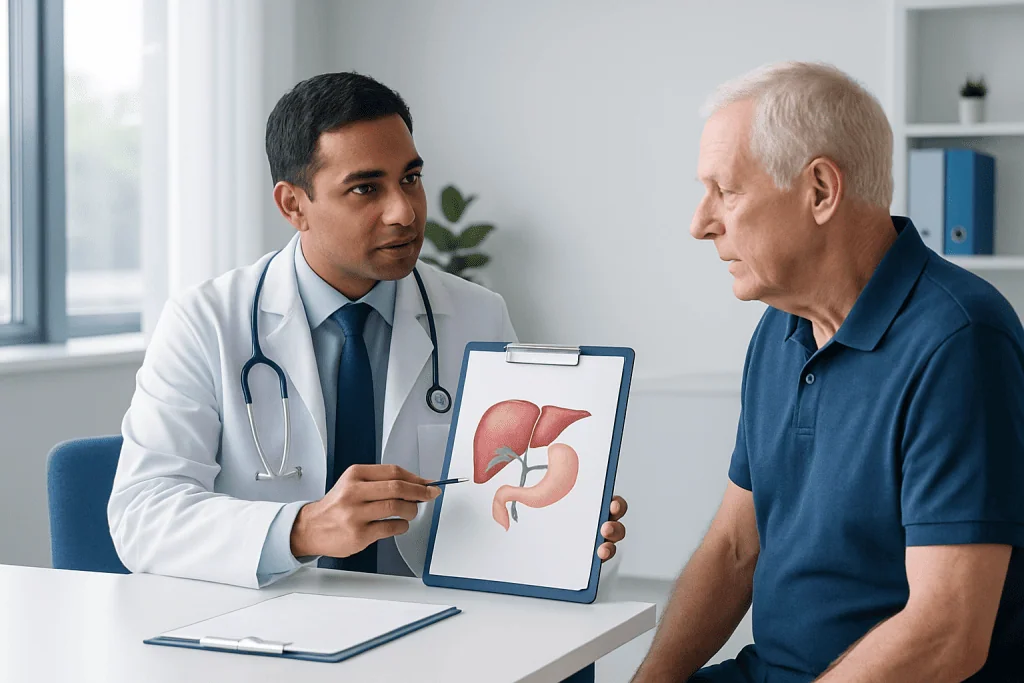
Most cholecystostomy procedures are performed by an interventional radiologist. Before the procedure, the medical team reviews blood tests, imaging scans, medicines, and any bleeding risks. The person is usually asked not to eat for a period beforehand. Sedation and local anesthetic are commonly used, so the area is numbed and the patient is kept as comfortable as possible.
Using ultrasound or CT guidance, the doctor inserts a thin needle through the abdominal wall into the gallbladder. A guidewire is placed, and then a drainage catheter is advanced into position. The tube allows bile and infected fluid to leave the gallbladder and drain into a collection bag outside the body. In some cases, a sample of bile is sent for laboratory testing to help guide antibiotic treatment.
After placement, the tube is secured to the skin and checked to confirm that it is draining properly. The patient is then monitored for pain, bleeding, fever, and improvement in symptoms. Imaging may be repeated later to assess the gallbladder and tube position. If doctors need a detailed view of the bile ducts or nearby structures, they may also use MRI or other imaging tests as part of the broader evaluation.
Benefits, limitations, and possible risks
The main benefit of cholecystostomy is that it can quickly reduce gallbladder pressure and help control infection in people who may not tolerate surgery well. Many patients begin to feel better within a short time as pain eases, fever improves, and inflammation starts to settle. It can be an important stabilizing step during a serious illness.
At the same time, cholecystostomy is not the same as curing the underlying cause. If gallstones are present, they remain unless the gallbladder is later removed or managed in another way. Some people may do well with drainage alone, especially if surgery remains unsafe, but others may have recurrent symptoms once the tube is removed.
Possible risks and complications can include:
- Bleeding
- Infection at the tube site
- Leakage of bile
- Tube blockage, dislodgement, or poor drainage
- Pain or discomfort around the insertion site
- Injury to nearby organs, though this is uncommon
Doctors weigh these risks against the risks of untreated gallbladder infection or emergency surgery. In carefully selected patients, the procedure is often a practical and effective way to gain control of the condition while a safer long-term plan is made.
Recovery and living with a cholecystostomy tube
Recovery depends on the reason for the procedure, the person’s overall health, and how severe the infection or inflammation was beforehand. Many people stay in hospital for observation, antibiotics, pain control, and fluid support. The care team watches for falling fever, improved blood tests, less abdominal pain, and steady tube drainage.
Living with a cholecystostomy tube requires practical care. The insertion site should be kept clean and dry, and the drainage bag usually needs regular emptying and measurement. The healthcare team explains how to avoid pulling on the tube, what drainage changes to watch for, and when to contact a doctor. Follow-up visits are important because the tube may need flushing, repositioning, imaging review, or eventual removal.
In some patients, the tube stays in place only until inflammation has resolved and the gallbladder can drain normally. In others, doctors may plan definitive treatment later, especially if gallstones continue to cause problems. Depending on the clinical situation, further assessment may involve gastroenterology care or consultation with surgeons and interventional specialists.
What happens after drainage: next-step treatment planning
One of the most important parts of cholecystostomy care is deciding what should happen after the person improves. For some, the tube is a temporary measure until they are fit enough for gallbladder removal. For others, especially those with major long-term health issues, ongoing non-surgical management may be more appropriate. The decision depends on symptoms, imaging results, recurrence risk, and overall health status.
Doctors may perform a tube study or follow-up imaging before removal to confirm that drainage pathways are open and that the gallbladder inflammation has settled. If symptoms return, or if there are signs of persistent blockage, further evaluation is needed. Sometimes the wider biliary system must also be assessed if there is concern about stones moving into the bile duct.
Long-term planning can include diet guidance, medication review, management of infections, and monitoring for repeat attacks. When underlying digestive symptoms need broader evaluation, specialists may also assess related conditions such as cholecystitis and other hepatobiliary disorders. Near the end of a patient’s treatment journey, centers such as Acibadem International can coordinate multidisciplinary evaluation and care through JCI-accredited hospitals for international patients.
When to seek medical care
Medical attention is important for symptoms that may suggest gallbladder inflammation or infection. A person should contact a doctor promptly for persistent pain in the upper right abdomen, fever, vomiting, jaundice, or worsening weakness. These symptoms can have several causes, but they should not be ignored.
Anyone who already has a cholecystostomy tube should seek medical advice if the tube stops draining, falls out, leaks significantly, or if there is increasing redness, swelling, bleeding, or pus around the site. Fever, chills, worsening abdominal pain, confusion, or new yellowing of the skin or eyes can also signal a complication or a continuing blockage.
Emergency care may be needed if symptoms are severe, especially with trouble breathing, fainting, very low blood pressure, or signs of sepsis. Early medical assessment helps doctors confirm the diagnosis, start treatment quickly, and decide whether drainage, surgery, or another approach is the safest option.
Frequently asked questions
Is cholecystostomy the same as gallbladder removal?
No. Cholecystostomy drains the gallbladder with a tube, while gallbladder removal is an operation that removes the organ. Cholecystostomy is often used when immediate surgery is considered too risky or needs to be delayed.
How long does a cholecystostomy tube stay in place?
The length of time varies depending on recovery, the cause of the problem, and whether the gallbladder is draining well again. Some people need the tube for only a short period, while others may need it longer. The decision is based on symptoms, follow-up imaging, and the overall treatment plan.
Is cholecystostomy painful?
The procedure is usually done with local anesthetic and sedation to reduce discomfort. Some soreness around the insertion site is common afterward, but this is often manageable with routine pain relief and careful tube care. Severe or worsening pain should be reported to a doctor.
Can a person eat normally after cholecystostomy?
Diet advice depends on the person’s condition and how quickly symptoms improve. Many people start with a gradual return to eating as tolerated, often with lighter, lower-fat meals at first. The care team gives individualized guidance based on recovery and other digestive issues.
Does cholecystostomy cure gallstones?
No. If gallstones caused the blockage, the stones usually remain unless treated separately. Cholecystostomy helps relieve inflammation and infection, but some people may still need further treatment to prevent future attacks.
What are signs that the tube may have a problem?
Possible warning signs include little or no drainage, sudden leakage, accidental tube movement, increasing redness at the skin site, fever, or worsening abdominal pain. Any of these changes should be discussed with a healthcare professional promptly. Quick assessment can help prevent more serious complications.
References
- National Institute of Diabetes and Digestive and Kidney Diseases
- American College of Radiology
- Society of Interventional Radiology
- American College of Gastroenterology
- World Society of Emergency Surgery
This article is for general information only and is not a substitute for professional medical advice. Please consult a qualified doctor about your individual situation.
Explore treatments in Turkey — costs, top hospitals & a free quote
JCI-accredited · board-certified surgeons · reply within 24h
Check your numbers in seconds
BMI, calories, due date, blood pressure and 30+ more clinical calculators — free, instant, doctor-reviewed ranges.