Women’s Feminine Pads: A Complete Medical Overview

Women's feminine pads come in different sizes, absorbencies, and materials for light to heavy flow. Changing pads regularly helps protect the skin and lowers the risk of irritation and unpleasant odor.
Key Takeaways
- Women's feminine pads come in different sizes, absorbencies, and materials for light to heavy flow.
- Changing pads regularly helps protect the skin and lowers the risk of irritation and unpleasant odor.
- Pads do not treat underlying gynecologic problems; unusual bleeding, pain, rash, or discharge should be assessed by a clinician.
- Fragrances, dyes, trapped moisture, and friction can trigger vulvar skin irritation in some users.
- Choosing breathable products and maintaining gentle vulvar hygiene can improve comfort during menstruation.
Women's feminine pads are absorbent products worn in underwear to manage menstrual bleeding, light spotting, or postpartum discharge. The safest choice is usually the one that matches a person’s flow, feels comfortable on the skin, and is changed regularly to reduce moisture, odor, and irritation.
Overview: what women's feminine pads are and how they work
Women’s feminine pads are external absorbent products designed to collect menstrual blood after it leaves the body. They attach to underwear and are available in a wide range of lengths, thicknesses, and absorbency levels. Many people use them during regular periods, after childbirth, after some gynecologic procedures, or for light breakthrough bleeding.
Because pads are worn outside the body, they are often preferred by people who do not want internal menstrual products or who need an option that is easy to monitor. Pads can be helpful for adolescents learning their cycle, for those with vaginal tenderness, and for anyone who wants a simple way to track how heavy bleeding is over time.
From a medical perspective, pads are generally safe when used as directed. The main health concerns relate less to the product itself and more to fit, prolonged moisture, friction, sensitivity to ingredients, and overlooking symptoms such as very heavy bleeding, pelvic pain, or abnormal discharge that may need evaluation.
Types of pads and how to choose the right one
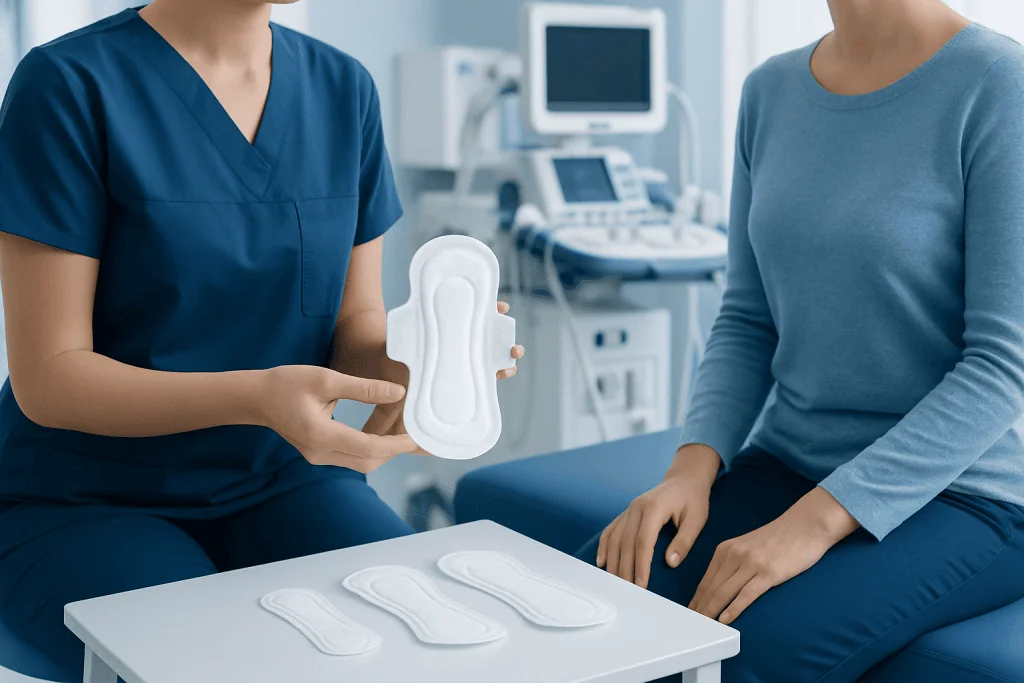
Pads differ in absorbency, shape, surface texture, and backing. Common options include panty liners for light spotting, regular or daytime pads for average flow, super or maxi pads for heavier bleeding, and overnight pads that are longer for sleep. Some include wings that fold around the underwear to help keep the pad in place and reduce side leakage.
The best pad is the one that suits a person’s flow and daily activities without causing rubbing or a damp feeling. A pad that is too small may leak and require frequent changes, while one that is too bulky may increase friction or feel uncomfortable during walking, exercise, or sleep. If skin is sensitive, fragrance-free and dye-free products are often a reasonable place to start.
Choice can also depend on life stage and health needs. For example, postpartum bleeding often requires larger maternity-style pads, while light cycle days may only need a liner. People with ongoing heavy periods should not rely only on higher-absorbency products to cope; they may need a medical review for causes such as uterine fibroids or hormone-related bleeding patterns.
- Light spotting: panty liner or light pad
- Average daytime flow: regular pad
- Heavy flow: super or maxi pad
- Nighttime: longer overnight pad with wider back coverage
- Sensitive skin: unscented, breathable, soft-top products
Skin comfort, hygiene, and common irritation issues
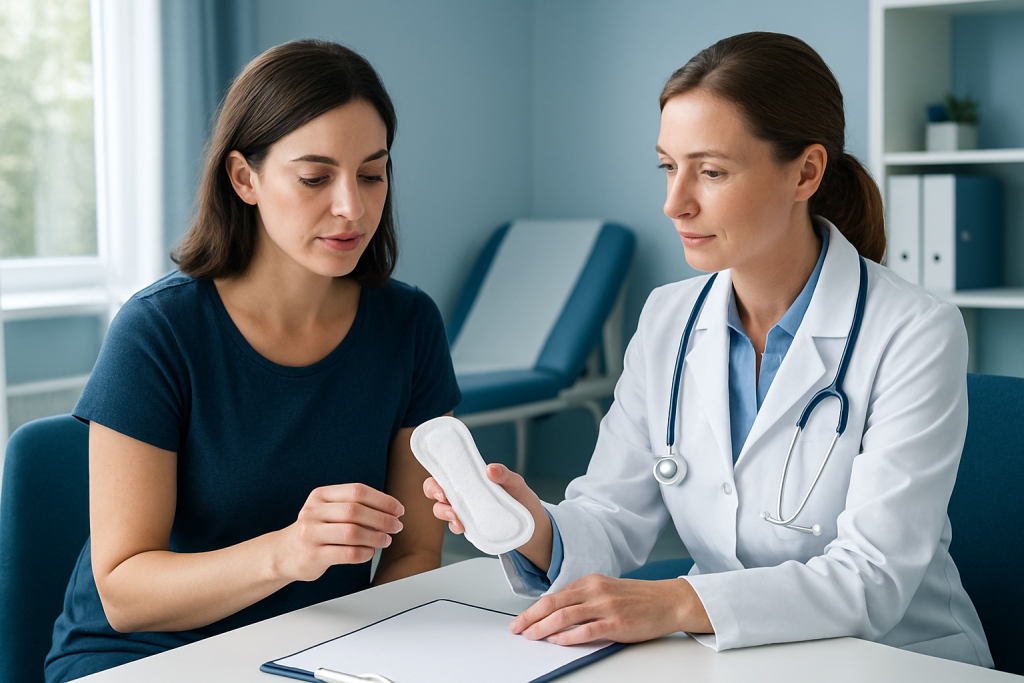
The vulvar skin is delicate and can become irritated when exposed to moisture, friction, heat, or certain product ingredients. Pads may sometimes contribute to itching, redness, burning, or a rash, especially during hot weather, exercise, or long wear. Fragrances, adhesives, dyes, and plastic-like backing can be triggers for some users, though not everyone is affected.
Good period hygiene is usually simple: change the pad often enough to stay dry and comfortable, wash the external genital area gently with water or a mild cleanser if needed, and avoid scrubbing. Strong soaps, intimate sprays, douches, and scented wipes are not necessary and may worsen irritation by disrupting the skin barrier or normal vaginal environment.
If symptoms include a raw rash, swelling, painful skin cracks, unusual discharge, or persistent itching, the problem may not be caused by the pad alone. Conditions such as contact dermatitis, fungal infection, bacterial vaginosis, or vulvar eczema can look similar and may need professional assessment. In some cases, evaluation by specialists in gynecology or dermatology is helpful to identify the true cause and guide treatment.
What pads can and cannot tell you about menstrual health
Pads can provide useful clues about a menstrual cycle because the amount of bleeding can be observed directly. Soaking through pads very quickly, passing large clots, or needing both a pad and another product for several hours may suggest heavy menstrual bleeding. Repeated cycle changes, bleeding between periods, or bleeding after sex are also important signs to note.
At the same time, pads are only a tool for managing bleeding; they do not diagnose a condition. Heavy periods may be linked to pregnancy-related issues, hormonal imbalance, thyroid disease, bleeding disorders, adenomyosis, polyps, or endometriosis. Menstrual pain severe enough to interrupt daily life also deserves attention rather than being accepted as normal without discussion.
Keeping a simple record of pad changes, clots, pain, and cycle length can help a doctor understand symptoms more accurately. This can be especially useful for teenagers with very heavy periods, adults whose bleeding has recently changed, and people nearing menopause who develop new irregular bleeding.
Medical evaluation: when symptoms need assessment
A doctor may ask about cycle timing, flow pattern, pain, sexual and reproductive history, medicines, and any skin products used in the vulvar area. Examination is guided by age and symptoms. For skin irritation, the focus may be the external genital area. For abnormal bleeding, the evaluation may include a pelvic exam when appropriate, blood tests, and imaging such as ultrasound to look for structural causes.
Laboratory testing may be used to check for anemia, infection, pregnancy, or hormone-related issues. If discharge, itching, or odor is present, a clinician may evaluate for vaginitis or sexually transmitted infections rather than assuming the pad is responsible. If pain or abnormal bleeding persists, further gynecologic review may be needed.
In selected cases, additional imaging or procedures help clarify the diagnosis. Depending on symptoms, doctors may recommend pelvic ultrasound, hysteroscopy, or a broader review of pelvic pain causes. The goal is not just symptom control, but understanding whether there is a treatable reason behind bleeding, irritation, or discomfort.
Treatment and practical solutions for pad-related problems
Treatment depends on the underlying issue. If a person has mild chafing or suspected sensitivity, practical steps often help first: switch to unscented pads, choose a different top layer or shape, change pads more frequently, wear breathable cotton underwear, and avoid tight clothing that traps moisture. A clinician may suggest a gentle barrier cream for external skin, but it is best to use this under medical guidance if symptoms are significant or recurrent.
If symptoms are caused by infection or an inflammatory skin condition, treatment may include medications rather than changes in menstrual products alone. For example, vulvar dermatitis may need a prescribed topical treatment, while abnormal discharge may need testing and targeted therapy. Persistent pelvic pain, heavy bleeding, or bleeding between periods may call for gynecologic treatment rather than product changes.
When menstrual flow is very heavy or linked to a structural condition, management may include hormonal medicines, nonhormonal treatment, or procedures. In some situations, specialists may discuss options such as hysteroscopy to investigate bleeding or address an intrauterine cause. Near the end of the care pathway, if advanced assessment is needed, Acibadem International’s multidisciplinary specialists and JCI-accredited hospitals also evaluate and treat gynecologic conditions for international patients.
Prevention and self-care for safer, more comfortable pad use
Comfort and skin protection usually improve with a few simple habits. Pads should be changed regularly based on flow, activity level, and comfort rather than waiting until they feel saturated. Washing hands before and after changing a pad is sensible hygiene. Used pads should be wrapped and discarded according to local household waste guidance.
People who are prone to irritation may benefit from keeping the vulvar area cool and dry when possible, changing out of sweaty clothing, and choosing underwear that allows airflow. Unscented products are often better tolerated than fragranced ones, especially during long wear. If one brand repeatedly causes burning or itching, trying a different material or design may help.
It is also important to pay attention to patterns. New irritation every cycle, worsening cramps, or a sudden increase in pad use should not be ignored. Self-care can improve comfort, but it should not delay evaluation if symptoms suggest infection, anemia, severe bleeding, or another gynecologic problem.
When to seek medical care
Medical care should be sought if bleeding is much heavier than usual, if a person feels dizzy or faint, or if there are signs of anemia such as unusual fatigue, shortness of breath, or paleness. Care is also important for bleeding after menopause, bleeding during pregnancy, or new bleeding between periods.
Prompt assessment is recommended for severe pelvic pain, fever, foul-smelling discharge, genital sores, or a rash that is intense, spreading, or not improving after changing products. It is also wise to seek advice if itching, burning, or swelling keeps returning with pad use, since allergies, dermatitis, infection, and other vulvar conditions can overlap.
Anyone unsure whether symptoms are related to a pad or to a medical condition should consult a qualified clinician. Early evaluation can often reassure, identify simple solutions, and detect treatable causes of bleeding or irritation before they become more disruptive.
Frequently asked questions
How often should women's feminine pads be changed?
Pads should be changed often enough to stay dry and comfortable, with timing depending on flow, sweating, and activity. Heavier flow usually means more frequent changes. Leaving a pad on for too long can increase moisture, odor, and skin irritation.
Can women's feminine pads cause rashes or itching?
Yes, some people develop irritation from friction, trapped moisture, fragrances, dyes, or adhesive materials. Mild symptoms may improve after switching to unscented pads and changing them more often. Persistent rash, swelling, pain, or unusual discharge should be checked by a clinician.
Are scented pads better for odor control?
Not necessarily. Fragranced products can irritate sensitive vulvar skin and do not address the cause of odor if infection or prolonged moisture is present. A better approach is regular pad changes, gentle cleansing of the external area, and medical evaluation if odor is new or strong.
Is it normal to soak through pads quickly during a period?
Very heavy bleeding is not something a person should simply manage by using bigger pads. If pads are being soaked unusually fast, especially with clots, fatigue, dizziness, or severe pain, medical advice is recommended. Heavy periods can have several treatable causes.
Can pads be used for vaginal discharge or light bladder leakage?
Panty liners are sometimes used for light spotting or discharge, but regular menstrual pads are designed mainly for blood absorption. Products made for urine leakage are often different in structure and odor control. Ongoing discharge or leakage should be discussed with a doctor to identify the cause.
What is the best pad choice for sensitive skin?
Many people with sensitive skin do better with unscented, dye-free, breathable pads that fit well and do not rub. Soft surfaces and changing pads before they become damp can also help. If irritation keeps recurring despite product changes, a medical assessment is important.
References
- American College of Obstetricians and Gynecologists
- Centers for Disease Control and Prevention
- National Health Service
- Office on Women's Health
- World Health Organization
This article is for general information only and is not a substitute for professional medical advice. Please consult a qualified doctor about your individual situation.
Explore treatments in Turkey — costs, top hospitals & a free quote
JCI-accredited · board-certified surgeons · reply within 24h