Pinched Nerve in Hip — Explained by Medical Evidence, Not Myths

A pinched nerve in hip is often related to nerve irritation in the lower back, buttock, or pelvis rather than the hip joint alone. Symptoms may include burning pain, tingling, numbness, or weakness that can spread into the thigh or leg.
Key Takeaways
- A pinched nerve in hip is often related to nerve irritation in the lower back, buttock, or pelvis rather than the hip joint alone.
- Symptoms may include burning pain, tingling, numbness, or weakness that can spread into the thigh or leg.
- Diagnosis is based on medical history, physical examination, and sometimes imaging or nerve tests.
- Many cases improve with activity changes, physical therapy, and treatment of the underlying cause.
- Urgent medical assessment is needed if symptoms include severe weakness, loss of bladder or bowel control, or rapidly worsening pain.
A pinched nerve in hip usually means a nerve is being irritated or compressed near the hip, buttock, pelvis, or lower spine. It can cause pain, tingling, numbness, or weakness, and treatment depends on the exact nerve involved and the reason it is under pressure.
What a Pinched Nerve in Hip Really Means
A pinched nerve in hip is not a single disease. It is a practical term people use when pain, tingling, numbness, or weakness seems to come from the hip area because a nerve is irritated, inflamed, or compressed. In many cases, the problem is not inside the hip joint itself but along the path of a nerve in the lower back, buttock, pelvis, or upper thigh.
This matters because different nerves create different symptom patterns. For example, irritation of the sciatic nerve can cause pain that starts in the buttock and travels down the back of the leg, while compression of other nerves may cause numbness over the outer thigh or discomfort in the groin. A careful evaluation helps distinguish nerve-related pain from muscle strain, bursitis, arthritis, or other causes of hip pain.
Common medical explanations include lumbar radiculopathy, in which a nerve root is compressed in the spine, and local nerve entrapment around the pelvis or hip. Some people with symptoms first thought to be a pinched nerve may actually have conditions such as a herniated disc or sciatica. Understanding the source of pressure on the nerve is the key step toward effective treatment.
Symptoms and How They May Feel
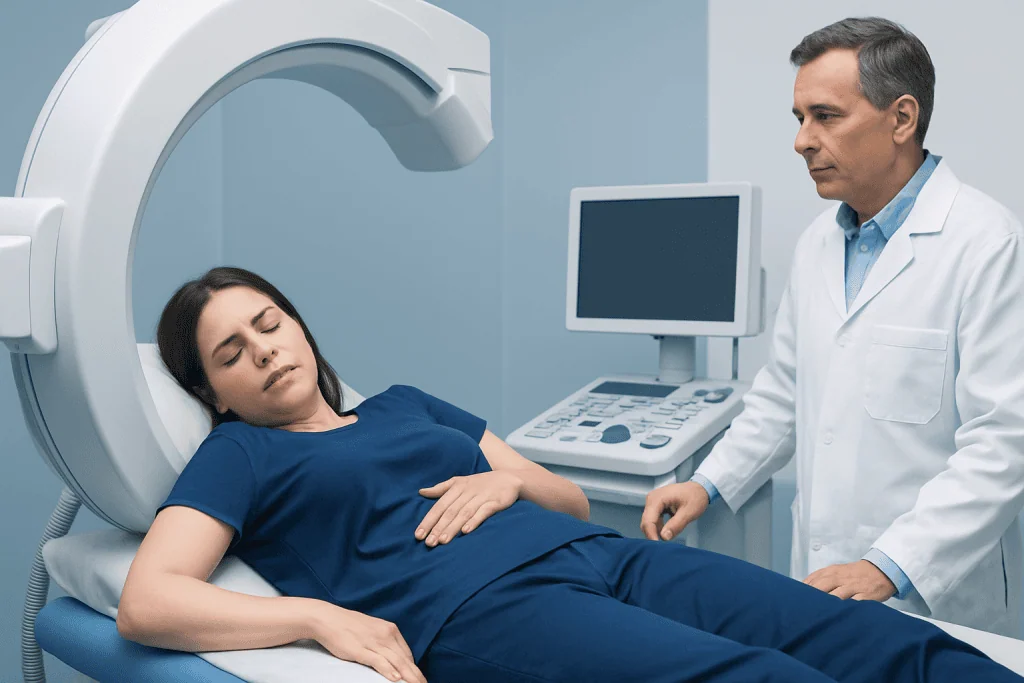
Symptoms of a pinched nerve in hip can vary from mild irritation to pain that interferes with walking, sitting, sleep, or exercise. People often describe a sharp, burning, shooting, or electric-type pain. Others notice tingling, pins-and-needles, numbness, or a sense that the leg does not respond normally.
The exact location can offer clues. Pain in the buttock that radiates down the leg may suggest irritation of the sciatic nerve or a nerve root in the lower spine. Numbness or burning on the outer thigh can occur with lateral femoral cutaneous nerve compression, sometimes called meralgia paresthetica. Groin or front-of-thigh symptoms may point to other nerves or to non-nerve causes involving the hip joint.
Weakness is especially important to mention to a doctor. Difficulty climbing stairs, rising from a chair, standing on one leg, or lifting the front of the foot may mean that the nerve is affecting muscle control as well as sensation. Symptoms may worsen with prolonged sitting, bending, twisting, coughing, certain sports, tight belts or clothing, or sleeping in positions that put pressure on the area.
- Pain in the hip, buttock, groin, or upper thigh
- Pain that travels down one leg
- Tingling or numbness
- Burning or electric-shock sensations
- Muscle weakness or a heavy leg feeling
- Symptoms triggered by posture or repetitive movement
Common Causes and Risk Factors

A nerve can become pinched for several reasons. One of the most common is pressure on a nerve root in the lower spine from a disc problem, age-related spinal changes, or narrowing of the spaces where nerves exit. This is why a person may feel hip pain even when the true source is in the back. In other cases, the nerve is compressed farther along its course by inflamed tissues, tight muscles, swelling, scar tissue, or nearby structures.
Muscle imbalance and overuse can also contribute. Repetitive bending, lifting, running, cycling, or prolonged sitting may irritate tissues around a nerve. Injury from a fall, sports trauma, or sudden twisting can cause swelling that compresses a nerve temporarily. Pregnancy, obesity, and wearing tight waistbands may increase pressure on some pelvic or thigh nerves.
Less commonly, a pinched nerve sensation may be related to underlying medical problems such as diabetes-related nerve vulnerability, inflammatory disorders, or masses that press on a nerve. Because hip and leg pain have many possible causes, doctors also consider disorders such as arthritis, bursitis, tendon injury, or spinal alignment problems when symptoms do not follow a typical nerve pattern.
- Lower back disc disease or spinal narrowing
- Muscle tightness or deep gluteal irritation
- Overuse from work, sports, or long sitting
- Direct injury or swelling after trauma
- Pregnancy or increased abdominal pressure
- Tight clothing, belts, or equipment around the waist
How Doctors Diagnose the Cause
Diagnosis starts with a medical history and physical examination. A doctor will ask where the pain begins, where it travels, what movements trigger it, and whether there is numbness or weakness. They may test reflexes, muscle strength, walking pattern, range of motion, and how symptoms change with certain positions. This helps show whether the pain is likely from a nerve, the hip joint, surrounding muscles, or a combination.
Imaging is not always needed right away, especially if symptoms are mild and improving. However, tests may be recommended if pain is severe, lasts several weeks, follows a significant injury, or is associated with weakness or concerning neurologic symptoms. Depending on the suspected source, a doctor may use X-rays, MRI, ultrasound, or other imaging to look at the spine, hip, and soft tissues.
Sometimes nerve conduction studies or electromyography are used to evaluate how well nerves and muscles are functioning. Blood tests may be ordered if there is concern about inflammation, infection, or metabolic causes. If spinal nerve compression is suspected, assessment may lead to specialist spine treatment planning, although many patients improve without surgery.
Treatment Options Based on the Source of Compression
Treatment for a pinched nerve in hip depends on what is pressing on the nerve and how severe the symptoms are. Many people improve with conservative care. Early treatment often includes temporary activity modification, posture changes, avoiding prolonged pressure on the area, and guided exercises to reduce irritation while keeping the body mobile. Complete bed rest is usually not recommended unless a doctor advises it for a specific reason.
Physical therapy is commonly used to improve flexibility, core and hip strength, movement patterns, and nerve mobility. Depending on the cause, a doctor may also recommend pain-relieving or anti-inflammatory medicines, heat or ice, or targeted injections. If symptoms are linked to joint mechanics or surrounding soft tissues, rehabilitation can be especially helpful alongside physical therapy and rehabilitation.
If a structural problem is clearly compressing the nerve and symptoms do not improve, more advanced treatment may be considered. This can include image-guided procedures or surgery for selected cases, especially when there is persistent weakness or disabling pain. When the hip joint itself contributes to symptoms, further evaluation may sometimes involve orthopedic rehabilitation or consultation with teams experienced in hip treatment options if joint disease is present rather than a pure nerve problem.
Self-care, Recovery, and Prevention
Recovery time varies. A mild nerve irritation may settle within days to weeks, while symptoms caused by ongoing mechanical compression can last longer and may come and go. Gentle movement often helps more than staying still for long periods. Short walks, position changes, and exercises recommended by a clinician or physical therapist can support recovery without overloading the area.
Preventive habits focus on reducing repeated pressure on nerves and improving body mechanics. These include maintaining flexibility in the hips and lower back, strengthening core and gluteal muscles, using safe lifting technique, and taking breaks from long sitting or driving. People whose symptoms worsen with tight clothing, belts, or sports gear may benefit from loosening or changing these items.
Weight management, regular physical activity, and treatment of contributing conditions such as diabetes or spinal disorders may also reduce future episodes. It is best to return to exercise gradually. If pain increases sharply during activity, or if numbness and weakness appear, medical advice is sensible before continuing a demanding routine.
- Avoid positions that clearly trigger symptoms
- Take standing or walking breaks during long sitting
- Stretch and strengthen under professional guidance
- Use supportive posture at work and during sleep
- Return to sports and exercise gradually
When to Seek Medical Care
Medical care is appropriate if hip-area nerve symptoms are persistent, recurrent, or interfering with daily life. A doctor should assess symptoms that last more than a few weeks, wake a person from sleep, or do not improve with simple measures. Evaluation is also important when the diagnosis is uncertain, because pain near the hip can come from the spine, nerves, muscles, or the joint itself.
Urgent medical attention is needed if there is significant or worsening weakness, loss of balance, numbness in the groin or saddle area, fever with severe pain, or new bladder or bowel control problems. These signs can point to a more serious nerve or spinal problem and should not be ignored.
For international patients needing coordinated assessment, Acibadem International’s multidisciplinary specialists and JCI-accredited hospitals diagnose and treat spinal, neurologic, and orthopedic causes of hip-area nerve pain. A structured evaluation helps determine whether symptoms are due to local nerve entrapment, spinal compression, or another condition entirely.
Frequently asked questions
Can a pinched nerve really cause hip pain?
Yes. Nerves that travel through the lower back, pelvis, buttock, and upper thigh can create pain that feels like it is coming from the hip. This is why doctors look at the spine and nearby soft tissues as well as the hip joint.
How do I know if hip pain is a pinched nerve or arthritis?
Nerve pain is often burning, shooting, tingling, or numb and may travel down the leg. Arthritis more often causes joint stiffness, aching, and pain with movement or weight-bearing. A medical examination is the best way to tell the difference.
Will a pinched nerve in hip go away on its own?
Some mild cases improve with time, posture changes, and activity modification. However, symptoms that persist, return often, or include weakness should be assessed by a doctor so the cause is not missed.
What sleeping position is best for a pinched nerve in hip?
Many people feel better when they avoid sleeping directly on the painful side and keep the spine in a neutral position. Sleeping on the back or opposite side with pillow support may help, but the best position varies by the nerve involved.
Is walking good for a pinched nerve in hip?
Gentle walking is often helpful because it prevents stiffness and promotes circulation. The activity should stay within a comfortable range, and pain that clearly worsens with walking should be discussed with a clinician.
When is a pinched nerve in hip an emergency?
It needs urgent medical attention if there is rapidly worsening weakness, loss of bladder or bowel control, numbness around the groin, or severe pain with fever or major trauma. These symptoms can indicate a more serious condition requiring prompt evaluation.
References
- National Institute of Neurological Disorders and Stroke
- American Academy of Orthopaedic Surgeons
- National Institute of Arthritis and Musculoskeletal and Skin Diseases
- American Association of Neuromuscular & Electrodiagnostic Medicine
- Mayo Clinic
This article is for general information only and is not a substitute for professional medical advice. Please consult a qualified doctor about your individual situation.
Joint and spine care in Turkey — expert assessment & treatment
JCI-accredited · board-certified surgeons · reply within 24h