Hot Flashes in Men — Explained by Medical Evidence, Not Myths

Hot flashes in men are sudden feelings of heat, often with sweating, flushing, and sometimes palpitations. A drop in testosterone is a common reason, especially during androgen-deprivation therapy or with certain endocrine disorders.
Key Takeaways
- Hot flashes in men are sudden feelings of heat, often with sweating, flushing, and sometimes palpitations.
- A drop in testosterone is a common reason, especially during androgen-deprivation therapy or with certain endocrine disorders.
- Not every episode is hormonal; thyroid disease, infections, anxiety, medications, and other conditions can also contribute.
- Diagnosis usually depends on a medical history, physical examination, and selected blood tests rather than one single test.
- Treatment focuses on the underlying cause and may include hormone-related care, medication review, or lifestyle adjustments.
- Persistent, severe, or unexplained hot flashes should be assessed by a qualified doctor.
Hot flashes in men are real and medically recognized. They are most often linked to hormone changes, medication effects, or underlying health conditions, and evaluation can help identify the cause and guide treatment.
Overview: are hot flashes in men real?
Yes. Hot flashes in men are a genuine medical symptom, not a myth. They describe sudden episodes of warmth, usually felt in the face, neck, chest, or upper body, often followed by sweating, skin flushing, chills, or a sense of discomfort. In some men, they happen mainly at night and are experienced as night sweats.
Although hot flashes are widely associated with menopause, men can have similar symptoms for different biological reasons. The most common explanation is a change in sex hormone levels, especially a fall in testosterone or altered signaling between testosterone, estrogen, and the brain’s temperature-control center. This is why hot flashes are especially common in men receiving treatment that lowers testosterone.
Still, hormone changes are not the only cause. Infections, thyroid problems, some medicines, anxiety, alcohol, spicy foods, and other medical conditions can also trigger episodes. For that reason, the best approach is not to assume a cause, but to look at the full medical picture.
What hot flashes in men feel like
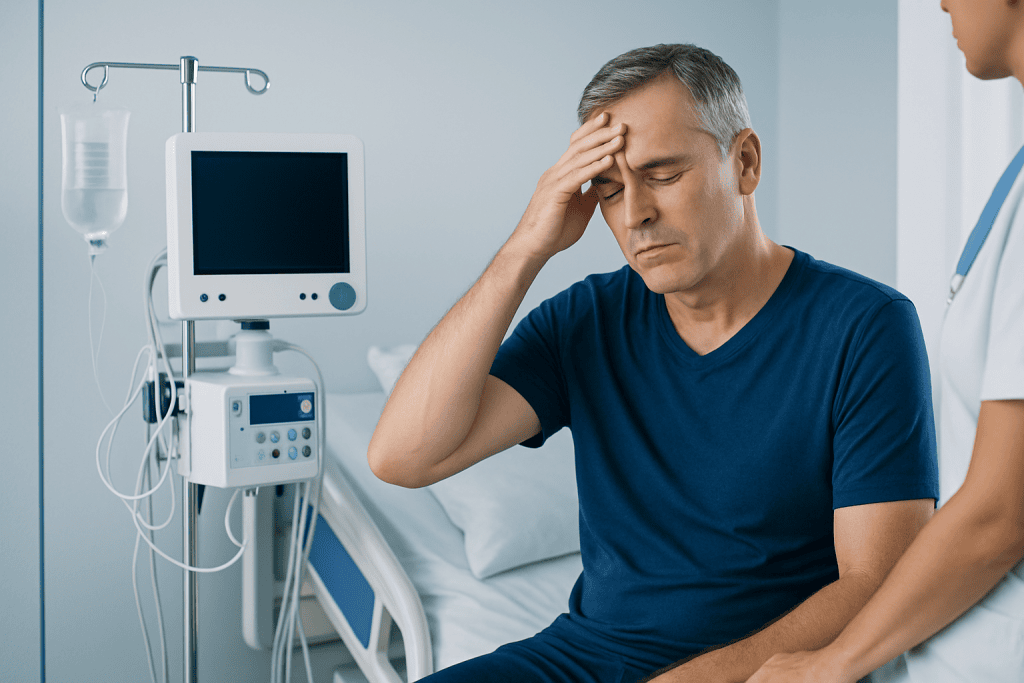
Hot flashes vary from person to person. A man may feel a wave of heat rising through the chest, neck, and face, with sweating, reddening of the skin, and a need to remove clothing or cool the room. Some episodes last less than a minute, while others continue for several minutes.
Common accompanying symptoms include a rapid heartbeat, restlessness, damp skin, and chills after the episode ends. When symptoms happen during sleep, they may interrupt rest and leave a person tired or irritable the next day. Recurrent night sweats can also reduce sleep quality over time.
Men sometimes describe hot flashes differently, using terms such as “internal heat,” “sudden sweating,” or “overheating for no reason.” Because these symptoms overlap with other conditions, doctors usually ask about timing, frequency, triggers, and any associated changes such as weight loss, fever, sexual symptoms, or mood changes.
- Sudden warmth in the face, neck, or upper body
- Sweating or night sweats
- Flushing or redness
- Palpitations or awareness of heartbeat
- Chills after the episode
- Sleep disturbance and fatigue
Causes and risk factors

The most established cause of hot flashes in men is a reduction in testosterone activity. This can happen naturally with aging in some men, but it is most strongly seen in those receiving androgen-deprivation therapy for prostate cancer. In that setting, hot flashes are common because the body’s hormonal balance changes quickly and significantly.
Other hormone-related causes include low testosterone due to pituitary disorders, testicular conditions, obesity-related hormonal changes, and some chronic illnesses. The thyroid gland can also play a role. An overactive thyroid may cause heat intolerance, sweating, tremor, and palpitations, which can resemble or worsen hot flashes. In some cases, doctors may investigate endocrine conditions such as thyroid disease if other symptoms suggest it.
Non-hormonal triggers are also important. These include certain antidepressants, opioids, and medicines that affect hormones; emotional stress or panic symptoms; alcohol; caffeine; and spicy foods. Fever, infection, and some neurological or autonomic conditions may also lead to episodes of sudden heat and sweating. Men with obesity, sleep problems, or chronic stress may notice symptoms more often because these factors can affect both temperature regulation and hormone balance.
Hot flashes may also be seen after some cancer treatments that alter hormone production or testicular function. When there is concern about a tumor or another structural cause affecting hormone regulation, doctors may use imaging and specialist assessment to clarify the diagnosis before recommending treatment.
How doctors diagnose the cause
There is no single test that confirms hot flashes in men. Diagnosis begins with a careful history. A doctor will usually ask when the episodes started, how often they occur, whether they are linked to sleep, meals, stress, alcohol, or medicines, and whether there are other symptoms such as reduced libido, erectile difficulties, fatigue, unexplained weight change, fever, or tremor.
A physical examination may focus on blood pressure, pulse, temperature, body weight, thyroid signs, testicular health, and general endocrine features. Blood tests are selected based on the likely cause. These may include testosterone levels, thyroid function tests, blood sugar, complete blood count, and other hormone studies when needed. If symptoms suggest low testosterone, evaluation may overlap with assessment for low testosterone.
Additional testing depends on the clinical context. A man with drenching night sweats, persistent fever, or weight loss may need evaluation for infection, inflammatory disease, or malignancy. Someone with flushing plus diarrhea or wheezing may need investigation for rarer causes of flushing. Imaging is not required for everyone, but it may be used when exam findings or blood tests point to an underlying condition.
The goal of diagnosis is not only to label the symptom, but to identify whether it is a benign trigger, a medication effect, or a sign of a condition that needs treatment. That is why self-diagnosis can be misleading when symptoms are frequent or unexplained.
Treatment options for hot flashes in men
Treatment depends on the cause. If a medicine appears to be triggering symptoms, a doctor may review whether it can be adjusted or changed safely. If an overactive thyroid, infection, or another medical condition is responsible, treating that problem often improves the hot flashes as well.
When symptoms are linked to confirmed hormone deficiency, treatment may involve specialist endocrine or urologic care. In selected men with documented low testosterone and appropriate medical evaluation, testosterone replacement therapy may be considered. This is not suitable for everyone, and decisions depend on the underlying cause, symptoms, age, fertility plans, and personal health risks.
For men whose hot flashes occur during treatment for prostate cancer, hormone replacement is generally not the answer because testosterone-lowering therapy is often medically necessary. In those situations, doctors may recommend non-hormonal medicines or supportive strategies to reduce symptom burden while maintaining cancer treatment goals. Men already being evaluated for prostate cancer or receiving prostate cancer treatment should discuss new hot flashes with their oncology team.
Supportive measures can help across many causes. Lighter clothing, layered bedding, cooler room temperatures, stress management, and avoiding personal triggers such as alcohol or spicy foods may reduce frequency or intensity. If symptoms are severe, persistent, or affecting sleep and daily life, follow-up is important so the treatment plan can be refined.
Self-care and ways to reduce triggers
Simple lifestyle measures can make episodes easier to manage. Keeping rooms cool, using breathable fabrics, and dressing in layers allow quick adjustment when a hot flash begins. Some men find that a fan at night, moisture-wicking sleepwear, or lighter bedding helps reduce disruption from night sweats.
Identifying triggers is often useful. A symptom diary can show whether episodes occur after alcohol, caffeine, hot drinks, stress, large meals, or spicy food. Avoiding triggers does not treat every cause, but it can reduce symptom frequency in daily life and provides helpful information during a medical visit.
General health habits also matter. Regular physical activity, a balanced diet, weight management, and good sleep routines support hormonal and metabolic health. Relaxation techniques such as paced breathing, mindfulness, or other stress-reduction practices may help men whose episodes are worsened by anxiety or tension.
These self-care steps should be seen as supportive rather than a substitute for diagnosis. If hot flashes are new, frequent, or unexplained, medical guidance remains important, especially when symptoms are accompanied by sexual changes, major fatigue, or other systemic signs.
When to seek medical care
Medical care is advisable when hot flashes in men are persistent, severe, or interfering with sleep, work, or quality of life. It is also reasonable to seek assessment when episodes begin without a clear trigger or are accompanied by symptoms that could suggest hormone imbalance, such as low libido, erectile problems, reduced muscle mass, or unusual tiredness.
Prompt medical attention is especially important if hot flashes occur with fever, unexplained weight loss, chest pain, fainting, marked palpitations, new swelling, or ongoing drenching night sweats. These features do not always indicate a serious condition, but they deserve professional evaluation. If symptoms suggest an endocrine problem, some men may benefit from specialist assessment and, when appropriate, endocrinology evaluation.
For international patients who need coordinated assessment, Acibadem International’s multidisciplinary specialists and JCI-accredited hospitals diagnose and treat hormone-related and general medical conditions linked to symptoms such as hot flashes in men.
Frequently asked questions
Can men really have hot flashes?
Yes. Men can experience hot flashes, usually as sudden warmth, sweating, flushing, or night sweats. They are often linked to hormone changes, medication effects, or underlying medical conditions.
Are hot flashes in men always caused by low testosterone?
No. Low testosterone is one important cause, but it is not the only one. Thyroid disease, anxiety, infections, alcohol, some medicines, and other health conditions can also trigger similar symptoms.
Do hot flashes in men mean there is a serious illness?
Not necessarily. Many cases are related to manageable causes such as medications, stress, or hormonal changes. However, persistent or unexplained symptoms should be checked by a doctor to rule out conditions that need treatment.
What is the difference between hot flashes and night sweats?
Hot flashes are sudden episodes of heat that may happen at any time of day. Night sweats are heavy sweating episodes during sleep, and they may be caused by hot flashes or by other medical issues such as infection or medication effects.
How are hot flashes in men treated?
Treatment depends on the cause. A doctor may review medications, test for hormone or thyroid problems, and recommend medical treatment or lifestyle changes based on the findings. There is no one treatment that fits every man.
Should a man with hot flashes have his testosterone checked?
In many cases, yes, especially if there are related symptoms such as low libido, erectile difficulties, fatigue, or reduced strength. Testosterone testing is usually interpreted together with symptoms, medical history, and sometimes additional hormone tests.
References
- National Institute on Aging
- American Urological Association
- Endocrine Society
- National Cancer Institute
- Mayo Clinic
This article is for general information only and is not a substitute for professional medical advice. Please consult a qualified doctor about your individual situation.
Explore treatments in Turkey — costs, top hospitals & a free quote
JCI-accredited · board-certified surgeons · reply within 24h
Check your numbers in seconds
BMI, calories, due date, blood pressure and 30+ more clinical calculators — free, instant, doctor-reviewed ranges.