Ulnar Nerve Glide: A Complete Medical Overview

An ulnar nerve glide is a controlled exercise intended to improve the nerve’s movement, not to stretch it forcefully. It may help with symptoms related to irritation or compression of the ulnar nerve, especially around the elbow.
Key Takeaways
- An ulnar nerve glide is a controlled exercise intended to improve the nerve’s movement, not to stretch it forcefully.
- It may help with symptoms related to irritation or compression of the ulnar nerve, especially around the elbow.
- Exercises should be gentle and should not increase numbness, weakness, or pain during or after practice.
- Persistent symptoms need medical assessment to confirm the cause and rule out more serious nerve problems.
- Treatment may also include activity changes, splinting, physical therapy, and, in some cases, surgery.
An ulnar nerve glide is a gentle movement exercise designed to help the ulnar nerve move more freely through the arm. It may be recommended for symptoms such as tingling in the ring and little fingers, but it should be done with proper guidance because not every cause of nerve pain is suitable for self-treatment.
Overview: What Is an Ulnar Nerve Glide?
An ulnar nerve glide is a specific movement exercise used to help the ulnar nerve move smoothly through the tissues of the neck, shoulder, arm, elbow, wrist, and hand. The ulnar nerve supplies feeling to the little finger and part of the ring finger, and it also helps control several small hand muscles. When this nerve becomes irritated or compressed, a clinician may recommend gentle gliding exercises as part of a broader treatment plan.
These exercises are sometimes called “nerve flossing” or “nerve mobilization.” The goal is not to stretch the nerve aggressively. Instead, the movement is carefully controlled so the nerve can slide relative to surrounding muscles, fascia, and joints. This may reduce mechanical irritation and improve comfort in some people.
An ulnar nerve glide is most often discussed in relation to compression at the elbow, including cubital tunnel syndrome. However, similar symptoms can also arise from the neck, shoulder region, wrist, or generalized nerve conditions. For that reason, an exercise that helps one person may not be right for another without a proper diagnosis.
How the Ulnar Nerve Causes Symptoms
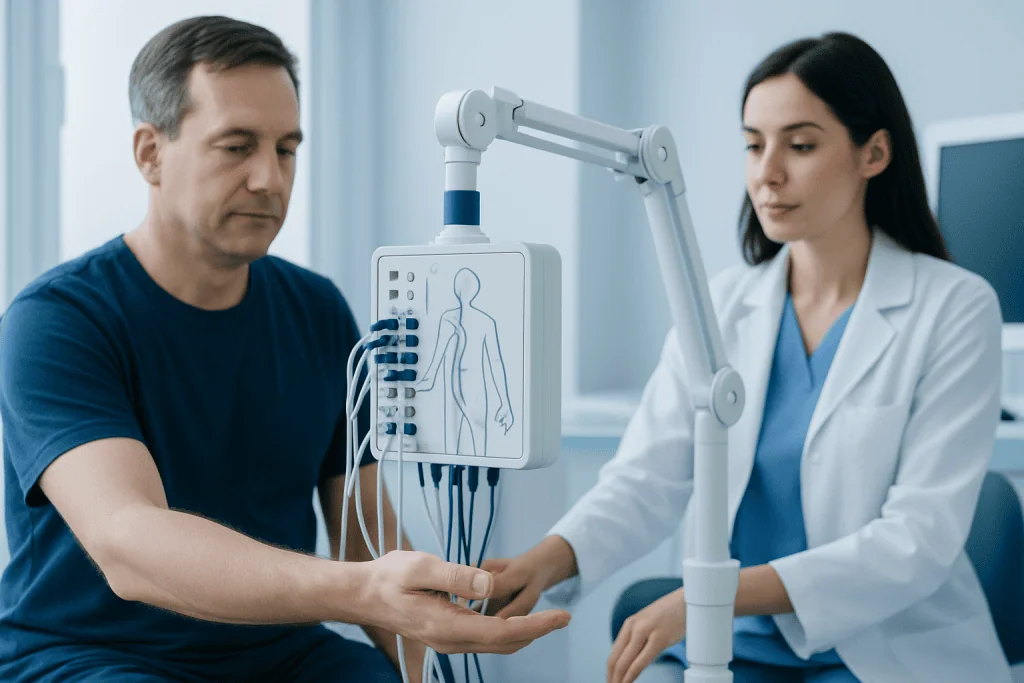
The ulnar nerve travels from the neck down the inner side of the arm and passes through narrow spaces along its route. One of the most common pressure points is at the elbow, where the nerve runs behind the inner bony prominence often called the “funny bone.” Repeated bending of the elbow, leaning on the elbow, swelling, or anatomical narrowing can irritate the nerve in this area.
When the nerve is irritated, symptoms often affect the ring and little fingers. A person may notice tingling, numbness, burning, aching along the inner forearm, reduced grip strength, or clumsiness with fine hand tasks. Symptoms may worsen at night, when holding a phone, while typing, or after keeping the elbow bent for long periods.
If nerve compression becomes more severe or lasts a long time, weakness may become more noticeable. Hand muscles can gradually lose strength, making pinching, gripping, opening jars, or spreading the fingers harder. This is one reason persistent symptoms should not be ignored even if they seem mild at first.
When an Ulnar Nerve Glide May Help

Ulnar nerve glides are typically used when a clinician suspects that the nerve is sensitive but still able to tolerate movement. In selected cases, these exercises may reduce stiffness around the nerve pathway, improve mobility, and help calm symptoms when combined with activity modification. They are often included in rehabilitation plans developed by physicians or physical and occupational therapists.
These exercises are not a cure by themselves. They usually work best as one part of a comprehensive approach that may include changing repetitive activities, avoiding prolonged elbow bending, improving posture, using a nighttime splint, and treating any associated inflammation. If symptoms are linked to broader nerve or spine problems, treatment needs to address the underlying cause rather than relying on exercises alone.
An important point is that a nerve glide should feel gentle. Mild tension or awareness may occur, but the exercise should not trigger sharp pain, prolonged tingling, increasing numbness, or weakness. If symptoms intensify during or after the movement, the technique may be too aggressive or may not be appropriate for that diagnosis.
Symptoms, Causes, and Risk Factors
People who search for an ulnar nerve glide are often trying to manage symptoms such as tingling in the little and ring fingers, numbness after sleeping with a bent elbow, aching on the inner side of the elbow, or weakness in the hand. Some also describe symptoms that come and go with specific positions, especially elbow flexion or pressure on the elbow. In early cases, symptoms may be intermittent; later, they may become more constant.
Common causes include cubital tunnel syndrome at the elbow and, less commonly, compression at the wrist in Guyon’s canal. Repetitive elbow bending, prolonged desk work, cycling, leaning on armrests, prior elbow injury, arthritis, or soft tissue swelling can all contribute. Neck-related nerve root irritation may also mimic or contribute to similar symptoms, so the location alone does not always confirm the cause.
Risk factors may include certain occupations, frequent use of vibrating tools, sports that involve sustained elbow flexion, diabetes, thyroid disease, and previous trauma. Some people also have anatomical features that make the nerve more likely to shift or become irritated. When symptoms are persistent, medical evaluation can help distinguish local nerve compression from other nerve entrapment problems or cervical causes.
Diagnosis and Medical Evaluation
Diagnosis begins with a detailed history and physical examination. A clinician will ask where symptoms are felt, what activities make them worse, whether there is nighttime numbness, and whether weakness is present. During the examination, they may assess sensation, hand muscle strength, elbow motion, posture, and whether tapping or bending the elbow reproduces symptoms.
Because several conditions can look similar, diagnosis sometimes requires additional testing. Nerve conduction studies and electromyography can help show whether the ulnar nerve is compressed and how much it is affecting function. Imaging may be used in selected cases if there is concern about structural problems, prior injury, arthritis, masses, or other causes. In some patients, evaluation of the neck or shoulder is also important.
Self-diagnosis has limits. Tingling in the hand is not always caused by ulnar nerve entrapment, and not every person with elbow pain needs a nerve glide. When symptoms are recurrent, severe, or associated with weakness, a formal assessment helps prevent delayed treatment and unnecessary exercises.
Treatment Options, Including Exercises
Treatment depends on the cause, severity, and duration of symptoms. Mild to moderate cases are often managed conservatively at first. This may include avoiding pressure on the elbow, taking breaks from repetitive tasks, changing work or sports mechanics, and sleeping with the elbow in a more open position. Some patients benefit from supervised physical therapy and rehabilitation to learn safe nerve glides, posture strategies, and strengthening exercises.
A clinician may also recommend a splint or brace at night to reduce prolonged elbow flexion. Anti-inflammatory measures can be useful in selected cases, although medication choices should be individualized by a doctor. If symptoms involve pain from surrounding joints or soft tissues, treatment may also include guided stretching and mobility work for the shoulder, neck, or forearm.
If significant weakness, muscle wasting, or persistent numbness develops, surgery may be considered to relieve pressure on the nerve. Options vary according to the site and nature of compression and may include peripheral nerve surgery when appropriate. In more complex cases, specialists may evaluate whether symptoms relate to the cervical spine, and some patients may need neurosurgical evaluation if another nerve problem is suspected.
At the end of treatment planning, the most helpful question is not simply “Should this person do an ulnar nerve glide?” but “Why is the nerve irritated, and what combination of treatments best addresses that cause?” That broader approach usually gives safer and more lasting results.
Safe Self-care and Practical Tips
If a healthcare professional has advised an ulnar nerve glide, it should be performed slowly, within a comfortable range, and without forcing the position. Many people are told to start with only a few repetitions once or twice daily and to stop if symptoms increase. Technique matters, so professional instruction is valuable, especially in the early phase.
Simple day-to-day changes can also reduce irritation. Helpful measures may include:
- Avoiding prolonged leaning on the elbows
- Taking frequent breaks from typing, gaming, or tool use
- Keeping the wrist and elbow in more neutral positions when possible
- Using a headset instead of holding a phone with the elbow bent
- Adjusting desk height and arm support
- Sleeping in a position that does not keep the elbow tightly flexed
General nerve health also matters. Good control of conditions such as diabetes, attention to posture, and gradual return to activity can support recovery. If a person is uncertain whether an exercise is helping, keeping a short symptom diary can make patterns easier to discuss with a clinician.
When to Seek Medical Care
Medical review is advisable if numbness or tingling persists for more than a short period, keeps returning, or interferes with daily activities, sleep, work, or exercise. Evaluation is especially important if symptoms are spreading, becoming more frequent, or no longer improve with position changes. Early assessment may help prevent progression to more significant nerve dysfunction.
Prompt medical attention is recommended if there is hand weakness, dropping objects, visible muscle wasting, persistent loss of sensation, severe pain, or symptoms after an injury. Care is also important when symptoms could be coming from the neck, especially if there is neck pain, radiating arm pain, or symptoms in a wider distribution than the little and ring fingers alone.
For patients who need specialist assessment, Acibadem International’s multidisciplinary teams in JCI-accredited hospitals evaluate and treat nerve compression conditions for international patients. A tailored plan may include rehabilitation, diagnostic testing, and surgical care when necessary.
Frequently asked questions
What does an ulnar nerve glide do?
An ulnar nerve glide is designed to help the ulnar nerve move more smoothly through the tissues of the arm. It may reduce irritation in some people, but it is meant to be a gentle mobilization exercise rather than a forceful stretch.
Can an ulnar nerve glide cure cubital tunnel syndrome?
It can be helpful in some mild or early cases, especially when combined with activity changes and splinting. However, it does not treat every cause of nerve compression, and some people need additional therapy or surgery.
Should an ulnar nerve glide hurt?
No. A mild feeling of tension can be normal, but sharp pain, worsening tingling, stronger numbness, or lingering symptoms afterward suggest the exercise may be too aggressive or unsuitable.
How is ulnar nerve irritation different from carpal tunnel syndrome?
Ulnar nerve irritation typically affects the little finger and part of the ring finger and may be linked to elbow pressure or bending. Carpal tunnel syndrome more often affects the thumb, index, middle, and part of the ring finger because a different nerve is involved.
When should someone stop doing nerve glides?
They should stop if the movement increases pain, causes prolonged numbness or tingling, or seems to trigger weakness. A clinician should review the technique and confirm the diagnosis before the exercise is continued.
Do all people with tingling in the hand need an ulnar nerve glide?
No. Hand tingling can come from several causes, including carpal tunnel syndrome, cervical spine problems, diabetes, or other nerve disorders. Proper diagnosis is important before starting exercises.
References
- American Academy of Orthopaedic Surgeons
- American Society for Surgery of the Hand
- National Institute of Neurological Disorders and Stroke
- National Institute for Health and Care Excellence
- Mayo Clinic
This article is for general information only and is not a substitute for professional medical advice. Please consult a qualified doctor about your individual situation.
Joint and spine care in Turkey — expert assessment & treatment
JCI-accredited · board-certified surgeons · reply within 24h