Occupational Medicine: What Patients Need to Know

Occupational medicine evaluates how work affects health and how health affects the ability to work safely. It covers injuries, repetitive strain, breathing problems, skin conditions, noise-related hearing loss, and exposure-related illness.
Key Takeaways
- Occupational medicine evaluates how work affects health and how health affects the ability to work safely.
- It covers injuries, repetitive strain, breathing problems, skin conditions, noise-related hearing loss, and exposure-related illness.
- Assessment may include medical history, physical examination, workplace exposure review, and tests such as imaging, lung function testing, or hearing checks.
- Treatment often combines symptom care, workplace adjustments, rehabilitation, and return-to-work planning.
- Early evaluation can reduce complications and help protect both recovery and long-term health.
Occupational medicine is the medical field that helps prevent, identify, and manage health problems linked to work, from injuries to chemical exposures and stress-related concerns. It focuses not only on treatment, but also on fitness for work, workplace safety, and safe return-to-work planning.
Overview: what occupational medicine means for patients
Occupational medicine is the branch of medicine focused on the relationship between work and health. For patients, this means evaluating whether a job, task, exposure, or work environment may be contributing to symptoms, injury, or illness. It also means considering whether a health condition affects a person’s ability to perform work safely.
Unlike a routine medical visit that may focus only on diagnosis and treatment, occupational medicine takes a broader view. It looks at job duties, physical demands, equipment, stressors, work schedules, environmental exposures, and safety risks. The goal is to support health while helping people remain safe and functional at work whenever possible.
Occupational medicine is relevant across many industries, including office work, construction, transportation, manufacturing, agriculture, healthcare, hospitality, and remote work. Problems can range from sudden accidents and back injuries to longer-term issues such as repetitive strain, dermatitis, asthma, hearing loss, and fatigue related to shift work.
In practical terms, occupational medicine may involve diagnosis, treatment, prevention advice, rehabilitation, fitness-for-duty assessment, and planning a safe return to work. It often brings together physicians, physical therapists, radiologists, rehabilitation teams, and other specialists depending on the person’s needs.
What occupational medicine doctors evaluate
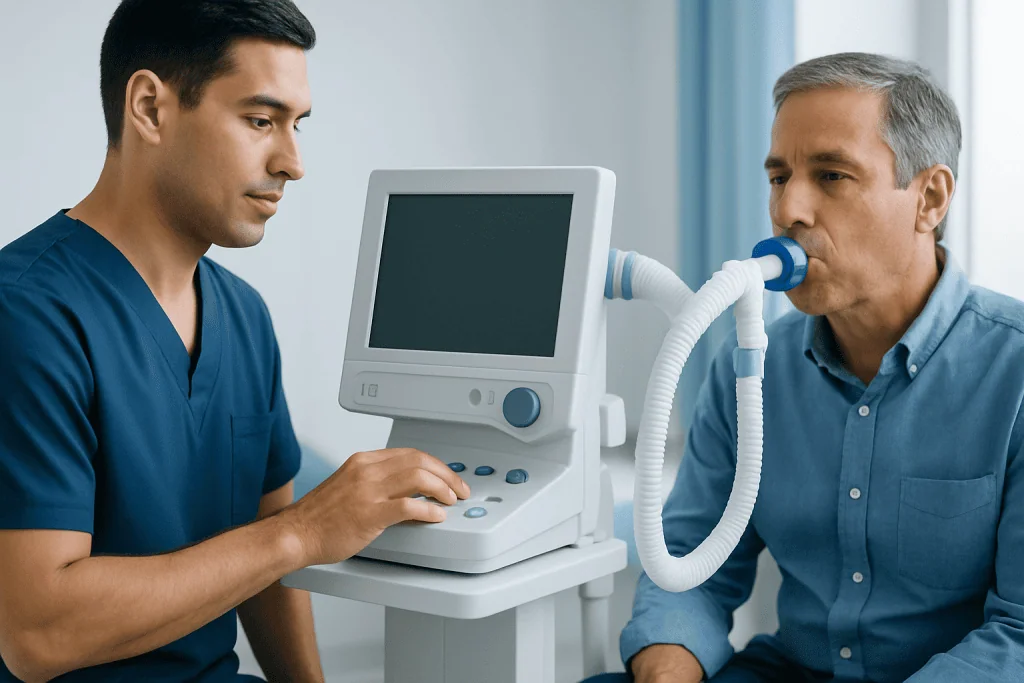
Occupational medicine specialists assess both health conditions caused or worsened by work and medical issues that may affect safe job performance. This can include acute injuries, chronic musculoskeletal pain, breathing symptoms after dust or chemical exposure, stress-related complaints, sleep problems in shift workers, and concerns about heat, noise, vibration, or infection exposure.
They also consider whether symptoms match the pattern of workplace exposure. For example, wrist pain may relate to repetitive hand movements, cough may worsen around fumes or dust, and rashes may appear after contact with cleaning products, metals, or latex. A clear timeline of when symptoms started and how they relate to work tasks can be very helpful.
Common concerns seen in occupational medicine include:
- Back, neck, shoulder, and knee pain
- Repetitive strain injuries affecting the hands, wrists, elbows, or shoulders
- Work-related sprains, fractures, and soft tissue injuries
- Asthma or other breathing problems linked to workplace exposure
- Skin irritation or allergic contact dermatitis
- Noise-related hearing changes
- Stress, burnout, sleep disruption, and fatigue
- Exposure to chemicals, biological hazards, or poor air quality
Occupational medicine does not replace primary care or emergency care. Instead, it adds a work-focused medical perspective that can clarify whether a condition is work-related, what treatment may help, and what changes may reduce ongoing risk.
Symptoms and health problems that may be work-related

Work-related health problems do not always begin with a major accident. Many develop gradually and may be mistaken for ordinary aches, allergies, or tiredness. Warning signs include pain that worsens during or after a shift, numbness from repetitive tasks, cough that improves on days away from work, headaches around certain environments, and skin changes after contact with workplace materials.
Musculoskeletal symptoms are among the most common reasons patients seek assessment. These can include lower back pain from lifting, shoulder pain from overhead work, wrist pain from repetitive keyboard or tool use, or knee pain from prolonged standing, kneeling, or climbing. In some cases, evaluation may overlap with care for conditions such as carpal tunnel syndrome or tendon and nerve compression problems.
Breathing and skin symptoms are also important. Dust, smoke, cleaning products, solvents, or industrial chemicals can trigger cough, wheezing, eye irritation, or shortness of breath. Repeated exposure to wet work, gloves, soaps, or chemicals may lead to dry, cracked, itchy, or inflamed skin. Some patients may need assessment similar to workup for asthma when respiratory symptoms are ongoing.
Not every symptom that happens during work is caused by work, but patterns matter. Symptoms that return with certain tasks, improve on days off, or affect several coworkers may suggest an occupational cause and should be discussed with a qualified clinician.
Causes and risk factors in the workplace
Occupational health problems can result from physical, chemical, biological, ergonomic, and psychosocial factors. Physical risks include heavy lifting, repetitive motion, awkward posture, prolonged sitting, vibration, slips and falls, and machine-related trauma. Chemical risks may include dusts, fumes, metals, solvents, pesticides, or cleaning agents. Biological risks are especially relevant in healthcare, laboratories, agriculture, and food production.
Ergonomic strain is a frequent issue in modern workplaces. A poorly adjusted desk, repetitive tool use, inadequate lifting technique, or long hours in one position can all contribute to pain and overuse injuries. Remote and hybrid work have not removed these risks; in some cases, improvised home workstations increase them.
Psychosocial factors also affect health. High job demands, poor sleep from shift work, low control over tasks, harassment, and chronic stress can contribute to headaches, fatigue, anxiety, poor concentration, and worsening of existing medical conditions. Occupational medicine considers these influences without assuming that symptoms are “just stress.”
Risk is shaped by both exposure and individual factors. Age, previous injury, pregnancy, chronic medical conditions, smoking history, fitness level, medication side effects, and use of personal protective equipment may all affect vulnerability. A careful assessment looks at the whole picture rather than a single cause alone.
How diagnosis and assessment are done
Assessment usually begins with a detailed history. The clinician asks about symptoms, when they started, whether they improve away from work, specific job duties, tools used, shift patterns, protective equipment, and possible exposure to dust, chemicals, noise, heat, or infection. Past medical history, medication use, and previous injuries also matter.
A physical examination is then tailored to the complaint. This may include checking joint movement, muscle strength, sensation, breathing, skin findings, hearing concerns, or signs of nerve irritation. Sometimes the diagnosis is clear from the history and examination; in other cases, additional tests help confirm the cause or rule out other conditions.
Depending on symptoms, tests may include X-rays or other imaging through radiology, lung function tests, blood tests, hearing tests, or nerve studies. If a significant musculoskeletal injury is suspected, clinicians may coordinate rehabilitation planning with physical therapy and rehabilitation. For persistent spinal pain or injury-related nerve symptoms, further assessment may overlap with care pathways used in orthopedics and traumatology.
Workplace assessment can also be part of the process. This may involve reviewing job descriptions, lifting requirements, exposure reports, or ergonomic setup. The aim is not only to label a diagnosis, but to understand what changes may support safer work and more complete recovery.
Treatment, recovery, and return-to-work planning
Treatment in occupational medicine depends on the condition involved. It may include rest from harmful tasks, pain management, wound care, bracing, inhaler-based treatment for airway symptoms when appropriate, skin protection measures, rehabilitation exercises, or referral to specialists. The approach is individualized and focuses on both symptom relief and reducing future harm.
For many patients, workplace adjustments are a key part of treatment. These may include modified duties, reduced lifting, changes in schedule, temporary restriction from exposure, ergonomic improvements, or use of protective equipment. Such changes are often most effective when introduced early, before symptoms become chronic.
Return-to-work planning is an important part of recovery. Returning to work does not always mean returning immediately to every previous task. A graded return, with suitable restrictions and regular review, may help patients regain function safely while avoiding reinjury. Good communication between the patient, treating clinician, and employer can be useful when permitted and appropriate.
If symptoms are severe, persistent, or linked to complex injury, multidisciplinary care may be needed. Near the end of the care pathway, patients may benefit from coordinated specialist assessment. Acibadem International’s multidisciplinary specialists and JCI-accredited hospitals diagnose and treat work-related injuries and illnesses for international patients when advanced evaluation is needed.
Prevention and self-care at work and at home
Prevention is one of the strongest features of occupational medicine. Many work-related conditions can be reduced through better ergonomics, safer lifting methods, regular breaks, appropriate protective equipment, exposure control, hydration, sleep support for shift workers, and early reporting of symptoms. Small adjustments made early can prevent longer-term problems.
For office and remote workers, practical self-care may include adjusting chair height, screen position, keyboard and mouse placement, and taking short movement breaks during the day. For physically demanding jobs, warm-up routines, proper footwear, pacing, and correct manual handling techniques can help reduce strain.
Patients should not ignore recurring symptoms simply because they seem mild. Early numbness, cough, wheeze, skin irritation, or back pain may be easier to manage before they become more serious. Keeping a symptom diary that notes tasks, timing, exposures, and what improves or worsens symptoms can help clinicians identify patterns.
Self-care is useful, but it should not replace medical assessment when symptoms persist or affect safety. Ongoing symptoms deserve professional evaluation, especially if they interfere with sleep, daily activities, or the ability to work comfortably and safely.
When to seek medical care
Patients should seek medical care promptly if they have severe pain, sudden weakness, trouble breathing, chest pain, loss of consciousness, significant burns, deep cuts, eye injuries, or symptoms after a major workplace accident. These situations may need urgent or emergency evaluation rather than waiting for a routine appointment.
Non-urgent medical assessment is also important when symptoms keep returning, worsen during the workweek, or continue despite rest and self-care. This includes persistent back or joint pain, numbness or tingling, frequent headaches, ongoing cough, wheeze, skin rash, hearing changes, dizziness, or unusual fatigue linked to work conditions.
It is especially helpful to seek care early when symptoms affect job performance or safety. Difficulty gripping tools, slowed reaction time, poor concentration from exhaustion, breathing trouble with exertion, or pain that changes the way a person lifts or walks can increase the risk of further injury.
A qualified doctor can help determine whether the problem may be work-related, what tests are needed, and what treatment or temporary work modifications may support recovery. Early assessment often makes the path forward clearer and more manageable.
Frequently asked questions
What is occupational medicine in simple terms?
Occupational medicine is the medical specialty that focuses on how work affects health and how health affects safe work. It helps prevent, diagnose, and manage illnesses and injuries linked to job tasks, workplace exposures, or work environments.
What kinds of problems are treated in occupational medicine?
Common problems include back pain, repetitive strain injuries, sprains, breathing symptoms from dust or chemicals, work-related skin irritation, hearing concerns, and fatigue related to shift work. It can also help assess whether an existing health condition affects fitness for certain duties.
How do I know if my symptoms may be work-related?
Symptoms may be work-related if they start after a new task or exposure, worsen during work, or improve on weekends or days away. A pattern such as pain after repeated movements or coughing in a certain environment is worth discussing with a doctor.
Will I always need to stop working during treatment?
Not always. Many patients can continue working with temporary adjustments such as lighter duties, schedule changes, ergonomic improvements, or reduced exposure while they recover. The safest plan depends on the condition, the job, and the risk of worsening symptoms.
What tests might be used in occupational medicine?
Tests depend on the problem being assessed. A doctor may recommend imaging, lung function testing, blood tests, hearing tests, or other studies to confirm a diagnosis and rule out non-work-related causes.
Can office workers benefit from occupational medicine?
Yes. Occupational medicine is not only for heavy industry or construction. Office and remote workers may develop neck pain, back pain, eye strain, wrist problems, stress-related symptoms, and poor sleep linked to workstation setup or work demands.
References
- Centers for Disease Control and Prevention
- National Institute for Occupational Safety and Health
- Occupational Safety and Health Administration
- World Health Organization
- American College of Occupational and Environmental Medicine
This article is for general information only and is not a substitute for professional medical advice. Please consult a qualified doctor about your individual situation.
Explore treatments in Turkey — costs, top hospitals & a free quote
JCI-accredited · board-certified surgeons · reply within 24h