Rotationplasty: Benefits, Risks, and Recovery — A Complete Guide
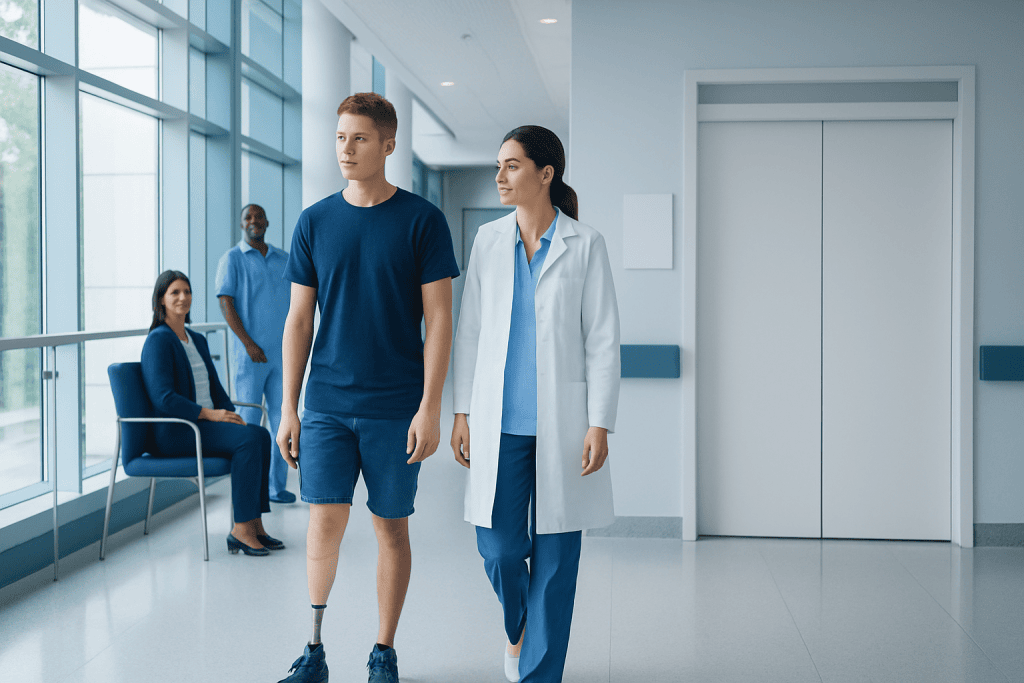
Rotationplasty is most commonly used for selected bone tumors around the knee, especially in children, teens, and young adults. The procedure preserves part of the limb and can provide strong long-term function with a prosthesis.
Key Takeaways
- Rotationplasty is most commonly used for selected bone tumors around the knee, especially in children, teens, and young adults.
- The procedure preserves part of the limb and can provide strong long-term function with a prosthesis.
- Benefits may include durability, mobility, and participation in daily activities, while risks include infection, poor wound healing, and nerve or blood vessel problems.
- Recovery involves wound healing, rehabilitation, prosthetic fitting, and gradual return to walking and activity.
- Careful imaging, surgical planning, and a multidisciplinary team are important when deciding if rotationplasty is appropriate.
Rotationplasty is a specialized limb-sparing surgery most often used when a bone tumor affects the knee area. It removes the diseased part of the leg, rotates the lower limb, and allows the ankle to function like a new knee joint with a prosthetic limb.
Overview: What rotationplasty is and how it works
Rotationplasty is a limb-sparing operation used in carefully selected patients, most often when a tumor involves the lower femur, knee, or upper tibia. In simple terms, the surgeon removes the diseased section of the leg, then turns the lower part of the limb 180 degrees and reconnects it. After healing, the ankle works in the position of a knee joint, helping control a below-knee type prosthesis.
This unusual design can offer excellent function because the patient keeps an active joint and strong muscle control. When the ankle bends, it can help lift and move the prosthetic leg in a way that may feel more natural than an above-knee amputation. For many patients, this can support walking, climbing stairs, and physical activity after rehabilitation.
Rotationplasty is not the right choice for everyone. It is usually considered when preserving the leg in its original form is not possible or may not provide durable function. It is most often discussed in the setting of bone cancer or other major problems affecting the knee region, and the decision is made only after detailed evaluation by orthopedic oncology, imaging, rehabilitation, and prosthetics teams.
Who may be a candidate for rotationplasty
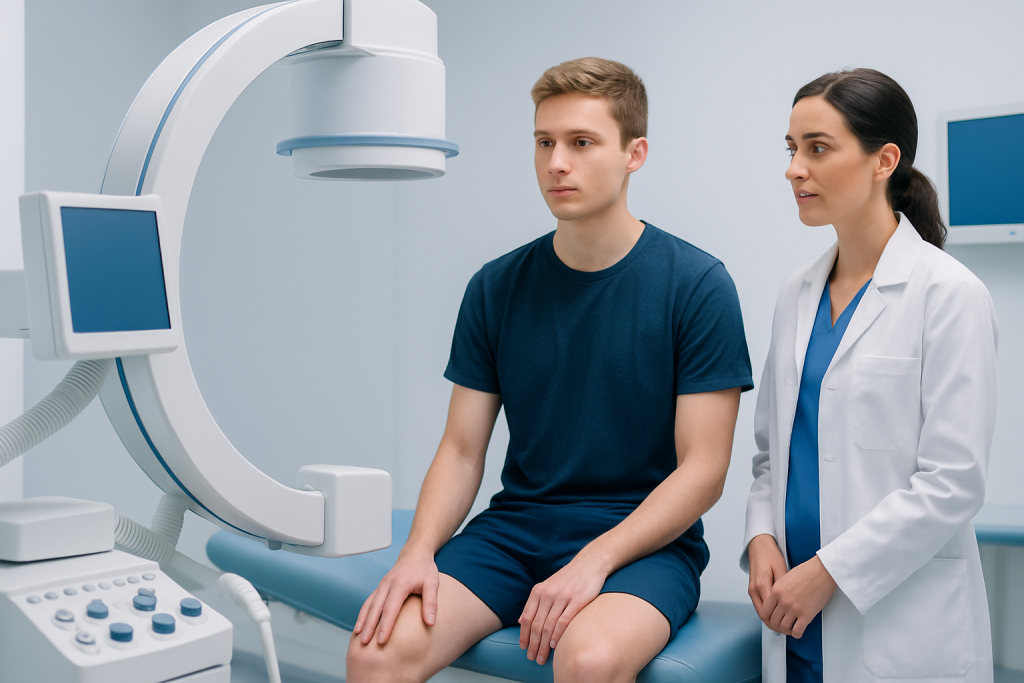
Doctors consider rotationplasty for patients who need major removal of bone and surrounding tissues around the knee but may still benefit from preserving the foot, ankle, nerves, and blood supply. It is commonly used for certain bone tumors such as osteosarcoma or Ewing sarcoma. In some cases, it may also be considered after severe trauma, infection, or failed previous reconstruction, though tumor treatment remains the best-known use.
Children and adolescents are often strong candidates because the procedure can be durable over time and can adapt well to growth and activity. Young adults may also benefit, especially when the goal is a stable, long-lasting limb option that avoids some of the challenges seen with large internal reconstructions.
Important factors include the tumor location, whether major nerves and blood vessels can be preserved, the amount of healthy tissue remaining, and the patient’s overall health. Surgeons also consider emotional readiness and family support, because the appearance of the leg changes significantly. A detailed discussion helps patients understand both the functional advantages and the cosmetic differences before making a decision.
Step by step: how the procedure is performed
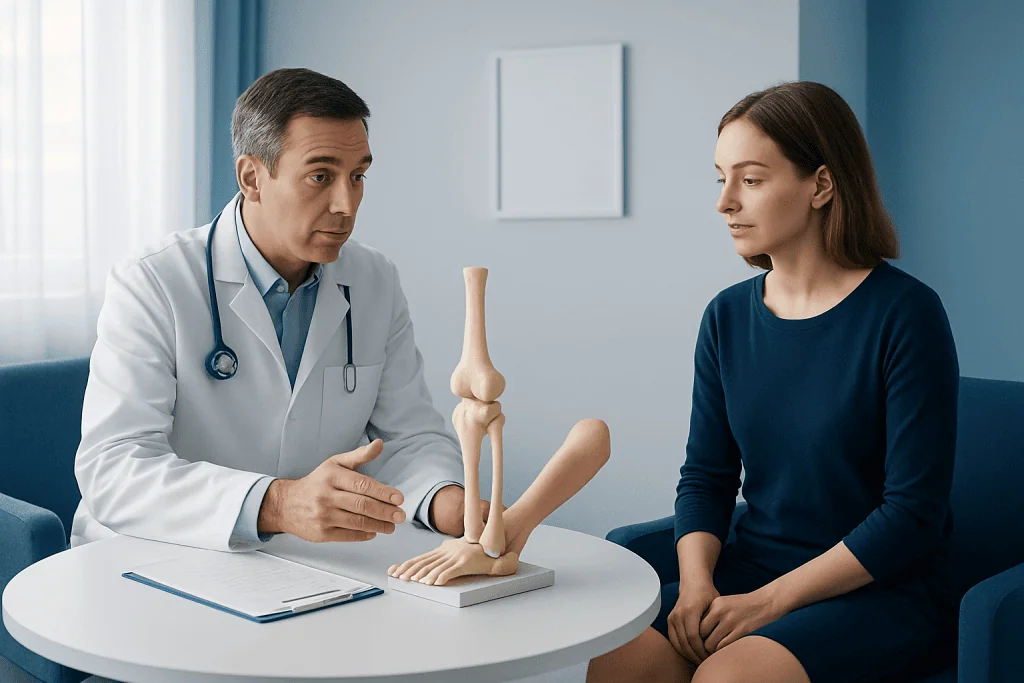
Before surgery, the team uses imaging such as X-rays, MRI, and CT scans to map the tumor and plan the safest margins. Blood tests and sometimes additional studies help assess fitness for anesthesia and surgery. If the rotationplasty is being done for cancer, treatment may also include chemotherapy before or after the operation, depending on the tumor type and stage.
During the operation, the surgeon removes the tumor and the affected portion of bone, usually around the knee. The lower leg and foot are preserved if the nerves and blood vessels are suitable. The lower leg is then rotated 180 degrees and attached to the remaining upper leg bone. This means the ankle points backward, but functionally it will work in place of the knee once a prosthesis is fitted.
The surgeon carefully reconnects bone and preserves or reconstructs soft tissues so the limb can heal properly. Great care is taken to protect blood flow and nerve function. In many centers, rotationplasty is part of coordinated orthopedic oncology care, with orthopedic surgeons, oncologists, anesthesiologists, and rehabilitation specialists working together.
After surgery, the leg is stabilized and monitored closely in the hospital. The team checks circulation, wound healing, pain control, and early movement. Once healing has progressed enough, the patient begins rehabilitation and later moves on to prosthetic fitting and gait training.
Benefits and possible limitations
The main benefit of rotationplasty is function. Because the patient can use the ankle as a new knee joint, many people achieve strong control of the prosthetic limb and efficient walking. Compared with an above-knee amputation, energy use during walking may be lower, and balance and mobility may be better in some patients. The procedure can also be very durable, with fewer mechanical failures than some large limb-salvage implants.
Another advantage is that rotationplasty may allow a high level of daily independence and sports participation after full rehabilitation. Since the foot provides a living end of the limb, weight transfer and movement can feel more active than with a purely passive mechanical joint. This can be especially valuable for younger patients expected to remain active for many years.
At the same time, rotationplasty has limitations. The appearance is very different from a typical leg, and adjusting to this can take time. Clothing fit, body image, and social concerns may affect some patients. Even with excellent surgery, a prosthesis is still required for walking, and long-term follow-up is important to monitor fit, comfort, and function.
Some patients may not be candidates because the tumor involves critical nerves or blood vessels, or because another approach may better match their anatomy and goals. When rotationplasty is not suitable, teams may discuss other forms of limb salvage surgery or amputation options depending on the medical situation.
Risks and complications to understand
Like any major operation, rotationplasty carries surgical risks. These include bleeding, infection, blood clots, wound healing problems, and complications from anesthesia. Because the surgery involves bone, muscles, vessels, and nerves, there is also a risk of poor bone healing, fracture, or problems with the blood supply to the rotated limb segment.
Nerve-related issues can include numbness, weakness, or pain. Some patients develop phantom sensations or chronic discomfort, although this can also happen with other limb surgeries and amputations. The position of the rotated foot can create pressure points inside the prosthesis if fitting is not carefully managed.
For patients treated for cancer, there are also broader treatment considerations. The operation must achieve safe tumor removal, and some patients will need ongoing surveillance for recurrence or spread of disease. Recovery can also be influenced by chemotherapy, nutrition, and overall strength.
Although these risks are real, careful patient selection and experienced surgical planning can reduce complications. A frank conversation before surgery helps patients weigh functional benefits against surgical risk, cosmetic change, and the commitment required for rehabilitation.
Recovery timeline and rehabilitation
Recovery after rotationplasty happens in stages. In the first days after surgery, the focus is on pain control, swelling, wound care, and monitoring circulation in the limb. Hospital stay length varies depending on the patient’s age, overall condition, and whether cancer treatment is also underway.
Over the following weeks, the surgical site begins to heal and physical therapy usually starts with gentle movement, positioning, and strengthening. As directed by the surgical team, patients gradually increase activity. Rehabilitation is essential because the brain and body need time to learn how the rotated ankle will function as a knee-like joint.
Once healing is adequate, prosthetic assessment and fitting begin. This process is individualized and may require adjustments over time, especially in growing children. Gait training teaches safe walking, balance, transfers, stairs, and later more demanding movement depending on the patient’s goals.
Many patients continue improving for months. The exact timeline differs, but progress generally depends on wound healing, muscle strength, prosthetic fit, and consistency with therapy. In centers that provide integrated physical therapy and rehabilitation, patients receive coordinated support from rehabilitation physicians, physical therapists, and prosthetists. Acibadem International’s multidisciplinary specialists and JCI-accredited hospitals also evaluate and treat complex cases requiring advanced orthopedic oncology and rehabilitation care for international patients.
Long-term outlook and daily life after rotationplasty
Many people who undergo rotationplasty can return to school, work, and regular daily routines after recovery. Long-term function often depends on muscle strength, prosthetic comfort, and follow-up care. Children may need periodic prosthetic changes as they grow, while adults may need adjustments related to activity level or wear over time.
Daily life usually becomes easier as patients gain confidence with the prosthesis. Activities such as walking outdoors, climbing stairs, and many recreational pursuits may be possible. However, expectations should be realistic: there can still be fatigue, skin irritation, or a need for periodic rest and equipment maintenance.
Emotional adaptation matters as much as physical healing. Support from family, rehabilitation professionals, psychologists, and peer groups can help patients adjust to body image changes and social questions. Looking at long-term results in a broad way, success is not just about the operation itself, but also about comfort, independence, participation, and quality of life.
When to seek medical care
Medical care is important any time a bone tumor is suspected or when a doctor has recommended major surgery around the knee. Prompt specialist review helps confirm the diagnosis, explain treatment choices, and plan surgery safely. Early evaluation is especially important if there is persistent bone pain, swelling, a growing mass, limping, or pain that worsens at night.
After rotationplasty, patients should contact their care team urgently if they notice fever, increasing redness, drainage from the wound, worsening pain, new numbness, pale or cool skin, or sudden swelling in the leg. Problems with the prosthesis, skin breakdown, or difficulty bearing weight also need medical attention. Ongoing follow-up is important for both rehabilitation and, when relevant, cancer surveillance.
Frequently asked questions
Is rotationplasty the same as amputation?
Rotationplasty is not the same as a standard amputation, although it does use a prosthetic limb afterward. Part of the patient’s own leg is preserved, rotated, and used functionally so the ankle can act like a knee joint.
Why would a doctor recommend rotationplasty instead of a full limb reconstruction?
A doctor may recommend rotationplasty when it can provide more durable and functional results than a complex reconstruction, especially for tumors around the knee. It can be a good option when preserving the limb in a standard way would be less reliable or would limit long-term mobility.
Who is most likely to benefit from rotationplasty?
Children, teenagers, and young adults with selected bone tumors near the knee often benefit the most. The procedure may be especially helpful for patients who want a stable limb option that supports active movement over many years.
How long does rotationplasty recovery take?
Initial healing takes weeks, but full recovery usually takes months. The timeline depends on surgery, wound healing, rehabilitation progress, prosthetic fitting, and whether the patient is also receiving cancer treatment.
Will a person be able to walk normally after rotationplasty?
Many patients can walk well with a prosthesis after rehabilitation, though the gait will not be exactly the same as before surgery. Good function depends on muscle strength, therapy, prosthetic fit, and learning how to use the ankle as a knee-like joint.
What are the main risks of rotationplasty?
The main risks include infection, bleeding, wound problems, blood vessel or nerve injury, poor bone healing, and prosthetic fit issues. There may also be emotional adjustment related to the appearance of the limb and the demands of rehabilitation.
References
- National Cancer Institute
- American Academy of Orthopaedic Surgeons
- National Institute of Arthritis and Musculoskeletal and Skin Diseases
- American Cancer Society
- National Comprehensive Cancer Network
This article is for general information only and is not a substitute for professional medical advice. Please consult a qualified doctor about your individual situation.
Joint and spine care in Turkey — expert assessment & treatment
JCI-accredited · board-certified surgeons · reply within 24h

More from the Health Library



Related Specialists

Dr. Oya Uğurlubilek
Inpatient Clinic Physicians Clinical Service
Dr. Zeynep Göksu Saydam
Emergency Service
Prof. Dr. Uygur Er
Neurosurgery
Prof. Dr. Süleyman Özyalçin
Treatment of Pain Algology