Prenatal Depression — Explained by Medical Evidence, Not Myths

Prenatal depression is a real medical condition that can occur at any stage of pregnancy. It is different from ordinary stress or temporary mood changes because symptoms are persistent and interfere with daily life.
Key Takeaways
- Prenatal depression is a real medical condition that can occur at any stage of pregnancy.
- It is different from ordinary stress or temporary mood changes because symptoms are persistent and interfere with daily life.
- Diagnosis is based on symptoms, medical history, and screening by a qualified healthcare professional.
- Treatment may include psychotherapy, lifestyle support, and, in some cases, carefully selected medication during pregnancy.
- Early care can improve the well-being of both the pregnant person and the developing baby.
Prenatal depression is depression that happens during pregnancy, not simply a normal emotional reaction to hormonal change. It can affect mood, sleep, energy, appetite, concentration, and bonding with the pregnancy, and effective treatment is available.
Overview: what prenatal depression means
Prenatal depression, also called antenatal depression, is a depressive disorder that develops during pregnancy. It is more than feeling emotional, tired, or overwhelmed for a few days. Medical evidence shows that it involves ongoing low mood and related symptoms that last for at least two weeks and affect everyday functioning.
Pregnancy brings physical, hormonal, social, and emotional changes, so many people expect mood shifts. However, persistent sadness, loss of interest, guilt, hopelessness, or anxiety should not be dismissed as something a person simply has to endure. Prenatal depression is recognized by clinicians as a treatable mental health condition.
This matters because untreated depression during pregnancy can affect self-care, nutrition, sleep, prenatal follow-up, and relationships. It may also increase the risk of problems after delivery, including postpartum depression. Early recognition helps people receive support sooner and make informed decisions with their obstetric and mental health teams.
How prenatal depression can feel in daily life
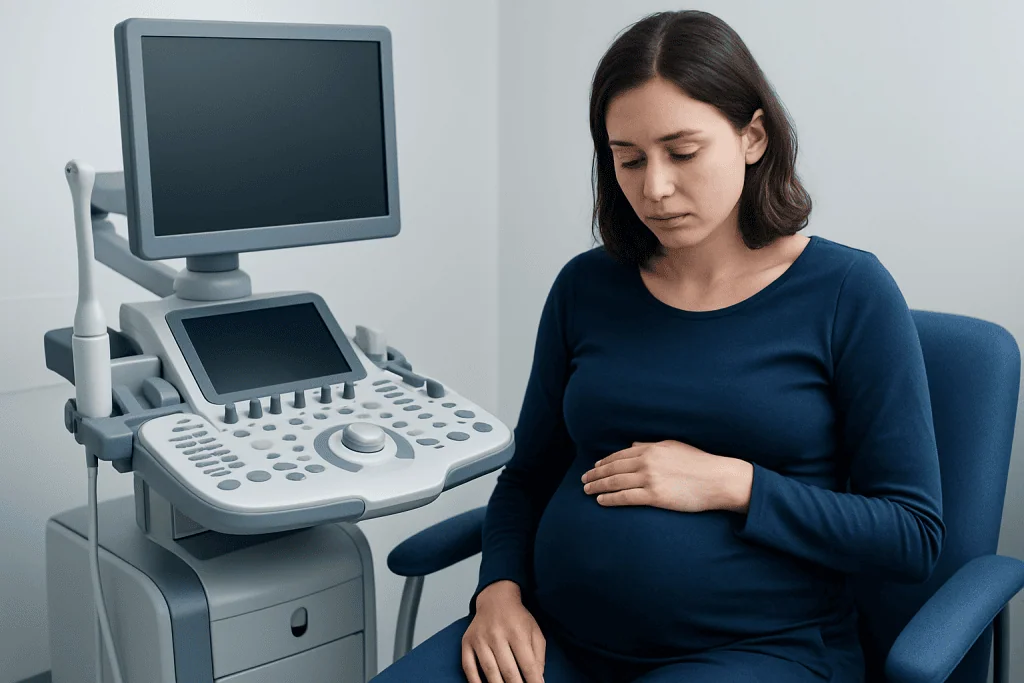
The experience of prenatal depression is not the same for everyone. Some people mainly feel sadness or tearfulness, while others notice irritability, emotional numbness, or constant worry. Many describe a sense that ordinary tasks suddenly feel much harder, even when the pregnancy itself is progressing normally.
Common symptoms can include:
- Persistent low mood or frequent crying
- Loss of interest or pleasure in usual activities
- Changes in sleep, including insomnia or sleeping too much
- Fatigue that feels greater than expected for pregnancy
- Changes in appetite
- Difficulty concentrating or making decisions
- Feelings of worthlessness, guilt, or hopelessness
- Withdrawing from family, friends, or work
- Anxiety, restlessness, or excessive worry
Some symptoms can overlap with normal pregnancy changes, which is one reason prenatal depression can be missed. For example, tiredness, appetite changes, and disrupted sleep are common in pregnancy. Doctors therefore look at the pattern, severity, persistence, and the extent to which symptoms interfere with functioning rather than relying on one symptom alone.
In more serious cases, a person may feel that life is not worth living or may have thoughts of self-harm. Those symptoms need urgent medical attention and should always be taken seriously.
Why it happens: causes and risk factors
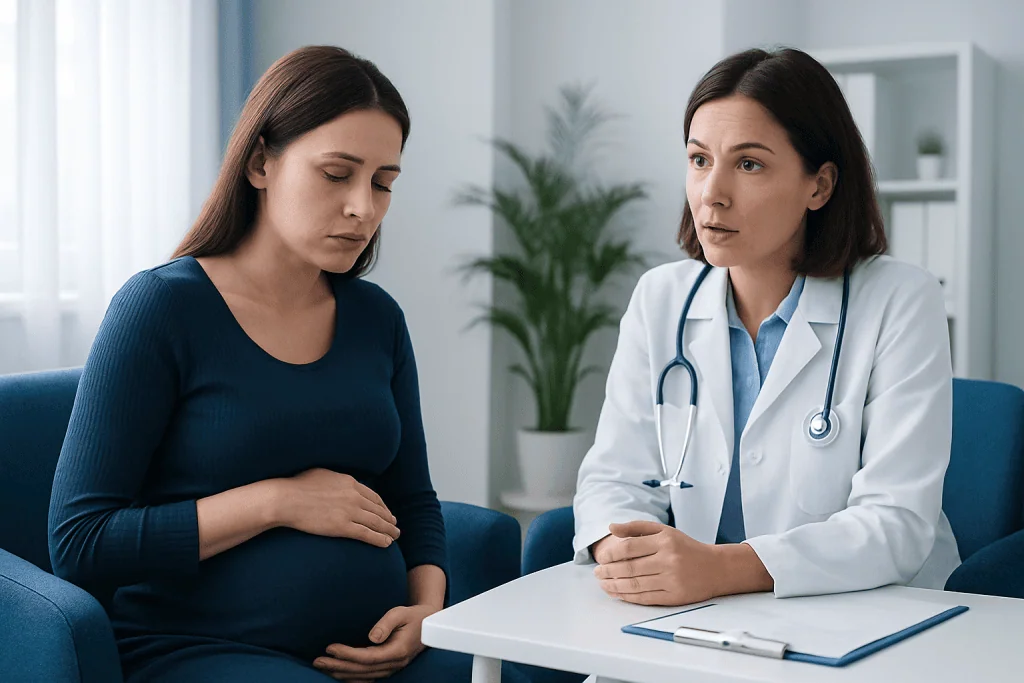
Prenatal depression does not have a single cause. It usually develops through a combination of biological, psychological, and social factors. Hormonal changes during pregnancy may influence mood, but they do not fully explain who develops depression and who does not.
Risk is often higher in people with a personal or family history of depression, anxiety, bipolar disorder, or other mental health conditions. Past trauma, previous pregnancy loss, fertility-related stress, chronic pain, thyroid disease, and major life pressures can also contribute. Relationship difficulties, financial stress, poor social support, intimate partner violence, and an unplanned pregnancy may increase vulnerability as well.
Sleep disruption deserves special attention. Poor sleep can worsen mood symptoms, and depression can worsen sleep in return. Physical symptoms such as severe nausea, medical complications, or prolonged bed rest may also raise emotional strain. In some cases, prenatal depression appears alongside anxiety disorders or may need assessment to rule out related conditions such as panic attacks or other mood disorders.
Importantly, prenatal depression is not caused by weakness, poor coping, or a lack of gratitude about the pregnancy. Understanding this can reduce stigma and make it easier for someone to seek care without shame.
How doctors diagnose prenatal depression
Diagnosis begins with a conversation about symptoms, their duration, and their impact on daily life. A doctor, midwife, obstetrician, family physician, or mental health professional may ask about mood, sleep, appetite, anxiety, stress, previous mental health history, and support at home. Standard screening questionnaires are often used to help identify depression during pregnancy.
There is no single blood test that confirms prenatal depression. Even so, physical health remains important in the evaluation. Doctors may check for medical conditions that can affect mood or mimic depression, such as anemia, thyroid problems, sleep disorders, or medication effects. They will also ask about substance use and any history of manic symptoms, because that can change the diagnosis and treatment plan.
An accurate diagnosis matters because treatment should match symptom severity and the person’s medical situation. Mild symptoms may improve with close monitoring and therapy, while moderate or severe symptoms may need a more structured plan. If a person has both depression and significant anxiety, treatment may address both at the same time.
When needed, care can involve more than one specialist. A coordinated approach between obstetrics and psychiatry can help balance maternal mental health, pregnancy safety, and follow-up after birth.
Treatment options supported by medical evidence
Treatment for prenatal depression is individualized. The main goal is to reduce symptoms, support healthy functioning, and protect both parent and baby. Evidence-based options include psychotherapy, practical lifestyle support, social interventions, and sometimes medication. The right plan depends on symptom severity, past treatment response, other medical conditions, and patient preference.
Psychotherapy is often a first-line treatment, especially for mild to moderate depression. Approaches such as cognitive behavioral therapy and interpersonal therapy can help people identify unhelpful thought patterns, improve coping skills, and strengthen support systems. For many, regular sessions with a mental health professional are a central part of recovery, whether in person or through structured telehealth services.
Medication may be considered when symptoms are moderate to severe, when therapy alone has not been enough, or when there is a strong history of recurrent depression. Decisions about antidepressants during pregnancy should be made carefully with a qualified clinician, weighing the known benefits of treating depression against possible risks of medication exposure and the risks of leaving depression untreated. In some situations, specialist input through psychology support and psychiatric review can help guide these decisions.
Other useful parts of treatment may include sleep support, nutrition counseling, stress reduction, help with relationship or social problems, and planning for the postpartum period. If someone has severe symptoms, suicidal thoughts, psychosis, or suspected bipolar disorder, urgent specialist assessment is needed. When sleep disturbance is prominent, doctors may also evaluate for related issues and, if clinically appropriate, coordinate care with services such as sleep disorder assessment.
Self-care and support strategies during pregnancy
Self-care does not replace professional treatment, but it can make medical care more effective. Gentle structure can be helpful when motivation is low. This may include regular meals, consistent sleep and wake times, light physical activity approved by the obstetric team, and short daily goals rather than trying to do everything at once.
Support from trusted people is also important. Many pregnant people feel pressure to appear happy or capable, which can delay help-seeking. Telling a partner, relative, friend, or healthcare provider that mood symptoms are building can reduce isolation and make practical help possible, such as assistance with meals, childcare, transportation, or attending appointments.
Helpful habits may include:
- Keeping prenatal appointments and mentioning emotional symptoms openly
- Limiting alcohol or non-prescribed substances and discussing all medications with a doctor
- Getting daylight exposure and gentle movement if medically safe
- Reducing information overload from social media when it increases anxiety or guilt
- Using relaxation techniques such as breathing exercises, mindfulness, or journaling
It can also help to plan ahead for after delivery. People who have prenatal depression may have a higher chance of mood symptoms after birth, so arranging family support, follow-up visits, and mental health contact in advance can be protective.
When to seek medical care
Medical care should be sought if low mood, anxiety, loss of interest, or emotional distress lasts more than two weeks, keeps returning, or begins to interfere with sleep, work, eating, relationships, or prenatal care. It is also appropriate to ask for help sooner if symptoms feel intense, frightening, or out of proportion to what the person can manage alone.
Urgent help is needed if there are thoughts of self-harm, thoughts of harming others, severe agitation, confusion, hallucinations, or behavior that seems very different from usual. These symptoms are not a personal failure and should not be hidden; they are medical concerns that deserve immediate attention.
A pregnant person can start by speaking with an obstetrician, midwife, family doctor, or mental health professional. In complex cases, multidisciplinary teams can be helpful. Acibadem International’s multidisciplinary specialists in JCI-accredited hospitals diagnose and treat mental health conditions in international patients, coordinating care when pregnancy and emotional health need to be addressed together.
Frequently asked questions
Is prenatal depression the same as normal pregnancy mood swings?
No. Normal mood changes tend to be brief and manageable, while prenatal depression involves persistent symptoms that last at least two weeks and affect daily functioning. A healthcare professional can help tell the difference.
Can prenatal depression harm the baby?
Untreated depression during pregnancy can affect sleep, nutrition, prenatal follow-up, and stress levels, which may indirectly affect pregnancy health. This is one reason early diagnosis and treatment are important. Appropriate treatment aims to support the well-being of both parent and baby.
What is the difference between prenatal depression and postpartum depression?
Prenatal depression happens during pregnancy, while postpartum depression develops after birth. The symptoms can be similar, and having depression in pregnancy may increase the chance of depression after delivery. Ongoing follow-up before and after birth is often helpful.
Can prenatal depression be treated without medication?
Yes, in many cases psychotherapy and supportive lifestyle measures are effective, especially for mild to moderate symptoms. Medication is not necessary for everyone, but it may be recommended in some situations. Treatment decisions should be individualized with a qualified clinician.
Are antidepressants ever used during pregnancy?
Yes, sometimes they are. Doctors weigh the potential benefits and risks carefully, taking into account symptom severity, previous treatment response, and the risks of untreated depression. The decision is made on an individual basis rather than by a one-size-fits-all rule.
Who should someone talk to first if they think they have prenatal depression?
A good first step is to tell an obstetrician, midwife, family doctor, or mental health professional. Any of these clinicians can begin screening and help coordinate next steps. If symptoms are severe or include thoughts of self-harm, urgent medical help is needed.
References
- World Health Organization
- American College of Obstetricians and Gynecologists
- National Institute of Mental Health
- Centers for Disease Control and Prevention
- American Psychiatric Association
This article is for general information only and is not a substitute for professional medical advice. Please consult a qualified doctor about your individual situation.
Depression in Turkey — costs, top hospitals & a free quote
JCI-accredited · board-certified surgeons · reply within 24h