Shoulder Surgery: How It Works, Recovery, and What to Expect

Shoulder surgery may be recommended when pain or loss of function continues despite rest, medication, injections, or physiotherapy. Common shoulder operations include arthroscopy, rotator cuff repair, stabilization procedures, fracture repair, and shoulder replacement.
Key Takeaways
- Shoulder surgery may be recommended when pain or loss of function continues despite rest, medication, injections, or physiotherapy.
- Common shoulder operations include arthroscopy, rotator cuff repair, stabilization procedures, fracture repair, and shoulder replacement.
- Recovery varies widely: some minimally invasive procedures heal in weeks, while tendon repairs and joint replacement can take several months.
- A structured rehabilitation program is a key part of regaining strength, movement, and shoulder function.
- Benefits can include pain relief and improved daily activity, but all surgery also carries risks such as infection, stiffness, or incomplete symptom relief.
Shoulder surgery is used to repair or replace damaged parts of the shoulder when pain, weakness, instability, or loss of motion does not improve with non-surgical care. The exact procedure, recovery time, and results depend on the underlying problem, the type of surgery, and the patient’s overall health and rehabilitation plan.
Overview: What shoulder surgery is and how it works
Shoulder surgery is a group of procedures used to treat injuries and conditions affecting the shoulder joint, tendons, ligaments, cartilage, and surrounding bone. In simple terms, it works by repairing damaged tissue, removing structures that are causing pain or pinching, stabilizing a joint that slips out of place, or replacing worn joint surfaces when arthritis is severe. The goal is usually to reduce pain, improve movement, and help a person return to daily activities more comfortably.
The shoulder is one of the body’s most mobile joints, which also makes it more vulnerable to strain, dislocation, tendon tears, and wear over time. Because many shoulder problems can improve without surgery, doctors usually start with non-surgical treatment such as activity modification, anti-inflammatory medicines, guided exercises, injections, or physical therapy. Surgery is considered when symptoms persist, function is limited, or the damage is unlikely to heal well on its own.
Some procedures are done through small incisions using a camera, known as arthroscopy, while others require open surgery or joint replacement. Depending on the reason for treatment, a surgeon may smooth inflamed tissue, repair a torn tendon, secure unstable structures, fix a fracture, or perform shoulder replacement surgery for advanced joint damage. The best option depends on imaging findings, symptom severity, age, activity level, and treatment goals.
Who may need shoulder surgery
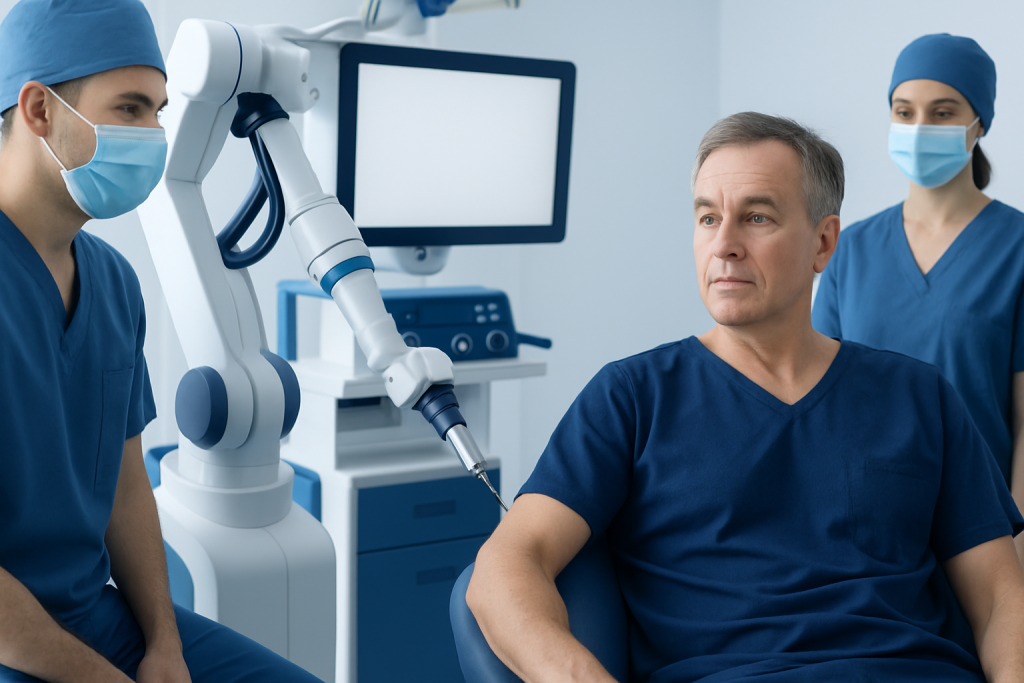
Shoulder surgery may be considered for people with ongoing pain, weakness, stiffness, instability, or repeated injury that has not improved with appropriate conservative care. Common reasons include a torn rotator cuff, recurrent dislocations, severe arthritis, fractures, labral tears, and persistent impingement. Surgery is usually based not only on the diagnosis, but also on how much the problem affects sleep, work, self-care, sports, or quality of life.
Good candidates often have symptoms that match clear findings on examination and imaging. For example, a patient with a significant tendon tear, marked weakness, and MRI evidence of structural damage may benefit more from surgery than someone with mild pain but no major tissue injury. In some situations, such as acute traumatic tears or unstable fractures, earlier surgery may offer a better chance of restoring function.
Doctors also look at overall health before recommending an operation. Smoking, poorly controlled diabetes, severe osteoporosis, some heart or lung conditions, and inability to follow rehabilitation may affect timing or outcomes. A person with inflammatory joint disease or advanced wear in the shoulder may need evaluation for conditions such as shoulder arthritis, while others with tendon-related pain may first be assessed for rotator cuff tear and whether repair is likely to help.
Types of shoulder surgery and the step-by-step process

There is no single operation called shoulder surgery. Instead, the procedure is tailored to the problem being treated. Common examples include shoulder arthroscopy, rotator cuff repair, labral repair, stabilization surgery for recurrent dislocation, fracture fixation, and joint replacement. Some procedures are minimally invasive, while others need a larger incision for better access or implant placement.
Before surgery, the patient usually has a medical review, imaging, blood tests if needed, and a discussion about anesthesia, expected recovery, and rehabilitation. On the day of surgery, the team confirms the operative shoulder, places monitoring equipment, and gives anesthesia. This may involve general anesthesia, a regional nerve block, or both to improve pain control after the operation.
During arthroscopy, the surgeon inserts a small camera through tiny incisions and uses specialized instruments to inspect and treat the joint. This approach may be used for arthroscopic shoulder surgery to remove inflamed tissue, repair a labral tear, or treat certain tendon problems. If the rotator cuff is torn, the surgeon may reattach the tendon to bone using sutures and anchors through rotator cuff repair.
For severe arthritis or complex damage, the surgeon may remove worn joint surfaces and replace them with artificial components. This can be a total, partial, or reverse shoulder replacement depending on the pattern of joint wear and tendon function. At the end of the procedure, the incisions are closed, a dressing is applied, and the arm is usually placed in a sling before the patient begins early recovery and follow-up care.
Diagnosis and planning before surgery
Careful diagnosis is important because shoulder pain can come from several different structures, and treatment is most effective when the true cause is identified. A doctor typically asks about how the pain started, whether there was an injury, what movements make symptoms worse, and whether there is weakness, locking, numbness, or a feeling that the shoulder slips out of place. A physical examination checks range of motion, strength, stability, and signs of tendon or joint damage.
Imaging often helps confirm the diagnosis. X-rays are useful for fractures, arthritis, bone spurs, and joint alignment. MRI is commonly used to assess soft tissues such as the rotator cuff, labrum, and cartilage. Ultrasound may also help evaluate tendon problems, while CT scans can provide additional detail in fractures or complex joint changes.
Preoperative planning includes deciding whether surgery is truly needed and which technique is most suitable. The doctor also reviews medicines, allergies, prior operations, smoking status, and other medical conditions. Patients are usually advised about fasting, stopping certain medications if appropriate, arranging help at home, and understanding the rehabilitation plan in advance, since recovery is often as important as the operation itself.
Benefits, risks, and possible complications
The main benefits of shoulder surgery are pain relief, improved stability, better movement, and restoration of function. In many patients, surgery can make it easier to sleep, dress, lift the arm, work, or return to sports and exercise. For people with severe arthritis or major structural injury, an operation may also prevent further decline and allow more consistent daily activity.
However, outcomes vary depending on the diagnosis, tissue quality, age, timing of surgery, and commitment to rehabilitation. Surgery can improve symptoms, but it may not restore the shoulder to exactly how it felt before injury or age-related wear. In chronic tendon tears or longstanding stiffness, improvement may be meaningful but gradual.
Like all operations, shoulder surgery carries risks. Possible complications include infection, bleeding, blood clots, nerve or blood vessel injury, stiffness, continued pain, failure of a tendon repair to heal, re-dislocation after stabilization surgery, implant-related problems after replacement, and reactions related to anesthesia. While many complications are uncommon, patients should discuss their individual risk profile with the surgical team before making a decision.
Shoulder surgery recovery timeline and rehabilitation
Recovery after shoulder surgery depends on what was done. A small arthroscopic procedure may allow faster early movement, while rotator cuff repair, fracture fixation, or replacement usually needs a longer protected healing period. Many patients go home the same day, but some may stay in hospital longer depending on the procedure, pain control, or general health.
In the first days after surgery, the shoulder is often supported in a sling. Swelling, bruising, and discomfort are common at first and usually improve gradually. Doctors typically recommend pain management, icing, wound care, and gentle hand, wrist, and elbow movement. Driving, lifting, reaching overhead, and sleeping positions may need adjustment for a period of time.
Physical therapy is a central part of recovery. Rehabilitation often progresses in stages: early protection and passive motion, then active movement, then strengthening, and later return to more demanding tasks. Healing of repaired tendons or replaced joints takes time, so doing too much too early can be harmful, while doing too little can contribute to stiffness. Following the surgeon’s instructions closely is important.
As a general guide, desk-based activities may resume sooner than manual work. Light daily tasks may improve within a few weeks, but full recovery after major shoulder surgery often takes several months. Strength and endurance may continue to improve for 6 to 12 months, especially after tendon repair or replacement, and follow-up visits help track healing and adjust rehabilitation goals.
Self-care after surgery and how to support healing
Good self-care can make recovery smoother and safer. Patients are usually advised to keep dressings clean and dry as instructed, wear the sling for the recommended period, and attend all follow-up and therapy appointments. It is also helpful to prepare the home in advance by placing commonly used items within easy reach and arranging support for bathing, dressing, cooking, or transport if needed during the early phase.
Healthy lifestyle choices support tissue healing. Not smoking, eating balanced meals with enough protein, staying hydrated, and controlling chronic conditions such as diabetes can all help reduce complications. Sleep can be difficult after shoulder surgery, so using pillows for support or resting in a more upright position may improve comfort.
- Take medications only as directed by the treating doctor.
- Do prescribed exercises regularly, but avoid unapproved lifting or overhead activity.
- Watch for increasing redness, drainage, fever, or worsening pain.
- Report numbness, color change in the hand, or sudden swelling promptly.
For international patients who need specialist assessment, Acibadem International’s multidisciplinary orthopedic teams in JCI-accredited hospitals diagnose and treat shoulder conditions, including surgical and rehabilitation planning tailored to the individual procedure and recovery goals.
When to seek medical care
A person should seek medical care for shoulder pain that lasts more than a few weeks, pain after a fall or sudden injury, repeated dislocation, marked weakness, or inability to lift the arm. Medical review is also important when shoulder symptoms interfere with sleep, work, personal care, or sports despite rest and other treatment.
Urgent evaluation is needed if the shoulder looks visibly deformed after injury, if there is severe swelling, fever, increasing redness, chest symptoms, or numbness and color change in the arm or hand. After surgery, patients should contact their doctor promptly if pain suddenly worsens, the wound drains significantly, or movement becomes much more limited than expected.
Early assessment can help identify whether the problem is due to tendon damage, instability, arthritis, fracture, or another condition, and it allows the care team to recommend the most suitable next step. In many cases, surgery is only one part of treatment, and the best outcomes come from timely diagnosis, realistic expectations, and a structured rehabilitation plan.
Frequently asked questions
How painful is shoulder surgery?
Some pain and soreness are expected after shoulder surgery, especially in the first few days. Pain is usually managed with a combination of medication, icing, positioning, and sometimes a nerve block. Most patients notice gradual improvement as healing progresses.
How long does shoulder surgery recovery take?
Recovery time depends on the type of operation and the reason for surgery. Minor arthroscopic procedures may improve more quickly, while tendon repair or shoulder replacement often requires several months of rehabilitation. Full strength and function can continue improving for up to a year in some cases.
Will I need physical therapy after shoulder surgery?
In many cases, yes. Physical therapy helps restore movement, protect the repair, and rebuild strength in a safe sequence. The therapy plan is usually customized to the procedure and should be followed closely.
When can a person drive after shoulder surgery?
Driving should wait until the person can safely control the vehicle and is no longer limited by the sling, pain, or sedating medication. This timing varies by procedure and by the doctor’s instructions. Patients should ask their surgical team before returning to driving.
Is shoulder surgery always necessary for a rotator cuff tear?
No. Some rotator cuff tears can be managed with rest, physical therapy, pain relief, and activity changes, especially if symptoms are mild. Surgery may be more likely to help when there is significant weakness, a larger tear, or persistent symptoms despite non-surgical treatment.
What are the most common risks of shoulder surgery?
Commonly discussed risks include infection, stiffness, ongoing pain, bleeding, blood clots, and problems with healing. Certain procedures also have specific risks, such as re-tear after tendon repair or implant issues after joint replacement. A surgeon can explain which risks are most relevant for the individual patient.
References
- American Academy of Orthopaedic Surgeons
- National Institute of Arthritis and Musculoskeletal and Skin Diseases
- Mayo Clinic
- National Health Service
- MedlinePlus
This article is for general information only and is not a substitute for professional medical advice. Please consult a qualified doctor about your individual situation.
Joint and spine care in Turkey — expert assessment & treatment
JCI-accredited · board-certified surgeons · reply within 24h