Shoulder Replacement
Shoulder replacement is a surgical procedure that replaces damaged parts of the shoulder joint with artificial components to relieve pain, restore movement, and improve daily function.
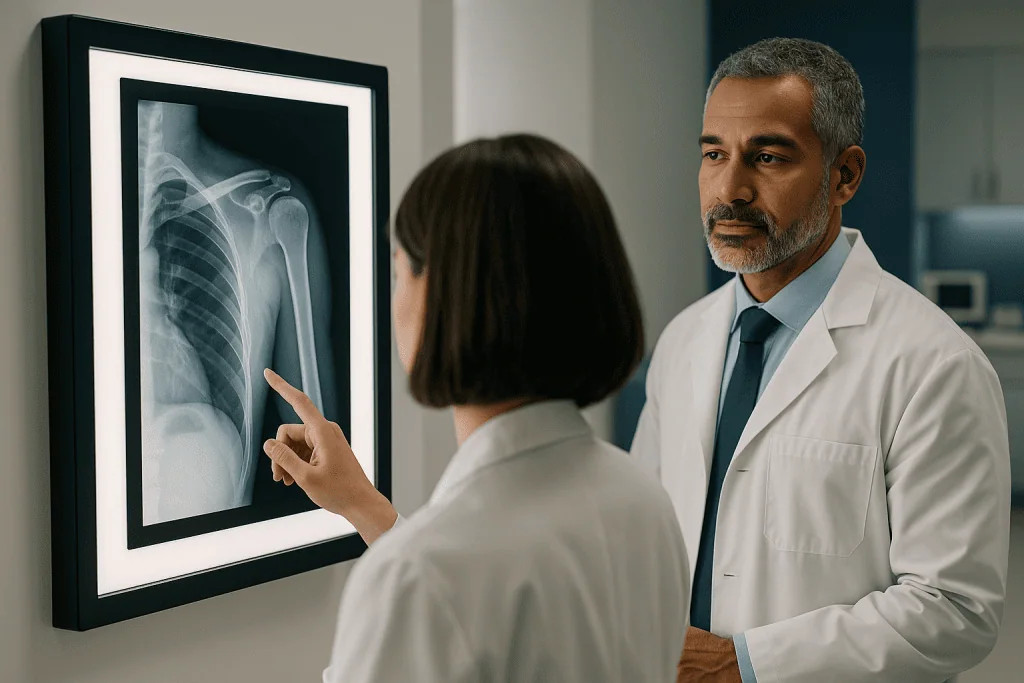
Quick answer
Shoulder replacement surgery removes the damaged surfaces of the shoulder joint and replaces them with artificial components: the ball, the socket, or both. It is considered when arthritis, fracture or rotator cuff failure causes pain and stiffness that no longer respond to medication, injections or physiotherapy. The operation typically takes a few hours, and recovery progresses over several months with structured physiotherapy.
What Is Shoulder Replacement Surgery?
Shoulder replacement surgery, also called shoulder arthroplasty, is an operation that removes the damaged surfaces of the shoulder joint and replaces them with artificial components. Its purpose is to relieve pain, restore smoother movement and give you back reliable use of the arm for everyday tasks. It is usually considered when arthritis, fracture or tendon failure has damaged the joint to the point where medication, injections and physiotherapy no longer provide acceptable relief.
The shoulder is a ball-and-socket joint. The rounded head of the upper arm bone, the humerus, forms the ball, and the shallow socket of the shoulder blade, called the glenoid, receives it. Healthy cartilage covers both surfaces and lets them glide against each other. When that cartilage wears away, bone begins to rub against bone. The result is pain, stiffness, grinding, weakness and a gradual loss of motion. Shoulder replacement addresses the problem at its source: the worn surfaces are removed and replaced with smooth artificial ones, so the joint can move without the friction that causes pain.
Persistent shoulder pain changes daily life in ways that are easy to underestimate until simple movements become difficult. Reaching into a cupboard, fastening a seat belt, lifting a child, washing your hair or sleeping on one side can all become painful. Many people live with shoulder arthritis or joint damage for years, hoping that injections, medication or therapy will be enough. For some, those treatments help for a long time. For others, pain steadily worsens, movement becomes more restricted, and the shoulder no longer supports normal independence. That is usually the point at which shoulder replacement surgery enters the conversation.
Considering the operation brings predictable questions. Is surgery truly necessary? How long does recovery take? Will the new joint feel natural? What will you be able to do afterwards, and what should you avoid? If you are travelling for treatment, you will also want to understand how imaging, consultation, surgery, rehabilitation and follow-up fit together across distance. This page answers those questions as plainly as the evidence allows.
One point matters more than any other. The goal is not simply to replace a joint, but to understand why the shoulder is failing, which type of replacement suits that specific problem, and how the operation fits into a longer plan for recovery. Two patients with identical pain can need very different operations. That is why careful evaluation by an experienced orthopaedic team comes before any decision about implants.
Types of Shoulder Replacement
There are several forms of shoulder replacement. The right one depends on the condition of the joint surfaces, the health of the rotator cuff tendons that surround the joint, the quality of the bone, and what you need the arm to do. No single design suits every shoulder, and choosing the wrong one for the underlying problem is a common reason for disappointing results elsewhere. The main options are described below.
Total shoulder replacement
In a total shoulder replacement, often called an anatomic total shoulder replacement, both the ball and the socket are replaced. The damaged humeral head is removed and replaced with a polished metal ball fixed to a stem or support within the arm bone, and the worn socket is resurfaced with a smooth artificial liner. This design recreates the shoulder’s natural mechanics as closely as possible, so it works best when the rotator cuff tendons are intact and functioning. It is the standard choice for advanced osteoarthritis with a healthy cuff.
Partial shoulder replacement
In a partial shoulder replacement, sometimes called hemiarthroplasty, only the ball of the joint is replaced and the natural socket is preserved. It may be considered in selected situations, such as certain fractures of the humeral head or damage that mainly affects one side of the joint. Because it leaves the natural socket in place, its suitability depends heavily on the condition of that remaining surface: a worn socket left behind can continue to cause pain.
Reverse shoulder replacement
Reverse shoulder replacement turns the normal ball-and-socket arrangement around: the ball is fixed to the shoulder blade and the socket sits on top of the arm bone. This is a deliberate change to the mechanics of the joint, not a variation in materials. When the rotator cuff is severely torn or absent, an anatomic implant has nothing to hold it centred and stable, and it tends to fail. The reversed geometry allows the deltoid, the large muscle over the top of the shoulder, to take over much of the lifting work the cuff can no longer do.
How does a reverse total shoulder replacement work?
A reverse total shoulder replacement works by shifting the joint’s centre of rotation inwards and downwards, which lengthens and tensions the deltoid and gives it better leverage to raise the arm. In practical terms, this means a patient whose rotator cuff has failed can regain the ability to lift the arm using a different muscle group entirely. Typical uses include rotator cuff tear arthropathy, some complex fractures in older adults, and certain revision operations where an earlier implant has failed. Rehabilitation after reverse shoulder replacement surgery follows different precautions and a different timetable from the anatomic version, which is one more reason the choice of implant must be made before surgery, not improvised during it.
Although these procedures differ technically, they share the same central aim: reducing pain and helping the shoulder work more reliably. The essential part of treatment is matching the implant type and surgical approach to your anatomy and diagnosis, rather than applying a one-size-fits-all solution.
Who May Need Shoulder Replacement Surgery?
Shoulder replacement surgery is usually considered for people with advanced joint damage who continue to have pain and disability despite appropriate non-surgical treatment. Most candidates have already tried some combination of anti-inflammatory medication, activity modification, physiotherapy, injections or previous shoulder procedures before replacement is discussed seriously.
The symptoms that typically lead to a specialist evaluation include ongoing shoulder pain at rest or with activity, night pain that interferes with sleep, stiffness, reduced range of motion, cracking or grinding within the joint, weakness, and difficulty with overhead movement. Some patients can no longer manage ordinary tasks such as dressing, grooming, cooking, driving comfortably or carrying light objects. Others describe a loss of confidence in the arm: it feels unstable or mechanically unreliable, so they stop trusting it.
Diagnosis begins with a detailed orthopaedic assessment. The physician reviews the pattern of pain, prior injuries, previous treatments, general health, hand dominance, work demands and personal activity goals. A careful physical examination helps distinguish joint disease from other causes of shoulder pain, such as tendon problems, cervical spine disorders, nerve compression or referred pain. This step matters: replacing a joint that is not the true source of symptoms helps no one.
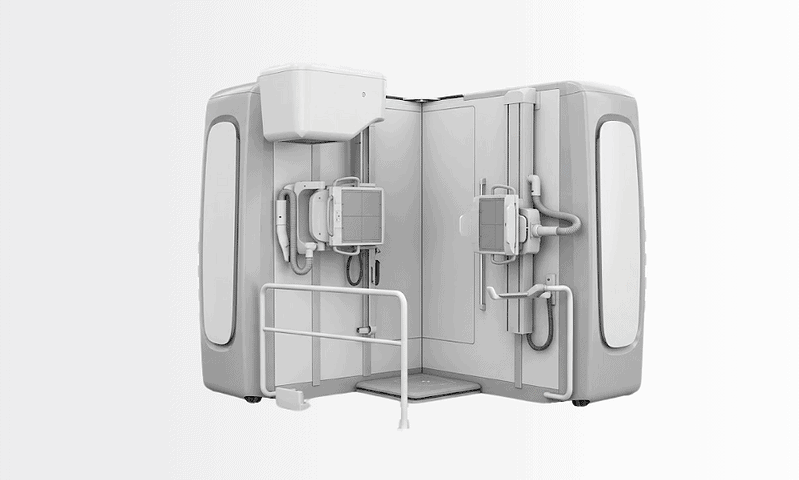
Imaging plays a central role. Standard X-rays often show joint space narrowing, bone spurs, bone loss, deformity, fracture healing problems, or implant changes in patients who have had prior surgery. In many cases, CT or MRI is used to assess bone shape, rotator cuff integrity, soft tissue damage and the degree of structural wear. These details are particularly important when deciding between an anatomic total replacement and a reverse design.
Patients who may be candidates often fall into one of several clinical situations:
- Long-standing arthritis causing progressive pain and stiffness
- Rotator cuff failure with secondary joint damage
- A severe fracture that cannot be reconstructed reliably
- Joint destruction from inflammatory disease
- Collapse or damage of the humeral head from poor blood supply
- Failed previous shoulder surgery requiring revision treatment
Not everyone with shoulder pain needs joint replacement. In earlier stages of disease, non-surgical treatment or less extensive procedures may still be appropriate. The decision usually rests on the severity of symptoms, the imaging findings, the condition of the rotator cuff, and whether your quality of life is meaningfully affected.
Is shoulder replacement a big surgery?
Yes. Shoulder replacement is a major operation involving general anaesthesia, removal of bone and joint surfaces, implantation of artificial components, a hospital stay, and several months of structured rehabilitation. It is smaller in physical scale than hip or knee replacement, and many patients tolerate it well, but it should not be undertaken casually. The seriousness of the surgery is exactly why it is reserved for joints that have genuinely failed, and why the decision deserves thorough evaluation rather than a quick answer.
Conditions Shoulder Replacement Can Address
The most common indication is osteoarthritisthe gradual wearing away of joint cartilage. It often develops with age but may also follow years of repetitive stress or an old injury. Patients typically experience worsening pain, stiffness and loss of motion over time, with symptoms that fluctuate at first and then become constant.
Another important indication is rotator cuff tear arthropathy. Here, a large and often chronic rotator cuff tear leads not only to weakness but to abnormal joint mechanics and progressive arthritis. These patients may struggle to raise the arm even when pain is not severe, because the muscles that centre the joint no longer work. Reverse replacement is often the appropriate option in this setting.
Rheumatoid arthritis and other inflammatory joint diseases can also destroy the shoulder. Modern medication has improved disease control for many patients, but some still develop joint destruction or tendon insufficiency that makes replacement necessary.
Complex fractures of the upper arm near the shoulder may also lead to replacement. In some older adults, the fracture pattern or bone quality makes internal fixation unreliable, and replacing part or all of the joint offers a more predictable path back to function. Replacement may also be recommended for malunion or nonunion after a fracture, when the bone has healed in a poor position, or has not healed at all.
Avascular necrosis, in which the blood supply to the humeral head is impaired, can cause the bone surface to collapse and the joint to deteriorate. It may follow trauma, steroid exposure or certain medical conditions, and sometimes occurs without a clearly identified cause.
Finally, some patients need revision shoulder replacement because a previous implant has worn, loosened, become unstable or failed for another reason. Revision cases are usually more complex and demand careful planning, especially where bone loss or soft tissue damage has accumulated around the earlier implant.
How Shoulder Replacement Surgery Is Performed
Shoulder replacement surgery begins long before the day of the operation. The process starts with confirming that the joint is the true source of your symptoms and that replacement is genuinely the most appropriate option. Once that decision is made, planning becomes detailed and specific to your anatomy.
Preparing for shoulder surgery
Preparation for shoulder surgery starts with a medical review of your overall fitness for anaesthesia and an operation. This may include blood tests, heart and lung assessment where indicated, and a review by your treating team of any medicines you take, blood thinners, diabetes drugs and immunosuppressive therapy are of particular interest, and the team will give you specific instructions about them. Imaging is analysed to understand the shape of the joint, the degree of bone wear, and the condition of the rotator cuff and surrounding tissues.
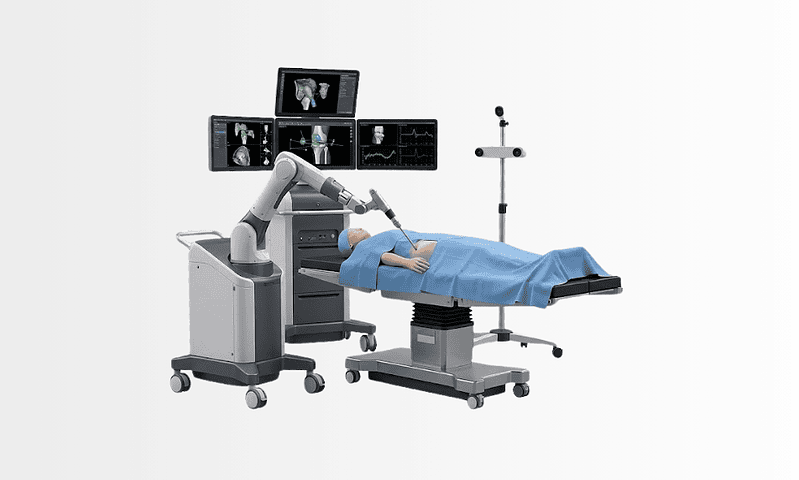
Modern planning often uses advanced imaging and digital templating to help the surgeon select implant size, position and alignment before the first incision. This is especially valuable where there is deformity, bone loss, previous surgery, or where a reverse design is planned. The purpose is not technical showmanship: it is to make the operation individualised and to improve the chance of a stable, functional joint.
You will also be counselled about rehabilitation before you agree to surgery. The operation can relieve pain effectively, but recovery still requires patience, protection of healing tissues and a structured physiotherapy programme. Understanding that in advance makes the weeks after surgery far easier to manage.
The day of surgery
The operation is typically performed under general anaesthesia, often combined with a regional nerve block that numbs the shoulder and arm. The block improves pain control in the first hours and days after surgery and may reduce the need for stronger pain medication early on. The surgeon usually makes an incision at the front of the shoulder, handling muscles and soft tissues carefully to reach the damaged joint. For an anatomic total replacement, the sequence generally runs as follows:
- The joint is exposed and the damaged humeral head is removed.
- The upper arm bone is prepared and fitted with a stem or support, to which the new metal ball is attached.
- The worn socket surface is prepared and fitted with a smooth artificial liner.
- Trial components are tested for stability, alignment and range of motion.
- The final implants are fixed securely, soft tissues are balanced and repaired, and the incision is closed.
In a partial replacement, the humeral head is replaced while the natural socket is preserved, so the socket steps are omitted. Throughout the operation, the team concentrates on alignment, stability, soft tissue balance and secure fixation. Specialised instruments, image-based planning and precision-guided techniques may be used to match implant position to your anatomy, particularly helpful where bone shape is distorted. Surgical time varies with complexity: many standard procedures take a few hours, but a revision or a case with major deformity takes longer, and exact timing differs from one patient to another.
How is reverse shoulder replacement surgery performed?
Reverse shoulder replacement surgery follows the same broad sequence but places the components the other way round: a ball is fixed to the prepared socket of the shoulder blade, and a socket-shaped component sits on the stem in the upper arm bone. Because the design relies on the deltoid muscle rather than the rotator cuff, the surgeon pays particular attention to deltoid tension and to positioning the centre of rotation correctly. Small differences in component placement have real consequences for how well the arm lifts afterwards, which is why preoperative planning is taken so seriously in these cases.
Immediately after surgery
After the operation you are observed in a recovery area while pain control, circulation, breathing and shoulder comfort are monitored. The arm is placed in a sling. Most protocols begin gentle movement of the hand, wrist and elbow early, keeping those joints supple while the shoulder itself is protected. Shoulder motion is introduced on a schedule that depends on the type of operation and the surgeon’s protocol.
Some patients go home relatively soon after surgery; others stay in hospital longer, particularly if they are older, have other health conditions, are recovering from a complex reconstruction, or have travelled internationally and benefit from additional observation before making a journey home.
Shoulder Replacement Recovery: What to Expect
Shoulder replacement recovery is progressive rather than immediate, and it helps to plan around a realistic timetable rather than an optimistic one. Pain usually improves before strength does, and strength improves before the final range of motion settles. The table below sets out a general pattern; your own protocol will depend on the type of replacement, whether tendons were repaired, and the quality of your bone and soft tissue.
| Time Period | What Patients Can Expect |
|---|---|
| Day 1 | The arm is in a sling. Pain control begins immediately, and you start basic movement of the hand, wrist and elbow. Early discharge may be possible for some patients; others remain under observation. |
| First week | Soreness, swelling and fatigue are common. The focus is on wound care, safe movement, sleep positioning and following restrictions. Guided therapy may begin with gentle exercises, depending on the surgical plan. |
| First month | Pain often continues to improve. You gradually increase guided motion while still protecting healing tissues. Many patients manage light daily activities with modifications. |
| Months 2 to 3 | Range of motion usually expands further, and strengthening begins or progresses. Functional use of the arm improves, though heavy lifting and demanding activity remain limited. |
| Longer term | Recovery continues over several months. Many patients achieve meaningful pain relief and improved function, but the final level of motion and strength depends on the original diagnosis, tissue condition, implant type and rehabilitation. |
Physiotherapy runs through the whole process. Early on, the goals are pain control, wound healing, swelling reduction and protection of the repair. The programme then advances range of motion and, later, strength. The timing of each stage varies, reverse replacements follow different precautions from anatomic ones, and a shoulder that was stiff for years before surgery moves more slowly than one that was not.
How bad is the pain after shoulder replacement?
Post-operative pain is real but generally manageable, and for most patients it is different in character from the arthritis pain they had before, surgical soreness that fades week by week, rather than the deep, grinding joint pain that brought them to surgery. A regional nerve block usually keeps the first hours comfortable, and pain medication is adjusted as healing progresses. Many patients report that the constant ache and night pain of their arthritis begin to ease surprisingly early, even while surgical soreness is still settling. Discomfort during physiotherapy is normal; sharp or worsening pain is something to raise with your care team.
What can you never do again after shoulder replacement?
Honest answer: most everyday activities come back, but permanent common-sense limits usually remain. Surgeons generally advise avoiding repetitive heavy overhead labour, high-impact loading of the arm and very heavy lifting for the long term, because these accelerate implant wear and loosening. Contact sports are usually discouraged. Specific movement restrictions differ by implant type, reverse replacements have their own precautions, and your surgeon will define yours precisely. Activities such as swimming, golf, cycling, gardening and most recreational exercise are commonly resumed once healing and strength allow. The replaced shoulder is designed for a normal life, not for punishment.
Planning the practical side of recovery
Because one arm is in a sling for weeks, small practical decisions matter more than people expect. Sleeping is often the hardest part early on, many patients rest better semi-upright at first, and our guide to sleep positions after surgery covers workable arrangements in detail. Nutrition supports tissue healing, and a simple plan such as the one in what to eat after surgery is easier to follow than improvising one-handed. If you are travelling for treatment, front-opening clothing and a well-chosen bag make daily life noticeably easier, see how to pack for surgery recovery. And if a flight home is part of your plan, the mobility and timing considerations discussed in flying after knee or hip replacement surgery apply in similar form after shoulder surgery: clear the journey with your surgeon first, and build in margin rather than booking the earliest possible seat.
Benefits of Shoulder Replacement
When the operation is appropriate for the problem, the benefits often extend well beyond the joint itself.
| Benefit | What It Means for You |
|---|---|
| Pain relief | Many patients experience substantial reduction in chronic joint pain, including the night pain that interferes with sleep and routine activities. |
| Improved range of motion | The shoulder may move more freely, making it easier to reach, dress, groom and perform daily tasks. |
| Better function | Activities that became difficult because of arthritis, weakness or stiffness may become more manageable and comfortable. |
| Greater joint stability | In selected patients, especially those with severe structural damage, replacement can provide a more reliable and mechanically sound joint. |
| Improved quality of life | Less pain and better shoulder use often support better sleep, greater independence, and a return to valued routines. |
Risks and Limitations
Like any major operation, shoulder replacement carries risks, and you should hear them stated plainly. They include infection, bleeding, nerve or blood vessel injury, reactions to anaesthesia, blood clots, fracture during or after surgery, stiffness, instability or dislocation of the new joint, and, over the longer term, loosening or wear of the implant that can eventually require revision surgery. Reverse replacements carry their own specific risks related to their altered mechanics. Your surgeon should discuss which of these apply most to your situation, because risk is not evenly distributed: a healthy patient having a first-time replacement for osteoarthritis faces a different profile from a patient having a complex revision.
What is the downside of shoulder replacement?
The main downsides are the length of rehabilitation, permanent activity limits, and the fact that an artificial joint is a mechanical device that can wear or loosen over the years, which matters more the younger and more active you are. Recovery demands months of disciplined physiotherapy, and the final range of motion is not always equal to a healthy natural shoulder, particularly if the joint was stiff or the muscles wasted before surgery. None of this makes the operation a bad choice for the right patient; it makes it a decision to take with clear eyes and realistic expectations.
Why Acting Early Matters
Shoulder replacement is rarely an emergency, but delaying it for too long can make the situation more complex. Chronic pain leads to reduced activity, loss of muscle conditioning, disturbed sleep and growing dependence on the opposite arm. Over time, stiffness can worsen to the point that movement becomes increasingly difficult to recover, even with a well-performed operation.
In some patients, progressive wear changes the shape of the joint and erodes bone. This can complicate implant placement and narrow the available surgical options. Ongoing rotator cuff damage can also change which type of replacement is appropriate: a patient who might once have been suitable for a standard anatomic replacement may later require a reverse design if tendon failure progresses.
There is a quality-of-life cost to delay as well. People adapt quietly to shoulder dysfunction by abandoning the activities they value. They stop exercising, reduce social participation, sleep badly and lean more heavily on pain medication. Acting at the right time helps preserve function and may simplify the reconstruction before secondary problems become entrenched. “The right time” is not the same as “as soon as possible”: it is the point at which non-surgical treatment has genuinely stopped working and the joint damage is advanced enough to justify surgery.
What Influences a Good Outcome
Shoulder replacement is generally a successful procedure for carefully selected patients, particularly for pain relief. Still, outcomes vary, and it is worth understanding why before you commit.
The underlying diagnosis matters most. Patients with primary osteoarthritis and an intact rotator cuff often do very well with an anatomic total replacement. Patients with rotator cuff tear arthropathy can also improve substantially, particularly with a reverse design, but their mechanics and rehabilitation needs differ. Complex fracture cases and revision procedures are more demanding and tend to follow a less predictable course.
The condition of muscles, tendons and bone comes next. A severely damaged cuff, poor bone quality, bone loss in the socket or prior surgery all influence implant choice and final function. These are precisely the issues that make detailed imaging and specialist planning so valuable before anyone commits to a particular operation.
Timing plays a role. Surgery performed after years of severe stiffness, progressive deformity or muscle wasting can still help greatly, but the restoration of movement may be more limited than with earlier intervention.
General health is a genuine factor, not a formality. Diabetes, smoking, inflammatory disease, obesity, poor nutrition and other medical conditions can affect wound healing, infection risk, rehabilitation tolerance and recovery speed. Optimising your health before surgery, under your treating team’s direction, improves the overall course.
Rehabilitation participation is essential. Shoulder replacement is not only an operation; it is a structured recovery process. Patients who understand sling use, movement precautions and the progression of therapy are better prepared for the weeks ahead. Following the prescribed programme protects healing tissues while motion and strength are gradually rebuilt, skipping it undermines even a technically excellent operation.
Expectations should match the procedure. The main goals are pain relief and meaningful functional improvement, not a return to unrestricted heavy labour or high-demand sport. Many patients regain comfortable use of the arm for routine life, but the exact level of motion and strength varies from person to person, and no honest surgeon will promise otherwise.
How Acibadem Approaches Shoulder Replacement
Shoulder replacement works best when diagnosis, implant selection, anaesthesia planning, surgery and rehabilitation are handled as one connected process rather than separate events. At Acibadem, the operation sits within an orthopaedic pathway that draws on multidisciplinary input where the case requires it: patients with complex histories, previous shoulder operations, fracture-related problems, inflammatory disease or significant medical conditions may be reviewed jointly by orthopaedic surgeons, radiologists, anaesthesiologists, internal medicine specialists and rehabilitation teams, so that the plan reflects both the state of the shoulder and your wider health.
Technology contributes in practical rather than decorative ways. Advanced imaging, digital preoperative planning, modern operating theatre systems and precision-oriented surgical tools help surgeons assess anatomy, plan implant positioning and manage challenging deformity or revision cases with greater consistency. For you, this supports an individualised surgical strategy rather than a generalised one.
For patients coming from abroad, communication and coordination shape the experience as much as the medicine does. Acibadem International supports patients in more than 20 languages and coordinates the logistical side of treatment, medical record review, scheduling, travel arrangements and planning of the hospital stay, so that imaging, consultation, surgery and follow-up connect sensibly across distance. Treatment plans remain individual throughout: some patients need confirmation that replacement is warranted at all; others want an independent view on whether an anatomic or reverse design fits their shoulder, whether an earlier operation can be revised, or whether conservative care still has value. A careful review of symptoms, imaging, function and expectations comes before any recommendation, rather than a default march towards surgery.
Deciding Whether Shoulder Replacement Is Right for You
The decision ultimately rests on a handful of honest questions, worked through with a specialist who has examined you and your imaging. Is the joint itself, not a tendon, nerve or the neck, the true source of pain? Has non-surgical treatment genuinely been exhausted, or merely sampled? Is the damage advanced enough to justify a major operation? Which implant design fits the condition of your rotator cuff and bone? And are you prepared for months of rehabilitation and the permanent activity limits that come with an artificial joint?
When you discuss the operation with any surgeon, these points are worth covering explicitly:
- The specific diagnosis and what the imaging shows about cartilage, bone and the rotator cuff
- Which type of replacement is recommended for you, and why the alternatives were ruled out
- What the realistic best case and worst case look like for pain, motion and strength
- The rehabilitation timetable and the restrictions that apply in each phase
- How long the implant is expected to serve, and what a future revision would involve
A second opinion is a reasonable and common step before joint replacement of any kind: a well-planned operation withstands scrutiny, and the questions above give any consultation a solid structure. For the right indication, shoulder replacement offers meaningful relief from a joint that has stopped cooperating with your life, and a realistic route back to sleeping through the night, dressing without wincing, and trusting your arm again.
Preparation
- Before shoulder replacement, patients usually have an orthopedic evaluation, imaging tests, and routine blood work to plan the procedure safely. You may need to stop certain medications, fast before surgery, and arrange help at home for the first days after discharge.
Aftercare
- After surgery, the arm is often supported in a sling and rehabilitation begins with guided exercises to restore motion and strength. Pain control, wound care, and follow-up visits are important, and full recovery typically progresses over several months with physical therapy.
Frequently Asked Questions
What is shoulder replacement surgery and when is it needed?
Shoulder replacement is an operation that replaces damaged parts of the shoulder joint with artificial components to reduce pain and improve movement. It is usually recommended when severe arthritis, a complex fracture, rotator cuff arthropathy, or long-term joint damage makes daily activities difficult and non-surgical treatments no longer help enough. At Acibadem, orthopedic specialists evaluate pain, imaging, motion, and overall health to decide whether shoulder replacement is the most suitable option.
Who is a good candidate for shoulder replacement?
Good candidates are people with persistent shoulder pain, stiffness, weakness, or loss of function that interferes with sleep, work, or daily life despite medication, injections, or physiotherapy. Candidacy also depends on bone quality, tendon condition, age, activity level, and general health. Some patients need a standard total shoulder replacement, while others benefit more from reverse shoulder replacement. Acibadem specialists provide a personalized assessment to choose the safest and most effective approach.
What is the difference between total shoulder replacement and reverse shoulder replacement?
In a standard total shoulder replacement, the damaged ball and socket are replaced in a way that closely matches normal anatomy. In a reverse shoulder replacement, the ball and socket positions are switched, which helps the deltoid muscle lift the arm when the rotator cuff is severely damaged. The best option depends on arthritis type, tendon health, previous surgery, and bone condition. Acibadem surgeons use detailed imaging and examination to recommend the right implant design.
How painful is shoulder replacement surgery and recovery?
Some pain and soreness are expected after surgery, especially in the first days, but pain is usually managed with modern anesthesia and medications. Many patients notice that their long-standing arthritic pain improves as healing progresses. Temporary discomfort from the incision, swelling, and rehabilitation is normal. The arm is often supported in a sling for a period recommended by the surgeon. At Acibadem, the pain-control plan is tailored to each patient’s needs and medical history.
How long does it take to recover from shoulder replacement?
Recovery happens in stages. Many patients go home within a few days, but full recovery and strength improvement take longer. You will usually begin guided movement early, then progress to physiotherapy over weeks and months. Returning to desk work may be possible sooner than returning to heavy lifting or sports. The exact timeline depends on the type of replacement, tissue healing, and your starting condition. Acibadem specialists create a personalized rehabilitation program for each patient.
Will I need physical therapy after shoulder replacement?
Yes, physical therapy is a very important part of recovery. Rehabilitation helps restore safe movement, improve strength, reduce stiffness, and protect the new joint while tissues heal. The program usually starts with gentle exercises and gradually progresses based on your surgery type and healing speed. Doing too much too soon can be harmful, while avoiding movement can also slow recovery. At Acibadem, physiotherapy plans are coordinated closely with your orthopedic team for the best possible progress.
How long does a shoulder replacement last?
A shoulder replacement is designed to be durable, and many implants function well for many years. Longevity depends on factors such as implant type, bone quality, activity level, body mechanics, and whether there have been previous shoulder problems or surgeries. Following rehabilitation advice and avoiding excessive strain can help protect the joint. If wear, loosening, or other issues develop later, revision surgery may sometimes be considered. Acibadem specialists discuss long-term expectations based on your individual situation.
What are the risks or complications of shoulder replacement surgery?
As with any major joint surgery, there are possible risks, including infection, bleeding, blood clots, nerve injury, stiffness, dislocation, implant loosening, fracture, or ongoing pain. These complications are not common, but they are important to understand before treatment. Your surgeon also considers health conditions such as diabetes, heart disease, and smoking status, which can affect healing. At Acibadem, careful preoperative assessment, surgical planning, and follow-up are used to reduce risks as much as possible.
Can international patients travel to Turkey for shoulder replacement surgery?
Yes, many international patients travel to Turkey for shoulder replacement. Before planning travel, you usually send medical records, imaging, and a summary of symptoms for review. After surgery, you will need time in Turkey for hospital care, early rehabilitation, and follow-up before flying home. Travel timing depends on your condition, the operation performed, and your general health. Acibadem teams can help coordinate medical evaluation, hospitalization, and post-treatment guidance for international patients.
How much does shoulder replacement cost in Turkey?
The cost of shoulder replacement in Turkey can vary depending on the hospital, surgeon’s evaluation, implant type, complexity of the case, length of stay, imaging, anesthesia, and rehabilitation needs. Standard and reverse shoulder replacements may differ in total cost, and revision cases are often more complex. The most reliable way to understand pricing is to have your records reviewed first. Acibadem specialists provide a personalized assessment and a treatment plan based on your medical needs.
Medically reviewed by the Acıbadem International Medical Board September 1, 2026
See our medical review board →
Update history
- PublishedJuly 19, 2026
- Medical review approvedSeptember 1, 2026
- Last content updateSeptember 1, 2026
From the Acibadem Blog

Shoulder Replacement Recovery: Timeline, Sling Life and Real Milestones
Most people wear a sling for about two to six weeks after shoulder replacement, regain everyday reach by three months, and see strength keep…

Is Shoulder Replacement Right for Your Arthritis? What Surgeons Assess Before Recommending It
A shoulder replacement candidate is usually someone with advanced shoulder arthritis whose pain and stiffness continue despite months of non-surgical care, with X-rays showing…

Preparing for Shoulder Replacement: Imaging, Blood Work, Fasting and the Medicine Pause
Preparing for shoulder replacement surgery usually means a pre-operative visit with X-rays and often a CT scan, blood tests and sometimes a heart tracing,…

How Is Pain Managed After Shoulder Replacement? Nerve Blocks and the First Nights Explained
Pain after shoulder replacement is usually managed in layers: a regional nerve block placed before surgery numbs the shoulder for roughly the first day,…

Reverse Shoulder Replacement: Why the Design Is Backwards on Purpose
A reverse shoulder replacement intentionally swaps the joint's anatomy, placing a metal ball on the shoulder blade and a socket on the upper…