Mental Status Exam: An Evidence-Based Guide for Patients

A mental status exam is a conversation-based clinical assessment, not a single lab test or brain scan. It looks at multiple areas such as mood, speech, orientation, memory, attention, and judgment.
Key Takeaways
- A mental status exam is a conversation-based clinical assessment, not a single lab test or brain scan.
- It looks at multiple areas such as mood, speech, orientation, memory, attention, and judgment.
- The exam can help identify mental health conditions, neurological problems, delirium, substance effects, or medication-related changes.
- Results are interpreted together with medical history, physical examination, and sometimes blood tests or brain imaging.
- Sudden confusion, unsafe behavior, or thoughts of self-harm need urgent medical attention.
A mental status exam is a brief, structured clinical assessment of a person’s appearance, behavior, mood, speech, thinking, memory, attention, and awareness. It helps doctors understand how the brain and mental state are functioning and whether further testing or treatment may be needed.
Overview: what a mental status exam is
A mental status exam is a structured way for a clinician to observe and describe how a person is thinking, feeling, communicating, and understanding the world around them. In simple terms, it is a focused check of mental functioning done during a medical or psychological visit. The goal is not to judge personality, but to gather clinical information that can guide diagnosis and treatment.
Unlike a blood test or scan, the mental status exam is based on conversation, observation, and a few short tasks. A doctor, psychiatrist, neurologist, psychologist, or other trained professional may ask questions about the date, current location, recent events, mood, sleep, concentration, and memory. The clinician also notes speech patterns, eye contact, movement, and whether thoughts seem organized or confused.
This exam can be useful in many settings. It may be part of an evaluation for depression, anxiety, psychosis, dementia, concussion, stroke, infection, medication side effects, or sudden confusion known as delirium. It can also help track changes over time, such as whether symptoms are improving with treatment or whether new concerns have appeared.
What the exam looks at
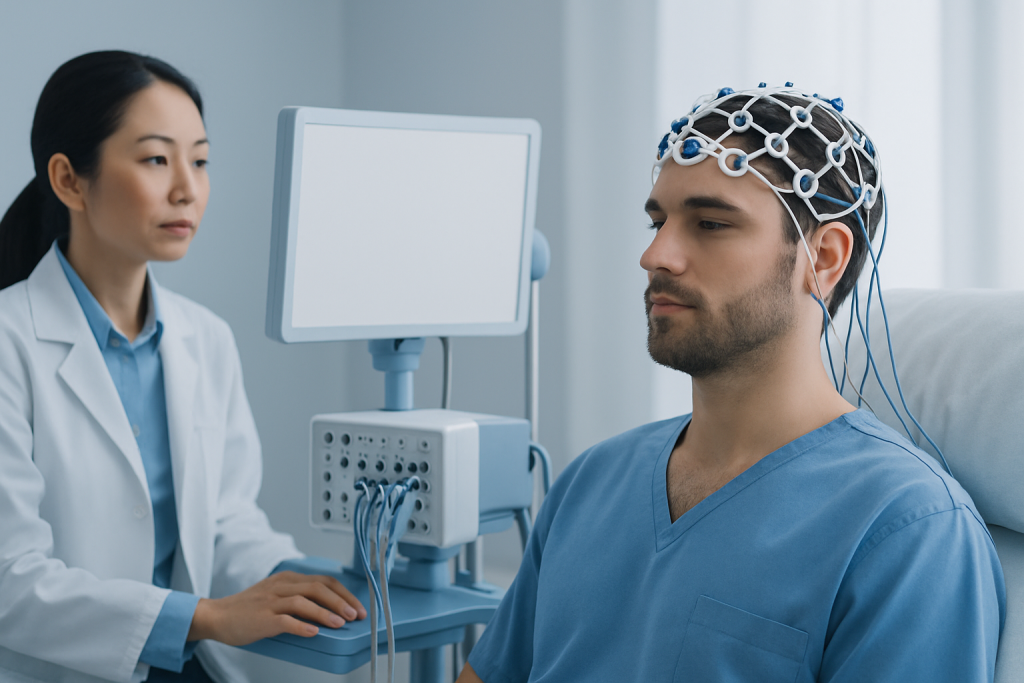
The mental status exam usually covers several domains rather than producing one single score. Although the exact format varies, clinicians commonly assess appearance and behavior, speech, mood and affect, thought process, thought content, perception, cognition, insight, and judgment. Looking at these areas together gives a fuller picture than focusing on one symptom alone.
Appearance and behavior include how a person is dressed, whether they seem agitated or slowed down, and how they interact during the visit. Speech is assessed for rate, volume, clarity, and whether it is easy to follow. Mood refers to the person’s internal emotional state, while affect describes the outward expression of emotion.
Thought process looks at whether ideas are logical, organized, and goal directed. Thought content refers to what a person is thinking about, including worries, false beliefs, or thoughts of self-harm. Perception explores experiences such as hearing or seeing things others do not. Cognition includes attention, orientation, memory, and sometimes language or problem-solving skills.
- Orientation: awareness of person, place, time, and situation
- Attention: ability to focus and maintain concentration
- Memory: immediate, recent, and remote recall
- Insight: awareness of having symptoms or illness
- Judgment: ability to make safe, reasonable decisions
What patients can expect during the appointment

For many patients, the exam feels like a guided conversation rather than a formal test. The clinician may begin with open-ended questions such as how the person has been feeling, what concerns brought them in, and whether symptoms began suddenly or gradually. They may ask about sleep, appetite, work or school functioning, recent stress, and any history of mental health or neurological conditions.
Some parts involve simple tasks. A person may be asked to name the current date, repeat a few words, spell a word backward, count backward, follow a short instruction, or remember items after a few minutes. These tasks are not designed to embarrass the patient; they help the clinician understand attention, language, and memory in a practical way.
It is also common to review medications, alcohol use, substance use, head injuries, recent infections, and chronic illnesses. Physical symptoms can affect mental state, so the assessment often fits into a broader medical evaluation. In some cases, clinicians may recommend more detailed neurological rehabilitation assessment or a formal neuropsychological evaluation if cognitive concerns are ongoing or complex.
Why a mental status exam is done
The exam helps clinicians answer several important questions. Is a person’s behavior consistent with depression, anxiety, mania, psychosis, dementia, delirium, or a neurological disorder? Are symptoms new and sudden, or long-standing and stable? Could a medical illness, medication, or substance be contributing to changes in thinking or behavior?
A mental status exam is often especially helpful when symptoms overlap. For example, poor concentration can occur with anxiety, sleep deprivation, depression, concussion, or early cognitive decline. Confusion may point to delirium from infection or medication effects, while memory complaints may reflect stress, depression, or a neurodegenerative condition such as Alzheimer’s disease. Careful clinical observation helps narrow these possibilities.
The findings also guide next steps. Depending on the situation, a clinician may recommend laboratory tests, a physical exam, medication review, brain imaging, or referral to a specialist in psychiatry, neurology, geriatrics, or psychology. If stroke-like symptoms, sudden weakness, or abrupt mental changes are present, urgent assessment for conditions such as stroke may be needed.
How results are interpreted
Mental status exam results are descriptive, meaning the clinician documents what was observed and how the person responded. Rather than simply labeling the exam as normal or abnormal, the report may note findings such as slow speech, flat affect, impaired short-term memory, poor attention, intact orientation, or limited insight. These observations help form a clinical impression, but they do not stand alone.
Interpretation depends on age, education, language, culture, hearing or vision problems, baseline functioning, and the reason for evaluation. For example, a person who is highly anxious may perform poorly on concentration tasks even without a neurological disease. Similarly, someone recovering from sleep deprivation or severe pain may appear distracted or slowed temporarily.
Because of this, clinicians combine the mental status exam with history, physical findings, and additional tests when needed. In some cases, imaging such as MRI may help evaluate structural brain causes of cognitive or behavioral change. If there is concern about seizure-related episodes, prior brain injury, or another neurological disorder, the doctor may tailor further investigations carefully.
Conditions and factors that can affect mental status
Many different health issues can influence mental status. Mental health conditions such as depression, bipolar disorder, anxiety disorders, psychotic disorders, and trauma-related conditions may change mood, speech, thought patterns, or concentration. Neurological conditions such as dementia, epilepsy, Parkinson’s disease, multiple sclerosis, and traumatic brain injury may also affect cognition and behavior.
Medical causes are equally important. Infections, dehydration, low oxygen levels, thyroid disease, vitamin deficiencies, liver or kidney problems, and blood sugar abnormalities can all alter mental functioning. Medication side effects, alcohol, recreational drugs, and withdrawal states are also common contributors, especially when symptoms start suddenly.
Older adults are at particular risk of abrupt mental status changes from delirium, which often develops over hours to days and has a physical trigger. Children and younger adults can also have changes related to infection, seizures, concussion, or severe psychiatric illness. When memory loss is a concern, doctors may evaluate for disorders such as dementia while also checking for treatable causes.
Treatment, follow-up, and self-care
There is no single treatment for an abnormal mental status exam because care depends on the underlying cause. Some patients need treatment for depression, anxiety, psychosis, or substance use. Others may need management of infection, metabolic imbalance, sleep problems, medication side effects, or neurological disease. The exam helps point clinicians toward the next most appropriate step.
Treatment may include counseling, medication, medical stabilization, cognitive rehabilitation, or specialist referral. If symptoms suggest a neurological problem, doctors may advise a consultation in neurology or coordinated care involving psychiatry and internal medicine. Follow-up visits are often important because mental status can change over time, and repeat assessment helps show whether treatment is helping.
Self-care does not replace medical evaluation, but it can support recovery. Helpful steps may include taking medications only as prescribed, avoiding alcohol or recreational drugs when advised, maintaining regular sleep, staying hydrated, and bringing a family member to appointments if memory or confusion is a concern. Near the end of a diagnostic journey, some patients benefit from multidisciplinary evaluation; Acibadem International’s JCI-accredited hospitals support international patients with specialist assessment and treatment planning when mental or neurological symptoms are complex.
When to seek medical care
Medical care is appropriate whenever changes in thinking, mood, memory, or behavior are affecting daily life, relationships, work, or safety. An appointment should be arranged if there is new forgetfulness, persistent low mood, severe anxiety, marked sleep disturbance, hallucinations, suspiciousness, or trouble managing routine tasks. It is also reasonable to seek assessment if family members notice changes that the person does not fully recognize.
Urgent care is needed for sudden confusion, rapidly worsening agitation, disorientation, inability to stay awake, new seizure activity, head injury, or mental status changes accompanied by fever, severe headache, weakness, trouble speaking, or chest pain. Emergency help is also needed for thoughts of self-harm, suicidal intent, violent behavior, or inability to care for basic needs safely. In these situations, prompt evaluation can identify serious medical or psychiatric causes and guide immediate treatment.
Frequently asked questions
Is a mental status exam the same as a psychological test?
No. A mental status exam is a brief clinical assessment done during an appointment, while psychological testing is usually more detailed and standardized. The mental status exam helps the clinician decide whether further testing is needed.
How long does a mental status exam take?
It often takes only a few minutes as part of a broader visit, although a more complex evaluation may take longer. The time depends on the person’s symptoms, communication needs, and whether there are memory or neurological concerns.
Can a mental status exam diagnose dementia?
It can raise concern for dementia, but it does not usually confirm the diagnosis by itself. Doctors also consider history, physical examination, lab tests, functional changes, and sometimes brain imaging or formal cognitive testing.
What if someone performs poorly because they are anxious or tired?
That can happen, which is why results are interpreted in context. Anxiety, poor sleep, pain, medications, language differences, and hearing or vision problems can all affect performance and may lead the clinician to repeat or expand the assessment.
Do patients need to prepare for a mental status exam?
Usually no special preparation is needed. It can help to bring a medication list, note recent symptoms, and invite a trusted family member if there are concerns about memory, confusion, or changes in behavior.
Is the mental status exam only for psychiatric conditions?
No. It is also used in general medicine, emergency care, neurology, geriatrics, and rehabilitation. Many physical illnesses can change mental state, so the exam is relevant far beyond psychiatry.
References
- National Institute of Mental Health
- American Psychiatric Association
- National Institute on Aging
- Centers for Disease Control and Prevention
- World Health Organization
This article is for general information only and is not a substitute for professional medical advice. Please consult a qualified doctor about your individual situation.
Explore treatments in Turkey — costs, top hospitals & a free quote
JCI-accredited · board-certified surgeons · reply within 24h