Will a UTI Cause Bloating — Explained by Medical Evidence, Not Myths

A UTI may cause lower abdominal pressure or a bloated feeling, especially with bladder irritation. Classic UTI symptoms are burning with urination, urgency, frequency, and pelvic discomfort.
Key Takeaways
- A UTI may cause lower abdominal pressure or a bloated feeling, especially with bladder irritation.
- Classic UTI symptoms are burning with urination, urgency, frequency, and pelvic discomfort.
- Significant or persistent bloating is not a hallmark UTI symptom and may have another cause.
- Fever, flank pain, vomiting, confusion, or blood in the urine need prompt medical evaluation.
- A urine test helps confirm a UTI and guides the most appropriate treatment.
Yes, a urinary tract infection can sometimes cause a feeling of lower abdominal fullness, pressure, or mild swelling-like discomfort. However, true bloating is not the most typical UTI symptom, so ongoing or marked bloating may suggest another digestive, gynecologic, or urinary issue that should be assessed.
Overview: Can a UTI really cause bloating?
In some people, the answer is yes: a urinary tract infection can cause a sensation described as bloating, but it is usually more accurate to call it lower abdominal pressure, pelvic fullness, or discomfort over the bladder. This can happen when the bladder lining becomes inflamed and sensitive, making the lower belly feel tight, heavy, or swollen even when there is no true increase in gas or abdominal distension.
Medical evidence and clinical experience suggest that bloating is not the most common or defining symptom of a UTI. The symptoms doctors rely on more strongly are burning during urination, needing to urinate often, an urgent need to go, and discomfort in the lower abdomen or pelvis. So while a UTI can contribute to a bloated feeling, it should not automatically be assumed to be the cause of obvious, persistent, or severe abdominal swelling.
This distinction matters because bloating has many possible causes. Digestive problems such as constipation, gas, and irritable bowel syndrome are common explanations. In women, gynecologic conditions can also cause pelvic pressure or bloating. If symptoms are unclear, a clinician may need to evaluate both the urinary tract and other possible sources rather than focusing on infection alone.
How a UTI may create a bloated feeling
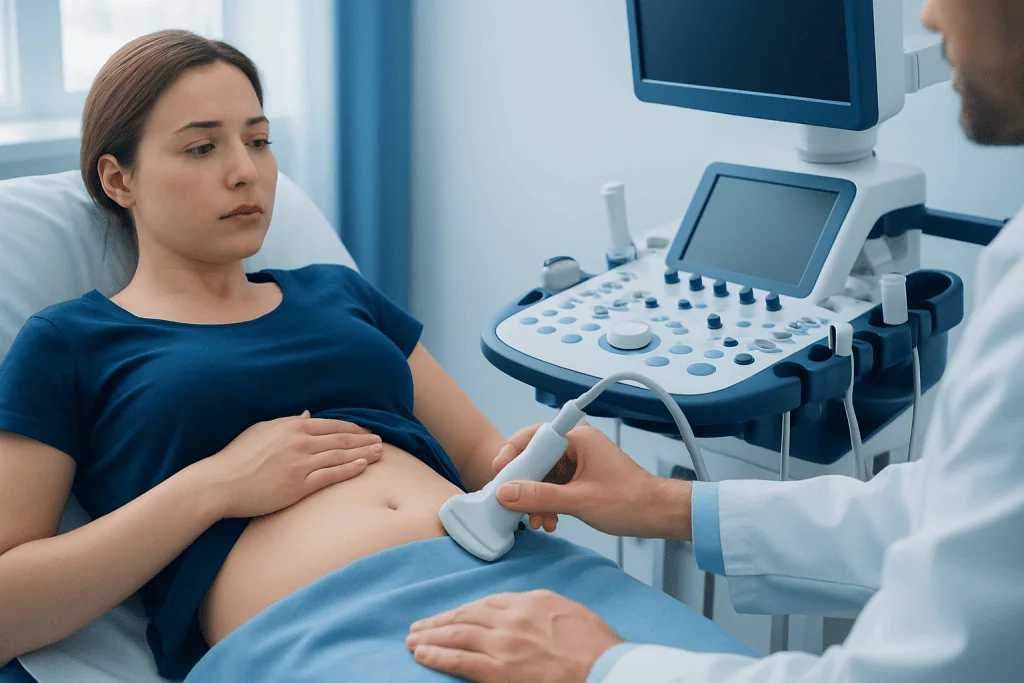
A UTI most often affects the bladder, a condition called cystitis. When the bladder is irritated by infection, nearby tissues can become more sensitive. That irritation can create a sense of fullness in the lower abdomen, especially when the bladder starts filling. Some people describe this as pressure, heaviness, tightness, or bloating.
Frequent urges to urinate can also make the lower belly feel uncomfortable. A person may feel as though the bladder is constantly full, even after using the bathroom. This can be confusing because the sensation resembles bloating, but the source is often bladder inflammation rather than trapped intestinal gas.
Muscle tension may add to the symptom. Pain, urgency, and repeated trips to the toilet can cause the pelvic floor and abdominal muscles to tighten reflexively. That tension may amplify the feeling of swelling or pressure. In people who are also drinking more fluids than usual to self-manage symptoms, temporary fullness in the lower abdomen may feel more noticeable.
Less commonly, if an infection becomes more severe or is associated with urinary retention, abdominal discomfort can become more pronounced. In these situations, clinicians look carefully for other urinary problems and may evaluate for conditions related to urologic disorders if symptoms do not fit a simple bladder infection.
Symptoms that fit a UTI more closely than bloating

If bloating is the main complaint, a UTI is possible but not the first diagnosis clinicians think of. The most typical symptoms of a lower urinary tract infection include a burning sensation when urinating, going to the bathroom more often than usual, a sudden urgent need to urinate, and discomfort or pressure in the lower abdomen.
Urine may also look cloudy, have a stronger odor than usual, or occasionally contain blood. Some people feel generally unwell or tired. Older adults may present less typically, but any sudden urinary symptoms still deserve attention. In men, bladder infection symptoms are taken seriously because they may be linked with other urinary tract problems and often warrant a fuller assessment.
Symptoms that may suggest the infection has moved beyond the bladder include fever, chills, back or side pain, nausea, and vomiting. These can point toward a kidney infection, which is more serious and should be assessed promptly. Acibadem International specialists evaluate urinary symptoms and, when needed, investigate related conditions such as kidney infection.
- Common UTI symptoms: burning urination, urgency, frequency, lower pelvic pressure
- Less typical but possible: a bloated or heavy feeling in the lower abdomen
- More urgent signs: fever, flank pain, vomiting, confusion, or worsening weakness
When bloating may point to something else
Because true bloating often comes from the digestive tract, clinicians consider other causes if urinary symptoms are mild or absent. Constipation, excess intestinal gas, food intolerance, irritable bowel syndrome, and stomach infections can all cause abdominal swelling or fullness. In these cases, urination may remain normal, which makes a UTI less likely.
In women, pelvic pressure or bloating may also come from menstrual changes, ovarian cysts, endometriosis, or vaginal and pelvic infections. In men, prostate enlargement or inflammation can create urinary symptoms and lower abdominal discomfort that can resemble a bladder infection. Kidney stones are another important possibility, especially if there is severe pain, nausea, or blood in the urine.
Sometimes symptoms overlap. For example, constipation can increase bladder pressure and contribute to urinary urgency, while a bladder infection can create pelvic discomfort that feels similar to digestive bloating. This is why a clinician may ask detailed questions about bowel habits, menstruation, sexual health, hydration, pain location, and the exact pattern of urinary symptoms before deciding on the next step.
If symptoms keep returning, a clinician may recommend a more complete urologic assessment or imaging. Depending on the situation, treatment planning can involve tests or procedures used in urology care to clarify whether infection, obstruction, stones, or another condition is responsible.
How doctors diagnose the cause
Diagnosis starts with the symptom pattern. A clinician usually asks when the discomfort began, whether burning or urgency is present, if there is fever or back pain, and whether there are digestive symptoms such as constipation or visible abdominal swelling. This conversation helps separate bladder-related pressure from gastrointestinal bloating.
The main test for suspected UTI is a urine sample. A urinalysis can detect signs of infection such as white blood cells, nitrites, or blood. In some cases, a urine culture is also ordered to identify the bacteria and guide the most suitable antibiotic choice. A urine culture can be particularly helpful when symptoms are atypical, recurrent, or not improving with initial treatment.
Additional tests are not always necessary for a straightforward bladder infection, but they may be useful if symptoms are severe, recurrent, or unusual. Blood tests, ultrasound, or other imaging may be considered if the doctor suspects a kidney infection, urinary blockage, stone disease, or a non-urinary cause. If abdominal symptoms are prominent, the evaluation may extend to digestive or gynecologic conditions as well.
When structural problems are suspected, clinicians may use imaging-based assessment similar to specialized urinary tract evaluation pathways, although the exact workup depends on the person’s symptoms and medical history.
Treatment and self-care
If a UTI is confirmed, treatment usually involves antibiotics chosen according to the likely bacteria, local resistance patterns, and the patient’s health status. It is important to take medication exactly as prescribed and to contact a clinician if symptoms are not improving as expected. Completing the recommended course helps reduce the chance of persistent infection.
Supportive care can also help. Drinking enough fluids, unless a doctor has advised otherwise, may reduce irritation for some people and help maintain hydration. Rest, gentle activity, and avoiding known bladder irritants such as excess caffeine or alcohol may make symptoms easier to manage while treatment is working. Over-the-counter pain relief may be appropriate for some patients, but it is best used with professional guidance.
If the main issue is true bloating rather than bladder pressure, care may need to address another cause at the same time. For example, constipation management, dietary adjustment, or further gynecologic assessment may be appropriate. The key point is that treating a presumed UTI alone may not resolve symptoms if infection is not the only problem.
For recurrent infections or complicated urinary symptoms, specialists may consider broader evaluation and treatment through services such as advanced kidney and urinary care when relevant to the individual’s overall renal health, although most simple UTIs do not require this level of intervention.
When to seek medical care
Medical care is recommended if bloating or lower abdominal pressure occurs together with burning urination, urgency, frequent urination, or cloudy or bloody urine. A clinician can confirm whether the cause is a UTI and make sure a more serious urinary or non-urinary condition is not being missed.
Prompt assessment is especially important if there is fever, chills, pain in the back or side, vomiting, pregnancy, symptoms in a child, or significant illness in an older adult. These situations may indicate a kidney infection or a more complicated course. People with diabetes, weakened immunity, urinary tract abnormalities, or a history of kidney problems should also seek advice sooner rather than later.
Emergency evaluation may be needed for severe pain, inability to pass urine, confusion, fainting, or rapidly worsening symptoms. Persistent bloating after UTI treatment also deserves follow-up because it may point to a different diagnosis. Near the end of the care pathway, patients who need cross-border evaluation may be seen by Acibadem International’s multidisciplinary specialists in JCI-accredited hospitals for diagnosis and treatment planning.
Frequently asked questions
Will a UTI cause bloating in the stomach?
A UTI can cause a bloated feeling, but it is usually felt as pressure or fullness in the lower abdomen rather than swelling of the whole stomach. If the abdomen looks visibly distended or bloating continues without urinary symptoms, another cause may be more likely.
Is lower abdominal pressure the same as bloating with a UTI?
Not exactly. Many people use the word bloating to describe bladder pressure, heaviness, or pelvic discomfort. In medical terms, true bloating usually refers more to gas, intestinal fullness, or visible abdominal distension.
How can someone tell if bloating is from a UTI or digestion?
A UTI is more likely when bloating-like discomfort happens with burning urination, urgency, frequency, or cloudy urine. Digestive causes are more likely when symptoms relate to meals, constipation, gas, or changes in bowel habits and there are no urinary symptoms.
Can a kidney infection cause bloating too?
A kidney infection may cause abdominal discomfort, but it more often causes fever, chills, nausea, and pain in the back or side. Because it is more serious than a bladder infection, these symptoms should be evaluated promptly.
Should bloating go away after UTI treatment?
If the bloated feeling is mainly from bladder irritation, it often improves as the infection clears. If pressure or bloating persists after treatment, follow-up is important to check for another urinary, digestive, or gynecologic cause.
Can dehydration make UTI symptoms feel worse?
Yes. Dehydration can make urine more concentrated, which may increase discomfort during urination and sometimes make bladder irritation feel more noticeable. Hydration alone does not cure a UTI, but it can support overall recovery when a doctor agrees it is appropriate.
References
- Centers for Disease Control and Prevention
- National Institute of Diabetes and Digestive and Kidney Diseases
- American Urological Association
- Mayo Clinic
- National Health Service
This article is for general information only and is not a substitute for professional medical advice. Please consult a qualified doctor about your individual situation.
Persistent digestive symptoms? Get evaluated in Turkey
JCI-accredited · board-certified surgeons · reply within 24h