Small Bumps on Skin: What Patients Need to Know

Small bumps on skin can result from irritation, clogged pores, allergy, infection, or chronic skin conditions. Features such as itching, redness, pain, scaling, fluid, or sudden spread can help identify the cause.
Key Takeaways
- Small bumps on skin can result from irritation, clogged pores, allergy, infection, or chronic skin conditions.
- Features such as itching, redness, pain, scaling, fluid, or sudden spread can help identify the cause.
- Many mild cases improve with gentle skin care, avoiding triggers, and not scratching or picking the bumps.
- A doctor may diagnose the cause through a skin exam and, if needed, allergy testing, cultures, or a biopsy.
- Medical care is important if bumps are persistent, painful, infected-looking, rapidly spreading, or associated with fever or breathing symptoms.
Small bumps on skin are a common symptom rather than a single diagnosis, and many causes are mild, such as dryness, irritation, heat rash, or clogged hair follicles. However, some bumps may be linked to infection, inflammation, allergy, or chronic skin conditions, so the pattern, color, itch, pain, and duration help guide next steps.
Overview: what small bumps on skin can mean
Small bumps on skin are very common and are usually caused by a limited number of skin reactions. In many people, they come from dry skin, friction, sweating, clogged pores, irritated hair follicles, or contact with a product such as soap, fragrance, or detergent. These bumps may be skin-colored, red, rough, itchy, or slightly inflamed.
At the same time, small bumps can sometimes signal a more specific condition, including eczema, hives, folliculitis, keratosis pilaris, heat rash, viral rashes, or allergic reactions. Because the appearance can overlap, it is often more helpful to think about the context: where the bumps appeared, how quickly they developed, whether they itch or hurt, and what new exposures occurred before they started.
This symptom-focused approach differs from simply listing skin diseases. Patients often first notice the texture change rather than knowing the diagnosis, so the most useful first step is to recognize common patterns and understand when home care is reasonable and when a medical review is needed.
Common patterns and symptoms to notice
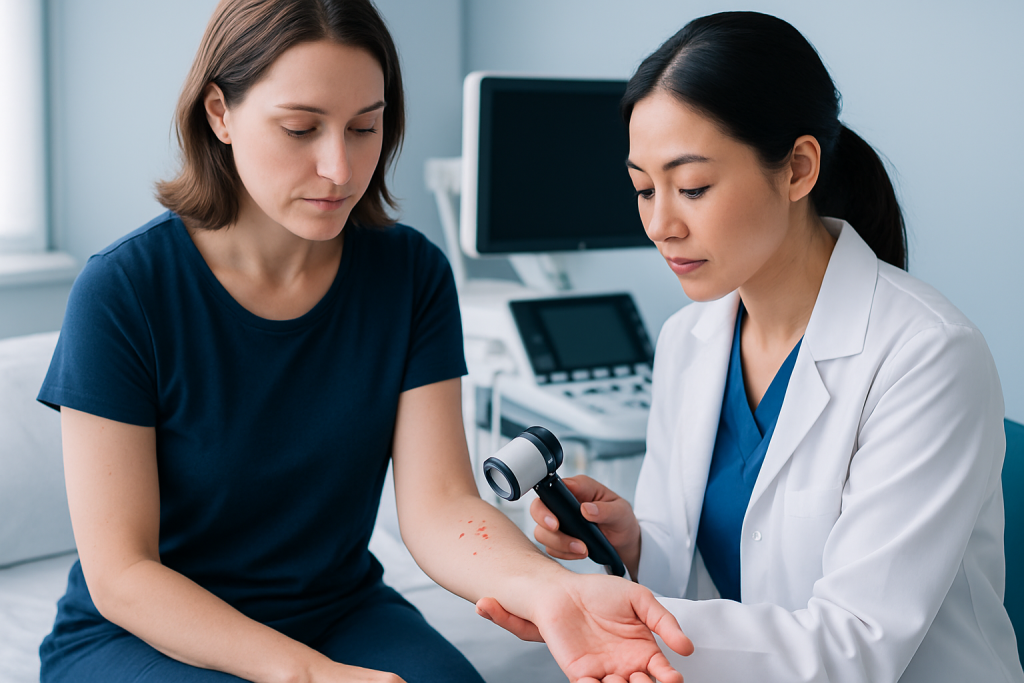
The size, color, feel, and distribution of bumps can provide useful clues. Tiny rough bumps on the upper arms or thighs may suggest keratosis pilaris. Very itchy, short-lived raised bumps may fit hives. Red bumps centered around hair follicles can point to folliculitis, while bumps appearing after heat and sweating may reflect heat rash.
Some bumps are mainly a texture change, while others are associated with additional symptoms. Patients may notice itch, burning, tenderness, scaling, flaking, dryness, pus, crusting, or swelling. A skin eruption that spreads after using a new cosmetic, sunscreen, or detergent can raise concern for an irritant or allergic skin reaction such as eczema.
It can help to track:
- When the bumps started and whether they come and go
- Where they appear on the body
- Whether they itch, sting, hurt, or ooze
- Any recent illness, fever, or sore throat
- New skin products, medications, foods, or environmental exposures
- Whether close contacts have similar symptoms
These details can make a doctor’s assessment more accurate and may reduce the need for unnecessary tests.
Possible causes and risk factors

There are many possible causes of small bumps on skin. Common noninfectious causes include dry skin, heat rash, friction, shaving irritation, insect bites, allergic contact dermatitis, acne-like eruptions, and chronic inflammatory conditions. Keratosis pilaris, for example, occurs when keratin builds up around hair follicles and creates small rough bumps, often on the arms, thighs, or cheeks.
Infectious causes are also possible. Bacteria can inflame hair follicles, producing folliculitis. Viruses may cause a widespread rash with small bumps, especially in children. Fungal conditions can lead to itchy, irritated areas with surface changes. Scabies, though not always obvious at first, can cause very itchy tiny bumps and tends to spread through close contact. In some cases, small bumps may be part of psoriasis or another inflammatory skin disorder.
Risk factors depend on the cause but often include sensitive skin, a personal or family history of allergies or asthma, hot and humid weather, sweating, occlusive clothing, frequent shaving, oily skincare products, poor skin barrier function, and exposure to irritating chemicals. New medications can occasionally trigger a rash as well. A weakened immune system may increase the chance of certain infections.
Because the same trigger can look different on different skin tones, patients should not rely on color alone. On lighter skin, bumps may appear pink or red; on darker skin, they may look brown, purple, gray, or simply feel raised and irritated without much visible redness.
How doctors diagnose the cause
Diagnosis usually starts with a medical history and a close skin examination. A doctor will ask about the timing, itch or pain, recent illnesses, travel, medications, family history, and skincare or occupational exposures. The location and pattern of the bumps are often especially helpful.
In many cases, an experienced clinician can suggest the most likely cause by examination alone. If infection is suspected, a swab or scraping may be taken. If the bumps may be related to allergy, patch testing or other allergy assessment can sometimes help. When the diagnosis remains uncertain, a small skin biopsy may be recommended to examine the tissue more closely.
Patients should seek medical evaluation sooner if bumps are widespread, worsening quickly, associated with fever, or accompanied by swelling of the lips, tongue, or throat. Dermatology assessment may be useful for persistent or recurrent symptoms, and some patients benefit from specialist evaluation through dermatology care when diagnosis is not straightforward.
Treatment options for small bumps on skin
Treatment depends on the underlying cause, so there is no single remedy that fits every type of bump. Gentle skincare is often the starting point: fragrance-free cleansers, lukewarm showers, regular moisturizers, and avoiding scrubbing or picking. This supports the skin barrier and may help dryness-related or irritation-related bumps settle.
If inflammation or allergy is suspected, a doctor may advise anti-inflammatory treatment, trigger avoidance, or short-term medication to reduce symptoms. If folliculitis or another infection is present, treatment may involve antimicrobial measures. For persistent rough follicular bumps, exfoliating or keratolytic skincare may be discussed, though it should be used carefully on sensitive skin. When a chronic condition such as urticaria is contributing, management may focus on symptom control and prevention of flares.
Depending on the diagnosis, specialist care may include evaluation through allergy testing or support from dermatology and venereology services. The most important point is to avoid self-treating repeatedly with strong over-the-counter products without a diagnosis, as this can irritate the skin further and make the true cause harder to recognize.
Self-care, prevention, and skin protection
Many mild cases can be managed with simple self-care while monitoring for change. Patients should use bland, fragrance-free skincare products, moisturize regularly, and avoid harsh exfoliants unless a doctor recommends them. Hot water, scented laundry products, and tight synthetic clothing can worsen some rashes and should be limited if they seem to trigger symptoms.
Good preventive habits include showering after heavy sweating, changing out of damp clothing, keeping razors clean, and using non-comedogenic products if bumps tend to appear on the face, chest, or back. People with sensitive skin may benefit from introducing only one new skincare product at a time so a reaction is easier to identify.
Helpful steps may include:
- Do not scratch, squeeze, or pick the bumps
- Choose soft, breathable fabrics
- Protect skin from excessive heat and sweating when possible
- Use sunscreen formulated for sensitive skin
- Keep a symptom diary if bumps seem related to products, foods, or activities
For patients who need expert evaluation, Acibadem International’s multidisciplinary specialists in JCI-accredited hospitals diagnose and treat skin-related conditions for international patients using an individualized approach.
When to seek medical care
Most small bumps on skin are not an emergency, but medical advice is important if they do not improve, keep coming back, or are causing significant discomfort. Persistent itching, pain, cracking, bleeding, or sleep disturbance are all reasonable reasons to seek evaluation. Children, older adults, and people with chronic illnesses may need earlier review.
Patients should arrange prompt medical care if the bumps are spreading rapidly, look infected, produce pus, are accompanied by fever, or appear after starting a new medication. Emergency care is needed if skin symptoms happen with trouble breathing, dizziness, facial swelling, or swelling of the lips or tongue, as these can suggest a severe allergic reaction.
If there is uncertainty about the cause, or if the rash affects the face, eyes, genitals, or large areas of the body, a qualified doctor should assess it. Early diagnosis can help relieve symptoms, avoid complications, and ensure that treatment matches the actual condition rather than just the appearance.
Frequently asked questions
Are small bumps on skin usually serious?
Most small bumps on skin are not serious and are often related to irritation, dryness, heat, or mild inflammation. However, persistent, painful, rapidly spreading, or infected-looking bumps should be checked by a doctor.
What causes itchy small bumps on skin?
Itchy small bumps can be caused by allergies, eczema, hives, insect bites, heat rash, or infections such as scabies or folliculitis. The location, timing, and whether the bumps come and go can help identify the cause.
Should small bumps on skin be popped or scrubbed off?
No. Popping, picking, or aggressive scrubbing can irritate the skin, increase inflammation, and raise the risk of infection or scarring. Gentle cleansing and moisturizing are safer while waiting for symptoms to improve or for medical advice.
How long do small skin bumps last?
The duration depends on the cause. Heat rash or mild irritation may improve within days, while chronic conditions such as keratosis pilaris or eczema can last longer and may come and go over time.
Can stress cause small bumps on skin?
Stress may not directly cause every type of skin bump, but it can worsen conditions such as eczema, hives, acne-like breakouts, and itching. Stress can also make people more aware of symptoms and more likely to scratch, which may worsen the rash.
When should a child with small bumps on skin see a doctor?
A child should see a doctor if the bumps are widespread, associated with fever, severe itching, pain, or signs of infection, or if the child seems unwell. Medical review is also important if the rash is near the eyes, mouth, or genitals, or if it is not improving.
References
- American Academy of Dermatology
- National Health Service
- Mayo Clinic
- MedlinePlus
- American Academy of Allergy, Asthma & Immunology
This article is for general information only and is not a substitute for professional medical advice. Please consult a qualified doctor about your individual situation.
Hair transplant in Turkey — costs, graft counts & a free assessment
JCI-accredited · board-certified surgeons · reply within 24h
Add us as a Preferred Source to see more of our trusted health content across Google Search, AI Overviews and Discover.

More from the Health Library



Related Specialists

Assoc. Prof. Dr. Ali Harman
Interventional Radiology
Assoc. Prof. Dr. Mustafa Bilal Tuna
Urology
Dr. Ezgi Gülüm
Oral Dental and Maxillofacial Surgery
Dt. Berna Ölce
Oral and Dental Health